What if you could enjoy delicious foods while also effectively losing weight?
The ketogenic diet, often referred to as the keto diet, offers an intriguing approach to weight loss that emphasizes high fats, moderate proteins, and very low carbohydrates. Throughout this article, you’ll discover the potential benefits of adopting this diet and how it might be a fit for your weight loss journey.
What is the Ketogenic Diet?
At its core, the ketogenic diet is designed to shift your body into a state of ketosis. This occurs when your intake of carbohydrates is dramatically reduced, making your body rely on fat as its primary fuel source instead of glucose.
This revolutionary shift not only tests the conventional views surrounding dieting but also encourages a lifestyle change that’s sustainable for some individuals. Wouldn’t it be exciting to see what possible transformations await?
How Does the Ketogenic Diet Work?
The process of ketosis is quite fascinating! When you significantly cut carbs, your body gets urged to burn fat for energy. Here’s how it works:
- Reduction of Carbohydrates: You limit carbohydrate intake to about 20-50 grams per day.
- Increased Fat Intake: To compensate, you increase your fat consumption, often making it around 70% of your daily calories.
- Protein Moderation: Protein intake is typically moderate, making up about 20-25% of your daily calories.
This nutritional composition helps you transition into a state where your liver converts fats into ketones, providing an alternative energy source.
The Phases of the Ketogenic Diet
Understanding the phases of the ketogenic diet can help you navigate through your weight loss journey effectively. Here’s how it generally breaks down:
-
Induction Phase: This initial stage is a significant restriction on carbs. You might experience some challenges initially due to carbohydrate withdrawal.
-
Ongoing Weight Loss Phase: As your body adapts to ketosis, you can gradually reintroduce a small number of carbohydrates to find your ideal level for ongoing weight loss.
-
Maintenance Phase: Once you reach your weight loss goal, this phase allows for a more flexible approach while ensuring you maintain your desired weight by adjusting carb intake.
Transitioning through each phase requires dedication, but the benefits can be rewarding!

What are the Benefits of the Ketogenic Diet for Weight Loss?
You may be wondering what makes the ketogenic diet effective. Here’s a breakdown of the main benefits that encourage individuals to adopt this lifestyle.
Effective Weight Loss
One of the standout features of the keto diet is its potential for rapid weight loss. With your body effectively burning fat, you may notice results quite quickly.
Why Ketosis Drives Weight Loss
- Fat Burn: When your body is in ketosis, it naturally begins to burn stored fat for energy.
- Reduced Appetite: Many find that their hunger levels decrease, which can lead to consuming fewer calories overall.
- Water Weight Loss: Initial weight loss often includes a significant amount of water weight, primarily from glycogen stores (which are burned when carbs are restricted).
Improved Blood Sugar Control
If you’re aiming for more stable blood sugar levels, the ketogenic diet can be beneficial. By limiting carbohydrates, you may experience fewer spikes in blood sugar.
Benefits for Your Metabolism
- Stable Insulin Levels: Lower carbohydrate intake tends to stabilize insulin levels, which could affect how your body processes sugar and fat.
- Reduced Cravings: Stabilizing blood sugar can minimize those pesky cravings, making it easier to stick to your meal plan.
Enhanced Mental Clarity
You might be surprised to learn that the keto diet can also impact your mental performance. Many individuals report improved concentration and focus, likely due to the brain utilizing ketones for energy.
Brain and Ketosis
- Increased Energy for the Brain: Ketones provide a more efficient source of energy for brain function compared to glucose.
- Mood Stability: By preventing blood sugar fluctuations, you might also enjoy more stable moods throughout the day.
Heart Health
Contrary to common beliefs, ketogenic diets might support cardiovascular health for some individuals.
The Facts on Fats
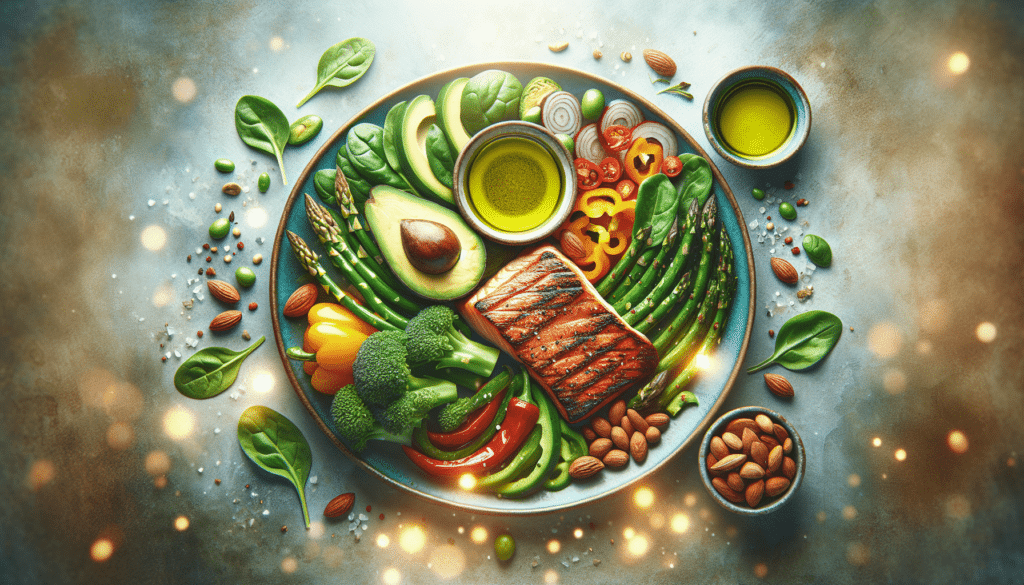
While the diet promotes high-fat consumption, it’s essential to choose healthy fats. A focus on unsaturated fats from sources like avocados, nuts, and olive oil can be beneficial in achieving heart health.
Better Digestion
For those facing issues with digestion, the ketogenic diet can sometimes lead to improvements. Reducing carbohydrates often means cutting back on sugars and processed foods that can cause bloating or discomfort.
Fiber and Vegetables
It’s crucial to maintain fiber intake, so incorporating low-carb vegetables is essential for overall health and digestive function.
Increased Energy Levels
You might notice a surge of energy as your body gets accustomed to fat-burning. Instead of fatigue from high-carb meals, many find they have more sustained energy throughout the day.
Long-Term Energy Effects
- Fat as Fuel: Once you adapt, burning fat instead of carbohydrates can lead to increased endurance, especially for exercise or daily activities.
- Reduced Energy Crashes: You might experience fewer energy dips commonly associated with high-carb diets.
Potential Anti-Inflammatory Effects
Some followers of the keto diet claim that it has anti-inflammatory effects, which can be beneficial for overall health.
The Link Between Carbs and Inflammation
- Decreased Sugar Intake: Reducing sugar intake can decrease inflammation indicators in the body.
- Impact on Specific Conditions: Some studies suggest a keto diet may help manage certain conditions attributed to inflammation, like arthritis.
Personalization and Flexibility
Adapting the ketogenic diet allows room for individual variations that can enhance your experience. By tweaking the macros to fit your preferences and lifestyle, you’ll improve the odds of long-term success.
Flexibility in Food Choices
You can find numerous delicious recipes that fit the high-fat, low-carb philosophy. Cooking at home gives you the freedom to create meals tailored to your taste buds, making this journey enjoyable.

Potential Challenges of the Ketogenic Diet
Before jumping into the keto lifestyle, it’s essential to recognize that challenges may arise. Being aware of these hurdles can help prepare you for a smoother journey.
Initial Adjustment Period
For many people, the transition to a ketogenic diet might be challenging initially. Some refer to this phase as the “keto flu.”
Symptoms of Keto Flu
- Fatigue
- Headaches
- Dizziness
- Nausea
Limited Food Choices
Adopting a keto diet might lead to restrictions in your food options. This may seem daunting at first, but creativity in the kitchen can lead to new favorites!
Social Situations
Being on a specialized diet can sometimes make social gatherings tricky. Certain events often revolve around traditional foods that may not fit into your keto lifestyle.
Navigating Social Scenarios
- Preparation is Key: Bringing your own keto-friendly dish can allow you to enjoy the meal without worry.
- Communicate: Letting friends and family know about your dietary choices can open opportunities for understanding and support.

Tips for Successfully Implementing a Ketogenic Diet
Are you excited to start your keto journey? Here are some practical tips to help you stay on track and maximize your weight loss efforts.
Plan Your Meals
Creating a meal plan is an effective strategy to ensure you stay on the keto track. This preparation can help you avoid impulse eating, which often leads to higher carb choices.
Meal Prep Ideas
- Batch Cooking: Prepare meals or ingredients in advance to make your week smoother.
- Low-Carb Snacks: Keep keto-friendly snacks available for those times when hunger strikes.
Educate Yourself
Being knowledgeable about the ketogenic diet can empower you to make better choices.
Resources to Consider
- Books and Online Courses: There are plenty of helpful resources available that dive deeper into the science and practice of keto.
- Nutrition Tracking: Apps can help you track your macros, ensuring that you stay within your desired carbohydrate limits.
Stay Hydrated
Staying hydrated is crucial, especially when transitioning to a ketogenic diet. Reduced carbohydrate intake can lead to a loss of water weight, so sipping water consistently is vital.
Electrolyte Balance
Be sure to consider the balance of electrolytes, especially sodium, potassium, and magnesium, to prevent potential cramping and fatigue.
Listen to Your Body
As you embark on this dietary shift, it’s essential to stay attuned to your body’s responses. Your experience on keto may differ from others.
Adjusting as Your Body Adapts
Be patient. If something doesn’t feel right, consider adjusting your meals or consulting a healthcare professional.
Conclusion
You may find that the ketogenic diet offers various benefits for your weight loss and overall well-being. With its unique approach to macronutrient balancing, mental acuity improvements, and potential health benefits, it’s no wonder many choose to embrace this lifestyle change.
Before starting any new diet, it’s always wise to consider personal needs and consult a healthcare professional, especially if you have existing health concerns. If you decide to give the ketogenic diet a try, know that embarking on this journey can be an enlightening experience leading to significant weight loss achievements alongside lifelong health improvements.
What wonders may await you on your personalized keto journey? Best of luck!