Have you been curious about how the keto diet could affect your kidney health? The keto diet has gained significant attention for its potential benefits in weight loss and managing certain health conditions. However, if you have concerns about kidney health, it’s essential to approach this dietary strategy with caution.
Understanding the Keto Diet
Before you can weigh its effects on kidney health, it’s crucial to understand what the keto diet entails. Essentially, the ketogenic diet emphasizes low carbohydrate intake, moderate protein, and high fat. This dietary approach shifts the body’s primary energy source from glucose to fats, leading to a state known as ketosis.
What Does the Keto Diet Include?
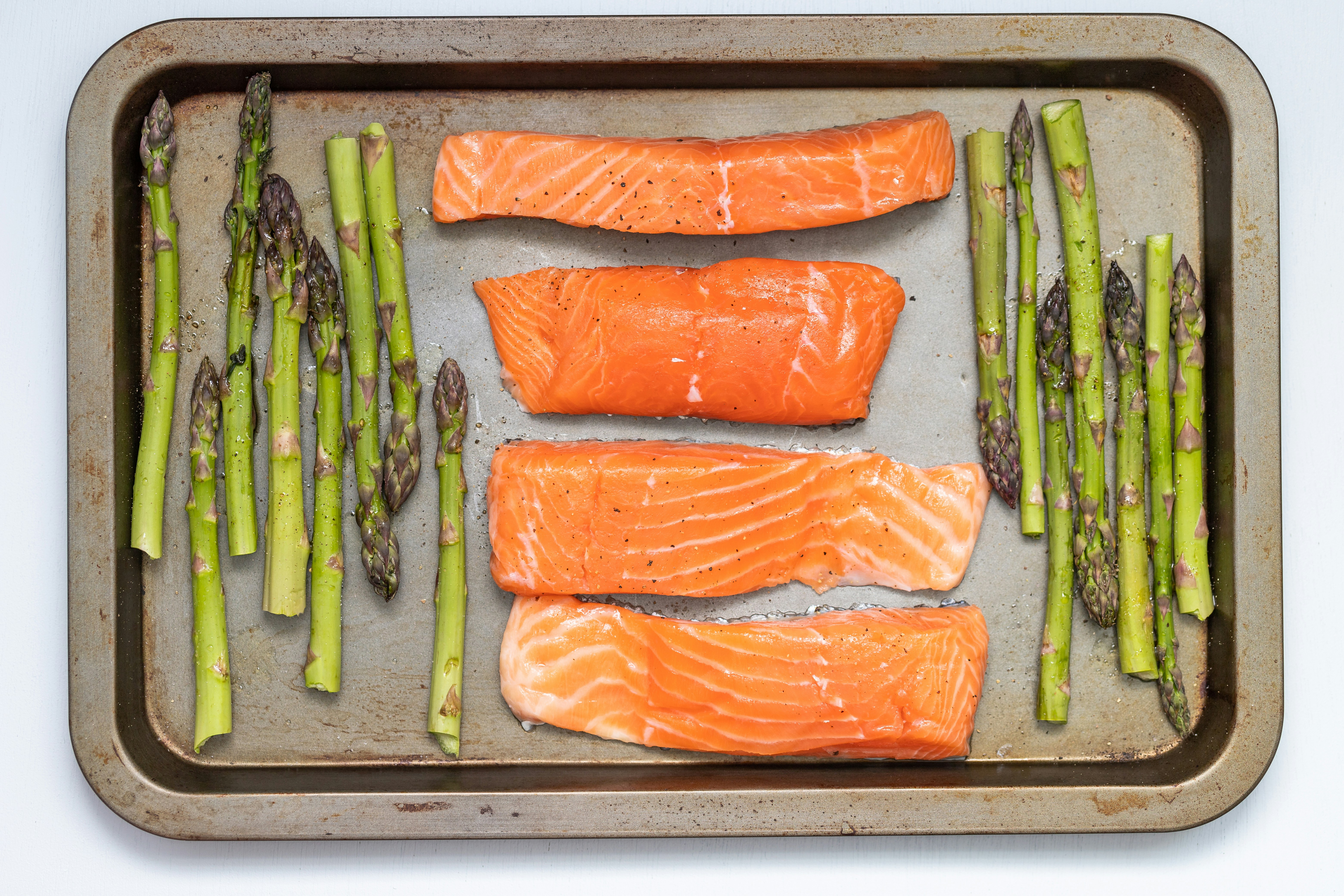
On the keto diet, you’ll typically consume foods that are high in fats and low in carbohydrates. Here’s a quick look at what you’ll find on a typical keto plate:
| Food Type | Examples |
|---|---|
| Healthy Fats | Avocados, nuts, olive oil |
| Proteins | Meat, fish, eggs |
| Low-Carb Vegetables | Leafy greens, cauliflower |
| Dairy | Cheese, heavy cream |
| Berries (in moderation) | Strawberries, raspberries |
So, instead of loading up on bread and pasta, you’re more likely to find yourself munching on steak and salads drizzled in olive oil.
Why Do People Choose the Keto Diet?
Many people turn to the keto diet for various reasons, such as weight loss, improved energy levels, and better control over blood sugar levels. Some studies also suggest that ketogenic eating may offer neurological benefits or even help with certain metabolic conditions.
Kidney Health and Diet: The Connection
Now that you’ve got a grasp on the keto diet, let’s talk about kidneys. Your kidneys are vital organs responsible for filtering blood, removing waste, and maintaining electrolyte balance. Keeping them healthy is important for overall well-being.
The Role of Diet in Kidney Health
Your diet can significantly impact the health of your kidneys. For instance, a diet high in protein can put additional strain on them. However, it’s also essential to consider the types of foods you’re eating. For instance, highly processed foods and high sodium intake can lead to kidney issues over time.

The Keto Diet and Kidney Function
So, how does a keto diet relate to kidney function? There are several factors to consider when evaluating the keto diet’s compatibility with maintaining healthy kidney function.
Can the Keto Diet Harm Your Kidneys?
For some individuals, particularly those with pre-existing kidney issues, a high protein intake can exacerbate their condition. When proteins are broken down in the body, they generate waste that your kidneys must filter out. If they’re already compromised, excess protein intake might worsen their functionality.
Potential Benefits of the Keto Diet for Kidney Function
Conversely, some studies indicate that the keto diet could be beneficial for certain kidney conditions. For instance, it may help control blood sugar levels, which is particularly important for individuals with diabetes, a leading cause of kidney disease.
| Aspect | Positive Effects | Negative Effects |
|---|---|---|
| Blood Sugar Control | Improved insulin sensitivity | Potential for ketoacidosis |
| Weight Loss | Reduced body weight | Nutrient deficiencies |
| Protein Intake | Quality protein sources | Increased nitrogen waste |
Considering Kidney Disease
If you’re considering the keto diet and have kidney disease or a history of kidney issues, consulting a healthcare professional should be your first step. Here’s why:
Chronic Kidney Disease (CKD)
Individuals with chronic kidney disease need to monitor protein intake carefully. A high protein diet could contribute to a decline in function over time. Therefore, it’s essential to tailor any diet—keto or otherwise—based on your specific condition.
Kidney Stones
People with a predisposition to kidney stones may also experience different outcomes with the keto diet. Certain foods that are staples in keto eating, like nuts and certain cheeses, might increase the risk of stone formation if you have a history of stones.

Nutritional Considerations on the Keto Diet
Making the transition to a keto lifestyle can lead to nutritional gaps unless you take care to plan your meals wisely.
Micronutrients and Vitamins
It’s important to ensure you get enough vitamins and minerals. If you’re not consuming a variety of low-carb vegetables, you might be missing out on crucial nutrients. For instance, potassium, calcium, and magnesium are vital for your overall health and kidney function.
Hydration is Key
Maintaining proper hydration is especially important for kidney health. The keto diet can lead to increased water loss, especially in the initial phase, so make sure to drink plenty of fluids. Staying hydrated supports kidney function and aids in waste removal.
Fiber Intake
One area where keto can fall short is in fiber intake. Many high-fiber foods are also high in carbohydrates. Incorporating low-carb, high-fiber foods such as chia seeds and flaxseeds can help you meet your fiber needs without compromising your carb limit.
Monitoring Your Health
If you decide to follow the keto diet, keeping track of how it’s affecting your body is vital. Here are some guidelines to ensure you’re staying on the right path.
Regular Blood Tests
Regular check-ups can help you monitor markers related to kidney function. Doctors often check levels of creatinine and urea, both indicators of your kidneys’ filtering capability. Keeping an eye on these levels can give you insight into how your body is responding to the diet.
Symptoms to Watch For
In addition to tests, be mindful of your body. If you experience symptoms such as swelling, fatigue, or changes in urination, it could alert you to a potential issue with your kidney function.

Alternative Approaches to Consider
If you find that the standard keto diet doesn’t perfectly align with your needs, there are alternatives to consider that may work better for you.
Modified Keto Diet
A modified version, focusing on lower protein rather than the standard high protein intake, might be more suitable if you have kidney issues. This approach allows you to reap some benefits of ketosis without placing excessive demands on your kidneys.
Ketogenic Mediterranean Diet
Incorporating elements of the Mediterranean diet—rich in whole grains, fruits, vegetables, and healthy fats—might provide more balance while still maintaining a lower carbohydrate intake.
Consulting a Specialist
Before making any drastic changes to your diet, especially with kidney health concerns, seeing a registered dietitian or a healthcare provider can help tailor an eating plan that’s right for you.
Conclusion: Is the Keto Diet Right for You?
Making dietary choices is always personal, especially when it comes to health. While the keto diet has its benefits, it’s crucial to weigh those against any potential risks—particularly concerning kidney health. Always consider your individual circumstances, including any existing health conditions and how your body reacts to new dietary changes.
Whether you choose to try the keto diet or opt for a different nutritional strategy, the essential thing is to find what works best for your lifestyle and health needs. Keep your kidneys in mind, stay informed, and consult with healthcare professionals as you navigate your dietary journey.
