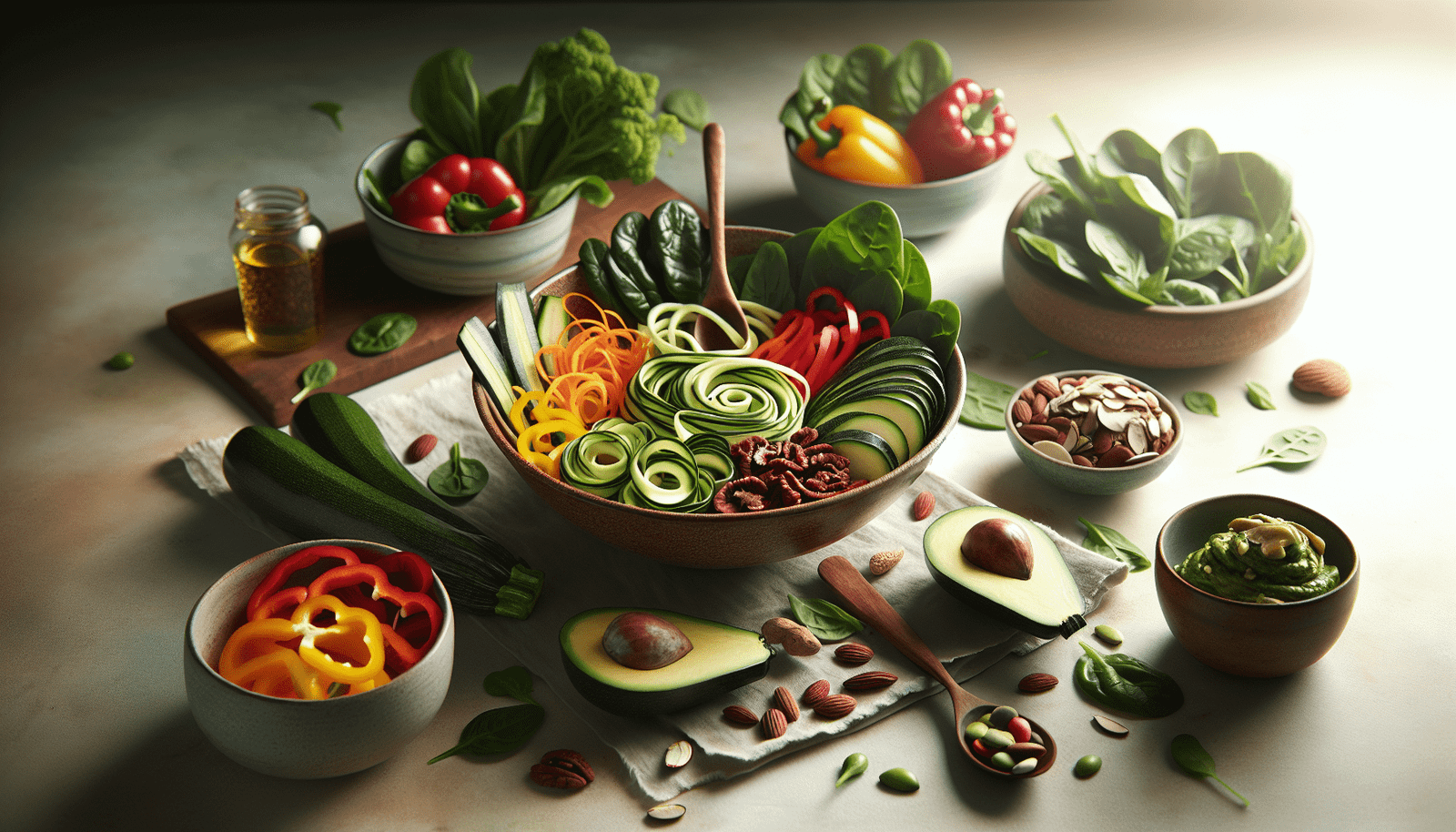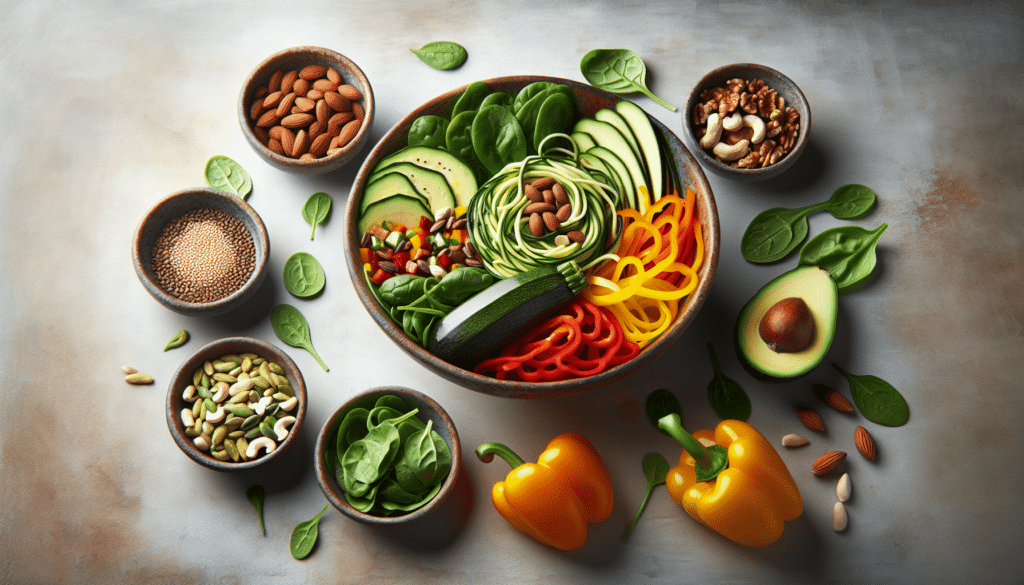
Have you ever wondered how you can maintain a vegetarian lifestyle while sticking to a low-carb diet like keto? It might seem challenging at first, but with the right knowledge and meal planning, you can absolutely thrive on a vegetarian keto diet. Let’s break down what you can eat to nourish your body while enjoying both vegetarian and keto principles.
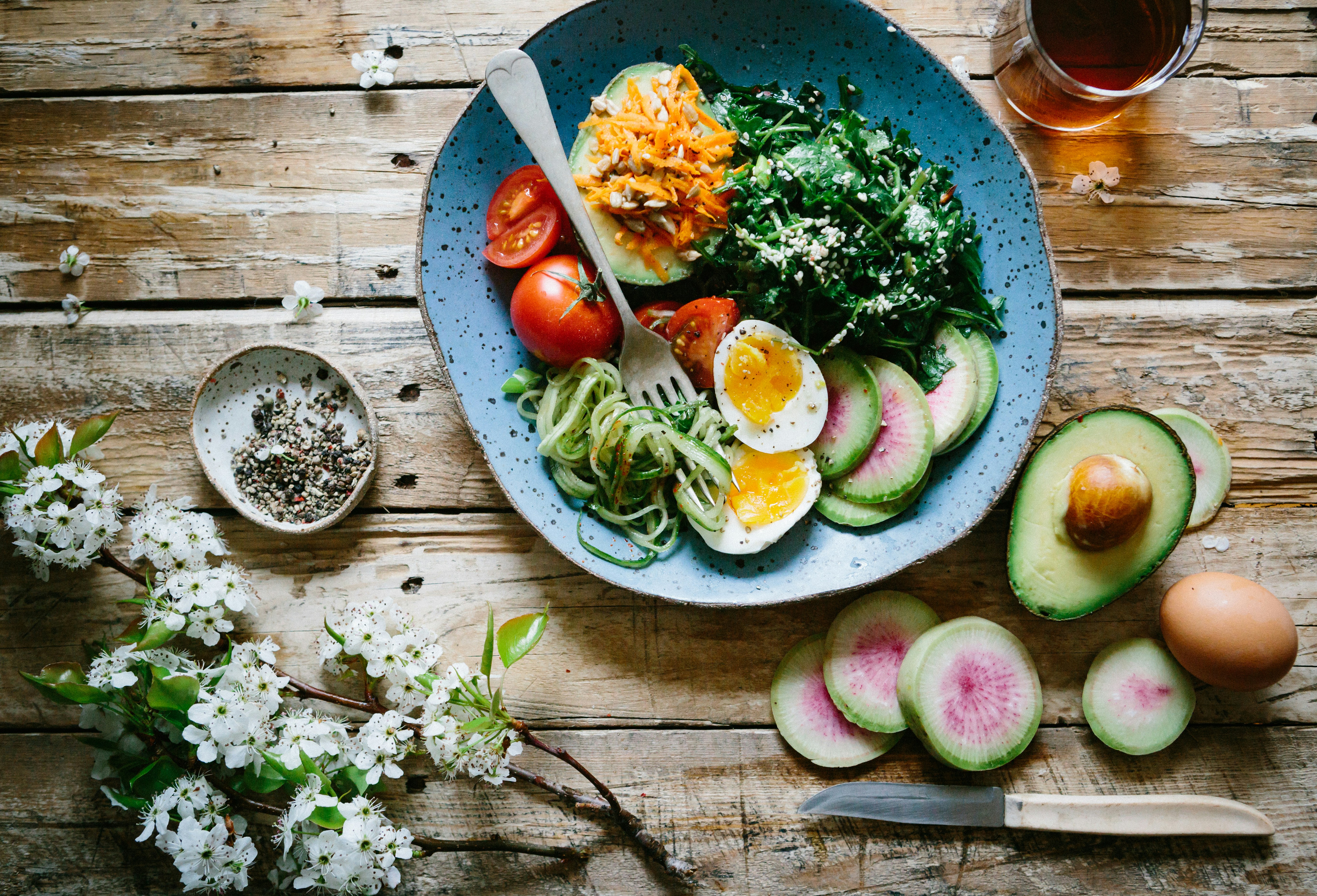
Understanding the Vegetarian Keto Diet
A vegetarian keto diet combines two dietary approaches: vegetarianism, which eliminates meat, and the ketogenic diet, which focuses on low carbohydrate intake and high fat consumption. The goal of keto is to enter a metabolic state called ketosis, where your body burns fat for fuel instead of carbohydrates. The vegetarian aspect comes from excluding meat while still getting the essential nutrients your body needs.
The foundation of this diet relies heavily on plant-based foods that are low in carbs and high in healthy fats. It requires careful planning to ensure you’re not only meeting your macronutrient goals but also maintaining a balanced intake of vitamins and minerals.
Why Choose a Vegetarian Keto Diet?
You might be wondering why someone would choose to follow a vegetarian keto diet. There are several benefits to consider:
- Weight Management: This diet helps in maintaining or losing weight by promoting fat loss instead of muscle loss.
- Improved Heart Health: A diet rich in plant-based fats from sources like avocados and nuts can support heart health.
- Increased Energy Levels: The ketosis process provides a sustained energy source once your body adapts.
- Lowered Risk of Chronic Diseases: Combining vegetarian and low-carb principles may reduce the risk of diabetes and other lifestyle-related illnesses.
What Foods Should You Eat?
When starting a vegetarian keto diet, it’s crucial to know which foods are compatible. Here’s a comprehensive list of food groups and items that will keep you well-fed on your journey.
Low-Carb Vegetables
Vegetables are a cornerstone of the vegetarian keto diet, providing essential nutrients while keeping your carb intake low.
| Vegetable | Net Carbs (per 100g) |
|---|---|
| Spinach | 1.4g |
| Kale | 3.4g |
| Broccoli | 4.0g |
| Cauliflower | 3.0g |
| Zucchini | 3.1g |
| Bell Peppers | 4.7g |
| Cucumber | 3.6g |
| Asparagus | 2.1g |
Incorporating a variety of these vegetables can add color, flavor, and excitement to your meals while keeping your carb count in check.
Healthy Fats
These are the building blocks of a vegetarian keto diet. You’ll want to focus on healthy sources of fat to keep your energy levels up.
| Fat Source | Overview |
|---|---|
| Avocados | Loaded with healthy monounsaturated fats and fiber. |
| Nuts (almonds, walnuts) | Great for snacking, providing protein and healthy fats. |
| Seeds (chia, flax, hemp) | Rich in omega-3 fatty acids; can add to smoothies or yogurt. |
| Coconut Oil | High in medium-chain triglycerides (MCTs); versatile for cooking. |
| Olive Oil | Excellent for dressings and cooking, packed with antioxidants. |
Incorporating these fats into your meals will help you feel satiated and support your overall health.
Plant-Based Proteins
Getting enough protein on a vegetarian keto diet is essential for muscle retention and overall health. Here are some great vegetarian protein sources:
| Protein Source | Net Carbs (per 100g) | Protein (per 100g) |
|---|---|---|
| Tofu | 1.9g | 8g |
| Tempeh | 9.4g | 19g |
| Seitan | 4.0g | 25g |
| Greek Yogurt (full-fat) | 4.0g | 10g |
| Edamame | 3.9g | 11g |
| Almonds | 9.6g | 21g |
Always consider the net carbs, which means subtracting fiber from the total carbs, allowing you to focus on the digestible carb content.
Dairy Alternatives
If you’re not consuming dairy, find alternatives that fit the keto and vegetarian criteria. Here’s a quick rundown:
| Alternative | Type | Suitability |
|---|---|---|
| Almond Milk | Nut-based | Low-carb option |
| Coconut Yogurt | Coconut-based | High-fat option |
| Cashew Cheese | Nut-based | Creamy spread |
| Nutritional Yeast | For flavoring | Cheese alternative |
These alternatives can help you enjoy your favorite dishes while keeping them compliant with your diet.
What to Avoid
Just as important as knowing what to eat is being aware of which foods to avoid on a vegetarian keto diet. Here’s a list to consider:
- Starchy Vegetables: Potatoes, corn, and peas can be high in carbohydrates and should be limited.
- Sugary Foods: Soft drinks, sweets, and desserts are loaded with sugar and carbs.
- Grains and Legumes: While good for protein, they’re generally high in carbs. You might want to limit or avoid items like rice, bread, and beans.
- Fruits: Most fruits are high in sugars. However, berries like strawberries, raspberries, and blackberries are lower in net carbs and can be enjoyed in moderation.
Meal Planning
Planning your meals is crucial, especially when following a specific dietary regimen. Here’s how to efficiently plan your vegetarian keto meals:
Create a Weekly Menu
Take the time to design a weekly menu that includes breakfast, lunch, dinner, and snacks. Make sure to integrate the foods discussed earlier, keeping a balance of proteins, fats, and low-carb vegetables.
Example Weekly Menu
| Day | Breakfast | Lunch | Dinner | Snack |
|---|---|---|---|---|
| Monday | Chia Seed Pudding | Spinach Salad with Avocado | Cauliflower Rice Stir Fry | Almonds |
| Tuesday | Greek Yogurt with Nuts | Zucchini Noodles with Pesto | Tofu Stir-Fry | Cucumber Slices |
| Wednesday | Smoothie with Spinach and Protein | Veggie Buddha Bowl | Tempeh Tacos with Lettuce Wraps | Olives |
| Thursday | Scrambled Eggs with Spinach | Egg Salad Lettuce Wraps | Grilled Veggie Kebabs | Celery Sticks with Nut Butter |
| Friday | Flaxseed Porridge | Broccoli Cheddar Soup | Zucchini Lasagna | Guacamole and Veggie Sticks |
| Saturday | Avocado Toast on Keto Bread | Cauliflower and Avocado Salad | Stir-Fried Seitan with Peppers | Cheese and Nuts |
| Sunday | Keto Pancakes | Caprese Salad | Eggplant Parmesan | Dark Chocolate |
Batch Cooking
Consider batch cooking your proteins and vegetables at the beginning of the week. Having ready-to-eat meals will save time and help you stay on track with your dietary goals.
Keep Snacks Handy
Healthy snacks can help manage hunger between meals without derailing your diet. Stock up on nuts, seeds, and low-carb vegetables for easy options.
Best Practices for a Vegetarian Keto Diet
Sticking to a vegetarian keto diet can come with unique challenges, but you can navigate them with these best practices:
Monitor Your Macros
You can track your macronutrient intake using various apps or a simple spreadsheet. It helps ensure you’re achieving the right balance of fats, proteins, and carbohydrates.
Stay Hydrated
Don’t forget the importance of hydration! Drink plenty of water throughout the day. Herbal teas and infusions can also be enjoyable and beneficial.
Listen to Your Body
Pay attention to how your body responds to certain foods. It’s essential to modify your meal plan based on your own health and energy levels.
Supplement Wisely
If you find yourself lacking in certain nutrients (like B12, iron, or omega-3 fatty acids), consider integrating supplements or fortified foods into your diet.
Conclusion
Transitioning to a vegetarian keto diet doesn’t have to be daunting. By understanding what to eat, careful meal planning, and keeping a close eye on your macros, you will not only maintain your vegetarian values but also effectively reduce your carbohydrate intake. With so many delicious food options available, you can create varied meals that are satisfying, nutritious, and supportive of your health goals.
Get excited about the culinary possibilities ahead, and remember, you’re making a fantastic choice for your health and wellness. Happy eating!