The ketogenic diet, often referred to simply as the keto diet, has gained immense popularity in recent years as a powerful tool for weight loss and improved health. If you’re looking to shed some pounds or enhance your overall well-being, you might find this low-carb, high-fat diet particularly appealing. The fundamental principle behind the keto diet is to shift your body’s metabolism from burning carbohydrates to burning fats for energy.
This metabolic state, known as ketosis, can lead to significant weight loss and various health benefits. As you embark on your keto journey, it’s essential to understand that this diet is not just a temporary fix but a lifestyle change. You’ll be making conscious choices about what you eat, focusing on whole foods that align with the principles of the diet.
While the initial transition may be challenging, many people find that the benefits far outweigh the difficulties. With a little preparation and knowledge, you can successfully navigate the world of keto and enjoy delicious meals while achieving your health goals.
Key Takeaways
- The Keto diet is a high-fat, low-carb diet that has been shown to help with weight loss and improve overall health.
- Understanding the basics of the Keto diet involves knowing the macronutrient breakdown, which is typically 70-75% fat, 20-25% protein, and 5-10% carbs.
- Low-carb vegetables such as spinach, broccoli, and cauliflower are great options for the Keto diet as they are high in fiber and low in net carbs.
- Protein sources for the Keto diet include meat, poultry, fish, and eggs, which are essential for muscle repair and growth.
- Healthy fats such as avocados, olive oil, and coconut oil are important for the Keto diet as they provide energy and support ketosis.
Understanding the Basics of the Keto Diet
Macronutrient Ratio
A standard keto diet typically consists of approximately 70-75% fats, 20-25% protein, and only about 5-10% carbohydrates. This macronutrient ratio is crucial for achieving and maintaining ketosis.
Foods to Eat and Avoid
To successfully follow the keto diet, it’s essential to know which foods are permissible and which ones to avoid. Carbohydrate-rich foods such as bread, pasta, rice, and sugary snacks are generally off-limits.
Creating Satisfying Meals
Instead, focus on incorporating healthy fats, quality proteins, and low-carb vegetables into your meals. Understanding these basics will empower you to make informed choices and create satisfying meals that keep you on track.
Low-Carb Vegetables for Keto
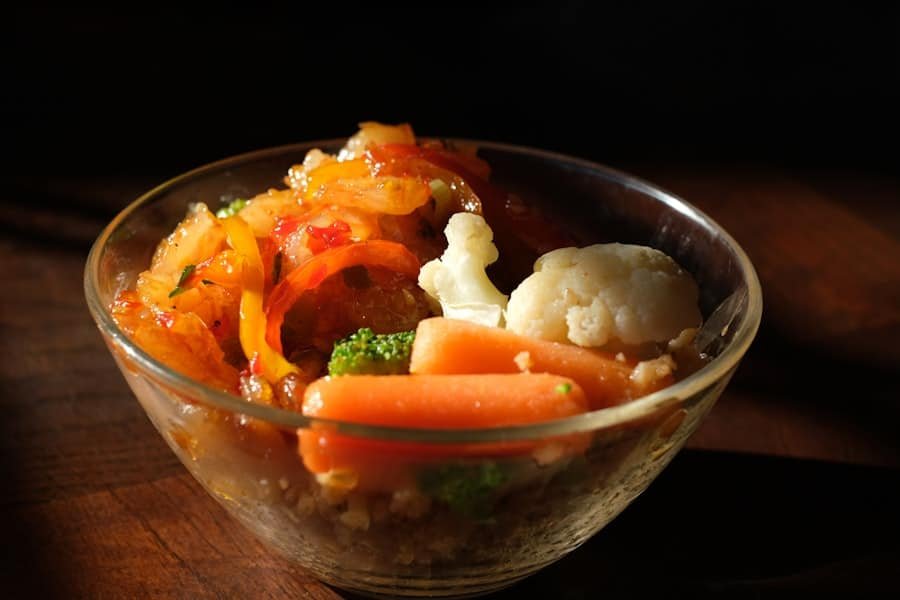
When it comes to vegetables on the keto diet, not all are created equal. While many vegetables are packed with nutrients, some contain higher levels of carbohydrates that can hinder your progress toward ketosis. As you plan your meals, prioritize low-carb options like leafy greens, broccoli, cauliflower, zucchini, and bell peppers.
These vegetables are not only low in carbs but also rich in vitamins and minerals that support overall health. Incorporating these low-carb vegetables into your diet can add variety and flavor to your meals. You might enjoy sautéing spinach with garlic for a quick side dish or roasting cauliflower with olive oil and spices for a delicious alternative to starchy sides.
By being mindful of your vegetable choices, you can enjoy a colorful plate while staying within your carb limits.
Protein Sources for Keto
Protein is an essential component of the keto diet, providing the building blocks for muscle repair and overall health. However, it’s important to choose your protein sources wisely to ensure they align with your dietary goals. Opt for high-quality proteins such as grass-fed beef, free-range poultry, wild-caught fish, and eggs.
These options not only provide ample protein but also come with healthy fats that complement your keto lifestyle. As you plan your meals, consider incorporating a variety of protein sources to keep things interesting. You might grill chicken thighs marinated in olive oil and herbs or bake salmon with lemon and dill for a flavorful dinner.
Remember that while protein is important, moderation is key; excessive protein intake can potentially kick you out of ketosis. Striking the right balance will help you maintain your desired state of fat-burning.
Healthy Fats for Keto
Healthy fats are the cornerstone of the keto diet, providing the primary source of energy for your body while keeping you satiated. When selecting fats for your meals, focus on sources that are rich in omega-3 fatty acids and monounsaturated fats. Avocados, olive oil, coconut oil, and nuts are excellent choices that not only enhance flavor but also contribute to your overall health.
Incorporating healthy fats into your meals can be both enjoyable and satisfying. You might drizzle olive oil over a fresh salad or blend avocado into a creamy smoothie for added richness. Additionally, don’t shy away from cooking with butter or ghee; these fats can elevate the taste of your dishes while aligning perfectly with your keto goals.
Embracing healthy fats will not only help you feel full but also support your body’s transition into ketosis.
Dairy Products for Keto
Dairy products can be a delicious addition to your keto diet if chosen wisely. Full-fat dairy options like cheese, heavy cream, and Greek yogurt can provide essential nutrients while keeping your carbohydrate intake low. However, it’s important to be mindful of portion sizes and opt for products that are free from added sugars or fillers.
You might find that cheese becomes a staple in your meals—whether it’s melting cheddar over a veggie omelet or enjoying a slice of brie with some low-carb crackers. Heavy cream can be used in coffee or as a base for creamy sauces that elevate your dishes without adding unnecessary carbs. By incorporating dairy thoughtfully into your diet, you can enjoy its rich flavors while staying aligned with your keto objectives.
Nuts and Seeds for Keto
Nuts and seeds are fantastic snacks that fit seamlessly into the keto lifestyle. They are nutrient-dense and provide healthy fats along with protein and fiber. However, not all nuts are created equal when it comes to carbohydrate content; some are lower in carbs than others.
Almonds, walnuts, macadamia nuts, and chia seeds are excellent choices that can satisfy your cravings without derailing your progress. You might enjoy snacking on a handful of almonds or adding chia seeds to your morning smoothie for an extra boost of nutrition. Additionally, consider making homemade nut butter by blending your favorite nuts into a creamy spread—perfect for pairing with celery sticks or using as a topping for low-carb pancakes.
By incorporating nuts and seeds into your diet mindfully, you can enjoy their crunchiness while staying within your carb limits.
Keto-Friendly Fruits
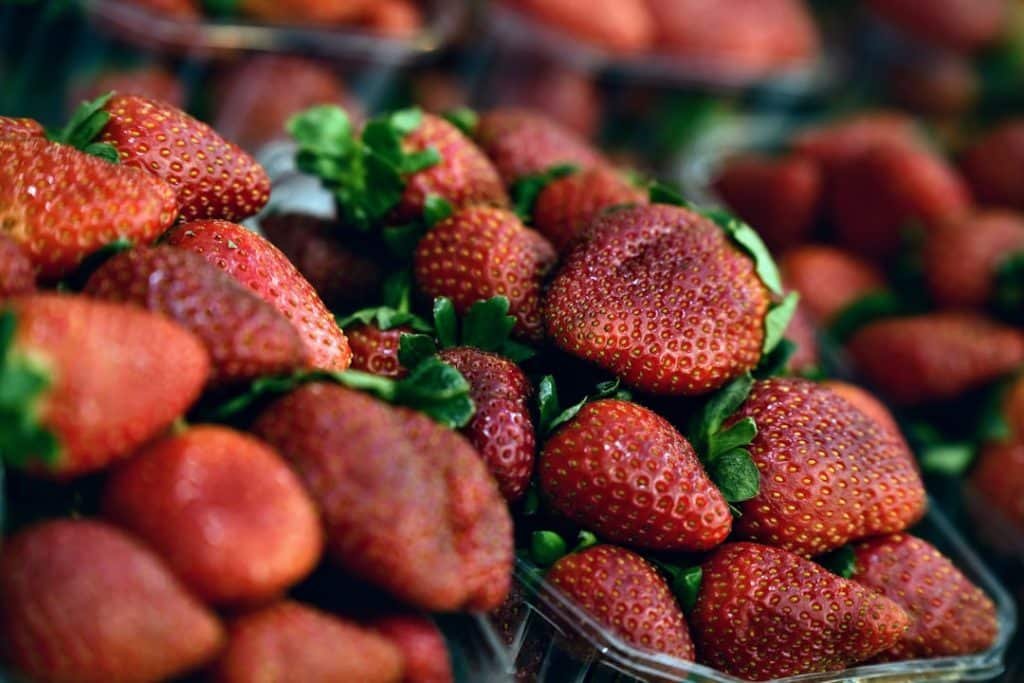
While fruits are often associated with high sugar content, there are still options that can fit into your keto lifestyle without compromising your goals. Berries such as strawberries, raspberries, and blackberries are lower in carbohydrates compared to other fruits and can be enjoyed in moderation. These fruits are not only delicious but also packed with antioxidants and vitamins that support overall health.
You might consider adding a handful of berries to your morning yogurt or blending them into a refreshing smoothie for a burst of flavor without excessive carbs. Additionally, avocados—often classified as a fruit—are an excellent choice due to their high healthy fat content and low carbohydrate levels. By being selective about the fruits you consume, you can satisfy your sweet tooth while adhering to the principles of the keto diet.
Beverages for Keto
Staying hydrated is crucial on any diet, including keto. Fortunately, there are plenty of beverage options that align with your dietary goals. Water should always be your go-to choice; however, if you’re looking for something more flavorful, consider herbal teas or black coffee—both of which are virtually carb-free and can be enjoyed without guilt.
If you’re craving something fizzy, sparkling water is an excellent alternative to sugary sodas. You might even infuse it with slices of lemon or cucumber for added flavor without any carbs. Additionally, be cautious with alcoholic beverages; while some spirits like vodka or whiskey are low in carbs, mixers often contain sugars that can hinder your progress.
By choosing beverages wisely, you can stay refreshed while remaining committed to your keto journey.
Keto-Friendly Snacks
Finding satisfying snacks on the keto diet doesn’t have to be a challenge; there are plenty of options that will keep you energized without compromising your carb limits. Consider preparing snacks ahead of time so you always have something on hand when hunger strikes. Hard-boiled eggs, cheese slices wrapped in deli meat, or celery sticks with almond butter make excellent choices that are both convenient and delicious.
You might also explore making homemade keto-friendly snacks like fat bombs—small bites made from healthy fats like coconut oil or nut butter mixed with flavorings such as cocoa powder or vanilla extract. These treats can satisfy sweet cravings while keeping you within your dietary goals. By planning ahead and being creative with your snack choices, you’ll find it easy to stay on track while enjoying tasty bites throughout the day.
Tips for Success on the Keto Diet
Embarking on the keto journey requires commitment and preparation; however, there are several tips that can help ensure your success along the way. First and foremost, meal planning is essential—taking time each week to plan out your meals will help you avoid last-minute temptations and keep you focused on your goals. Stocking up on keto-friendly ingredients will make it easier to whip up satisfying meals without reaching for high-carb options.
Additionally, consider joining online communities or local support groups where you can connect with others who share similar goals. Sharing experiences and recipes can provide motivation and inspiration as you navigate this lifestyle change together. Lastly, remember that patience is key; transitioning into ketosis may take time, but staying consistent will yield results in the long run.
By following these tips and remaining dedicated to your journey, you’ll find success on the keto diet while enjoying delicious food along the way.
FAQs
What is the keto diet?
The keto diet is a high-fat, low-carbohydrate eating plan that has been shown to help with weight loss and improve certain health conditions.
What foods can you eat on the keto diet?
Foods that are commonly eaten on the keto diet include meat, fish, eggs, high-fat dairy products, low-carb vegetables, nuts and seeds, and healthy fats like avocado and olive oil.
What foods should be avoided on the keto diet?
Foods that are high in carbohydrates, such as grains, sugar, starchy vegetables, and most fruits, should be avoided on the keto diet.
Can you eat fruits on the keto diet?
Most fruits are high in carbohydrates and are not typically eaten on the keto diet. However, small portions of berries, such as strawberries and blueberries, can be included in moderation.
Is it important to track macronutrients on the keto diet?
Yes, tracking macronutrients, specifically carbohydrates, is important on the keto diet to ensure that you are staying within the recommended range to maintain ketosis.
Are there any potential side effects of the keto diet?
Some people may experience initial side effects when starting the keto diet, such as the “keto flu,” which can include symptoms like fatigue, headache, and dizziness. It’s important to stay hydrated and ensure you are getting enough electrolytes.
Can you eat dairy on the keto diet?
Yes, high-fat dairy products like cheese, butter, and heavy cream are commonly eaten on the keto diet. However, it’s important to choose full-fat options and be mindful of the carb content.
How long does it take to see results on the keto diet?
Individual results can vary, but many people start to see weight loss and other health improvements within the first few weeks of starting the keto diet.