
The ketogenic diet, commonly referred to as the keto diet, is a low-carbohydrate, high-fat eating plan that has gained immense popularity in recent years. At its core, the keto diet aims to shift your body’s metabolism from relying on carbohydrates for energy to utilizing fats instead. This metabolic state is known as ketosis, where your body becomes highly efficient at burning fat for fuel.
By drastically reducing your carbohydrate intake and replacing it with healthy fats, you can encourage your body to enter this state, leading to various health benefits, including weight loss, improved mental clarity, and increased energy levels. As you embark on your keto journey, it’s essential to understand the fundamental principles behind this diet. Typically, a standard keto diet consists of approximately 70-75% fats, 20-25% protein, and only about 5-10% carbohydrates.
This significant reduction in carbs forces your body to adapt and find alternative energy sources. While the initial transition may be challenging, many individuals report feeling more energized and focused once they adapt to this new way of eating. The keto diet is not just a fad; it’s a lifestyle change that can lead to long-term health improvements when followed correctly.
Key Takeaways
- A Keto Diet is a low-carb, high-fat diet that helps the body burn fat more effectively.
- Approved foods in a Keto Diet include meat, poultry, fish, seafood, low-carb vegetables, healthy fats, dairy products, nuts, seeds, berries, and keto-friendly beverages.
- Meat and poultry are essential for a Keto Diet as they are high in protein and low in carbs.
- Fish and seafood are a healthy addition to a Keto Diet due to their high protein and omega-3 fatty acid content.
- Low-carb vegetables are essential for a balanced Keto Diet as they provide essential nutrients and fiber while being low in carbs.
Understanding the Role of Approved Foods in a Keto Diet
Characteristics of Approved Foods
Approved foods are those that are low in carbohydrates and high in healthy fats, allowing you to stay within the macronutrient ratios necessary for ketosis.
Embracing Variety and Enjoyment
Familiarizing yourself with these foods will empower you to make informed choices that align with your dietary objectives. Incorporating approved foods into your meals can be both enjoyable and satisfying. You’ll find that there is a wide variety of options available, from meats and fish to vegetables and healthy fats.
Avoiding Hidden Carbohydrates
However, it’s essential to be mindful of hidden carbohydrates in certain foods, such as sauces or dressings that may contain sugars or starches. By focusing on whole, unprocessed foods and reading labels carefully, you can ensure that you’re sticking to the principles of the keto diet while still enjoying delicious meals.
Meat and Poultry: The Cornerstones of a Keto Diet
Meat and poultry are often considered the cornerstones of a successful keto diet. These protein-rich foods are not only low in carbohydrates but also provide essential nutrients that support overall health. When you include meats like beef, pork, chicken, and turkey in your meals, you’re not only satisfying your hunger but also fueling your body with high-quality protein that helps maintain muscle mass during weight loss.
Choosing fatty cuts of meat can further enhance your keto experience. Cuts like ribeye steak or chicken thighs are excellent options because they contain higher fat content, which aligns perfectly with the high-fat requirements of the diet. Additionally, incorporating organ meats such as liver can provide a wealth of vitamins and minerals that are often lacking in modern diets.
As you explore different cooking methods—grilling, roasting, or slow-cooking—you’ll discover that meat and poultry can be both versatile and delicious while keeping you on track with your keto goals.
Fish and Seafood: A Healthy Addition to a Keto Diet
Fish and seafood are not only delicious but also offer numerous health benefits that make them an excellent addition to your keto diet. Rich in omega-3 fatty acids, fish like salmon, mackerel, and sardines can help reduce inflammation and support heart health. These healthy fats are essential for maintaining ketosis while providing your body with vital nutrients that promote overall well-being.
Incorporating seafood into your meals can also add variety to your diet. Whether you enjoy grilled shrimp skewers or a hearty fish stew, there are countless ways to prepare these nutrient-dense foods. Additionally, seafood is typically low in carbohydrates, making it an ideal choice for those following a keto lifestyle.
As you experiment with different types of fish and seafood, you’ll find that they can be both satisfying and beneficial for your health.
Low-Carb Vegetables: Essential for a Balanced Keto Diet
While the keto diet emphasizes high-fat foods, it’s important not to overlook the role of low-carb vegetables in maintaining a balanced approach. Vegetables such as spinach, kale, broccoli, and zucchini are packed with vitamins, minerals, and fiber while being low in carbohydrates. Including these nutrient-dense options in your meals can help ensure that you’re getting the essential nutrients your body needs while staying within your carb limits.
Incorporating low-carb vegetables into your diet doesn’t have to be boring. You can enjoy them raw in salads, sautéed with garlic and olive oil, or blended into smoothies for added nutrition. The key is to be creative with your cooking methods and explore different flavor combinations.
By making low-carb vegetables a staple in your meals, you’ll not only enhance the nutritional value of your diet but also add color and variety to your plate.
Healthy Fats: The Key to Success on a Keto Diet
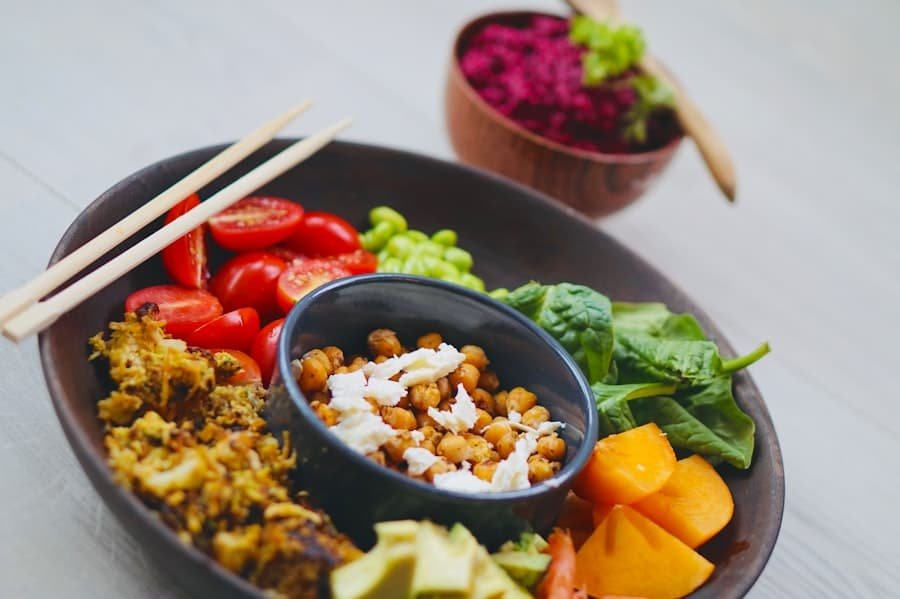
Healthy fats are the cornerstone of the keto diet and play a crucial role in achieving success on this eating plan. Unlike traditional diets that often demonize fats, the keto approach embraces them as a primary source of energy. Foods such as avocados, olive oil, coconut oil, and nuts provide essential fatty acids that support brain function and hormone production while keeping you satiated.
Incorporating healthy fats into your meals can be both enjoyable and satisfying. You might drizzle olive oil over roasted vegetables or blend avocado into smoothies for creaminess. The versatility of healthy fats allows you to experiment with different flavors and textures while ensuring that you’re meeting your dietary goals.
As you become more comfortable with this way of eating, you’ll likely find that healthy fats become an integral part of your daily routine.
Dairy Products: Finding the Right Balance on a Keto Diet
Dairy products can be a delicious addition to your keto diet when chosen wisely. Full-fat options like cheese, heavy cream, and Greek yogurt can provide essential nutrients while keeping carbohydrate intake low. However, it’s important to be mindful of portion sizes and choose products that align with your dietary goals.
Some dairy products may contain added sugars or carbohydrates that could hinder your progress. When incorporating dairy into your meals, consider experimenting with different types of cheese or using heavy cream in recipes for added richness. You might enjoy cheese as a snack or use it as a topping for salads or casseroles.
By finding the right balance with dairy products, you can enjoy their creamy goodness while staying on track with your keto lifestyle.
Nuts and Seeds: The Perfect Snack for a Keto Diet
Nuts and seeds are often hailed as the perfect snack for those following a keto diet due to their high-fat content and low carbohydrate levels. Options like almonds, walnuts, chia seeds, and flaxseeds provide healthy fats along with fiber and protein, making them an excellent choice for satisfying hunger between meals. These nutrient-dense snacks can help keep you feeling full while providing essential nutrients that support overall health.
Incorporating nuts and seeds into your diet can be both easy and enjoyable. You might sprinkle chia seeds on top of yogurt or blend nuts into smoothies for added texture. Additionally, they can serve as a crunchy topping for salads or roasted vegetables.
As you explore different varieties of nuts and seeds, you’ll discover new flavors and textures that can enhance your meals while keeping you aligned with your keto goals.
Berries: The Sweet Side of a Keto Diet
While many fruits are high in sugar and carbohydrates, berries stand out as a sweet yet keto-friendly option. Fruits like strawberries, raspberries, blackberries, and blueberries are lower in carbs compared to other fruits while still providing essential vitamins and antioxidants. Incorporating berries into your diet allows you to satisfy your sweet tooth without derailing your progress on the keto diet.
You can enjoy berries in various ways—whether blended into smoothies, added to yogurt or salads, or simply eaten fresh as a snack. Their vibrant colors and natural sweetness make them an appealing addition to any meal or dessert. By including berries in moderation within your keto plan, you can enjoy their delightful taste while reaping their health benefits.
Beverages: Staying Hydrated and Keto-Friendly
Staying hydrated is crucial on any diet, including the keto lifestyle. While water should be your primary beverage choice, there are plenty of other options that can complement your keto journey without adding unnecessary carbohydrates. Herbal teas, black coffee, and sparkling water are all excellent choices that can keep you refreshed while adhering to your dietary goals.
When choosing beverages, it’s important to avoid sugary drinks like sodas or fruit juices that can quickly increase your carbohydrate intake. Instead, consider infusing water with slices of lemon or cucumber for added flavor without the carbs. By being mindful of your beverage choices, you can ensure that you’re staying hydrated while remaining committed to your keto lifestyle.
Sweeteners: Finding the Right Options for a Keto Diet
Finding suitable sweeteners is essential for those following a keto diet who still want to enjoy sweet flavors without compromising their carbohydrate intake. Many traditional sweeteners are high in sugar and can disrupt ketosis; however, there are several low-carb alternatives available that can satisfy your sweet tooth without derailing your progress. Options like stevia, erythritol, and monk fruit extract provide sweetness without the calories or carbs associated with sugar.
When using sweeteners in recipes or beverages, it’s important to experiment with different types to find what works best for you. Some sweeteners may have distinct flavors or aftertastes that may not appeal to everyone. By exploring various options and understanding how they interact with different foods, you can find the perfect balance that allows you to enjoy sweetness while staying true to your keto lifestyle.
In conclusion, embracing the keto diet involves understanding its principles and making informed choices about the foods you consume. By focusing on approved foods such as meats, fish, low-carb vegetables, healthy fats, dairy products, nuts and seeds, berries, beverages, and sweeteners, you can create delicious meals that support your health goals while enjoying the benefits of this unique dietary approach. As you navigate this journey, remember that variety is key; experimenting with different ingredients will keep your meals exciting and satisfying while helping you achieve lasting success on the keto diet.
FAQs
What are keto diet approved foods?
Keto diet approved foods are those that are low in carbohydrates and high in healthy fats. These include meats, fish, eggs, low-carb vegetables, nuts and seeds, and healthy oils.
What meats are approved on a keto diet?
Meats that are approved on a keto diet include beef, pork, lamb, chicken, turkey, and other poultry. Processed meats such as bacon, sausage, and deli meats should be consumed in moderation due to their potential high sodium and preservative content.
What fish and seafood are approved on a keto diet?
Fish and seafood that are approved on a keto diet include salmon, trout, tuna, mackerel, shrimp, crab, and other shellfish. These are high in healthy fats and low in carbohydrates.
What low-carb vegetables are approved on a keto diet?
Low-carb vegetables that are approved on a keto diet include leafy greens such as spinach, kale, and lettuce, as well as broccoli, cauliflower, zucchini, and bell peppers. These vegetables are high in fiber and nutrients while being low in carbohydrates.
What nuts and seeds are approved on a keto diet?
Nuts and seeds that are approved on a keto diet include almonds, walnuts, chia seeds, flaxseeds, and pumpkin seeds. These are high in healthy fats and low in carbohydrates, making them a great snack option for those on a keto diet.
What healthy oils are approved on a keto diet?
Healthy oils that are approved on a keto diet include olive oil, coconut oil, avocado oil, and MCT oil. These oils are high in healthy fats and can be used for cooking, salad dressings, and other culinary uses on a keto diet.