Are you ready to embark on a journey towards a healthier lifestyle? Look no further than the keto diet! Whether you’re seeking sustainable weight loss or hoping to improve your overall well-being, the keto diet is a proven method that can help you achieve your goals. In this article, you’ll find a comprehensive guide that’s perfect for keto diet beginners. Get ready to learn about the basics, the benefits, and how to get started on this transformative dietary approach. Say goodbye to restrictive diets and hello to a delicious and satisfying way of eating that will leave you feeling energized and empowered.
Choosing the Right Plan
Assessing your health goals
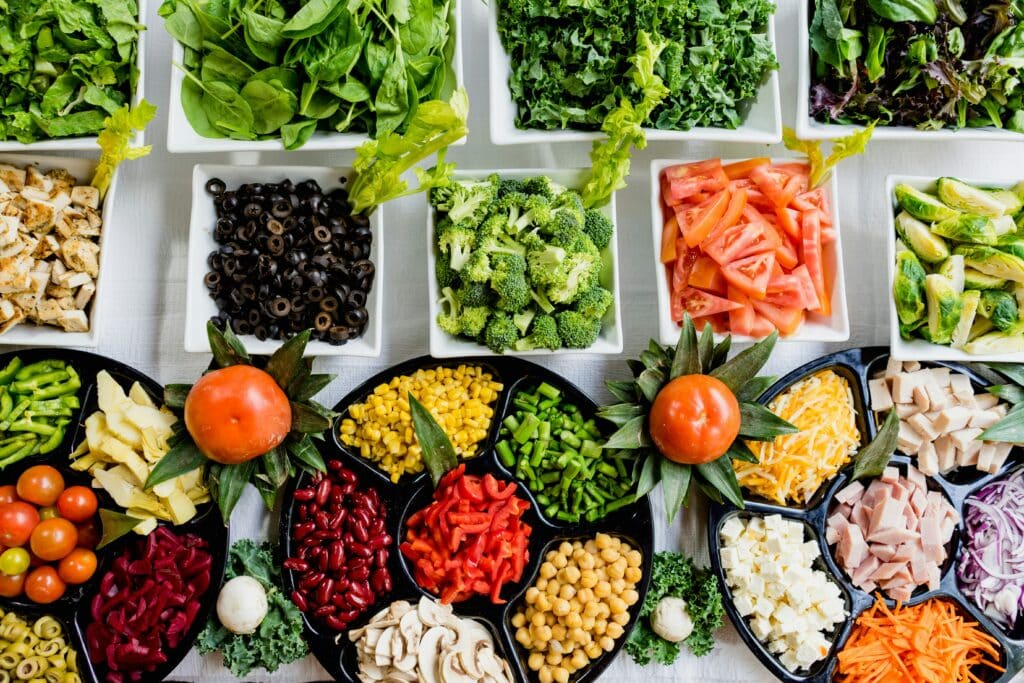
When embarking on a keto diet journey, it’s important to first assess your health goals. Are you trying to lose weight, improve your energy levels, or manage a specific health condition? Understanding your objective will help you choose the right keto plan that aligns with your goals. Whether you’re looking for a strict or flexible approach, there are various types of keto plans to explore.
Understanding the different keto plans
There are several variations of the keto diet, each with its own specific guidelines and macronutrient ratios. The Standard Ketogenic Diet (SKD) is the most common, emphasizing high fat, moderate protein, and low carbohydrate intake. The Cyclical Ketogenic Diet (CKD) involves periods of higher carb consumption, typically targeted around intense workouts. The Targeted Ketogenic Diet (TKD) allows for small carb intake before or after exercise. Lastly, the High-Protein Ketogenic Diet focuses on higher protein intake to support muscle growth. Understanding these different plans will help you decide which one resonates with your lifestyle and nutritional needs.
Consulting with a healthcare professional
Before diving into any diet, it’s crucial to consult with a healthcare professional, especially if you have any pre-existing health conditions or concerns. They can assess your individual situation and provide personalized guidance on how the keto diet may impact your health. Additionally, they can help monitor your progress and make any necessary adjustments along the way.
Setting realistic expectations
While the keto diet can yield significant results for many, it’s important to set realistic expectations. Everyone’s body responds differently, and factors such as genetics, metabolism, and adherence to the diet can influence outcomes. It’s essential to focus on progress rather than perfection and understand that sustainable results may take time. By setting realistic goals, you’ll be better equipped to stay motivated and committed to your keto journey.
Getting to Know the Basics
Understanding ketosis
To fully comprehend the keto diet, it’s crucial to understand the concept of ketosis. Ketosis is a metabolic state in which your body starts using ketones, derived from fat breakdown, as its primary source of fuel instead of glucose. This shifts your body from relying on carbohydrates to burning stored fat for energy. By restricting carbohydrate intake, you can induce ketosis and initiate fat loss.
Learning about macronutrients
Macronutrients, also known as macros, are the three main components of our diet: carbohydrates, proteins, and fats. On a keto diet, you’ll be focusing on high-fat, moderate-protein, and low-carbohydrate foods. This distribution encourages your body to enter into ketosis. By familiarizing yourself with the ideal macronutrient ratios for your chosen keto plan, you can ensure you’re consuming the right balance of nutrients to support ketosis and meet your health goals.
Identifying foods to avoid
The key to a successful keto diet lies in knowing which foods to avoid. Highly processed and sugary foods are at the top of the list, as they are rich in carbohydrates. This means bid farewell to sugary treats, bread, pasta, rice, and most fruits. Additionally, starchy vegetables like potatoes and high-carb condiments should be limited. By understanding which foods to steer clear of, you can effectively transition into the keto lifestyle and maintain ketosis.
Identifying foods to include
While some foods are off-limits on a keto diet, there are plenty of delicious options that you can include in your daily meals. Healthy fats, such as avocado, olive oil, and coconut oil, are essential for reaching your recommended fat intake. Meats, fish, and eggs provide a good source of protein while keeping carbs low. Leafy greens, cruciferous vegetables, and nuts are excellent sources of fiber, essential vitamins, and minerals. Prioritizing these food groups will ensure you’re getting a variety of nutrients while staying within your keto limits.
Planning Your Meals
Calculating your macronutrient needs
Before diving into meal planning, it’s important to calculate your macronutrient needs. This involves determining the ideal ratio of fats, proteins, and carbohydrates for your specific goals. Online calculators and keto-specific apps can help simplify this process by taking into account factors like your age, weight, activity level, and desired calorie deficit or surplus. By knowing your macronutrient requirements, you can tailor your meals and snacks accordingly.
Creating a meal plan
Once you know your macronutrient needs, it’s time to create a meal plan. A well-thought-out meal plan will help you stay on track and prevent impulsive food choices. Start by listing the main components of each meal and ensure they adhere to your planned macronutrient ratios. Include a variety of proteins, healthy fats, and low-carb vegetables in each meal. Having a structured meal plan also makes grocery shopping and meal preparation more efficient.

Meal prepping for success
Meal prepping is a game-changer when following a keto diet, as it ensures you have healthy meals readily available, even on busy days. Dedicate a specific day or time each week to prep and cook your meals in bulk. Portion them out into individual containers, making it easy to grab a nutritious keto meal whenever hunger strikes. By meal prepping, you can eliminate the temptation of reaching for carb-heavy convenience foods and stay consistent with your keto lifestyle.
Incorporating intermittent fasting
Intermittent fasting can be a useful strategy to complement your keto diet. It involves alternating periods of fasting and eating within a specified window of time. Fasting enhances ketosis by depleting glycogen stores and forcing your body to rely on fat for energy. Start slowly by gradually increasing your fasting window over time. Experiment with different fasting protocols, such as the 16/8 method (16 hours of fasting and an 8-hour eating window), to find the approach that suits you best.
Navigating Grocery Shopping
Reading food labels
When grocery shopping on a keto diet, reading food labels becomes essential. Familiarize yourself with the necessary information on food labels, such as carbohydrate content, serving size, and ingredient lists. Pay particular attention to hidden sources of sugar, as some foods may have sneaky aliases for added sugars. By being an informed shopper, you can confidently select keto-friendly products that align with your dietary needs.
Choosing keto-friendly foods
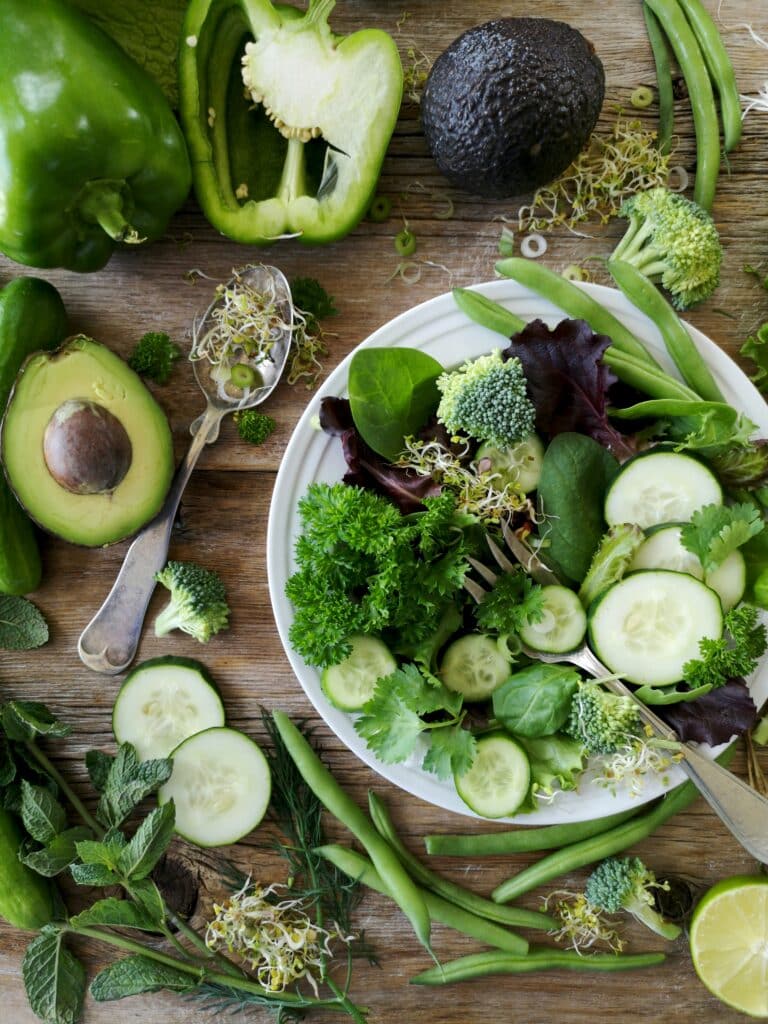
To make grocery shopping more manageable, it’s helpful to have a list of keto-friendly foods to guide you. Focus on the perimeter of the store, where fresh produce, meat, and dairy products are typically located. Include low-carb vegetables, such as broccoli, cauliflower, and spinach, as well as lean proteins like chicken, beef, and fish. Opt for full-fat dairy options and incorporate healthy fats like nuts, avocados, and olive oil. Stock up on keto pantry staples like almond flour and coconut oil to support your cooking and baking endeavors.
Smart grocery shopping tips
Navigating the grocery store can be overwhelming, but with a few smart shopping tips, you’ll become a keto shopping pro in no time. Before heading to the store, make a list and stick to it to avoid impulse purchases. Plan your shopping trip during off-peak hours to minimize crowds and wait times. If possible, opt for local farmer’s markets or specialty stores to find fresh, organic produce that caters to your dietary preferences. By implementing these strategies, you can streamline your shopping experience and ensure you bring home keto-friendly options.
Shopping on a budget
Contrary to popular belief, following a keto diet doesn’t have to break the bank. With a bit of planning and a few budget-friendly strategies, you can maintain your keto lifestyle without emptying your wallet. Focus on cost-effective protein sources like canned tuna, eggs, and chicken thighs. Buy vegetables that are in season, as they tend to be more affordable and fresher. Opt for frozen vegetables and buy in bulk when there are discounts. Additionally, compare prices across different brands and stores to find the best deals. With a mindful approach to budgeting, keto can be accessible to all.
Mastering Keto-Friendly Cooking
Stocking your kitchen with essentials
To master keto-friendly cooking, it’s important to have a well-stocked kitchen filled with essentials. Start by ensuring you have plenty of healthy fats on hand, such as coconut oil, ghee, and avocado oil. Stock up on a variety of spices and herbs to add flavor to your dishes without relying on high-carb sauces or seasonings. Don’t forget to have an ample supply of low-carb sweeteners, as well as baking ingredients like almond flour and coconut flour for keto-friendly desserts and treats. By having these basics on hand, you’ll be ready to unleash your culinary creativity while staying true to your keto lifestyle.
Exploring keto-friendly recipes
Looking for keto-friendly recipes is an excellent way to keep your meals exciting and varied. With countless resources available online, you’re bound to find recipes that cater to your taste preferences and dietary restrictions. Experiment with new flavors and ingredients to keep your palate engaged. From delicious fat bombs to mouthwatering keto pizza, there are endless possibilities to explore. Consider investing in a few keto cookbooks to have a reliable source of inspiration and guidance right at your fingertips.
Meal prep tips and tricks
Meal prepping isn’t just about preparing meals in advance; it’s also about optimizing your time and effort in the kitchen. To streamline your meal prep process, start by planning your meals for the week, including breakfast, lunch, dinner, and snacks. Focus on batch cooking, where you prepare multiple servings of a particular dish that can be portioned out for future meals. Invest in quality food storage containers that are both microwave and freezer-safe. Label each container with the meal and date to stay organized. By implementing these meal prep tips and tricks, you can effortlessly maintain your keto lifestyle.
Avoiding common cooking mistakes
Even the most seasoned cooks can make mistakes in the kitchen. When following a keto diet, it’s crucial to be aware of common cooking pitfalls that can sabotage your progress. One common mistake is using excessive amounts of oil or butter, dramatically increasing the calorie content of a dish. Be mindful of portion sizes and use fats sparingly to stay within your recommended calorie intake. Additionally, keep an eye on hidden sources of carbs, such as condiments and sauces. Always read labels and opt for low-carb alternatives whenever possible. By avoiding these cooking mistakes, you ensure your keto journey stays on track.
Managing Keto Flu

Understanding keto flu symptoms
The keto flu is a common side effect that some individuals experience when starting a keto diet. It’s a collection of symptoms that may include fatigue, headache, dizziness, brain fog, and irritability. These symptoms typically arise within the first few days or weeks as your body adjusts to ketosis. While not everyone experiences the keto flu, understanding its symptoms can prepare you in case they arise.
Preventing and alleviating keto flu
Thankfully, there are steps you can take to prevent or alleviate the symptoms of keto flu. Firstly, ensure you’re properly hydrated by drinking plenty of water and electrolyte-rich fluids. Supplementing with electrolytes, particularly sodium, potassium, and magnesium, can also help restore balance in your body. Gradually easing into the keto diet by slowly reducing your carbohydrate intake can minimize the severity of keto flu symptoms. Lastly, make sure you’re consuming enough calories and getting adequate rest to support your body through the transition into ketosis.
Hydration and electrolyte balance
Hydration and electrolyte balance play a crucial role in managing keto flu symptoms. When your body enters ketosis, it tends to excrete more water and minerals, leading to dehydration and potential electrolyte imbalances. To combat this, increase your water intake and incorporate hydrating beverages like herbal teas and sugar-free electrolyte drinks. Additionally, replenishing electrolytes through supplements or consuming electrolyte-rich foods, such as avocado, leafy greens, and bone broth, can help maintain the delicate balance necessary for overall wellness.
Supporting overall wellness
Alongside managing keto flu symptoms, it’s important to prioritize your overall wellness throughout your keto journey. Ensure you’re getting enough sleep, as a well-rested body is better equipped to handle any challenges that arise. Engage in stress-reducing activities like meditation, yoga, or deep breathing exercises to support mental and emotional well-being. Regular exercise, tailored to your energy levels and fitness level, is also beneficial for overall health. By taking a holistic approach to wellness, you’ll thrive on your keto diet while minimizing potential setbacks.
Staying Consistent and Accountable
Tracking your progress
To stay consistent and accountable on your keto journey, tracking your progress is essential. Thoroughly record your daily food intake, including portion sizes and macronutrient breakdowns. There are various apps and online tools available to help make this process more convenient. Additionally, keep track of your weight, body measurements, and any noticeable changes in energy levels or overall well-being. By monitoring your progress, you can make necessary adjustments and remain motivated as you see your achievements unfold.
Maintaining a food diary
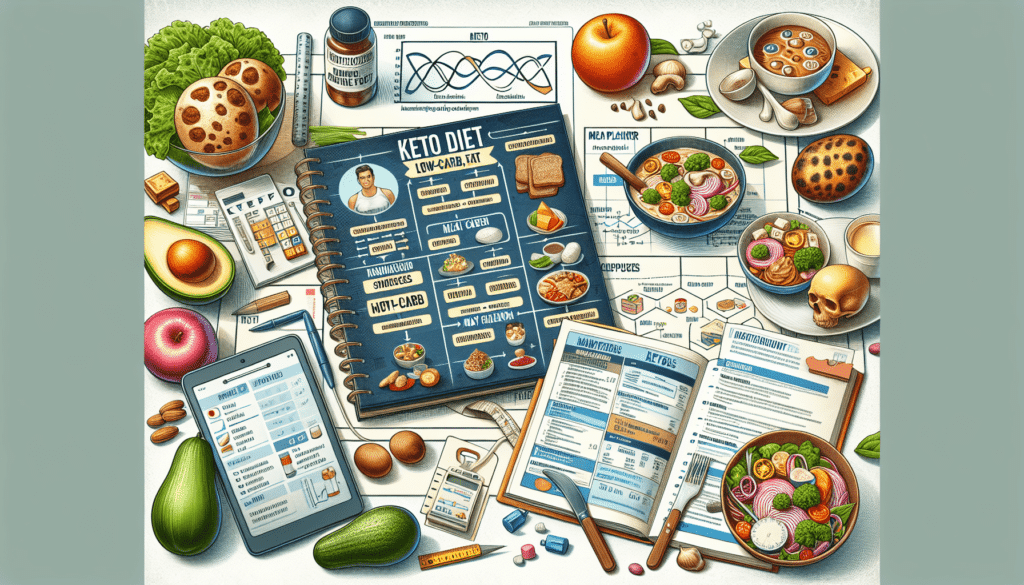
In addition to tracking your progress, maintaining a food diary can be a helpful tool for success on the keto diet. A food diary allows you to reflect on your daily choices, identify patterns, and assess your adherence to your macronutrient goals. It can reveal any hidden sources of carbs that might be hindering your progress. Moreover, a food diary helps you become more mindful of your food choices and promotes self-accountability.
Supporting yourself with Keto communities
Embarking on a keto diet can sometimes feel like a solitary journey, but it doesn’t have to be. Seeking support from keto communities, whether online or in-person, can provide invaluable advice, inspiration, and motivation. Joining social media groups, online forums, or participating in local meetups allows you to connect with like-minded individuals who share similar goals and challenges. Surrounding yourself with a supportive community fosters an environment of encouragement and shared knowledge, enhancing your chances of long-term success.
Finding a diet buddy or accountability partner
If you prefer a more personal approach, finding a diet buddy or accountability partner can be highly beneficial. Choose someone who is also committed to a keto lifestyle or someone who supports your goals. Regular communication, whether through daily check-ins or weekly progress reports, helps keep both parties accountable and motivated. Sharing challenges, successes, and recipe ideas can make the journey more enjoyable and alleviate any feelings of isolation. By partnering up, you’ll have a dedicated ally who understands the ins and outs of the keto diet.
Dealing with Common Challenges
Overcoming carb cravings
One of the most common challenges on a keto diet is overcoming carb cravings. As your body adjusts to burning fat for fuel instead of carbs, it’s natural to experience cravings for familiar comfort foods. To overcome these cravings, ensure you’re consuming a variety of filling keto-friendly meals that include healthy fats, proteins, and low-carb vegetables. Stay hydrated, as dehydration can often mimic hunger. Integrate keto-friendly snacks, like nuts or cheese, to satisfy cravings while staying within your macronutrient goals. Over time, as your body adapts to ketosis, you may find that cravings diminish.
Coping with social situations
Social situations can sometimes pose challenges on a keto diet, particularly when it comes to shared meals or gatherings. It’s important to communicate your dietary restrictions or preferences to friends and family to avoid any misunderstandings. Offer to bring a keto-friendly dish to share at potlucks or parties. When dining out, review menus in advance and select keto-friendly options or ask for modifications. Remember, your health and well-being are a priority, and there’s no shame in prioritizing your dietary choices in social situations.
Eating out on the keto diet
Eating out doesn’t have to be a daunting experience while following a keto diet. With a few strategies in mind, you can enjoy restaurant meals while staying true to your nutritional goals. Opt for dishes centered around protein, such as grilled chicken or salmon, and ask for low-carb sides like steamed vegetables or a salad. Request sauces and dressings on the side to control the quantity and avoid hidden sugars. Don’t be afraid to ask for substitutions or modifications to tailor the meal to your dietary needs. With a bit of confidence and clear communication, you can navigate restaurant menus with ease.
Addressing concerns about nutrient deficiencies
One concern often raised about the keto diet is the potential for nutrient deficiencies due to its restrictive nature. While carb-heavy foods are typically rich in vitamins and minerals, a well-planned keto diet can provide all the necessary nutrients. Prioritize nutrient-dense vegetables and low-carb fruits to meet your vitamin and mineral needs. Incorporate a variety of protein sources to ensure adequate essential amino acids. Consider adding high-quality supplements, such as a multivitamin or omega-3 fatty acids, to fill any nutritional gaps. Regular blood work and check-ups with your healthcare professional can also help monitor your nutrient levels.
Exercise and the Keto Diet
Understanding the role of exercise
Exercise plays a vital role in any healthy lifestyle, and the keto diet is no exception. While exercise itself doesn’t directly induce ketosis, it offers a myriad of benefits, including enhanced weight loss, improved cardiovascular health, increased muscle strength, and enhanced mood. Regular physical activity boosts metabolism, increases insulin sensitivity, and promotes overall well-being. By incorporating exercise into your keto journey, you’ll maximize the benefits of both a healthy diet and an active lifestyle.
Choosing the right workouts
When it comes to choosing workouts on a keto diet, consider activities that align with your fitness level, preferences, and goals. Low to moderate-intensity aerobic exercises, such as walking, jogging, or cycling, are excellent for fat burning. High-intensity interval training (HIIT) is an efficient way to burn calories and improve cardiovascular fitness. Strength training and resistance exercises help build lean muscle mass and boost metabolism. Aim for a combination of cardiovascular exercises, strength training, and flexibility exercises to achieve a well-rounded fitness routine.
Fueling your body for exercise
To optimize your exercise performance while on a keto diet, proper fueling is essential. Pre-workout nutrition should focus on consuming an easily digestible source of protein and a small amount of healthy fats to provide sustained energy. Consider a protein shake with added MCT oil or a handful of nuts to fuel your workout. Post-workout, prioritize protein intake to aid in muscle repair and recovery. Lean meats, fish, eggs, or a quality protein shake will help replenish your energy stores.
Monitoring your energy levels
While your body adapts to using fat as its primary fuel source, it’s common to experience fluctuations in energy levels during a keto diet. Pay attention to how your body responds to different types and intensities of exercise. If you notice a decrease in energy or endurance, consider adjusting your macronutrient ratios or timing of meals to better support your physical activity. Additionally, be mindful of ensuring you’re getting enough quality sleep and managing stress levels, as these can also impact your overall energy reserves.
Sustaining Long-Term Success
Gradual transition to a balanced diet
Although the keto diet can yield impressive results in the short term, sustaining long-term success often involves transitioning to a more balanced approach. Gradually reintroduce healthier sources of carbohydrates into your diet, such as whole grains, legumes, and fruits. Opt for nutrient-dense foods that provide a wide array of vitamins, minerals, and fiber. This gradual transition allows you to find a sustainable balance that supports your health goals while still enjoying a diverse range of foods.
Periodic reassessment and adjustments
Periodic reassessment and adjustments are essential for maintaining long-term success on a keto diet. Health goals, lifestyle factors, and personal preferences can change over time, warranting adjustments in your dietary approach. Revisit your macronutrient ratios, fitness routine, and overall wellness strategies regularly. Seek guidance from healthcare professionals, nutritionists, or dietitians, who can help you fine-tune your plan based on individual needs. By periodically reassessing and making necessary adjustments, you’ll ensure continued progress and enjoyment of the keto lifestyle.
Finding a sustainable lifestyle
Finding a sustainable lifestyle includes not only following a healthy eating plan but also incorporating self-care practices and stress management techniques. Prioritize sleep, as quality rest is critical for overall well-being and weight management. Engage in activities that promote relaxation, such as meditation, yoga, or spending time in nature. Foster positive relationships and surround yourself with a supportive network. By creating a sustainable lifestyle that supports your physical and emotional health, you’ll enhance your chances of long-term success on the keto diet.
Building a positive relationship with food
Building a positive relationship with food is essential for lasting success on any dietary plan. Focus on nourishing your body with whole, unprocessed foods. Avoid labeling foods as “good” or “bad,” as this can create an unhealthy mindset. Listen to your body’s hunger and fullness cues, and eat mindfully, savoring every bite. Allow yourself occasional indulgences without guilt or judgment. By developing a positive, balanced approach to food, you’ll foster a harmonious relationship that supports not only your keto journey but also your overall well-being.
As you embark on your keto diet journey, remember to assess your health goals, understand the different keto plans, consult with a healthcare professional, and set realistic expectations. Learn about ketosis, macronutrients, and the foods to include and avoid. Plan your meals, navigate grocery shopping, and master keto-friendly cooking. Take care of your body during the transition and manage keto flu symptoms. Stay consistent and accountable by tracking progress, maintaining a food diary, and seeking support. Overcome common challenges, incorporate exercise, and sustain long-term success by gradually transitioning to a balanced diet and prioritizing overall wellness. Building a positive relationship with food will ensure a sustainable lifestyle that brings you joy and health. Happy keto journey!