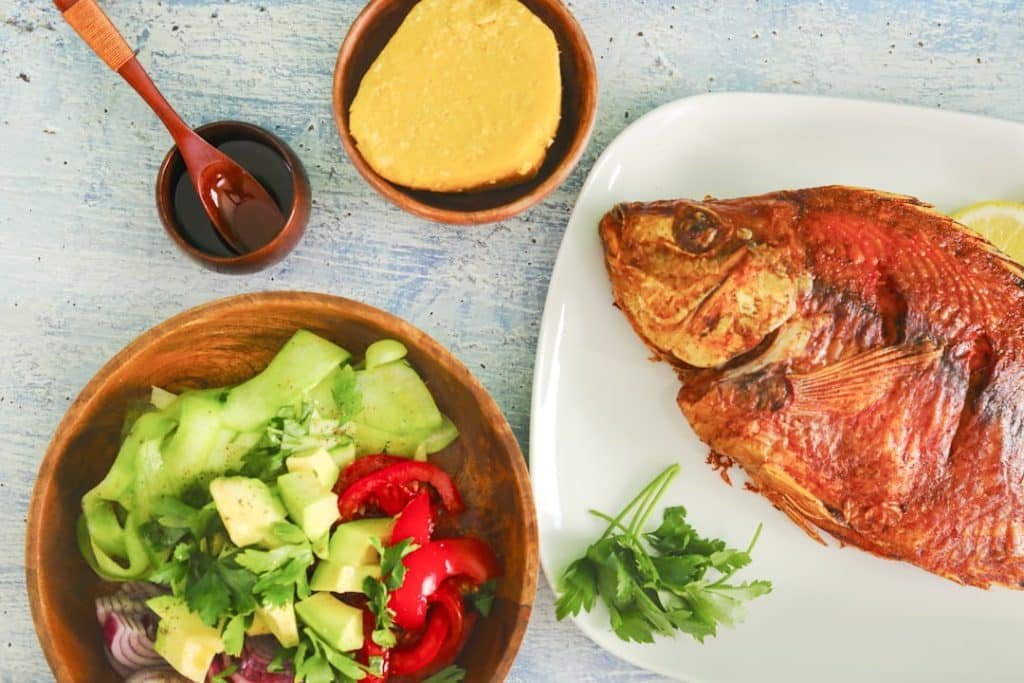
A High Protein Keto Diet is a nutritional approach that combines the principles of a ketogenic diet with an increased intake of protein. The ketogenic diet itself is characterized by a significant reduction in carbohydrates, typically to about 5-10% of total caloric intake, while increasing fats to around 70-80% and moderating protein to about 20-25%. However, in a high protein variation, the protein intake is elevated, often comprising 30-40% of total calories.
This shift aims to promote muscle preservation and satiety while still maintaining the metabolic state of ketosis, where the body burns fat for fuel instead of carbohydrates. The primary goal of this diet is to encourage the body to enter ketosis while ensuring that muscle mass is preserved or even increased. This is particularly beneficial for individuals who are physically active or looking to lose weight without sacrificing lean muscle.
By increasing protein intake, the diet can help mitigate some of the common concerns associated with traditional ketogenic diets, such as muscle loss and decreased energy levels during workouts. The high protein content also aids in appetite control, making it easier for individuals to adhere to their dietary goals.
Key Takeaways
- A high protein keto diet is a variation of the traditional keto diet that emphasizes higher protein intake while still maintaining low carb and high fat consumption.
- Benefits of a high protein keto diet may include increased muscle mass, improved satiety, and better weight management.
- To start a high protein keto diet, focus on incorporating lean protein sources, healthy fats, and low-carb vegetables into your meals while minimizing carb intake.
- Foods to eat on a high protein keto diet include lean meats, fish, eggs, dairy products, nuts, seeds, and low-carb vegetables.
- Foods to avoid on a high protein keto diet typically include high-carb foods such as grains, starchy vegetables, sugary treats, and processed snacks.
Benefits of a High Protein Keto Diet
Weight Loss and Lean Muscle Mass
One of the most significant benefits of a High Protein Keto Diet is its potential for weight loss. By drastically reducing carbohydrate intake and increasing protein consumption, the body is encouraged to utilize fat stores for energy. This metabolic shift not only promotes fat loss but also helps in maintaining lean muscle mass, which is crucial for long-term weight management.
Increased Fullness and Improved Physical Performance
Studies have shown that higher protein diets can lead to greater feelings of fullness, reducing overall caloric intake and making it easier to stick to a weight loss plan. Additionally, a High Protein Keto Diet can enhance physical performance and recovery. For athletes and fitness enthusiasts, adequate protein intake is essential for muscle repair and growth.
Improved Body Composition and Enhanced Muscle Recovery
The combination of low carbohydrates and high protein can lead to improved body composition, as individuals may experience a reduction in body fat while preserving or even building muscle. This is particularly advantageous for those engaged in resistance training or high-intensity workouts, where muscle recovery is paramount.
How to Start a High Protein Keto Diet
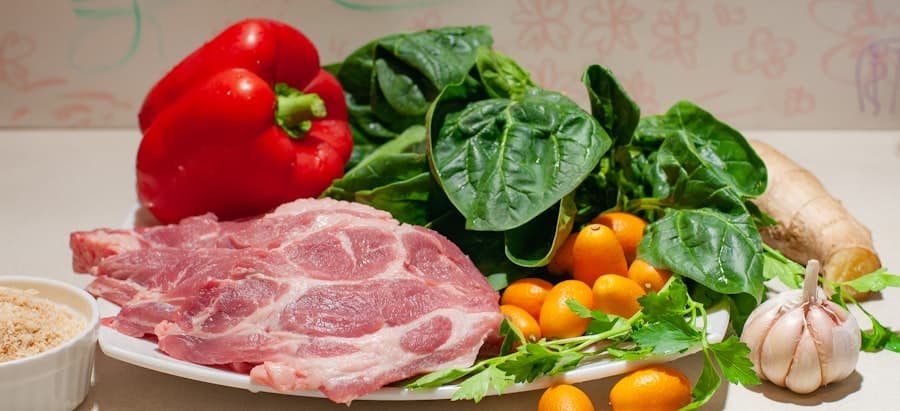
Starting a High Protein Keto Diet involves several key steps that require careful planning and consideration. First, it’s essential to calculate your macronutrient needs based on your individual goals, activity level, and body composition. A common starting point might be to aim for approximately 30-40% of your daily calories from protein, 60-70% from fats, and only 5-10% from carbohydrates.
Utilizing online calculators or consulting with a nutritionist can help tailor these ratios to your specific needs. Once you have established your macronutrient goals, the next step is to create a meal plan that aligns with these targets. This involves selecting high-quality protein sources such as lean meats, fish, eggs, and dairy products while incorporating healthy fats from sources like avocados, nuts, seeds, and olive oil.
It’s also crucial to plan for low-carbohydrate vegetables that can provide essential nutrients without exceeding your carb limits. Keeping a food diary or using tracking apps can be beneficial in monitoring your intake and ensuring you stay within your desired macronutrient ratios.
Foods to Eat on a High Protein Keto Diet
When embarking on a High Protein Keto Diet, selecting the right foods is vital for achieving success. Protein-rich foods should be at the forefront of your diet. Options such as chicken breast, turkey, lean cuts of beef, pork loin, and fish like salmon or tuna are excellent choices.
Eggs are also a versatile and nutrient-dense option that can be prepared in various ways. Dairy products like Greek yogurt and cottage cheese can provide additional protein while offering healthy fats if you choose full-fat versions. In addition to protein sources, healthy fats play a crucial role in this diet.
Incorporating avocados, olive oil, coconut oil, and nuts can help meet your fat requirements while providing essential fatty acids. Low-carb vegetables such as spinach, kale, broccoli, and zucchini should also be included for their fiber content and micronutrients. These vegetables not only add volume to meals but also help maintain digestive health without contributing significantly to carbohydrate intake.
Foods to Avoid on a High Protein Keto Diet
To successfully follow a High Protein Keto Diet, it’s essential to avoid certain foods that can hinder your progress or disrupt ketosis. The primary culprits are high-carbohydrate foods such as grains (including bread, pasta, rice), sugary snacks (like candies and pastries), and starchy vegetables (such as potatoes and corn). These foods can quickly elevate blood sugar levels and kick you out of ketosis.
Processed foods should also be limited or eliminated from your diet. Many processed items contain hidden sugars and unhealthy fats that can derail your dietary goals. Additionally, certain fruits are high in carbohydrates and should be consumed sparingly; these include bananas, grapes, and apples.
Instead, focus on low-sugar fruits like berries in moderation. Being mindful of condiments is also important; many sauces and dressings contain added sugars or high-carb ingredients that can impact your overall carb count.
Sample High Protein Keto Diet Meal Plan
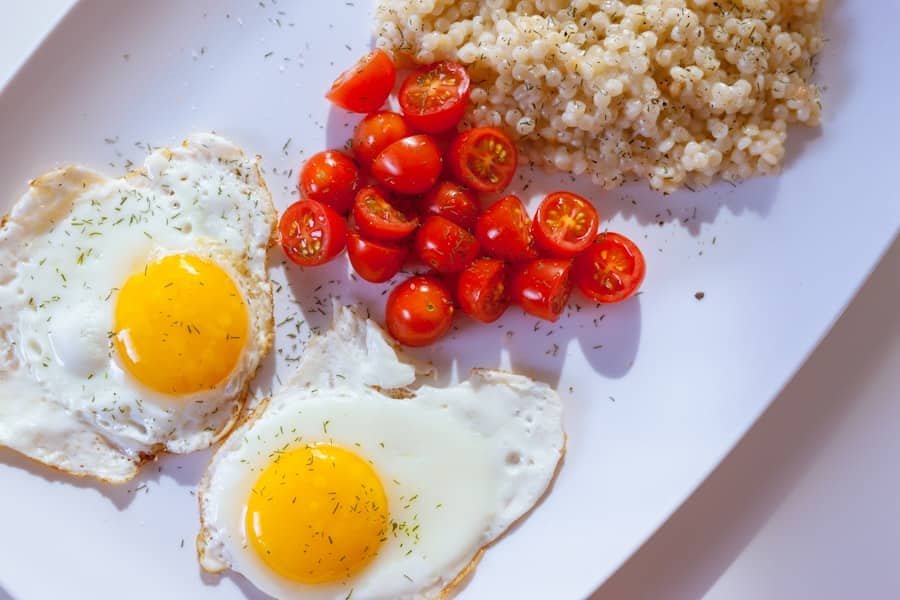
Creating a sample meal plan can provide guidance on how to structure your meals throughout the day while adhering to a High Protein Keto Diet. For breakfast, consider an omelet made with three eggs, spinach, and feta cheese cooked in olive oil. Pair this with a side of avocado for added healthy fats.
For lunch, grilled chicken breast served over a bed of mixed greens with olive oil dressing can provide both protein and essential nutrients. Dinner could feature baked salmon with asparagus drizzled in lemon butter sauce alongside a small serving of cauliflower rice. Snacks throughout the day might include Greek yogurt topped with chia seeds or a handful of almonds.
This meal plan emphasizes high-quality protein sources while ensuring adequate fat intake through healthy oils and nuts, all while keeping carbohydrates low.
Tips for Success on a High Protein Keto Diet
To maximize success on a High Protein Keto Diet, several strategies can be employed. First and foremost is meal preparation; planning meals in advance can help prevent impulsive eating decisions that may lead to higher carb consumption. Batch cooking proteins and preparing low-carb snacks can make it easier to stick to your dietary goals throughout the week.
Staying hydrated is another critical aspect; drinking plenty of water not only supports overall health but can also help manage hunger levels. Additionally, incorporating electrolytes into your diet—especially sodium, potassium, and magnesium—can help mitigate symptoms of the “keto flu,” which some individuals experience when transitioning into ketosis. Lastly, finding a supportive community or accountability partner can provide motivation and encouragement during challenging times.
Potential Risks and Side Effects of a High Protein Keto Diet
While many individuals find success with a High Protein Keto Diet, it’s important to be aware of potential risks and side effects associated with this dietary approach. One common concern is nutrient deficiencies; due to the restrictive nature of the diet, individuals may not consume enough vitamins and minerals if they do not carefully select their food sources. Incorporating a variety of low-carb vegetables and considering supplementation may help mitigate this risk.
Another potential side effect is the “keto flu,” which can occur during the initial transition into ketosis. Symptoms may include fatigue, headaches, irritability, and digestive issues as the body adapts to burning fat for fuel instead of carbohydrates. These symptoms are typically temporary but can be uncomfortable for some individuals.
Staying hydrated and ensuring adequate electrolyte intake can help alleviate these symptoms during the adjustment period.
How to Exercise on a High Protein Keto Diet
Exercising on a High Protein Keto Diet requires some adjustments compared to traditional carbohydrate-based diets. Initially, individuals may experience decreased energy levels during workouts as their bodies adapt to utilizing fat for fuel instead of glycogen stored from carbohydrates. However, many find that once they are fully adapted to ketosis—usually within two to four weeks—they experience improved endurance and fat oxidation during exercise.
Incorporating strength training into your routine is particularly beneficial on this diet as it helps preserve muscle mass while promoting fat loss. High-intensity interval training (HIIT) can also be effective; it allows for short bursts of intense activity followed by rest periods, which can enhance fat burning without relying heavily on glycogen stores. Listening to your body is crucial; if you feel fatigued or unable to perform at your usual intensity levels initially, consider adjusting workout frequency or intensity until you feel more adapted.
The High Protein Keto Diet differs from other variations of ketogenic diets primarily in its macronutrient distribution concerning protein intake. Traditional ketogenic diets often emphasize higher fat content with moderate protein levels; this approach may be more suitable for individuals seeking rapid weight loss or those who are less active. In contrast, the high protein variant caters more towards those who prioritize muscle preservation or growth alongside fat loss.
Another distinction lies in the potential effects on satiety and appetite control; higher protein diets have been shown to enhance feelings of fullness more effectively than higher fat diets alone. This can lead to reduced overall caloric intake without the need for strict calorie counting. Additionally, individuals who engage in regular physical activity may find that the high protein approach better supports their energy needs while still promoting ketosis.
Success Stories and Testimonials from High Protein Keto Dieters
Many individuals have reported transformative experiences while following a High Protein Keto Diet. Testimonials often highlight significant weight loss achievements alongside improved energy levels and enhanced physical performance. For instance, one individual shared their journey of losing over 30 pounds within three months while maintaining their strength training regimen; they noted that the increased protein intake helped them feel fuller longer and reduced cravings for unhealthy snacks.
Another success story comes from an athlete who adopted the high protein approach to support their training goals while cutting body fat percentage for competition season. They reported not only achieving their desired physique but also experiencing improved recovery times post-workout due to the adequate protein intake supporting muscle repair. These stories exemplify how a High Protein Keto Diet can cater to diverse goals—whether it’s weight loss or athletic performance—while promoting overall health and well-being through balanced nutrition.
FAQs
What is a high protein keto diet?
A high protein keto diet is a low-carbohydrate, high-protein diet that aims to induce a state of ketosis in the body. This means that the body burns fat for fuel instead of carbohydrates, leading to weight loss and other health benefits.
What foods are included in a high protein keto diet?
Foods included in a high protein keto diet typically include lean meats, poultry, fish, eggs, dairy products, nuts, seeds, and low-carbohydrate vegetables. These foods are high in protein and low in carbohydrates, which helps to keep the body in ketosis.
What are the potential benefits of a high protein keto diet?
Some potential benefits of a high protein keto diet include weight loss, improved blood sugar control, increased satiety, and improved body composition. It may also have potential benefits for certain medical conditions, such as epilepsy and type 2 diabetes.
Are there any potential risks or drawbacks to a high protein keto diet?
Some potential risks or drawbacks of a high protein keto diet may include nutrient deficiencies, constipation, bad breath, and potential negative effects on kidney function. It is important to consult with a healthcare professional before starting any new diet, especially one that is high in protein and low in carbohydrates.
Who should consider a high protein keto diet?
A high protein keto diet may be suitable for individuals looking to lose weight, improve their body composition, or manage certain medical conditions such as epilepsy or type 2 diabetes. It is important to consult with a healthcare professional to determine if this type of diet is appropriate for individual needs and health status.