Have you ever wondered how a low-carb lifestyle could transform your body and health? The keto diet has gained popularity over the years, and many people have successfully used it for effective weight loss. In this article, we’ll break down the essential components of the keto diet, explore how it works, and examine its benefits and potential downsides.
What is the Keto Diet?
The ketogenic diet, commonly known as the keto diet, is a low-carbohydrate, high-fat eating plan. Its primary goal is to shift your body from relying on glucose as its main energy source to using ketones, which are produced when your body breaks down fat. By drastically reducing your carbohydrate intake and replacing it with fat, you can enter a metabolic state called ketosis.
How Does the Keto Diet Work?
When you consume fewer carbohydrates, your body’s glucose reserves dwindle. As a result, your insulin levels drop, which prompts your body to begin burning fat for energy instead. This fat breakdown produces ketones, which are then used for fuel in place of glucose.
The typical macronutrient ratio for a keto diet consists of approximately:
- 70-75% fats
- 20-25% protein
- 5-10% carbohydrates
Here’s a simple breakdown of how these macronutrients work together:
| Macronutrient | Percentage | Function |
|---|---|---|
| Fats | 70-75% | Primary energy source when in ketosis |
| Protein | 20-25% | Supports muscle integrity and health |
| Carbohydrates | 5-10% | Limited intake to maintain ketosis |
Benefits of the Keto Diet
There are numerous reasons why people choose the keto diet for weight loss. Let’s discuss a few of the key benefits in detail.
Effective Weight Loss
One of the most significant advantages of the keto diet is its ability to promote weight loss. When your body enters ketosis, it becomes highly efficient at burning fat for energy. Many individuals report losing weight quickly, especially in the initial weeks.
Reduced Hunger Levels
Many people on the keto diet find they experience reduced hunger and cravings. This reduction is largely attributed to the higher fat and protein intake, which keeps you feeling fuller for longer. As a result, you may consume fewer calories overall, supporting your weight loss efforts.
Improved Mental Clarity & Focus
Another perk of going keto is the potential for improved mental clarity and focus. Ketones serve as a clean energy source for your brain, leading to enhanced cognitive performance. Many individuals report being able to concentrate better and think more clearly when they are in ketosis.
Enhanced Energy Levels
While some may initially feel tired during the transition to keto, many users ultimately experience increased energy levels. Once your body has adjusted to using fat for fuel instead of carbs, you may notice sustained energy throughout the day without the typical crashes associated with high-carb diets.
Better Blood Sugar Control
For individuals struggling with insulin resistance or diabetes, the keto diet can help regulate blood sugar levels. By minimizing carbohydrate intake, you’re less likely to experience blood sugar spikes and crashes. The steady release of energy can contribute to better overall health and weight management.
Potential Downsides of the Keto Diet
While the keto diet has many benefits, it’s essential to consider some potential downsides before diving in.
Keto Flu
When starting the keto diet, many individuals experience what’s often referred to as the “keto flu.” This temporary condition can occur as your body adjusts to burning fat instead of carbohydrates. Symptoms may include fatigue, headache, dizziness, irritability, and difficulty sleeping.
The good news is that keto flu usually lasts only a few days to a week. Staying hydrated, getting enough electrolytes, and gradually reducing carbohydrate intake can help alleviate these symptoms.
Nutrient Deficiencies
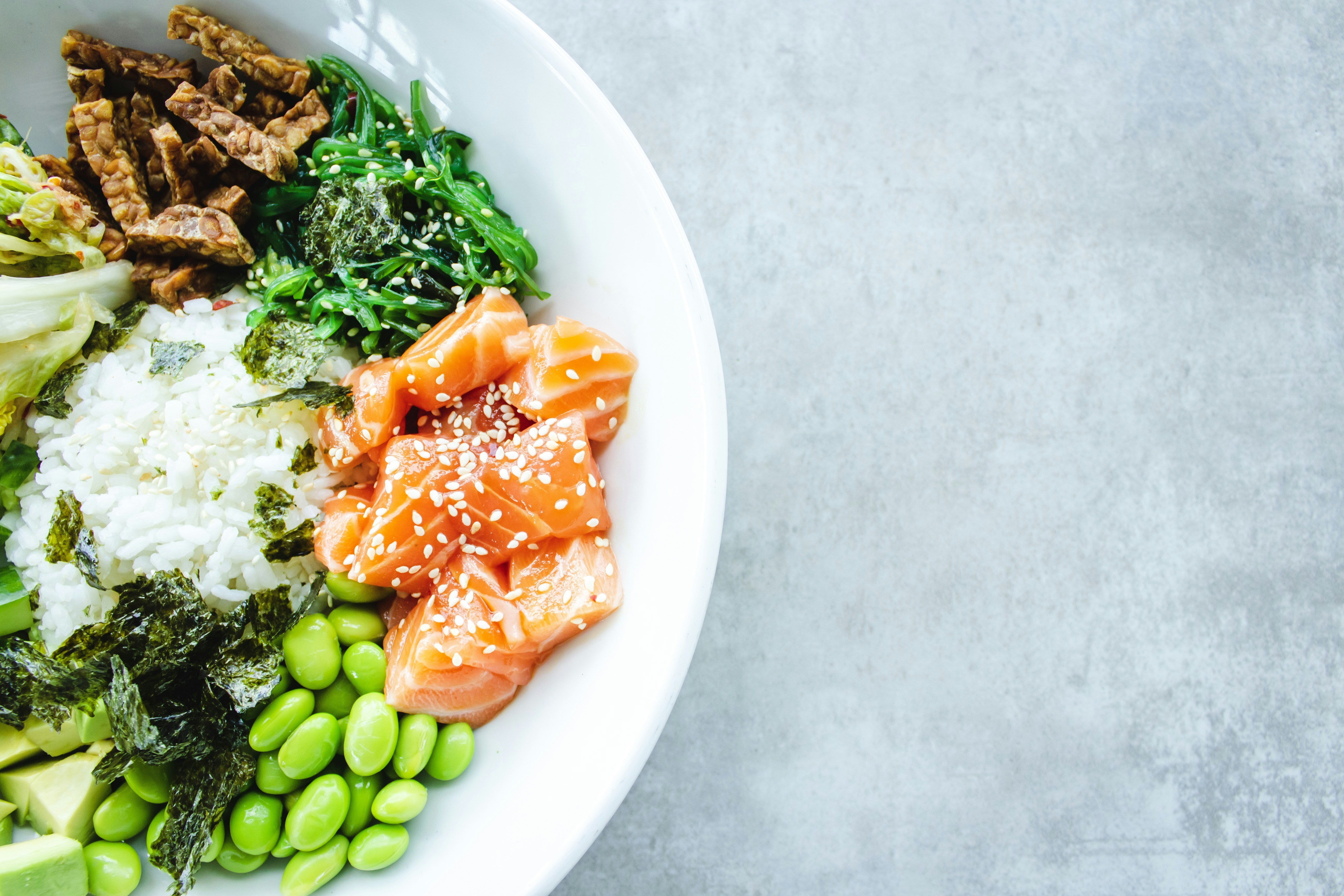
Since the keto diet restricts certain food groups, you may risk missing out on essential nutrients. It’s important to focus on consuming a variety of low-carb vegetables, nuts, seeds, and fatty fish to ensure you receive adequate vitamins and minerals. You might also consider taking supplements to fill in any gaps in your nutrition.
Difficulty Maintaining Long-Term
Some people find it challenging to maintain the keto diet long-term. The restrictions may feel too confining, especially in social situations or while dining out. If you’re concerned about sustainability, it could be helpful to explore more flexible low-carb diets that allow for occasional carbohydrates.
Potential Impact on Athletic Performance
If you’re an athlete or engage in high-intensity workouts, the transition to a ketogenic lifestyle may initially impact your performance. Since your body is adapting to a different energy source, it may take time before you see the same results. However, many athletes do report improvements in endurance and performance once fully adapted.
Getting Started on the Keto Diet
If you’re interested in trying the keto diet for weight loss, here are some tips to help you get started.
1. Set Clear Goals
Before embarking on your keto journey, take some time to set clear, measurable goals. Whether you aim to lose a specific amount of weight or simply improve your overall health, having concrete objectives can help keep you motivated.
2. Educate Yourself
Understanding the principles of the keto diet is crucial to your success. Learn about which foods are high in fats, moderate in protein, and low in carbohydrates. Familiarize yourself with reading nutrition labels, as many processed foods can contain hidden sugars and carbs that can disrupt your progress.
3. Meal Planning and Preparation
Planning your meals in advance can help ensure you remain compliant with the diet. Prepare a weekly menu filled with keto-friendly meals and snacks. Cooking in batches can also save time during the week and make it easier to stick to your dietary choices.
4. Focus on Whole Foods
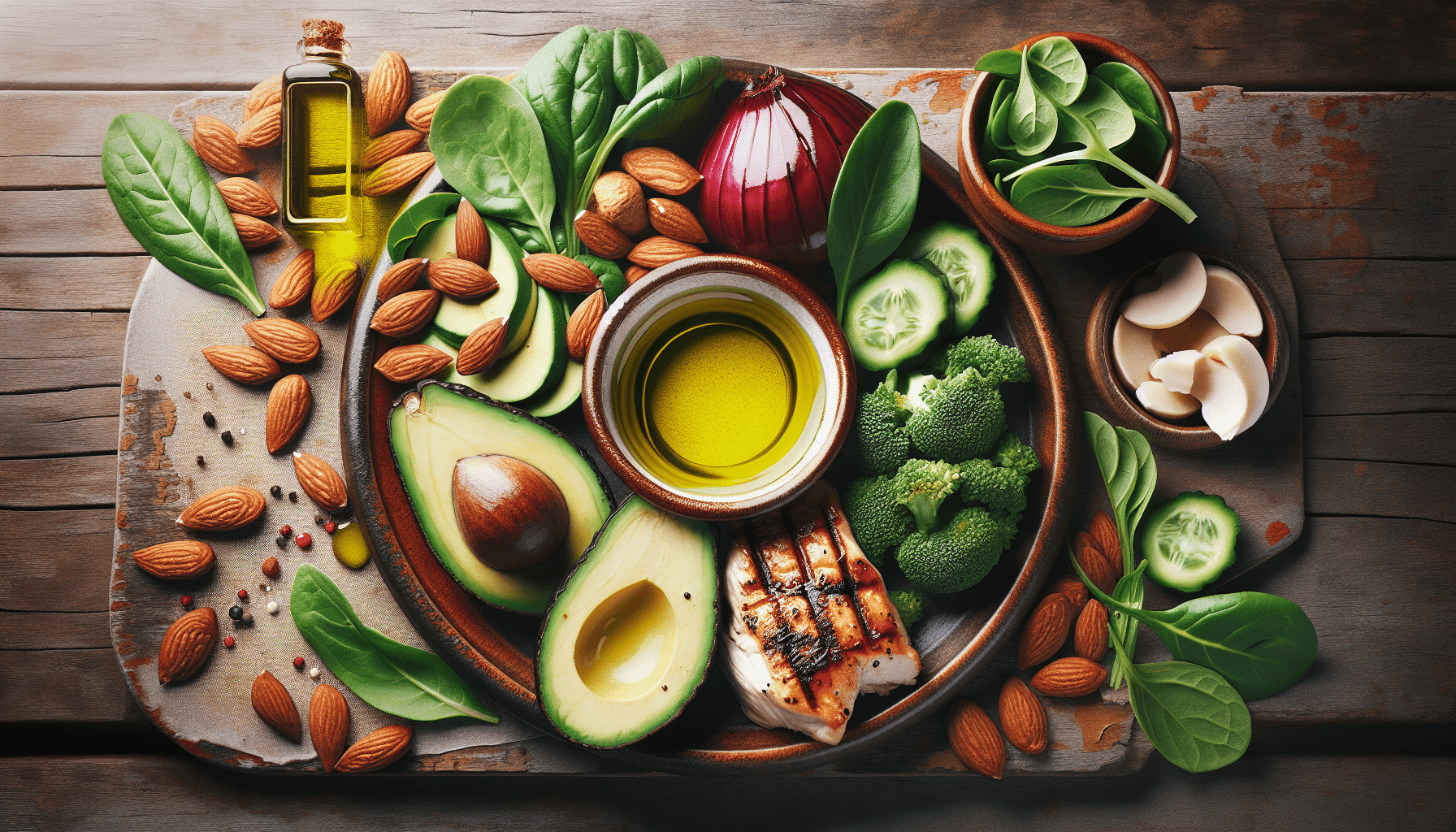
Opt for whole, minimally processed foods when possible. Prioritize healthy fats such as avocado, olive oil, and nuts; high-quality protein sources from grass-fed meat, eggs, and fish; and low-carb vegetables like leafy greens, zucchini, and bell peppers.
5. Monitor Your Macros
Keeping track of your daily macronutrient intake can be particularly helpful, especially in the early stages of the diet. Numerous apps can assist you in calculating your macros, making it easier to stay within your desired ranges.
6. Stay Hydrated
Staying hydrated is essential on the keto diet. You may lose more water weight initially when transitioning, so drinking plenty of fluids is crucial. Additionally, consider incorporating electrolyte-rich foods or supplements to help balance your levels.
Delicious Keto-Friendly Foods
Discovering flavorful and satisfying keto-friendly foods can help you stay committed. Here are some foods to incorporate into your diet:
High-Fat Foods
- Avocado
- Olive oil and other healthy oils (coconut oil, avocado oil, etc.)
- Nuts and seeds (almonds, walnuts, chia seeds)
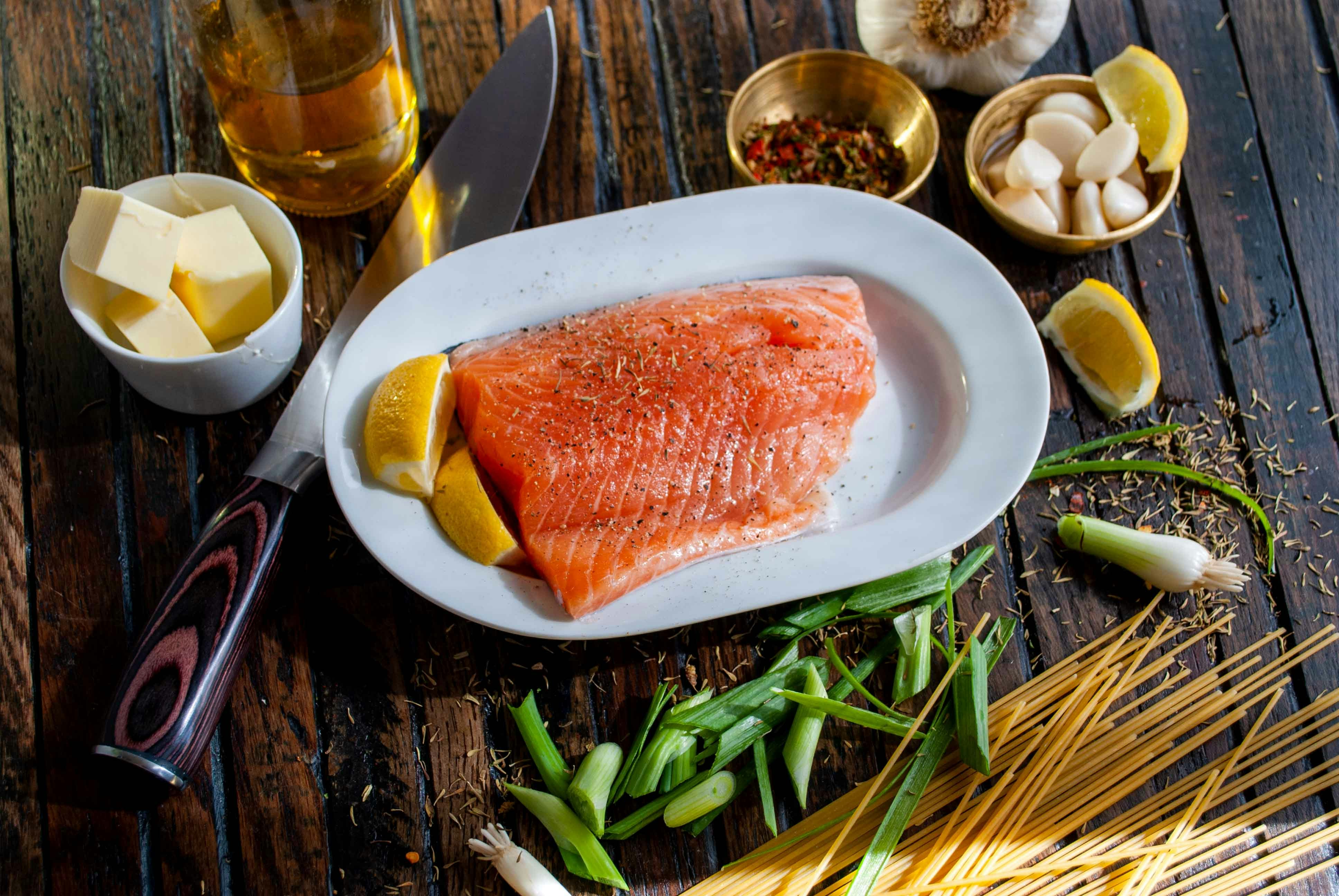
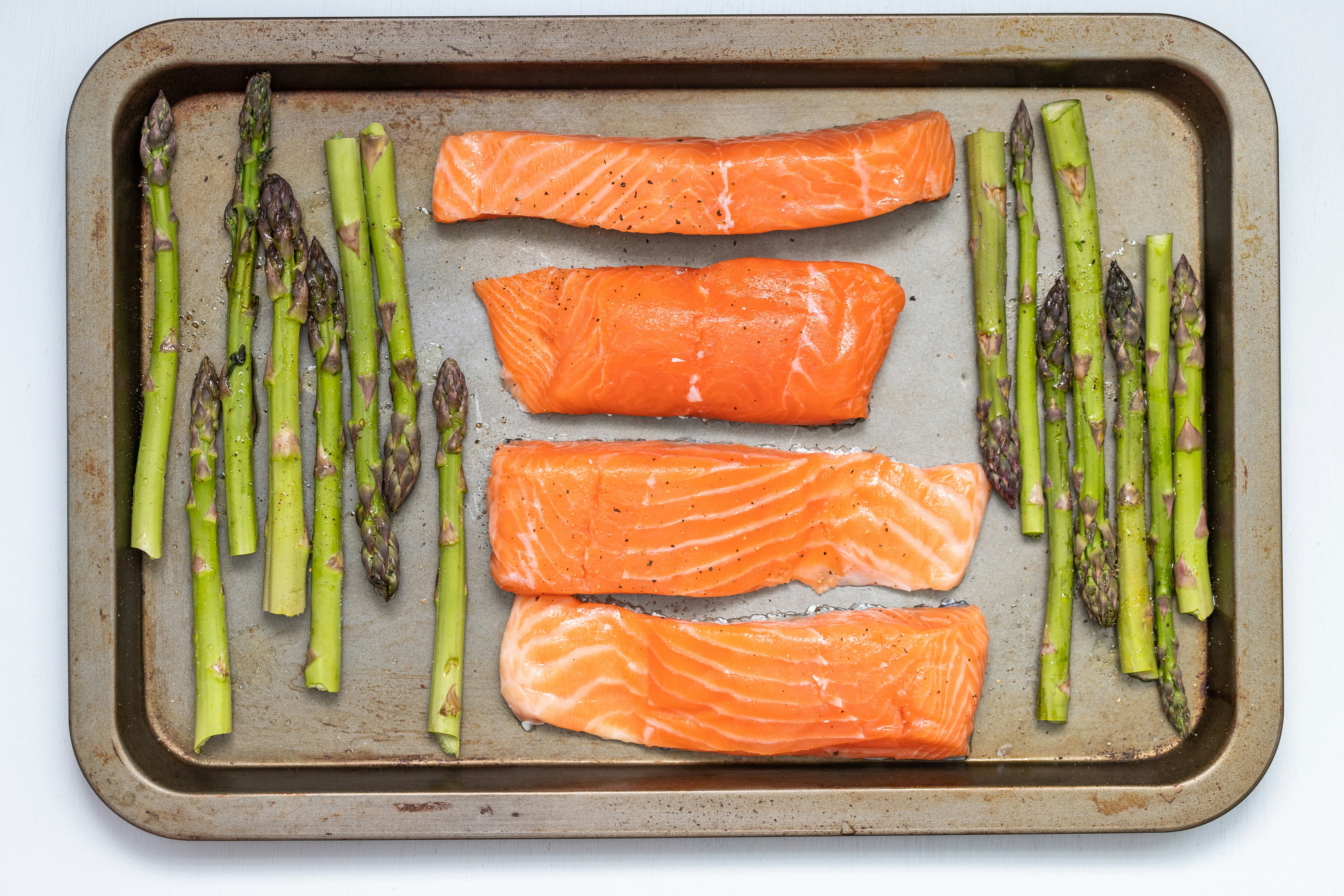
- Fatty fish (salmon, mackerel)
- Full-fat dairy (cheese, yogurt, heavy cream)
Low-Carbohydrate Vegetables
- Leafy greens (spinach, kale, arugula)
- Cruciferous vegetables (broccoli, cauliflower, Brussels sprouts)
- Zucchini and summer squash
- Bell peppers
- Asparagus
Proteins
- Meat (beef, pork, lamb)
- Poultry (chicken, turkey)
- Eggs
- Seafood (fish, shellfish)
Snacks and Treats
Sometimes you just need something tasty to munch on! Here are some keto-friendly snacks:
- Cheese crisps
- Pork rinds
- Nuts
- Dark chocolate (in moderation)
- Almond flour-based baked goods
Sample Meal Plan
Getting started can often be the most challenging part. Here’s a sample one-day meal plan to help you visualize how a keto day may look.
Breakfast
- Scrambled eggs cooked in butter with spinach
- A couple of slices of avocado
- Herbal tea or black coffee
Lunch
- Grilled chicken salad with mixed greens, avocado, olives, and olive oil dressing
- Side of sliced cucumbers
Dinner
- Baked salmon with a lemon-butter sauce
- Sautéed asparagus in olive oil
- Cauliflower rice
Snacks
- A handful of nuts or a cheese stick
- Celery with almond butter

Staying Motivated
Maintaining motivation while on the keto diet can be challenging, especially when you encounter setbacks. Here are a few strategies to keep your spirits high:
Accountability
Consider joining an online or local support group where you can share your experiences and progress. Finding a keto buddy or focusing on accountability can provide encouragement during tough times.
Track Your Progress
Keep a journal of your food intake and physical changes. It’s rewarding to look back and see how far you’ve come. Celebrate your achievements, both big and small.
Reassess Your Goals
As you progress, your goals may change. Regularly revisit and adjust your goals to keep them aligned with your evolving health journey.
Reward Yourself
Without straying from your dietary choices, find non-food-related ways to reward yourself. Treat yourself to a new workout outfit or a relaxing spa day to recognize your accomplishments.
Conclusion
Transitioning to the keto diet can be a transformative experience, particularly for those seeking effective weight loss and enhanced well-being. While it may require an adjustment period, the potential benefits can be life-changing. As you embark on this journey, remember to educate yourself, plan your meals, and pay attention to your body’s responses. With dedication and the right mindset, you can achieve your weight loss goals and improve your health sustainably.
Are you ready to take the plunge? With the right information and support, the keto diet could be the solution you’ve been searching for.