
The ketogenic diet, often referred to simply as “keto,” is a low-carbohydrate, high-fat dietary approach that has gained significant popularity in recent years. At its core, the keto diet aims to shift your body’s metabolism from relying on carbohydrates for energy to utilizing fats instead.
By drastically reducing your carbohydrate intake and replacing it with healthy fats, you can encourage your body to enter this state, leading to various health benefits, including weight loss, improved mental clarity, and increased energy levels. As you embark on this dietary journey, it’s essential to understand the macronutrient breakdown that characterizes the ketogenic diet. Typically, a standard keto diet consists of approximately 70-75% fats, 20-25% protein, and only about 5-10% carbohydrates.
This significant reduction in carbs forces your body to adapt and find alternative energy sources. However, it’s not just about cutting carbs; it’s also about making informed choices regarding the types of fats and proteins you consume. By understanding the principles behind the ketogenic diet, you can better navigate your food choices and create a sustainable eating plan that aligns with your health goals.
Key Takeaways
- The ketogenic diet is a high-fat, low-carb eating plan that can help the body enter a state of ketosis, where it burns fat for fuel.
- Healthy fats such as avocados, nuts, seeds, and olive oil should be incorporated into the ketogenic diet to support overall health and provide essential nutrients.
- Non-starchy vegetables like leafy greens, broccoli, and cauliflower should be prioritized to provide fiber, vitamins, and minerals without adding too many carbs.
- High-quality protein sources like grass-fed meat, wild-caught fish, and pasture-raised eggs should be included to support muscle health and overall nutrition.
- Low-carb fruits such as berries and melons can be chosen in moderation to satisfy sweet cravings while still maintaining ketosis.
- Processed and sugary foods should be avoided on the ketogenic diet to prevent blood sugar spikes and support overall health.
- Staying hydrated and maintaining electrolyte balance is important on the ketogenic diet, especially during the initial transition phase.
- Seeking professional guidance and support from a healthcare provider or nutritionist can help ensure the ketogenic diet is followed safely and effectively.
Incorporating a Variety of Healthy Fats
Healthy Fat Sources
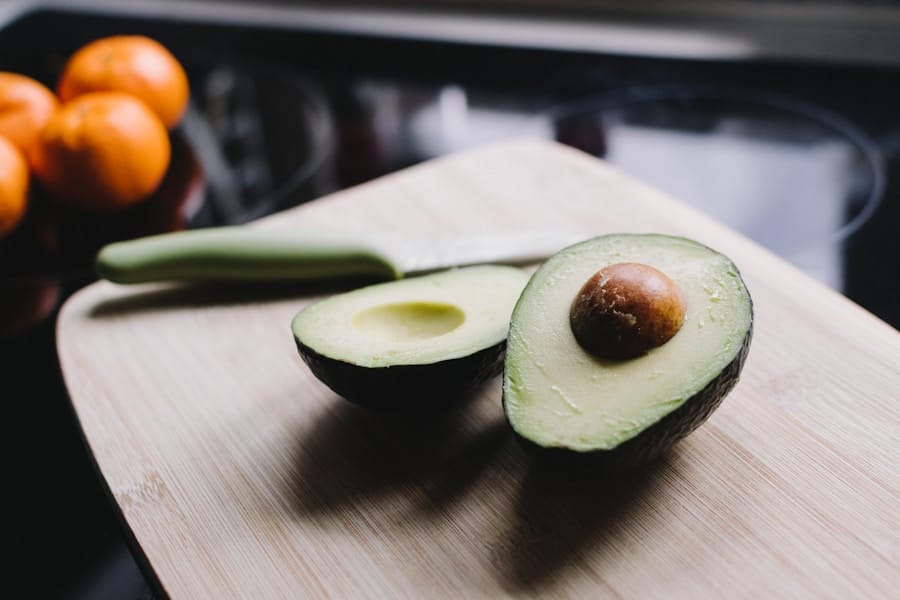
Avocados, nuts, seeds, olive oil, and fatty fish like salmon are all excellent sources of healthy fats. These options not only provide essential fatty acids but also contribute to overall well-being by offering vitamins and minerals that support various bodily functions.
Enhancing Flavor and Texture
Diversifying your fat sources can also enhance the flavor and texture of your meals. For instance, drizzling olive oil over a fresh salad or adding avocado to your morning smoothie can elevate your culinary experience while keeping you aligned with your dietary goals.
Maintaining a Balanced Approach
Incorporating different types of fats can help prevent monotony in your meals, making it easier for you to stick to the ketogenic lifestyle long-term. Remember that while fats are an essential part of the keto diet, moderation is key; being mindful of portion sizes will help you maintain a balanced approach.
Prioritizing Non-Starchy Vegetables
While the ketogenic diet emphasizes high-fat foods, it’s equally important to prioritize non-starchy vegetables in your meal planning. These vegetables are low in carbohydrates and high in fiber, making them an excellent choice for anyone looking to maintain ketosis while still enjoying a variety of flavors and textures. Leafy greens like spinach, kale, and arugula are particularly beneficial due to their nutrient density and low carb content.
Other options include broccoli, cauliflower, zucchini, and bell peppers, all of which can add color and nutrition to your plate. Incorporating non-starchy vegetables into your meals not only helps you meet your daily fiber needs but also provides essential vitamins and minerals that support overall health. These vegetables are rich in antioxidants, which can help combat oxidative stress and inflammation in the body.
By filling your plate with a rainbow of non-starchy veggies, you can create satisfying meals that keep you feeling full while staying within your carbohydrate limits. Experimenting with different cooking methods—such as roasting, steaming, or sautéing—can also enhance the flavors of these vegetables and make them more enjoyable.
Including High-Quality Protein Sources
Protein is another critical component of the ketogenic diet that should not be overlooked. Including high-quality protein sources in your meals is essential for maintaining muscle mass, supporting metabolic health, and keeping you satiated throughout the day. Opt for lean meats like chicken, turkey, and grass-fed beef, as well as fatty fish such as mackerel or sardines.
Eggs are also an excellent source of protein and healthy fats, making them a versatile option for breakfast or snacks. When selecting protein sources, it’s important to consider not just the quantity but also the quality of the protein you consume. Grass-fed and pasture-raised options tend to have higher levels of omega-3 fatty acids and other beneficial nutrients compared to conventionally raised animals.
Additionally, incorporating plant-based protein sources like tofu or tempeh can provide variety while still aligning with your dietary goals. By focusing on high-quality proteins, you can ensure that your body receives the nutrients it needs to thrive while adhering to the principles of the ketogenic diet.
Choosing Low-Carb Fruits in Moderation
While fruits are often associated with healthy eating, many are high in sugars and carbohydrates that can hinder your progress on a ketogenic diet. However, this doesn’t mean you have to completely eliminate fruits from your meals; rather, it’s about making informed choices and consuming them in moderation. Berries such as strawberries, raspberries, and blackberries are excellent options due to their lower carbohydrate content compared to other fruits.
These berries are not only delicious but also packed with antioxidants and vitamins that can support overall health. When incorporating low-carb fruits into your diet, consider using them as toppings for yogurt or salads or blending them into smoothies for added flavor without excessive carbs. It’s essential to be mindful of portion sizes; even low-carb fruits can add up if consumed in large quantities.
By choosing wisely and enjoying these fruits in moderation, you can satisfy your sweet cravings while still adhering to the principles of the ketogenic diet.
Avoiding Processed and Sugary Foods

One of the most significant challenges when transitioning to a ketogenic diet is avoiding processed and sugary foods that can derail your progress. These foods are often high in refined carbohydrates and unhealthy fats that can spike blood sugar levels and lead to cravings. To successfully navigate this dietary shift, it’s crucial to read labels carefully and become familiar with hidden sugars that may be lurking in seemingly healthy products.
Opting for whole foods—those that are minimally processed—will not only help you stay within your carbohydrate limits but also provide essential nutrients that support overall health. In addition to avoiding processed foods, it’s important to develop strategies for managing cravings for sweets or comfort foods. Finding keto-friendly alternatives can be a game-changer; for example, using almond flour instead of regular flour for baking or sweetening dishes with stevia or erythritol instead of sugar can satisfy your cravings without compromising your dietary goals.
By being proactive about avoiding processed foods and finding healthier alternatives, you can create a sustainable eating plan that supports your journey on the ketogenic diet.
Staying Hydrated and Electrolyte Balanced
Hydration is often overlooked but plays a vital role in successfully following a ketogenic diet. As your body transitions into ketosis, it tends to excrete more water and electrolytes than usual. This increased fluid loss can lead to dehydration if you’re not mindful about drinking enough water throughout the day.
Aim to consume at least eight glasses of water daily, adjusting based on your activity level and individual needs. Staying hydrated will not only support overall health but also help mitigate some common side effects associated with transitioning into ketosis. In addition to hydration, maintaining electrolyte balance is crucial when following a ketogenic diet.
Electrolytes such as sodium, potassium, and magnesium play essential roles in various bodily functions, including muscle contractions and nerve signaling. As you reduce carbohydrate intake, it’s important to replenish these electrolytes through food sources or supplements if necessary. Incorporating foods rich in potassium—like avocados and leafy greens—and ensuring adequate sodium intake can help prevent symptoms like fatigue or muscle cramps often associated with electrolyte imbalances.
Seeking Professional Guidance and Support
Embarking on a ketogenic diet can be an exciting yet challenging journey. To ensure you’re making informed choices that align with your health goals, seeking professional guidance from a registered dietitian or nutritionist can be incredibly beneficial. These experts can provide personalized advice tailored to your unique needs and help you navigate potential pitfalls along the way.
They can assist in creating meal plans that incorporate a variety of foods while ensuring you meet your nutritional requirements. Additionally, surrounding yourself with a supportive community can make a significant difference in your success on the ketogenic diet. Whether it’s joining online forums or local support groups, connecting with others who share similar goals can provide motivation and encouragement during challenging times.
Remember that seeking guidance and support is not just about adhering to a specific diet; it’s about fostering a healthier relationship with food and empowering yourself on your wellness journey.
FAQs
What is a ketogenic lifestyle?
A ketogenic lifestyle involves following a high-fat, moderate-protein, and low-carbohydrate diet in order to induce a state of ketosis in the body, where it burns fat for fuel instead of carbohydrates.
How can individuals maintain a balanced and varied diet while following a ketogenic lifestyle?
Individuals can maintain a balanced and varied diet while following a ketogenic lifestyle by including a variety of healthy fats, such as avocados, nuts, and olive oil, along with a moderate amount of protein from sources like meat, fish, and eggs, and low-carbohydrate vegetables like leafy greens and cruciferous vegetables.
What are some potential challenges of maintaining a balanced and varied diet while following a ketogenic lifestyle?
Some potential challenges of maintaining a balanced and varied diet while following a ketogenic lifestyle include the need to carefully monitor carbohydrate intake, potential nutrient deficiencies if not consuming a wide variety of foods, and the difficulty of finding suitable options when dining out or traveling.
Are there any specific nutrients that individuals following a ketogenic lifestyle should pay attention to?
Individuals following a ketogenic lifestyle should pay attention to their intake of electrolytes, such as sodium, potassium, and magnesium, as well as ensuring they are consuming an adequate amount of fiber and micronutrients from low-carbohydrate vegetables and other sources. It may also be beneficial to consider supplementation for certain nutrients.
What are some tips for maintaining a balanced and varied diet while following a ketogenic lifestyle?
Some tips for maintaining a balanced and varied diet while following a ketogenic lifestyle include meal planning and preparation, experimenting with different recipes and ingredients, incorporating a wide variety of fats, proteins, and vegetables, and staying informed about the nutritional content of different foods. It may also be helpful to consult with a healthcare professional or nutritionist for personalized guidance.





