
Intermittent fasting has gained significant attention in recent years as a popular approach to weight management and overall health improvement. You may have heard about it from friends, family, or even social media influencers who tout its benefits. At its core, intermittent fasting is not about what you eat but rather when you eat.
This method involves cycling between periods of eating and fasting, allowing your body to enter a state where it can efficiently burn fat and improve metabolic health. As you explore this dietary strategy, you may find that it aligns well with your lifestyle and goals.
Unlike traditional diets that often require meticulous calorie counting or food restrictions, intermittent fasting allows you to focus on the timing of your meals. This can make it easier for you to adhere to a plan without feeling deprived. As you delve deeper into the science and practical applications of intermittent fasting, you may discover how it can be a powerful tool in your weight loss journey and overall well-being.
Key Takeaways
- Intermittent fasting is an eating pattern that cycles between periods of fasting and eating.
- Intermittent fasting can lead to weight loss by reducing calorie intake and increasing metabolism.
- Intermittent fasting may help improve body composition by reducing fat mass and preserving lean muscle mass.
- Different methods of intermittent fasting, such as 16/8 or 5:2, can have varying impacts on weight loss and body composition.
- Intermittent fasting has potential benefits for weight loss, but it may also have drawbacks such as increased hunger and potential negative effects on metabolism.
The Science Behind Intermittent Fasting and Weight Loss
Understanding the science behind intermittent fasting can help you appreciate its effectiveness in promoting weight loss. When you fast, your body undergoes several physiological changes that facilitate fat burning. During the fasting period, insulin levels drop significantly, which encourages your body to utilize stored fat for energy.
This process is known as lipolysis, where fat cells release fatty acids into the bloodstream to be used as fuel. As you engage in intermittent fasting, you may notice that your body becomes more efficient at burning fat, leading to weight loss over time. Moreover, intermittent fasting can enhance your body’s hormonal balance.
For instance, levels of human growth hormone (HGH) can increase significantly during fasting periods. Higher HGH levels promote fat loss and muscle gain, making it easier for you to achieve a leaner physique. Additionally, fasting triggers the release of norepinephrine, a hormone that boosts metabolism and further aids in fat burning.
By understanding these mechanisms, you can see how intermittent fasting not only helps with weight loss but also supports overall metabolic health.
Effects of Intermittent Fasting on Body Composition
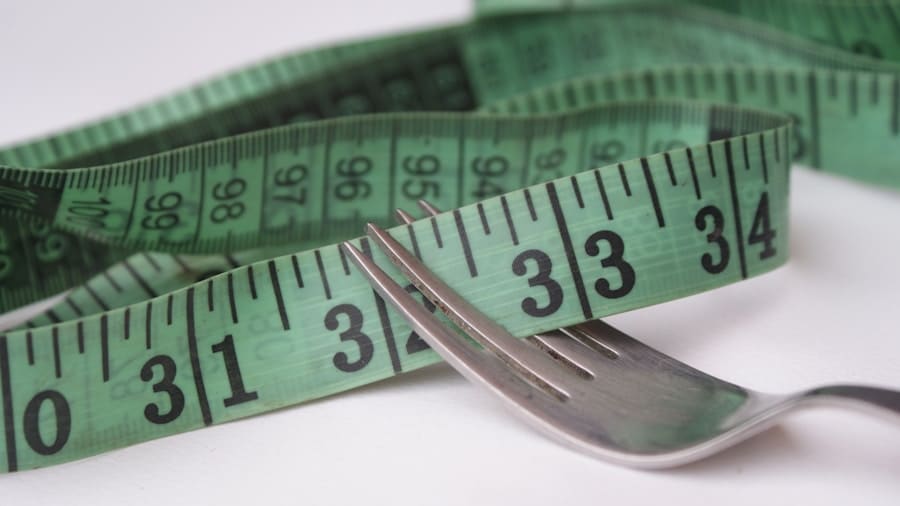
As you embark on your intermittent fasting journey, you may be curious about how it affects your body composition.
This is particularly important for those looking to improve their physique without sacrificing muscle strength or endurance.
By allowing your body to tap into its fat stores during fasting periods, you can achieve a more favorable body composition over time. In addition to fat loss, intermittent fasting may also promote improvements in muscle definition and tone. As you engage in regular physical activity alongside your fasting regimen, you may find that your workouts become more effective.
The combination of reduced body fat and preserved muscle mass can lead to a more sculpted appearance. Furthermore, many individuals report increased energy levels and improved mental clarity during fasting periods, which can enhance your motivation to stay active and committed to your fitness goals.
Different Methods of Intermittent Fasting and Their Impact on Weight Loss
There are several methods of intermittent fasting that you can choose from, each with its own unique structure and potential impact on weight loss. One popular approach is the 16/8 method, where you fast for 16 hours each day and eat during an 8-hour window. This method is often favored for its simplicity and ease of integration into daily life.
You might find that skipping breakfast and having your first meal at noon works well for your schedule. Another method is the 5:2 diet, which involves eating normally for five days of the week while restricting calorie intake to around 500-600 calories on two non-consecutive days. This approach allows for flexibility in meal planning while still promoting weight loss through calorie reduction on fasting days.
As you experiment with different methods, you may discover which one resonates best with your lifestyle and preferences, ultimately leading to more sustainable results.
Potential Benefits and Drawbacks of Intermittent Fasting for Weight Loss
While intermittent fasting offers numerous benefits for weight loss, it’s essential to consider potential drawbacks as well. One significant advantage is the simplicity of meal planning; by limiting the time frame in which you eat, you may find it easier to make healthier food choices without feeling overwhelmed by options. Additionally, many people report improved focus and mental clarity during fasting periods, which can enhance productivity in various aspects of life.
However, intermittent fasting may not be suitable for everyone. Some individuals may experience hunger pangs or irritability during fasting periods, making it challenging to stick with the plan long-term. It’s also crucial to ensure that you’re consuming nutrient-dense foods during eating windows to avoid deficiencies.
If you’re considering intermittent fasting as part of your weight loss strategy, it’s wise to listen to your body and consult with a healthcare professional if you have any underlying health concerns.
How Intermittent Fasting Affects Metabolism and Fat Loss

Improved Insulin Regulation
As you continue with intermittent fasting, you may notice that your body becomes more adept at regulating insulin, further supporting your weight loss efforts.
Boosted Metabolic Rate
Moreover, the metabolic benefits of intermittent fasting extend beyond just fat burning. Research suggests that this dietary approach can lead to an increase in metabolic rate due to hormonal changes that occur during fasting periods. For instance, elevated norepinephrine levels can boost calorie expenditure, allowing you to burn more calories even at rest.
Long-Term Metabolic Efficiency
By incorporating intermittent fasting into your routine, you may find that your metabolism becomes more efficient over time, making it easier for you to achieve and maintain your weight loss goals.
Tips for Incorporating Intermittent Fasting into a Weight Loss Plan
If you’re ready to incorporate intermittent fasting into your weight loss plan, there are several tips that can help make the transition smoother. First and foremost, start gradually by extending the time between meals rather than jumping straight into a strict fasting schedule. For example, if you’re accustomed to eating breakfast at 8 AM, try delaying it until 10 AM or noon initially.
This gradual approach allows your body to adjust without overwhelming yourself. Additionally, focus on staying hydrated during fasting periods by drinking plenty of water or herbal teas. Staying hydrated can help curb hunger pangs and keep your energy levels stable throughout the day.
When it’s time to eat, prioritize whole foods rich in nutrients—such as fruits, vegetables, lean proteins, and healthy fats—to ensure you’re fueling your body adequately. Lastly, consider keeping a journal to track your progress and reflect on how intermittent fasting affects your mood, energy levels, and overall well-being.
The Role of Intermittent Fasting in Achieving Weight Loss and Improved Body Composition
In conclusion, intermittent fasting presents a compelling option for those looking to achieve weight loss and improve body composition. By understanding the science behind this dietary approach and exploring various methods that suit your lifestyle, you can harness its benefits effectively. As you navigate through the potential advantages and drawbacks of intermittent fasting, remember that individual experiences may vary; what works for one person may not work for another.
Ultimately, the key to success lies in finding a sustainable approach that aligns with your goals and preferences. Whether you’re drawn to the simplicity of time-restricted eating or the flexibility of alternate-day fasting, intermittent fasting can be a valuable tool in your weight loss arsenal. As you embark on this journey toward better health and improved body composition, embrace the process with patience and an open mind—your efforts will pave the way for lasting change.
FAQs
What is intermittent fasting?
Intermittent fasting is an eating pattern that cycles between periods of fasting and eating. It does not specify which foods to eat but rather when to eat them.
How does intermittent fasting affect weight loss?
Intermittent fasting can lead to weight loss by reducing calorie intake and increasing metabolism. During the fasting periods, the body uses stored fat for energy, leading to a reduction in overall body weight.
Does intermittent fasting affect body composition?
Intermittent fasting can affect body composition by reducing body fat percentage and preserving lean muscle mass. It may also lead to improvements in metabolic health and a reduction in visceral fat.
What are the different methods of intermittent fasting?
There are several methods of intermittent fasting, including the 16/8 method (fasting for 16 hours and eating within an 8-hour window), the 5:2 method (eating normally for 5 days and restricting calorie intake for 2 days), and the alternate day fasting method (alternating between fasting and eating normally every other day).
Is intermittent fasting safe for everyone?
Intermittent fasting may not be suitable for everyone, especially those with certain medical conditions, pregnant or breastfeeding women, and individuals with a history of eating disorders. It is important to consult a healthcare professional before starting an intermittent fasting regimen.