
The ketogenic lifestyle, often referred to simply as “keto,” is more than just a diet; it’s a comprehensive approach to eating that emphasizes low carbohydrate intake while increasing fats and moderate protein consumption. When you adopt this lifestyle, your body enters a state known as ketosis, where it becomes highly efficient at burning fat for energy instead of relying on carbohydrates. This shift can lead to various benefits, including weight loss, improved mental clarity, and enhanced energy levels.
As you delve into the ketogenic lifestyle, you may find that it encourages a deeper understanding of food and its impact on your body. Transitioning to a ketogenic lifestyle requires a significant change in how you view food. You might find yourself exploring new recipes and ingredients that align with the principles of keto, such as avocados, nuts, seeds, and healthy oils.
This exploration can be both exciting and challenging, as you learn to navigate grocery aisles and meal planning with a new perspective. The emphasis on whole, unprocessed foods can lead to a more mindful approach to eating, where you become more aware of what you are consuming and how it affects your overall well-being.
Key Takeaways
- The ketogenic lifestyle involves consuming high-fat, low-carb foods to induce ketosis, a metabolic state that promotes fat burning for energy.
- Mindful eating emphasizes being present and aware of the food you consume, focusing on the sensory experience and listening to your body’s hunger and fullness cues.
- Intuitive eating encourages trusting your body’s natural hunger and fullness signals, rather than following strict dietary rules or restrictions.
- Finding common ground between ketogenic and mindful eating involves prioritizing whole, nutrient-dense foods and being mindful of portion sizes and hunger cues.
- Navigating the challenges of combining ketogenic and intuitive eating requires flexibility, self-awareness, and a willingness to adapt to individual needs and preferences.
Exploring the Principles of Mindful Eating
Mindful eating is an approach that encourages you to be present during meals, focusing on the experience of eating rather than being distracted by external factors. This practice involves paying attention to the flavors, textures, and aromas of your food while also tuning into your body’s hunger and satiety signals. By engaging in mindful eating, you can cultivate a healthier relationship with food, allowing you to savor each bite and appreciate the nourishment it provides.
As you practice mindful eating, you may notice that it helps you develop a greater awareness of your emotional triggers related to food. Instead of eating out of boredom or stress, you learn to recognize these feelings and respond in healthier ways. This heightened awareness can lead to more intentional choices about what and how much you eat, ultimately fostering a sense of control over your dietary habits.
By integrating mindfulness into your meals, you create an opportunity for self-reflection and growth in your relationship with food.
Embracing Intuitive Eating
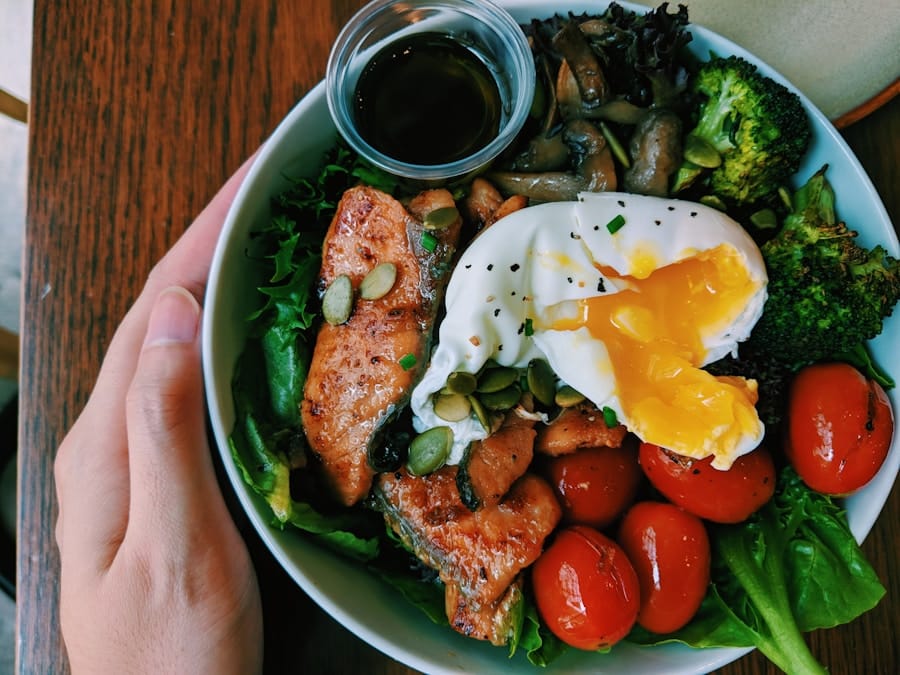
Intuitive eating is a philosophy that encourages you to listen to your body’s natural hunger cues rather than adhering to strict dietary rules or restrictions. This approach promotes the idea that you are the expert of your own body and that you can trust yourself to make food choices that align with your needs. As you embrace intuitive eating, you may find that it liberates you from the cycle of dieting and guilt associated with food choices.
One of the core principles of intuitive eating is rejecting the diet mentality. This means letting go of the notion that certain foods are “good” or “bad” and instead focusing on how different foods make you feel. By tuning into your body’s signals, you can learn to eat when you’re hungry and stop when you’re satisfied.
This practice not only fosters a healthier relationship with food but also encourages self-compassion as you navigate your eating habits without judgment.
Finding Common Ground: Ketogenic and Mindful Eating
While the ketogenic lifestyle and mindful eating may seem like distinct approaches, they share common ground in their emphasis on awareness and intentionality. When you combine these two philosophies, you can create a powerful framework for nourishing your body while enjoying the process of eating. By being mindful of your food choices within the context of a ketogenic diet, you can enhance your overall experience and satisfaction with meals.
Incorporating mindfulness into your ketogenic journey allows you to appreciate the flavors and textures of low-carb foods more fully. You might find joy in preparing meals from scratch, experimenting with new ingredients, and savoring each bite without distractions. This combination not only supports your health goals but also transforms mealtime into a pleasurable experience rather than a chore.
By recognizing the synergy between these two approaches, you can cultivate a more balanced and fulfilling relationship with food.
Navigating the Challenges of Combining Ketogenic and Intuitive Eating
While merging the ketogenic lifestyle with intuitive eating can be beneficial, it’s not without its challenges. One potential hurdle is the strict nature of the ketogenic diet, which may sometimes conflict with the flexibility encouraged by intuitive eating. You might find yourself grappling with feelings of restriction or guilt if you deviate from your keto plan.
It’s essential to approach this combination with an open mind and a willingness to adapt as needed. Another challenge lies in understanding how to listen to your body while adhering to specific macronutrient goals associated with keto. You may need to experiment with different foods and portion sizes to find what works best for you while still maintaining ketosis.
This process requires patience and self-compassion as you navigate the balance between following dietary guidelines and honoring your body’s signals. By acknowledging these challenges, you can develop strategies to overcome them and create a sustainable approach that aligns with both keto principles and intuitive eating.
Tips for Incorporating Mindfulness into a Ketogenic Diet

Creating a Distraction-Free Meal Environment
One effective strategy is to create a designated mealtime environment free from distractions such as phones or television. By setting aside time to focus solely on your meal, you can enhance your awareness of flavors and textures while also tuning into your body’s hunger cues.
Practicing Gratitude Before Meals
Another helpful tip is to practice gratitude before meals. Taking a moment to acknowledge the effort that went into preparing your food can foster a deeper appreciation for what you’re about to eat. This simple act can shift your mindset from viewing food as merely fuel to recognizing it as nourishment for both body and soul.
Savoring Each Bite
Additionally, consider slowing down during meals by taking smaller bites and chewing thoroughly; this not only aids digestion but also allows you to savor each flavor more fully.
Listening to Your Body: Intuitive Eating on a Ketogenic Diet
Listening to your body is at the heart of intuitive eating, even when following a ketogenic diet. As you embark on this journey, pay close attention to how different foods affect your energy levels, mood, and overall well-being. You may discover that certain low-carb foods leave you feeling satisfied while others do not; this awareness can guide your future food choices.
It’s also important to recognize that hunger can manifest in various ways—physically, emotionally, or mentally.
This understanding empowers you to make choices that align with your body’s needs rather than succumbing to societal pressures or dietary rules.
Balancing Ketogenic and Intuitive Eating for Long-Term Success
Achieving long-term success in balancing ketogenic and intuitive eating requires ongoing self-reflection and adaptability. As you navigate this journey, remember that it’s okay to adjust your approach based on what feels right for you at any given moment. Embrace the idea that there is no one-size-fits-all solution; instead, focus on finding what works best for your unique body and lifestyle.
Incorporating both philosophies into your life can lead to a more sustainable relationship with food—one that prioritizes health without sacrificing enjoyment. By remaining open-minded and compassionate toward yourself throughout this process, you’ll cultivate a sense of balance that supports both your physical health goals and emotional well-being. Ultimately, this harmonious approach allows you to thrive in both your ketogenic journey and your overall relationship with food.
FAQs
What is the Ketogenic Lifestyle?
The ketogenic lifestyle, or keto diet, is a high-fat, low-carbohydrate eating plan that aims to induce a state of ketosis in the body, where it burns fat for fuel instead of carbohydrates.
What are the Principles of Mindful Eating?
Mindful eating involves paying full attention to the experience of eating and drinking, both inside and outside the body. It involves being present in the moment and engaging all the senses while eating.
What is Intuitive Eating?
Intuitive eating is a philosophy that encourages individuals to make peace with food, honor their hunger, and respect their fullness. It promotes listening to the body’s signals and eating based on internal cues rather than external rules.
How does the Ketogenic Lifestyle intersect with Mindful Eating?
The ketogenic lifestyle can intersect with mindful eating by encouraging individuals to be more conscious of their food choices and to savor the flavors and textures of the high-fat, low-carb foods they consume.
How does the Ketogenic Lifestyle intersect with Intuitive Eating?
The ketogenic lifestyle can intersect with intuitive eating by promoting a focus on internal hunger and fullness cues, as well as encouraging individuals to develop a healthy relationship with food and their bodies.
Can the Ketogenic Lifestyle be practiced mindfully and intuitively?
Yes, individuals can practice the ketogenic lifestyle mindfully and intuitively by being present during meals, listening to their body’s signals, and making food choices that align with their internal cues and values.





