
A ketogenic diet, often referred to simply as “keto,” is a high-fat, low-carbohydrate eating plan designed to shift your body’s metabolism from burning glucose for energy to burning fat. This metabolic state is known as ketosis, where your body becomes highly efficient at converting fat into ketones, which serve as an alternative energy source. By drastically reducing carbohydrate intake and replacing it with fat, you can encourage your body to enter this state of ketosis, leading to various health benefits, including weight loss and improved mental clarity.
This significant reduction in carbs forces your body to adapt to a new way of fueling itself. Foods that are staples in a ketogenic diet include avocados, nuts, seeds, oils, fatty fish, and low-carb vegetables.
Key Takeaways
- A ketogenic diet is a high-fat, low-carbohydrate eating plan that aims to induce ketosis, a metabolic state in which the body burns fat for fuel.
- The role of macros (fat, protein, and carbohydrates) and calories is crucial in a ketogenic diet, as it determines the body’s ability to enter and maintain ketosis.
- Tracking macros and calories can help individuals achieve their desired results on a ketogenic diet, but it may also lead to feelings of restriction and obsession with food.
- Individual differences, such as metabolic rate and activity level, play a significant role in how macros and calories should be tracked on a ketogenic diet.
- Alternative approaches to tracking macros and calories on a ketogenic diet include intuitive eating, mindful eating, and focusing on food quality rather than strict tracking.
- Not tracking macros and calories on a ketogenic diet may lead to slower progress, difficulty in achieving ketosis, and potential overconsumption of calories.
- Tips for successfully following a ketogenic diet without tracking macros and calories include meal planning, listening to hunger cues, and focusing on whole, nutrient-dense foods.
- In conclusion, finding the right approach for tracking macros and calories on a ketogenic diet is highly individual and may require experimentation to determine what works best for each person.
The Role of Macros and Calories in a Ketogenic Diet
Understanding macronutrients—fats, proteins, and carbohydrates—is crucial when following a ketogenic diet. Each macronutrient plays a distinct role in your body’s functioning and energy production. In the context of keto, the emphasis is placed on consuming high amounts of healthy fats while keeping protein moderate and carbohydrates very low.
This balance is essential for maintaining ketosis and ensuring that your body efficiently utilizes fat for energy. Calories also play a significant role in any diet, including keto. While the focus on macronutrient ratios is vital, the total caloric intake cannot be overlooked.
Consuming more calories than your body needs can hinder weight loss efforts, even if those calories come from keto-friendly foods. Conversely, if you consume too few calories, you may experience fatigue or nutrient deficiencies. Therefore, finding the right balance of macros and calories is essential for achieving your health goals while following a ketogenic lifestyle.
Pros and Cons of Tracking Macros and Calories on a Ketogenic Diet

Tracking macros and calories can offer several advantages when you’re on a ketogenic diet. For one, it provides you with a clear understanding of what you’re consuming daily. By meticulously logging your food intake, you can ensure that you’re staying within the desired macronutrient ratios necessary for maintaining ketosis.
This level of awareness can help you make informed food choices and avoid hidden carbs that might derail your progress. However, there are also downsides to this meticulous tracking. For some individuals, constantly monitoring every bite can lead to an unhealthy relationship with food.
It may foster anxiety or stress around eating, making it difficult to enjoy meals or socialize without feeling the need to calculate every macronutrient. Additionally, the process of tracking can be time-consuming and may not be sustainable in the long run for everyone. It’s essential to weigh these pros and cons carefully to determine if this approach aligns with your lifestyle and mental well-being.
The Importance of Individual Differences in Tracking Macros and Calories
When it comes to tracking macros and calories on a ketogenic diet, individual differences play a significant role in determining what works best for you. Factors such as age, gender, activity level, metabolic rate, and personal health goals can all influence how your body responds to different macronutrient ratios and caloric intakes. For instance, an athlete may require more protein to support muscle recovery compared to someone who leads a more sedentary lifestyle.
Moreover, personal preferences and psychological factors should not be overlooked. Some people thrive on structure and find comfort in tracking their food intake meticulously, while others may feel overwhelmed by the process. Understanding your unique needs and preferences is crucial in creating a sustainable approach to the ketogenic diet that promotes both physical health and mental well-being.
Alternative Approaches to Tracking Macros and Calories on a Ketogenic Diet
If tracking macros and calories feels daunting or unsustainable for you, there are alternative approaches that can still help you succeed on a ketogenic diet. One such method is intuitive eating, which encourages you to listen to your body’s hunger cues rather than adhering strictly to numbers. By focusing on whole foods and being mindful of portion sizes, you can still maintain a healthy balance without the pressure of constant tracking.
Another alternative is using meal planning as a tool rather than strict tracking. By preparing meals in advance with keto-friendly ingredients, you can ensure that you’re sticking to your dietary goals without having to log every single item you consume. This approach allows for flexibility while still keeping you aligned with the principles of the ketogenic diet.
The Potential Impact of Not Tracking Macros and Calories on a Ketogenic Diet
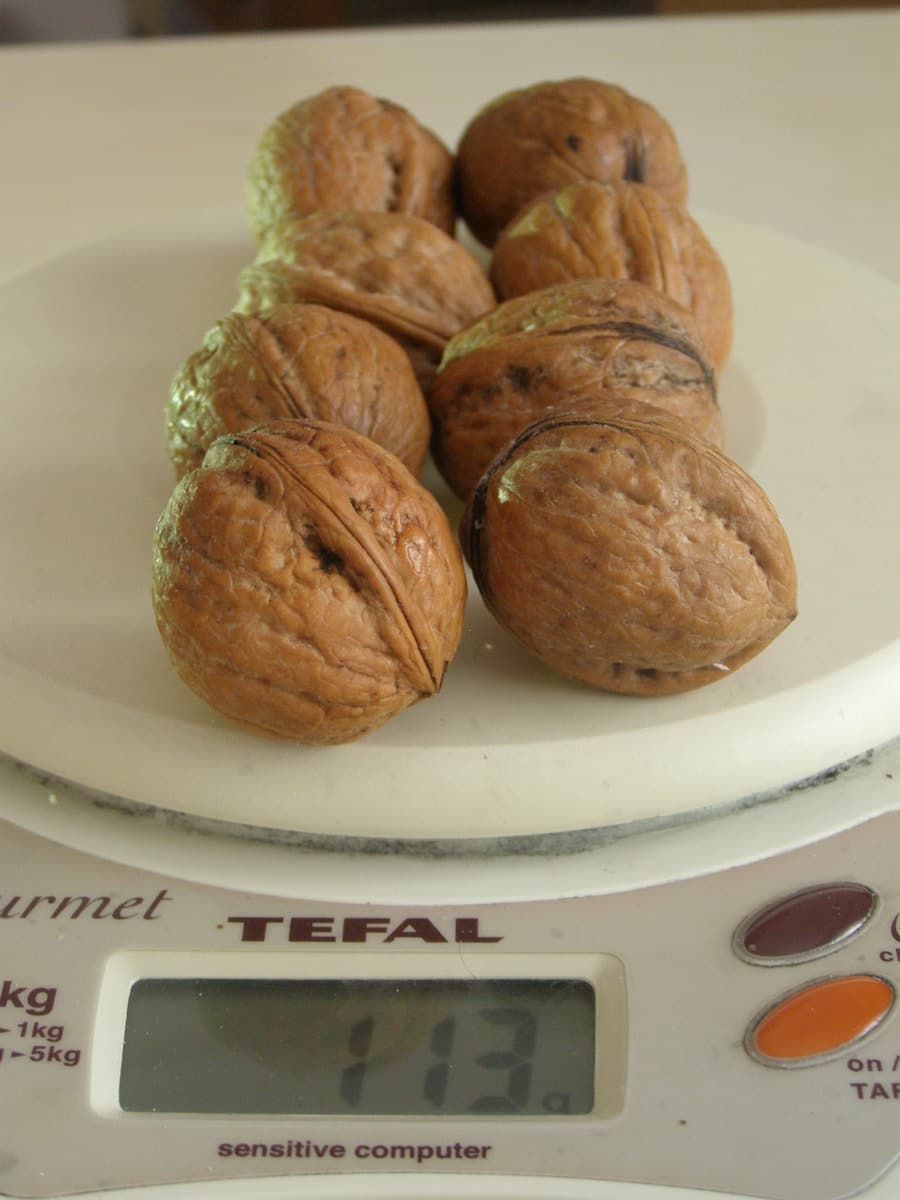
Choosing not to track macros and calories on a ketogenic diet can have both positive and negative impacts. On one hand, it may lead to a more relaxed relationship with food, allowing you to enjoy meals without the stress of constant calculations. This can foster a healthier mindset around eating and help you develop a more intuitive approach to hunger and fullness.
On the other hand, not tracking can sometimes result in unintentional overconsumption of carbohydrates or fats that could hinder your progress toward ketosis or weight loss goals. Without awareness of what you’re eating, it’s easy to underestimate portion sizes or overlook hidden carbs in certain foods. Therefore, while it’s possible to succeed without tracking, it’s essential to remain mindful of your food choices to ensure they align with your dietary objectives.
Tips for Successfully Following a Ketogenic Diet Without Tracking Macros and Calories
If you decide to follow a ketogenic diet without tracking macros and calories, there are several strategies you can implement to stay on course. First, focus on whole foods that are naturally low in carbohydrates and high in healthy fats. Incorporating plenty of non-starchy vegetables can help fill you up while keeping carb counts low.
Foods like leafy greens, broccoli, cauliflower, and zucchini are excellent choices that provide essential nutrients without derailing your diet. Another helpful tip is to establish a routine around meal times and snacks. By planning your meals ahead of time and having keto-friendly snacks readily available, you can reduce the temptation to reach for high-carb options when hunger strikes.
Additionally, consider experimenting with different recipes that excite your palate; this will keep your meals enjoyable and satisfying while adhering to keto principles.
Finding the Right Approach for You
In conclusion, navigating the world of the ketogenic diet requires careful consideration of how best to approach tracking macros and calories. While some individuals thrive on meticulous tracking for accountability and clarity, others may find it burdensome or counterproductive. The key lies in understanding your unique needs and preferences as you embark on this dietary journey.
Ultimately, whether you choose to track every macronutrient or adopt a more intuitive approach, the most important factor is finding what works best for you. Embrace flexibility in your eating habits while remaining mindful of your goals. With the right mindset and strategies in place, you can successfully navigate the ketogenic diet in a way that promotes both physical health and mental well-being.
FAQs
What is a ketogenic diet?
A ketogenic diet is a high-fat, low-carbohydrate diet that has been shown to help with weight loss, improve blood sugar control, and provide other health benefits.
What are macros and calories?
Macros, short for macronutrients, refer to the three main components of food: carbohydrates, protein, and fat. Calories are a measure of the energy content of food.
Is it necessary to track macros and calories on a ketogenic diet?
While some people find it helpful to track macros and calories on a ketogenic diet, it is not necessary for everyone. Some individuals may be able to achieve their goals without tracking, while others may benefit from the structure and awareness that tracking provides.
What are the potential benefits of tracking macros and calories on a ketogenic diet?
Tracking macros and calories can help individuals ensure they are consuming the appropriate amount of nutrients for their goals, such as weight loss or muscle gain. It can also provide insight into eating patterns and help identify areas for improvement.
Are there potential drawbacks to tracking macros and calories on a ketogenic diet?
For some individuals, tracking macros and calories can lead to an unhealthy preoccupation with food and may contribute to disordered eating behaviors. It can also be time-consuming and may not be sustainable for everyone.
What are some alternative approaches to a ketogenic diet that do not involve tracking macros and calories?
Some individuals may find success with a more intuitive approach to eating, focusing on whole, unprocessed foods and paying attention to hunger and fullness cues. Others may benefit from working with a healthcare professional or registered dietitian to develop a personalized plan.





