
Cyclical Ketogenic Diet
Are you seeking a sustainable and practical approach to weight loss and overall health improvement? Look no further than the Cyclical Ketogenic Diet! This unique approach to eating involves alternating between periods of low-carbohydrate intake and higher-carbohydrate consumption, allowing your body to enter a state of ketosis and efficiently burn fat for energy.
By following this cyclical pattern, you can enjoy the benefits of both a ketogenic diet and occasional carb-filled meals, making it a flexible and satisfying option for long-term weight management. Say goodbye to restrictive diets and hello to a healthier lifestyle with the Cyclical Ketogenic Diet!

What is a Cyclical Ketogenic Diet
Definition and Overview
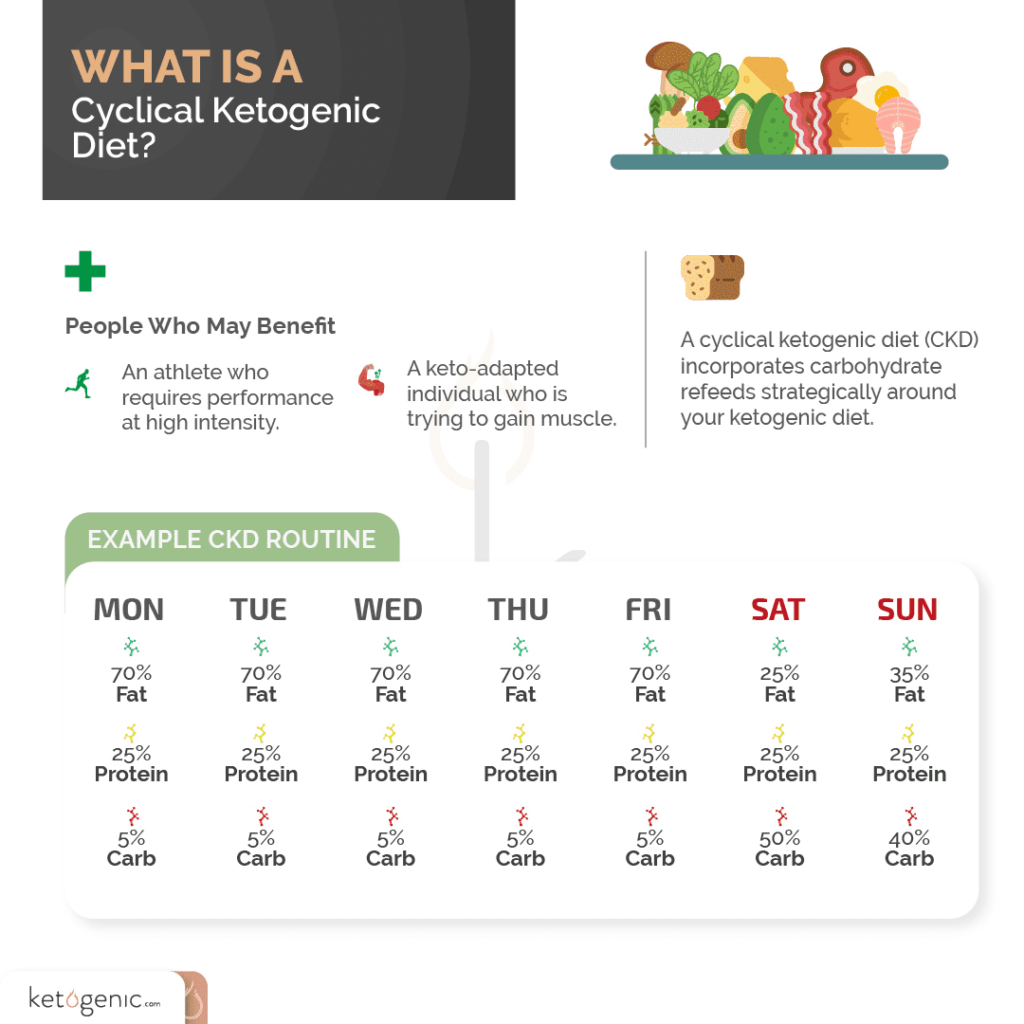
A cyclical ketogenic diet is a variation of the traditional ketogenic diet that involves cycling periods of high-carbohydrate intake with periods of very low-carbohydrate intake. In this diet, you alternate between strict adherence to a carbohydrate-restricted diet and planned periods of carbohydrate refeeding. This approach aims to optimize the body’s ability to burn fat for fuel while still providing the benefits of occasional carbohydrate consumption.
How it Differs from Other Types of Ketogenic Diets
The main difference between a cyclical ketogenic diet and other types of ketogenic diets, such as the standard ketogenic diet (SKD) and targeted ketogenic diet (TKD), lies in the strategic inclusion of planned carbohydrate refeeds. While SKD involves consistently low carbohydrate intake and TKD allows for small amounts of carbohydrates around workouts, a cyclical ketogenic diet follows a more structured pattern of carbohydrate cycling. This particular approach is often preferred by physically active individuals and athletes who require periodic boosts in glycogen stores.
Benefits and Potential Drawbacks
The cyclical ketogenic diet offers several benefits, including improved fat burning and weight loss, enhanced insulin sensitivity, and heightened cognitive function. Additionally, it may have potential benefits for specific medical conditions. However, it is also essential to consider potential drawbacks. The efficacy of the diet may vary from person to person, and some individuals may experience side effects such as fatigue, cravings, and difficulty adhering to the diet in the long term.
How a Cyclical Ketogenic Diet Works
Basic Principles
A cyclical ketogenic diet operates on the principle of altering fuel sources to promote fat adaptation and metabolic flexibility. During the low-carbohydrate phase, your body enters a state of ketosis, where it relies primarily on fat for energy instead of glucose from carbohydrates. This metabolic shift encourages the utilization of stored body fat, leading to weight loss. The periodic carbohydrate refeeding phase replenishes glycogen stores, supporting high-intensity exercise performance and providing mental and physical relief from the strictness of ketosis.
Understanding Ketosis and Fat Adaptation
In ketosis, the liver produces ketones from fatty acids to supply energy to the body and brain. This process occurs when carbohydrate intake is limited and glycogen stores are depleted. Over time, the body becomes fat-adapted, meaning it becomes more efficient at utilizing fat as an energy source. Fat adaptation typically takes a few weeks, during which you may experience symptoms such as fatigue and decreased exercise performance. However, once adapted, you can tap into your fat stores more efficiently.
Introducing Carb Refeeding and Cyclical Planning
Carb refeeding, also known as a carb-up or refeed day, is an essential component of the cyclical ketogenic diet. It involves strategically increasing carbohydrate intake for a specified period, usually one to two days, to replenish muscle glycogen and provide a temporary break from ketosis. This cyclical planning allows individuals to enjoy the benefits of both a low-carbohydrate diet and periods of controlled carbohydrate consumption. The timing and frequency of refeeds can vary depending on individual goals and tolerance to carbohydrates.
Implementation of a Cyclical Ketogenic Diet
Determining the Right Macros
To implement a cyclical ketogenic diet, it is crucial to determine the optimal macronutrient ratios tailored to your specific needs and goals. Typically, this involves a high intake of healthy fats, moderate protein consumption, and restricted carbohydrates during the low-carb phase. Calculating your macros can be done using online calculators or with guidance from a healthcare professional, a registered dietitian, or a nutritionist.
Establishing a Carb Refeeding Schedule
Establishing a carb refeeding schedule depends on factors such as activity levels, personal preferences, and weight loss goals. Some individuals may opt for a more frequent refeeding approach, such as once a week, while others may choose a less frequent schedule, such as once every two weeks. Experimentation and monitoring of progress will help determine the ideal frequency and duration of refeeds.
Monitoring Progress and Adjusting Accordingly
To ensure the effectiveness of a cyclical ketogenic diet, it is essential to monitor progress closely. This includes assessing weight loss, body composition, energy levels, and overall well-being. Regular tracking of macronutrient intake, exercise performance, and ketone levels through methods like blood testing or urine strips can provide valuable insights. Adjustments to the diet may be necessary based on individual responses and desired outcomes.
Health Benefits of a Cyclical Ketogenic Diet
Improved Fat Burning and Weight Loss
One of the primary benefits of a cyclical ketogenic diet is its potential for improved fat burning and weight loss. By restricting carbohydrates during the low-carb phase and activating ketosis, the body becomes a more efficient fat-burning machine. This can lead to significant reductions in body weight, body fat percentage, and waist circumference.
Enhanced Insulin Sensitivity
The cyclical ketogenic diet has been shown to enhance insulin sensitivity, which is particularly beneficial for individuals with prediabetes, type 2 diabetes, or metabolic syndrome. By minimizing carbohydrate intake during most days of the week, blood sugar levels remain stable, reducing the need for excessive insulin release. Including carbohydrate refeeds intermittently can also improve insulin sensitivity by temporarily restoring glycogen stores.
Enhanced Cognitive Function
Ketones, the byproduct of fat metabolism during ketosis, provide an alternative fuel source for the brain. Some studies suggest that a cyclical ketogenic diet may enhance cognitive function, mental clarity, and focus. The increased availability of ketones as a brain fuel can positively impact memory, attention span, and overall cognitive performance.
Potential Benefits for Certain Medical Conditions
Emerging research indicates that a cyclical ketogenic diet may have potential benefits for various medical conditions, including neurological disorders like epilepsy and neurodegenerative diseases like Alzheimer’s and Parkinson’s. While more studies are needed, early evidence suggests that the metabolic changes induced by this dietary approach have a positive impact on brain health.
Potential Drawbacks and Considerations
Potential Side Effects
As with any dietary approach, a cyclical ketogenic diet may have potential side effects. During the initial phase of fat adaptation, some individuals may experience symptoms commonly known as the “keto flu.” These can include fatigue, headache, nausea, irritability, and difficulty concentrating. It is crucial to stay well-hydrated, ensure sufficient electrolyte intake, and gradually transition into ketosis to minimize these effects.
Individual Variations and Response
Not everyone responds to a cyclical ketogenic diet in the same way. Individual variations in metabolism, genetics, and lifestyle factors can influence the effectiveness of the diet and the ability to tolerate carbohydrate refeeds. Some individuals may find it challenging to maintain ketosis consistently, while others may experience significant improvements in overall well-being and performance.
Maintaining Adherence and Long-Term Sustainability
Adhering to a cyclical ketogenic diet can be challenging, particularly during the initial phase of carbohydrate restriction. The cyclic nature of the diet requires careful planning and adherence to ensure the desired benefits. It is essential to find a balance between enjoying occasional carbohydrate-rich meals and remaining committed to the low-carb phase. Sustaining the diet in the long term may require ongoing monitoring, support, and adjustments to prevent feelings of deprivation or burnout.
Who Should Try a Cyclical Ketogenic Diet
Physically Active Individuals
The cyclical ketogenic diet is particularly suitable for physically active individuals seeking to optimize their body composition while maintaining high-intensity exercise performance. By incorporating planned carbohydrate refeeds, athletes, weightlifters, and fitness enthusiasts can replenish muscle glycogen stores and enhance recovery.
Athletes and Bodybuilders
Athletes and bodybuilders who engage in intense training sessions or competitions can benefit from the cyclical ketogenic diet. The strategic inclusion of carbohydrate refeeds provides a temporary energy boost and replenishment of glycogen stores, enabling improved performance during periods of intense physical exertion.
Individuals Seeking Metabolic Flexibility
For some individuals, metabolic flexibility is a desired outcome. This refers to the body’s ability to efficiently switch between different fuel sources, mainly fat and carbohydrates. The cyclical ketogenic diet promotes metabolic flexibility by training the body to adapt to using fat stores during the low-carb phase, while still maintaining the ability to utilize carbohydrates during refeeding periods.
Cyclical Ketogenic Diet vs. Standard Ketogenic Diet
Differences in Macronutrient Composition
The primary difference between a cyclical ketogenic diet and a standard ketogenic diet (SKD) lies in the macronutrient composition during the refeeding phase. While both diets share similar principles of carbohydrate restriction and fat adaptation, a cyclical ketogenic diet intentionally reintroduces carbohydrates periodically. In contrast, an SKD maintains constant carbohydrate restriction.
Effect on Performance and Muscle Growth
The cyclical ketogenic diet, with its planned carbohydrate refeeds, can support high-intensity exercise performance and muscle growth. This is particularly beneficial for athletes and individuals engaged in resistance training. On the other hand, the standard ketogenic diet may be more suitable for sedentary individuals or those primarily focused on fat loss without significant performance goals.
Applicability to Different Lifestyle and Health Goals
The choice between a cyclical ketogenic diet and a standard ketogenic diet depends on individual lifestyle and health goals. If occasional carbohydrate consumption is desired or necessary due to intense physical activity, a cyclical ketogenic diet offers more flexibility. In contrast, individuals who prefer a more consistent and straightforward approach to carbohydrate restriction may find the standard ketogenic diet more suitable.
Sample Meal Plan for a Cyclical Ketogenic Diet
Planning a Typical Day on a Cyclical Ketogenic Diet
A sample meal plan for a cyclical ketogenic diet may include a variety of foods rich in healthy fats, moderate amounts of protein, and low-carbohydrate options. A typical day could start with a breakfast of eggs cooked in coconut oil, accompanied by avocado and spinach. Lunch may consist of grilled chicken, mixed greens, and olive oil dressing. For dinner, salmon with roasted vegetables and butter would provide essential fats and nutrients. During the refeeding phase, carbohydrate-rich foods, such as sweet potatoes or quinoa, can be introduced in controlled amounts.
Meal Suggestions and Options
When following a cyclical ketogenic diet, meal options can be diverse and flavorful. Healthy fats such as avocados, nuts and seeds, olive oil, and coconut oil can be incorporated into meals and snacks. Protein sources, such as lean meats, fish, poultry, and eggs, should be included in appropriate portions. Non-starchy vegetables, such as leafy greens, broccoli, and cauliflower, are excellent choices for a healthy diet. During carbohydrate refeeding, whole grains, fruits, and legumes can be consumed in moderation.

Common Misconceptions About a Cyclical Ketogenic Diet
Beliefs and Myths Surrounding the Diet
There are several misconceptions surrounding the cyclical ketogenic diet. One common misconception is that the diet permits unrestricted consumption of unhealthy carbohydrates during the refeeding phase. However, it is essential to choose nutrient-dense carbohydrates and focus on quality sources. Another misconception is that the diet may cause muscle loss; however, if protein intake is adequate and workouts are correctly structured, muscle mass can be maintained or even increased.
Clarifying Misunderstandings
It is crucial to clarify misunderstandings about the cyclical ketogenic diet to ensure accurate information. The diet is not a license to indulge in unhealthy foods during the refeeding phase but rather an opportunity to strategically incorporate appropriate carbohydrates. Additionally, while the diet promotes fat adaptation, it does not mean the body entirely stops using carbohydrates as a source of fuel. The cyclical ketogenic diet allows for metabolic flexibility while emphasizing fat burning during the low-carb phase.
Tips for Success with a Cyclical Ketogenic Diet
Preparation and Meal Planning
Preparation and meal planning are key to success on a cyclical ketogenic diet. Plan and prepare meals in advance to ensure a variety of healthy food choices are readily available. Stock your pantry with keto-friendly ingredients and snacks to help you resist temptation during the low-carb phase. Consider batch cooking and utilizing meal prep techniques to save time and make adherence easier.
Finding Balance and Flexibility
Finding a balance between the low-carbohydrate phase and the refeeding phase is essential for long-term adherence. Embrace the flexibility of the cyclical ketogenic diet, but remain mindful of portion sizes and food choices during carbohydrate refeeds. This will help maintain control over total caloric intake and prevent excessive overindulgence.
Managing Cravings and Temptations
Cravings and temptations can arise when following a cyclical ketogenic diet, especially during the low-carbohydrate phase. To manage cravings, ensure you are consuming enough healthy fats and protein to feel satiated. Incorporating low-carbohydrate, high-fiber foods can also help keep you feeling fuller for a more extended period. Identify and address emotional or situational triggers that may lead to cravings, and consider seeking support from friends, family, or online communities.
Seeking Professional Guidance and Support
If you are considering embarking on a cyclical ketogenic diet, it is worthwhile seeking guidance and support from a healthcare professional or registered dietitian. They can provide personalized recommendations, track your progress, and help you make necessary adjustments. Additionally, joining online communities or finding a workout partner who follows a similar dietary approach can provide motivation and support along the journey.
A cyclical ketogenic diet is a strategic and structured approach to balancing carbohydrate restriction with planned periods of carbohydrate refeeding. It offers unique benefits, including improved fat burning, enhanced insulin sensitivity, and potential cognitive enhancements.
The diet can be particularly beneficial for physically active individuals, athletes, and those seeking metabolic flexibility. By carefully implementing and monitoring the diet, individuals can achieve their health and performance goals while enjoying a diverse range of nutritious foods.

RELATED TOPICS ABOUT Cyclical Ketogenic Diet:
Ckd Diet,
Cyclical Keto Diet,
Carb Cycling on Keto,
Ketogenic Carb Cycling,
Cyclical Ketosis Diet,
Ckd Keto Plan,
How to Do Cyclical Keto,
Weekly Cyclical Keto Plan,
Carb Refeed Days on Keto,
Keto Cycling Schedule,
High Carb Days on Keto,
When to Refeed on Keto,
Cyclical Keto for Athletes,
Ckd for Bodybuilding,
Keto Carb Cycling for Muscle Growth,
Performance on Cyclical Keto,
Ckd Vs Targeted Keto,
Keto and Glycogen Replenishment,
Ckd Meal Plan,
Cyclical Keto Food List,
Low Carb Days Vs High Carb Days,
Refeed Day Meals on Ckd,
Weekly Ckd Meal Prep,
Sample Ckd Diet Plan,
Cyclical Keto for Fat Loss,
Ckd for Muscle Building,
Ckd for Cutting,
Ckd for Metabolic Flexibility,
Fat Adaptation and Carb Refeeds,
Ckd for Enhanced Performance,
Cyclical Keto for Women,
Ckd for Men over 40,
Ckd for Beginners,
Keto Athletes Using Ckd,
Ckd for Endurance Training,
Cyclical Keto Schedule Pdf,
Printable Ckd Meal Planner,
Weekly Ckd Carb Refeed Tracker,
Ckd Macronutrient Calculator,
Ckd Progress Tracking Chart,
Beginner’s Guide to Ckd
==========
Content 10/10/G


