The ketogenic diet, commonly referred to as the keto diet, is a high-fat, moderate-protein, and very low-carbohydrate eating plan that has gained immense popularity in recent years. The primary goal of the keto diet is to shift the body’s metabolism from relying on glucose derived from carbohydrates to utilizing fat as its primary energy source. This metabolic state is known as ketosis, where the liver converts fatty acids into ketones, which can be used as an alternative fuel source for the brain and body.
By drastically reducing carbohydrate intake—typically to about 5-10% of total daily calories—individuals can encourage their bodies to enter this state of ketosis, leading to various health benefits, including weight loss, improved mental clarity, and enhanced energy levels. Low-carb foods are essential in achieving and maintaining ketosis. When carbohydrates are consumed, they are broken down into glucose, which can spike insulin levels and hinder the body’s ability to burn fat.
By focusing on low-carb foods, individuals can minimize insulin spikes and promote fat oxidation. This dietary approach not only aids in weight management but also has been linked to improved markers of health, such as reduced blood sugar levels and lower triglycerides. Furthermore, many low-carb foods are nutrient-dense, providing essential vitamins and minerals while keeping carbohydrate intake minimal.
Key Takeaways
- The Keto Diet focuses on low carb foods to promote fat burning and weight loss
- Low carb foods include vegetables, high protein options, fruits, healthy fats, nuts, dairy, sweeteners, and grains
- Essential low carb vegetables for Keto include leafy greens, broccoli, cauliflower, and bell peppers
- High protein low carb foods for Keto include chicken, turkey, fish, and tofu
- Low carb fruits to enjoy on Keto include berries, avocados, and tomatoes
Understanding the Basics of Low Carb Foods
Low-carb foods are those that contain a minimal amount of carbohydrates per serving. These foods are typically rich in proteins and healthy fats, making them ideal for those following a ketogenic diet. Understanding the carbohydrate content of various foods is crucial for anyone looking to adopt a low-carb lifestyle.
Foods such as grains, legumes, and most fruits are generally high in carbohydrates and should be limited or avoided on a keto diet. Instead, individuals should focus on foods that are low in carbs but high in nutrients. The carbohydrate content in foods can vary significantly.
For instance, while a medium-sized apple contains approximately 25 grams of carbohydrates, a cup of spinach has less than 1 gram. This stark contrast highlights the importance of choosing low-carb options that can fit within the daily carbohydrate allowance of a keto diet, which is often set at around 20-50 grams of net carbs per day. Net carbs are calculated by subtracting fiber content from total carbohydrates since fiber does not significantly impact blood sugar levels.
By prioritizing low-carb foods, individuals can effectively manage their carbohydrate intake while still enjoying a diverse and satisfying diet.
Essential Low Carb Vegetables for Keto
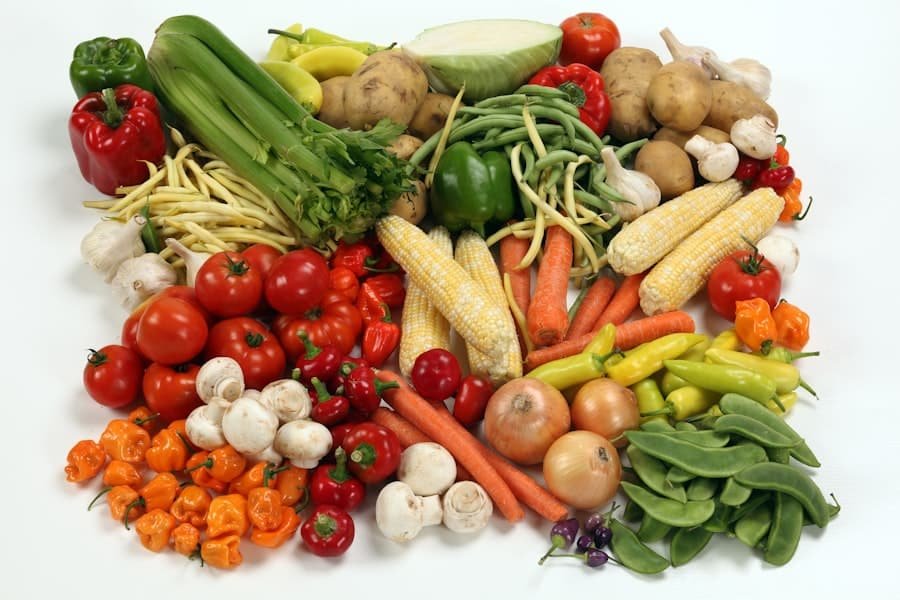
Vegetables are an integral part of any healthy diet, including the ketogenic diet. However, not all vegetables are created equal when it comes to carbohydrate content. Leafy greens such as spinach, kale, and arugula are excellent choices for those on a keto diet due to their low carbohydrate content and high nutrient density.
For example, one cup of raw spinach contains only about 1 gram of net carbs while providing essential vitamins A and C, iron, and calcium. These vegetables can be easily incorporated into salads, smoothies, or sautéed dishes. Cruciferous vegetables like broccoli, cauliflower, and Brussels sprouts also make the cut for low-carb options.
Cauliflower is particularly versatile; it can be transformed into cauliflower rice or mashed cauliflower as a substitute for traditional grains or potatoes. One cup of chopped cauliflower contains approximately 5 grams of net carbs. Additionally, these vegetables are rich in antioxidants and fiber, promoting digestive health and reducing inflammation.
By incorporating a variety of low-carb vegetables into meals, individuals can ensure they receive adequate nutrients while adhering to their ketogenic lifestyle.
High Protein Low Carb Foods for Keto
Protein is a vital macronutrient that plays a crucial role in muscle repair, immune function, and overall health. For those following a ketogenic diet, selecting high-protein foods that are also low in carbohydrates is essential for maintaining muscle mass while promoting fat loss. Animal-based proteins such as meat, poultry, fish, and eggs are excellent choices due to their high protein content and minimal carbohydrate levels.
For instance, a 3-ounce serving of grilled chicken breast contains about 0 grams of carbohydrates while providing approximately 26 grams of protein. In addition to animal proteins, there are plant-based options available for those who prefer vegetarian or vegan diets. Tofu and tempeh are both high in protein and low in carbs; a 3-ounce serving of firm tofu contains around 2 grams of carbohydrates and 10 grams of protein.
Furthermore, incorporating protein-rich foods into meals can help increase satiety and reduce cravings, making it easier to adhere to a low-carb lifestyle. By focusing on high-protein low-carb foods, individuals can support their health goals while enjoying satisfying meals.
Low Carb Fruits to Enjoy on Keto
While many fruits are typically high in sugar and carbohydrates, there are still several options that can be enjoyed in moderation on a ketogenic diet. Berries are among the best choices due to their lower carbohydrate content compared to other fruits. For example, one cup of raspberries contains approximately 15 grams of carbohydrates but also provides 8 grams of fiber, resulting in only 7 grams of net carbs.
Blueberries and strawberries are also relatively low in carbs and can be included in small portions as part of a balanced keto diet. Avocados stand out as a unique fruit that is not only low in carbohydrates but also high in healthy fats. A whole avocado contains about 12 grams of carbohydrates but provides an impressive 10 grams of fiber, resulting in only 2 grams of net carbs.
Additionally, avocados are rich in monounsaturated fats, which can support heart health and promote feelings of fullness. Incorporating these low-carb fruits into meals or snacks can add flavor and variety while keeping carbohydrate intake within desired limits.
Healthy Fats and Oils for a Low Carb Diet
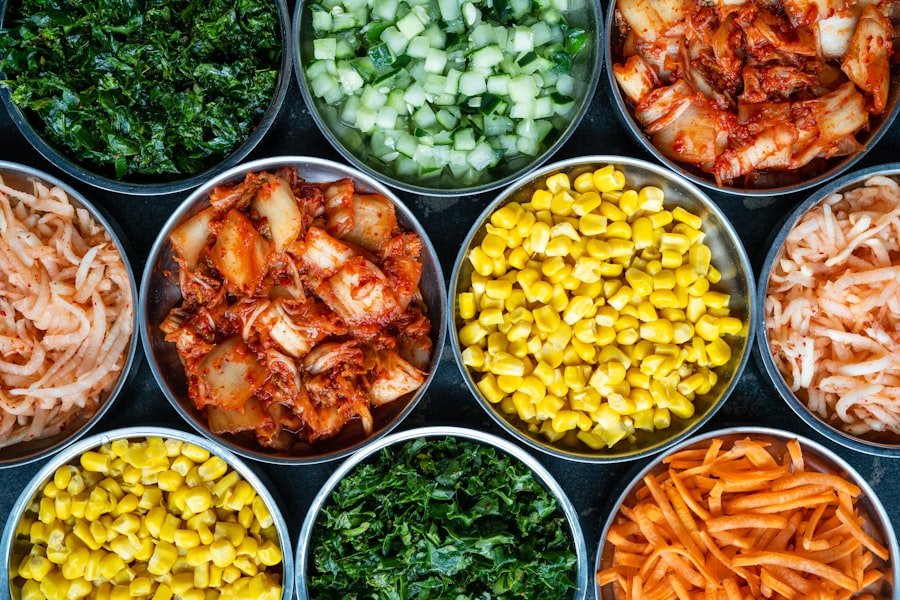
Healthy fats play a pivotal role in the ketogenic diet as they serve as the primary source of energy when carbohydrates are restricted. Incorporating healthy fats into meals not only helps maintain ketosis but also supports overall health by providing essential fatty acids and aiding in the absorption of fat-soluble vitamins. Some excellent sources of healthy fats include avocados, olive oil, coconut oil, and nuts.
Olive oil is particularly beneficial due to its high content of monounsaturated fats and antioxidants. It has been linked to numerous health benefits, including reduced inflammation and improved heart health. Coconut oil is another popular choice among those following a keto diet; it contains medium-chain triglycerides (MCTs), which can be rapidly converted into ketones for energy.
These oils can be used for cooking or drizzled over salads to enhance flavor while providing healthy fats that support ketosis.
Low Carb Nuts and Seeds for Keto Snacking
Nuts and seeds are excellent options for snacking on a ketogenic diet due to their high fat content and relatively low carbohydrate levels. They provide a satisfying crunch while delivering essential nutrients such as protein, fiber, vitamins, and minerals. Almonds are one of the most popular choices; a one-ounce serving contains about 6 grams of carbohydrates but provides 3.5 grams of fiber, resulting in only 2.5 grams of net carbs.
Chia seeds and flaxseeds are also fantastic additions to a low-carb diet. Chia seeds contain approximately 12 grams of carbohydrates per ounce but offer an impressive 10 grams of fiber, leading to just 2 grams of net carbs. They can be used to make chia pudding or added to smoothies for an extra nutrient boost.
Flaxseeds are similarly low in net carbs and can be ground into meal for use in baking or sprinkled over salads for added texture and nutrition. By incorporating these nuts and seeds into snacks or meals, individuals can enjoy satisfying options that align with their keto goals.
Dairy Products that are Low in Carbs for Keto
Dairy products can be an excellent source of protein and healthy fats while being relatively low in carbohydrates when chosen wisely. Full-fat dairy options such as cheese, heavy cream, and Greek yogurt can fit seamlessly into a ketogenic diet. For instance, one ounce of cheddar cheese contains about 1 gram of carbohydrates while providing approximately 7 grams of protein and 9 grams of fat.
This makes cheese not only delicious but also an ideal choice for those looking to maintain ketosis. Heavy cream is another versatile dairy product that is low in carbs; it contains about 0.4 grams of carbohydrates per tablespoon while being rich in fat content. It can be used in coffee or incorporated into sauces for added creaminess without significantly impacting carbohydrate intake.
Greek yogurt is also an option but should be chosen carefully; opting for full-fat versions with no added sugars is crucial to keep carb counts low. By incorporating these dairy products into meals or snacks, individuals can enjoy creamy textures while adhering to their low-carb lifestyle.
Low Carb Sweeteners for Keto-Friendly Desserts
One common challenge for those following a ketogenic diet is satisfying sweet cravings without consuming excessive carbohydrates. Fortunately, there are several low-carb sweeteners available that can be used as substitutes for traditional sugar without derailing ketosis. Erythritol is one popular option; it is a sugar alcohol that contains zero calories and has no impact on blood sugar levels.
It can be used in baking or sprinkled over dishes as a sweetener without adding any net carbs. Stevia is another natural sweetener that is often favored by those on a keto diet due to its intense sweetness without calories or carbs. Derived from the leaves of the Stevia rebaudiana plant, it can be found in liquid or powdered forms and used in various recipes ranging from desserts to beverages.
Monk fruit sweetener is yet another alternative that has gained popularity; it is derived from monk fruit extract and contains zero calories or carbs while providing sweetness comparable to sugar. By utilizing these low-carb sweeteners, individuals can indulge their sweet tooth without compromising their dietary goals.
Low Carb Grains and Flours for Baking on Keto
Traditional grains such as wheat flour are typically high in carbohydrates and unsuitable for a ketogenic diet; however, there are several low-carb alternatives available that allow individuals to enjoy baked goods without exceeding their carb limits. Almond flour is one of the most popular substitutes; it is made from finely ground almonds and contains only about 2 grams of net carbs per tablespoon while being rich in healthy fats and protein. Coconut flour is another excellent option; it is highly absorbent and requires adjustments in recipes due to its unique properties but offers only about 6 grams of net carbs per ounce.
Additionally, flaxseed meal can be used as a flour substitute; it provides healthy omega-3 fatty acids along with fiber while containing around 1 gram of net carbs per tablespoon. By experimenting with these low-carb flours, individuals can create delicious baked goods such as bread, muffins, or cookies that align with their ketogenic lifestyle.
How to Create Balanced Meals with Low Carb Foods
Creating balanced meals on a ketogenic diet involves combining various low-carb foods from different categories to ensure adequate nutrition while maintaining ketosis. A well-rounded meal should include a source of protein, healthy fats, non-starchy vegetables, and optional low-carb fruits or dairy products for added flavor and nutrients. For example, a meal could consist of grilled salmon (protein) served with sautéed spinach (vegetable) cooked in olive oil (fat) alongside a side salad topped with avocado (healthy fat) and sprinkled with nuts (snack).
Meal planning is an effective strategy for ensuring balanced meals throughout the week while adhering to low-carb guidelines. Preparing meals in advance allows individuals to have ready-to-eat options available that align with their dietary goals without resorting to high-carb convenience foods. Incorporating variety by experimenting with different recipes using low-carb ingredients can also help prevent monotony in meals while ensuring nutritional needs are met.
By understanding the principles behind the ketogenic diet and focusing on incorporating essential low-carb foods into daily meals, individuals can successfully navigate their dietary journey while enjoying flavorful dishes that support their health objectives.
FAQs
What is a low carb foods list for keto?
A low carb foods list for keto is a compilation of foods that are low in carbohydrates and suitable for a ketogenic diet. These foods are typically high in fat and moderate in protein, and they help the body enter a state of ketosis, where it burns fat for fuel instead of carbohydrates.
What are some examples of low carb foods for keto?
Examples of low carb foods for keto include meats such as beef, chicken, and bacon, fatty fish like salmon and mackerel, eggs, low carb vegetables like spinach, broccoli, and cauliflower, high-fat dairy products like cheese and butter, nuts and seeds, and healthy fats like avocado and olive oil.
Why is it important to have a low carb foods list for keto?
Having a low carb foods list for keto is important because it helps individuals following a ketogenic diet to make informed choices about the foods they consume. By sticking to low carb options, they can maintain ketosis and experience the potential benefits of the diet, such as weight loss and improved energy levels.
Can I customize my low carb foods list for keto?
Yes, you can customize your low carb foods list for keto based on your personal preferences and dietary restrictions. It’s important to choose foods that are low in carbohydrates and high in healthy fats, while also ensuring that you are meeting your nutritional needs.
Are there any foods to avoid on a low carb foods list for keto?
Foods to avoid on a low carb foods list for keto include high carb items such as bread, pasta, rice, and sugary snacks, as well as starchy vegetables like potatoes and high-sugar fruits. It’s also important to limit intake of processed foods and sugary beverages.