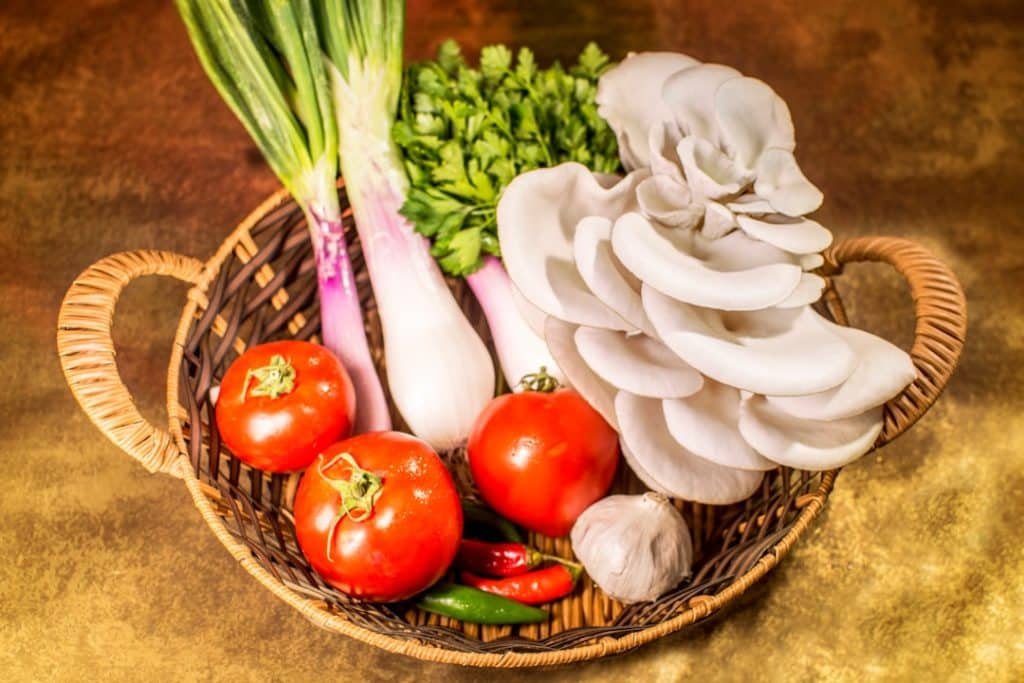
The ketogenic diet, commonly referred to as the keto diet, has gained immense popularity in recent years as a powerful tool for weight loss and overall health improvement. This high-fat, low-carbohydrate dietary approach is designed to shift the body’s metabolism from burning glucose, derived from carbohydrates, to burning ketones, which are produced from fat. The fundamental principle behind the keto diet is to induce a state of ketosis, where the body becomes highly efficient at burning fat for energy.
This metabolic state not only aids in weight loss but also has been linked to various health benefits, including improved mental clarity and reduced inflammation. The origins of the keto diet can be traced back to the early 20th century when it was initially developed as a treatment for epilepsy. Researchers discovered that fasting could reduce seizure frequency in patients, leading to the development of a diet that mimicked the effects of fasting without requiring complete abstinence from food.
Over time, the keto diet has evolved and gained traction among those seeking to lose weight or manage conditions such as type 2 diabetes and metabolic syndrome. As more individuals turn to this dietary approach, understanding the foods that fit within the keto framework becomes essential for success.
Key Takeaways
- The keto diet is a low-carb, high-fat diet that has been shown to help with weight loss and improve overall health.
- A keto diet foods list includes high-fat, low-carb foods such as meat, fish, eggs, dairy, and non-starchy vegetables.
- Benefits of a keto diet include weight loss, improved blood sugar control, and increased energy levels.
- To use a keto diet foods list, focus on incorporating high-fat, low-carb foods into your meals and snacks.
- Beginners can start with simple keto-friendly foods like avocados, nuts, and olive oil to ease into the diet.
What is a Keto Diet Foods List?
A keto diet foods list serves as a practical guide for individuals embarking on their ketogenic journey. This list categorizes foods based on their macronutrient profiles, specifically focusing on those that are low in carbohydrates and high in healthy fats. The primary goal is to minimize carbohydrate intake to around 20-50 grams per day while maximizing fat consumption, which typically comprises about 70-80% of total daily calories.
Proteins also play a crucial role, making up approximately 20-25% of caloric intake. When constructing a keto diet foods list, it is essential to include a variety of food groups to ensure nutritional adequacy. This includes healthy fats such as avocados, olive oil, and nuts; protein sources like fatty fish, poultry, and eggs; and low-carb vegetables such as leafy greens and cruciferous vegetables.
Additionally, it is important to avoid high-carb foods like grains, sugars, and starchy vegetables. By adhering to this framework, individuals can effectively navigate their food choices while maintaining the necessary macronutrient ratios for ketosis.
Benefits of a Keto Diet
The benefits of adopting a ketogenic diet extend beyond mere weight loss; they encompass a wide range of physiological and psychological improvements. One of the most notable advantages is the rapid reduction in body weight and fat mass that many individuals experience shortly after starting the diet. This is largely due to the body’s shift from glucose metabolism to fat metabolism, which can lead to significant fat loss without the constant hunger often associated with calorie-restricted diets.
In addition to weight loss, numerous studies have highlighted the potential therapeutic effects of the keto diet on various health conditions. For instance, research has shown that ketogenic diets can improve insulin sensitivity and lower blood sugar levels in individuals with type 2 diabetes. Furthermore, there is growing evidence suggesting that the keto diet may have neuroprotective effects, potentially benefiting those with neurological disorders such as Alzheimer’s disease and Parkinson’s disease.
The anti-inflammatory properties of ketones may also contribute to improved overall health and reduced risk of chronic diseases.
How to Use a Keto Diet Foods List
Utilizing a keto diet foods list effectively requires a strategic approach to meal planning and grocery shopping. First and foremost, individuals should familiarize themselves with the macronutrient content of various foods to make informed choices that align with their dietary goals. This involves not only understanding which foods are low in carbohydrates but also recognizing those that provide healthy fats and adequate protein.
When using a keto diet foods list, it is beneficial to plan meals ahead of time. This can involve creating weekly menus that incorporate a variety of foods from different categories on the list. For example, one might plan a breakfast featuring scrambled eggs cooked in butter with spinach, followed by a lunch of grilled chicken salad topped with avocado and olive oil dressing.
By having a clear plan in place, individuals can avoid impulsive food choices that may lead them away from their ketogenic goals.
Keto Diet Foods List for Beginners
For those new to the ketogenic lifestyle, having a well-structured foods list can be invaluable in navigating this dietary transition. A beginner’s keto diet foods list should include staple items that are easy to prepare and incorporate into daily meals. Essential foods might include avocados, which are rich in healthy fats; eggs, known for their versatility and protein content; and leafy greens like spinach and kale, which provide essential vitamins while being low in carbohydrates.
In addition to these staples, beginners should consider incorporating various protein sources such as fatty fish (like salmon), grass-fed meats, and poultry. Nuts and seeds can also be excellent snacks or additions to meals, providing both healthy fats and fiber. It’s important for beginners to experiment with different recipes and cooking methods to discover what they enjoy most while adhering to their dietary restrictions.
Keto Diet Foods List for Vegetarians
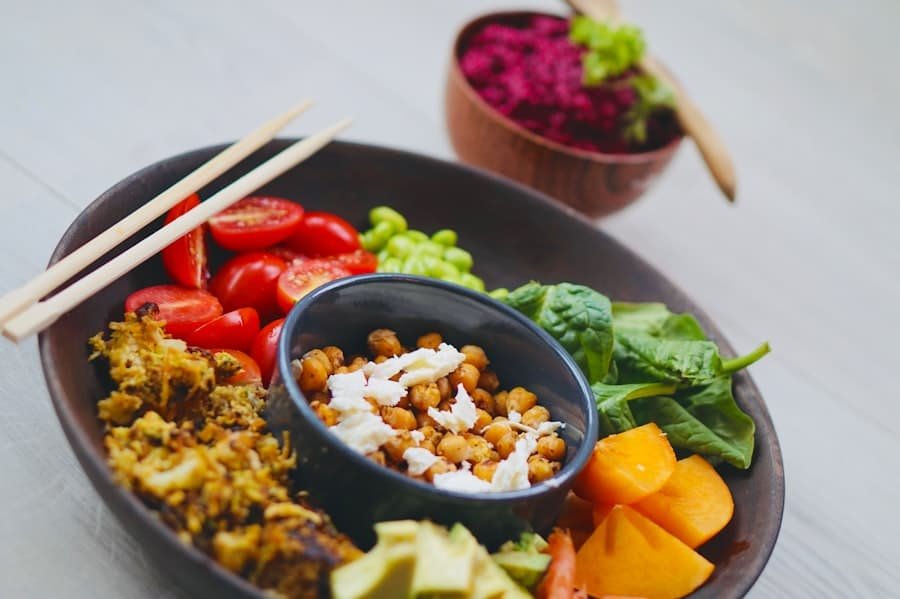
While the traditional keto diet often emphasizes animal products as primary sources of protein and fat, vegetarians can successfully follow a ketogenic lifestyle by focusing on plant-based options. A vegetarian keto diet foods list should include high-fat plant foods such as avocados, olives, coconut oil, and nuts like macadamias and pecans. These foods not only provide healthy fats but also contribute essential nutrients.
Protein sources for vegetarians on a keto diet can include eggs (if lacto-vegetarian), full-fat dairy products like cheese and Greek yogurt, as well as plant-based proteins such as tofu and tempeh. Low-carb vegetables like zucchini, cauliflower, and bell peppers should also be staples in a vegetarian keto kitchen. By creatively combining these ingredients, vegetarians can enjoy satisfying meals while maintaining their dietary preferences.
Keto Diet Foods List for Meal Planning
Meal planning is an essential component of successfully adhering to a ketogenic diet. A well-organized keto diet foods list can streamline this process by providing clear guidelines on what to include in weekly meal prep. When planning meals, it’s crucial to focus on variety to prevent monotony and ensure nutritional balance.
A comprehensive meal planning strategy might involve selecting specific proteins for each day of the week—such as chicken on Monday, beef on Tuesday, and fish on Wednesday—while pairing them with an array of low-carb vegetables and healthy fats. For instance, one could prepare a batch of roasted Brussels sprouts with olive oil as a side dish that complements multiple meals throughout the week. Additionally, incorporating different herbs and spices can enhance flavors without adding carbohydrates.
Keto Diet Foods List for Snacking
Snacking on a ketogenic diet can be both enjoyable and satisfying when armed with the right foods list. The key is to choose snacks that are low in carbohydrates yet high in healthy fats and protein. Some popular options include cheese slices or cheese sticks, which provide calcium and protein while being low in carbs.
Nuts such as almonds or walnuts are also excellent choices due to their healthy fat content. Another great snacking option is homemade fat bombs—small treats made from ingredients like coconut oil or nut butter mixed with cocoa powder or flavorings like vanilla extract. These snacks not only satisfy cravings but also help maintain energy levels between meals.
Additionally, raw vegetables like celery or cucumber paired with high-fat dips such as guacamole or cream cheese can make for refreshing snacks that align with keto guidelines.
Keto Diet Foods List for Eating Out
Dining out while following a ketogenic diet can present challenges; however, having a keto diet foods list can help navigate restaurant menus more effectively. When eating out, it’s important to focus on dishes that emphasize protein sources such as grilled meats or fish while avoiding breaded or fried options that may contain hidden carbohydrates. Many restaurants offer customizable options that allow diners to substitute high-carb sides for low-carb alternatives.
For example, instead of ordering fries or rice, one might request extra vegetables or a side salad dressed with olive oil and vinegar. Additionally, many cuisines offer naturally low-carb dishes; for instance, Mexican restaurants often have fajitas served without tortillas or Thai restaurants may offer curries with coconut milk that are rich in healthy fats.
Common Mistakes to Avoid When Using a Keto Diet Foods List
While utilizing a keto diet foods list can significantly enhance one’s chances of success on this dietary journey, there are common pitfalls that individuals should be aware of. One frequent mistake is underestimating carbohydrate intake from seemingly innocuous sources such as sauces or dressings that may contain added sugars or starches. It’s crucial to read labels carefully and opt for homemade versions whenever possible.
Another common error is neglecting the importance of hydration and electrolyte balance during the transition into ketosis. Many individuals experience symptoms of the “keto flu,” which can include fatigue and headaches due to electrolyte imbalances caused by reduced carbohydrate intake. Ensuring adequate hydration and incorporating electrolyte-rich foods like leafy greens or avocados can help mitigate these symptoms.
Conclusion and Final Tips for Using a Keto Diet Foods List
In summary, effectively using a keto diet foods list requires careful planning and awareness of one’s dietary choices. By familiarizing oneself with low-carb options across various food categories—ranging from proteins and fats to vegetables—individuals can create satisfying meals that align with their ketogenic goals. It’s also beneficial to remain flexible; experimenting with new recipes or ingredients can keep meals exciting while adhering to dietary restrictions.
For those embarking on this journey, patience is key; transitioning into ketosis may take time, but the rewards can be substantial in terms of weight loss and improved health markers. Keeping an open mind about food choices and being willing to adapt will ultimately lead to greater success on the ketogenic path.
FAQs
What is a keto diet?
A keto diet is a high-fat, low-carbohydrate diet that has been shown to help with weight loss and improve certain health conditions. It involves drastically reducing carbohydrate intake and replacing it with fat, which puts the body into a metabolic state called ketosis.
What foods are allowed on a keto diet?
Foods allowed on a keto diet include meats, fatty fish, eggs, butter, cream, cheese, nuts and seeds, healthy oils (such as olive oil and coconut oil), low-carb vegetables (such as leafy greens, broccoli, and cauliflower), and some fruits in moderation (such as berries).
What foods should be avoided on a keto diet?
Foods to be avoided on a keto diet include sugary foods (such as soda, juice, and candy), grains and starches (such as bread, pasta, and rice), fruits high in sugar (such as bananas and grapes), legumes (such as beans and lentils), and high-carb vegetables (such as potatoes and corn).
Where can I find a keto diet foods list in PDF format?
You can find a keto diet foods list in PDF format by searching online for “keto diet foods list PDF” or by visiting reputable health and nutrition websites. Many resources provide comprehensive lists of foods that are suitable for a keto diet, along with serving sizes and nutritional information.