
The ketogenic diet, commonly referred to as the keto diet, is a high-fat, low-carbohydrate eating plan designed to shift the body’s metabolism from burning glucose to burning fat for energy. This metabolic state, known as ketosis, occurs when carbohydrate intake is drastically reduced, typically to about 5-10% of total daily calories, while fat intake is increased to around 70-80%. Protein plays a crucial role in this dietary framework, as it is essential for maintaining muscle mass and supporting various bodily functions.
However, the amount of protein consumed on a keto diet must be carefully considered to ensure that it aligns with the overall goals of the diet. Protein is vital for numerous physiological processes, including tissue repair, hormone production, and immune function. On a keto diet, the recommended protein intake generally ranges from 15-30% of total daily calories.
This range allows individuals to maintain muscle mass while still promoting fat loss. However, the specific protein needs can vary based on factors such as age, sex, activity level, and individual health goals. Understanding these nuances is essential for anyone embarking on a keto journey, as it sets the foundation for achieving optimal results without compromising the state of ketosis.
Key Takeaways
- Understanding the Keto Diet and Protein Intake
- The keto diet is a high-fat, moderate-protein, low-carb diet that aims to put the body in a state of ketosis.
- The Potential Risks of Consuming Too Much Protein on Keto
- Consuming too much protein on the keto diet can lead to gluconeogenesis, where excess protein is converted into glucose, potentially hindering ketosis.
- How Excess Protein Can Impact Ketosis
- Excess protein can kick the body out of ketosis and reduce the production of ketones, which are essential for energy on the keto diet.
- The Importance of Balancing Protein with Fat on the Keto Diet
- Balancing protein with fat is crucial on the keto diet to maintain ketosis and ensure the body is using fat for fuel.
- Signs and Symptoms of Excessive Protein Consumption on Keto
- Signs of excessive protein consumption on the keto diet may include digestive issues, increased hunger, and decreased ketone levels.
- How to Calculate the Right Amount of Protein for Your Keto Diet
- Calculating the right amount of protein for your keto diet involves considering factors such as activity level, muscle mass, and individual goals.
- Finding High-Quality Sources of Protein for Keto
- High-quality sources of protein for the keto diet include meat, poultry, fish, eggs, and plant-based options like tofu and tempeh.
- Strategies for Adjusting Protein Intake on Keto
- Strategies for adjusting protein intake on the keto diet include tracking macronutrients, experimenting with different protein levels, and listening to your body’s signals.
- Consulting a Nutritionist or Dietitian for Personalized Advice
- Consulting a nutritionist or dietitian can provide personalized advice on protein intake, especially for those with specific health concerns or dietary restrictions.
- The Role of Exercise in Managing Protein Intake on Keto
- Exercise can help manage protein intake on the keto diet by supporting muscle maintenance and increasing protein utilization.
- The Bottom Line: Moderation is Key with Protein on Keto
- Moderation is key when it comes to protein intake on the keto diet, as finding the right balance is essential for achieving and maintaining ketosis.
The Potential Risks of Consuming Too Much Protein on Keto
While protein is an essential macronutrient, consuming it in excess on a ketogenic diet can lead to several potential risks. One of the primary concerns is that excessive protein intake can lead to gluconeogenesis, a metabolic process where the body converts surplus amino acids into glucose. This can inadvertently raise blood sugar levels and disrupt ketosis, undermining the very purpose of following a keto diet.
For individuals striving to maintain a state of ketosis for weight loss or other health benefits, this can be particularly counterproductive. Moreover, high protein consumption can place additional strain on the kidneys, especially in individuals with pre-existing kidney conditions. The kidneys are responsible for filtering waste products from protein metabolism, and an overload of protein can lead to increased nitrogen waste that must be excreted.
Over time, this can exacerbate kidney issues or lead to complications in those who are already at risk. Therefore, it is crucial for individuals on a keto diet to monitor their protein intake closely and ensure it remains within recommended levels to avoid these potential health risks.
How Excess Protein Can Impact Ketosis

Excessive protein intake can significantly impact the body’s ability to enter and maintain ketosis. When protein consumption exceeds the body’s needs, the surplus amino acids can be converted into glucose through gluconeogenesis. This process not only raises blood sugar levels but also stimulates insulin production, which can further inhibit fat oxidation and promote fat storage.
As a result, individuals may find it challenging to achieve or sustain ketosis if they consume too much protein. In addition to disrupting ketosis, high protein intake can also lead to fluctuations in energy levels and mood. When the body is not in a state of ketosis, it may rely more heavily on glucose for energy, which can result in energy crashes and cravings for carbohydrates.
This cycle can create a frustrating experience for those following a keto diet, as they may feel less energetic and more prone to cravings that could derail their dietary efforts. Therefore, maintaining an appropriate balance of protein is essential for ensuring that the body remains in ketosis and functions optimally.
The Importance of Balancing Protein with Fat on the Keto Diet
Balancing protein with fat is a cornerstone of the ketogenic diet. While protein is necessary for muscle maintenance and overall health, fat serves as the primary energy source in ketosis. The ideal macronutrient ratio on a keto diet typically consists of approximately 70-80% fat, 15-30% protein, and 5-10% carbohydrates.
This balance ensures that the body has sufficient fat available for energy while still providing enough protein to support bodily functions without triggering gluconeogenesis. Incorporating healthy fats into meals not only helps maintain ketosis but also promotes satiety and satisfaction. Foods rich in healthy fats—such as avocados, nuts, seeds, olive oil, and fatty fish—can help individuals feel fuller for longer periods, reducing the likelihood of snacking on carbohydrate-rich foods.
Additionally, healthy fats provide essential fatty acids and fat-soluble vitamins that are crucial for overall health. Striking the right balance between protein and fat allows individuals on a keto diet to enjoy their meals while effectively managing their macronutrient intake.
Signs and Symptoms of Excessive Protein Consumption on Keto
Recognizing the signs and symptoms of excessive protein consumption is vital for anyone following a ketogenic diet. One common indicator is an increase in thirst or dehydration symptoms. When the body processes excess protein, it produces more nitrogen waste that must be excreted through urine.
This increased urination can lead to dehydration if fluid intake is not adequately maintained. Individuals may also experience fatigue or lethargy due to fluctuations in energy levels caused by disrupted ketosis. Another sign of excessive protein intake is digestive discomfort.
High-protein diets can sometimes lead to gastrointestinal issues such as bloating, constipation, or diarrhea. These symptoms may arise from an imbalance in dietary fiber intake or from consuming too many processed protein sources that lack essential nutrients. Additionally, individuals may notice changes in their weight loss progress or experience plateaus if their protein intake is too high, as this can hinder their ability to maintain ketosis effectively.
How to Calculate the Right Amount of Protein for Your Keto Diet
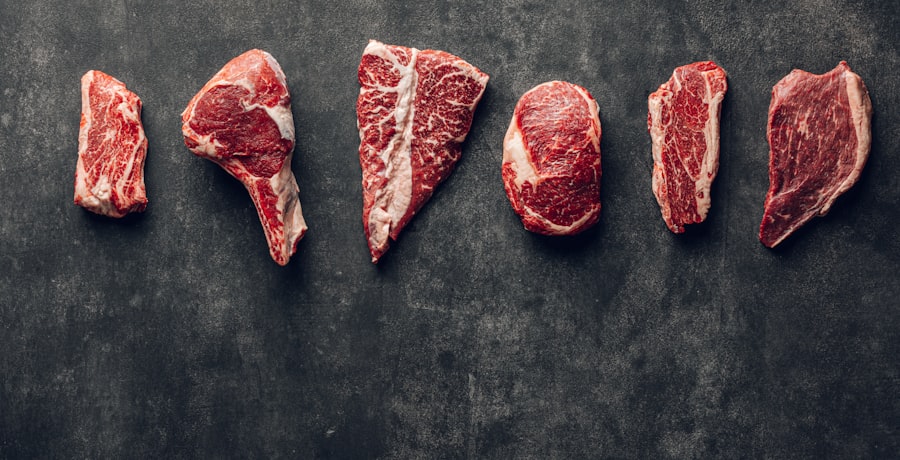
Calculating the right amount of protein for a ketogenic diet involves considering several factors unique to each individual. A common approach is to base protein needs on body weight or lean body mass. For those engaged in regular physical activity or strength training, a general guideline is to consume approximately 0.6 to 1 gram of protein per pound of lean body mass per day.
For example, an individual weighing 150 pounds with 20% body fat would have approximately 120 pounds of lean mass and might aim for around 72-120 grams of protein daily. It’s also important to consider personal goals when determining protein intake. For individuals focused on weight loss or fat loss while preserving muscle mass, staying toward the lower end of the recommended range may be beneficial.
Conversely, those looking to build muscle may require higher protein levels within the recommended limits. Tracking macronutrient intake using apps or food diaries can help individuals stay within their target ranges while ensuring they meet their nutritional needs.
Finding High-Quality Sources of Protein for Keto
Selecting high-quality sources of protein is essential for maximizing health benefits while adhering to a ketogenic diet. Whole food sources such as grass-fed meats, wild-caught fish, eggs, and dairy products like cheese and Greek yogurt are excellent options that provide not only protein but also essential nutrients like omega-3 fatty acids and vitamins. These foods are typically lower in carbohydrates and higher in healthy fats compared to processed protein sources.
Plant-based proteins can also be incorporated into a keto diet but should be chosen carefully due to their carbohydrate content. Options such as tofu, tempeh, and certain legumes can provide valuable nutrients but may require careful portion control to avoid exceeding carbohydrate limits. Additionally, incorporating nuts and seeds can offer both protein and healthy fats while adding variety to meals.
Prioritizing whole food sources over processed options ensures that individuals receive optimal nutrition while maintaining their macronutrient balance.
Strategies for Adjusting Protein Intake on Keto
Adjusting protein intake on a ketogenic diet may be necessary as individuals progress through their dietary journey or as their goals change over time. One effective strategy is meal planning and preparation, which allows individuals to control portion sizes and macronutrient ratios more effectively. By preparing meals in advance with precise measurements of protein sources, individuals can ensure they stay within their desired protein range while enjoying diverse meals.
Another approach involves incorporating more high-fat foods into meals while reducing portion sizes of protein-rich foods. For instance, instead of having a large serving of chicken breast with minimal fats added, one might opt for a smaller portion of chicken paired with avocado or olive oil-based dressings. This not only helps balance macronutrients but also enhances flavor and satisfaction in meals.
Regularly reassessing dietary goals and adjusting macronutrient ratios accordingly can help individuals stay aligned with their keto objectives.
Consulting a Nutritionist or Dietitian for Personalized Advice
For those navigating the complexities of the ketogenic diet, consulting with a nutritionist or registered dietitian can provide invaluable guidance tailored to individual needs and goals. These professionals possess expertise in nutrition science and can help create personalized meal plans that consider factors such as activity level, health conditions, and dietary preferences. They can also assist in calculating appropriate macronutrient ratios based on personal goals and lifestyle.
Additionally, nutritionists can offer support in identifying potential nutrient deficiencies that may arise from restrictive diets like keto. They can recommend supplements or alternative food sources to ensure individuals receive adequate vitamins and minerals while adhering to their dietary plan. Regular check-ins with a nutritionist can help individuals stay accountable and make necessary adjustments based on progress or changes in health status.
The Role of Exercise in Managing Protein Intake on Keto
Exercise plays a significant role in managing protein intake on a ketogenic diet by influencing muscle mass maintenance and overall metabolic health. Engaging in regular physical activity—especially resistance training—can increase an individual’s protein needs due to muscle repair and growth requirements. For those who are active or looking to build muscle while following keto, adjusting protein intake upward within recommended limits may be beneficial.
Moreover, exercise can enhance the body’s ability to utilize fat as fuel during workouts when in ketosis. This adaptation allows individuals to perform better during physical activities while still adhering to low carbohydrate intake. Balancing exercise with appropriate nutrition ensures that individuals not only meet their fitness goals but also maintain optimal health while following a ketogenic lifestyle.
The Bottom Line: Moderation is Key with Protein on Keto
In summary, moderation is crucial when it comes to protein consumption on a ketogenic diet. While protein is an essential macronutrient necessary for various bodily functions, excessive intake can disrupt ketosis and lead to potential health risks such as kidney strain or digestive discomfort. Striking the right balance between protein and fat ensures that individuals remain in ketosis while still meeting their nutritional needs.
By understanding personal goals, calculating appropriate protein levels based on body composition and activity level, and selecting high-quality food sources, individuals can successfully navigate their keto journey without compromising their health or dietary objectives. Regularly reassessing dietary habits and consulting with professionals when needed further supports long-term success on this popular eating plan.
FAQs
What is the keto diet?
The keto diet is a high-fat, low-carbohydrate diet that has been shown to help with weight loss and improve certain health conditions.
How much protein should you consume on a keto diet?
The recommended amount of protein on a keto diet is typically around 20-25% of your daily caloric intake.
What happens if you consume too much protein on a keto diet?
Consuming too much protein on a keto diet can lead to gluconeogenesis, where the body converts excess protein into glucose, potentially kicking you out of ketosis.
What are the potential risks of consuming too much protein on a keto diet?
Consuming too much protein on a keto diet can lead to weight gain, increased blood sugar levels, and potential kidney damage in individuals with pre-existing kidney conditions.
How can you determine the right amount of protein to consume on a keto diet?
It is recommended to consult with a healthcare professional or a registered dietitian to determine the right amount of protein to consume on a keto diet based on individual factors such as age, weight, activity level, and overall health.





