Are you curious about the ketogenic diet and how it works? Look no further! This article provides a simple and concise explanation of the keto diet. You’ll learn about the main principles behind the diet and why it has gained popularity in recent years. Whether you’re considering trying it out or just want to expand your nutritional knowledge, this article is your go-to source for all things keto. Let’s dive in and discover the ins and outs of the keto diet!
What is a Keto Diet?
Definition
A keto diet, short for ketogenic diet, is a low-carb, high-fat diet that has gained popularity for its potential benefits for weight loss and overall health improvement. The primary goal of a keto diet is to shift your body into a metabolic state called ketosis, where it relies on fat for energy instead of carbohydrates. By drastically reducing carb intake and increasing fat consumption, the body enters a state where it produces ketones, which serve as an alternative fuel source for the brain and body.
How it Works
When you follow a keto diet, you limit your carb intake to approximately 20-50 grams per day, depending on your specific dietary needs. This reduction in carbs forces your body to seek an alternative fuel source since glucose, derived from carbs, is no longer readily available. Instead, the liver starts producing ketones from stored fat, which becomes the primary source of energy for your body.
Changes in Metabolism
The shift to a keto diet brings about significant changes in your metabolism. Normally, when you consume carbohydrates, they are broken down into glucose, which provides energy to your cells. Insulin helps transport glucose from your bloodstream into the cells, where it is either used immediately or stored as glycogen. However, in a state of ketosis, the lack of carbohydrates means there is less glucose available, leading to a decrease in insulin production.
With reduced insulin levels, the body starts releasing fatty acids from your fat stores. The liver then converts these fatty acids into molecules called ketone bodies, which can be used by your brain and muscles as a source of energy. This metabolic switch from carbs to fat as the primary fuel source is the essence of a keto diet and is what many believe leads to the various benefits associated with this eating plan.
Benefits of a Keto Diet
Weight Loss
One of the most commonly sought-after benefits of a keto diet is weight loss. By minimizing carb intake, the body is forced to rely on fat stores for fuel, resulting in a significant reduction in body weight. Additionally, the consumption of high-fat foods keeps you feeling fuller for longer, reducing the tendency to overeat or snack between meals. The combination of increased satiety and a reduced calorie intake can lead to effective and sustainable weight loss.
Controlled Blood Sugar
A keto diet may be particularly beneficial for individuals with diabetes or insulin resistance. Since carbohydrates are the main driver of blood sugar spikes, limiting their consumption can help regulate blood glucose levels. By following a low-carb, high-fat diet, you can potentially improve insulin sensitivity and better manage blood sugar fluctuations. This can lead to improved overall glycemic control and a lower risk of developing complications associated with high blood sugar levels.
Increased Energy Levels
Many individuals report experiencing increased energy levels when following a keto diet. This is likely due to the steady supply of fuel provided by ketones, which are released from fat stores and utilized by the body as an energy source. Additionally, the absence of extreme blood sugar fluctuations, commonly associated with high-carb diets, contributes to a more stable and sustained energy level throughout the day.
Improved Mental Focus
Another sought-after benefit of a keto diet is improved mental clarity and focus. The brain can efficiently utilize ketones as an energy source, and evidence suggests that ketones may have neuroprotective properties and enhance cognitive function. Many individuals following a keto diet report experiencing increased mental clarity, improved concentration, and better overall brain function.
Foods to Eat on a Keto Diet
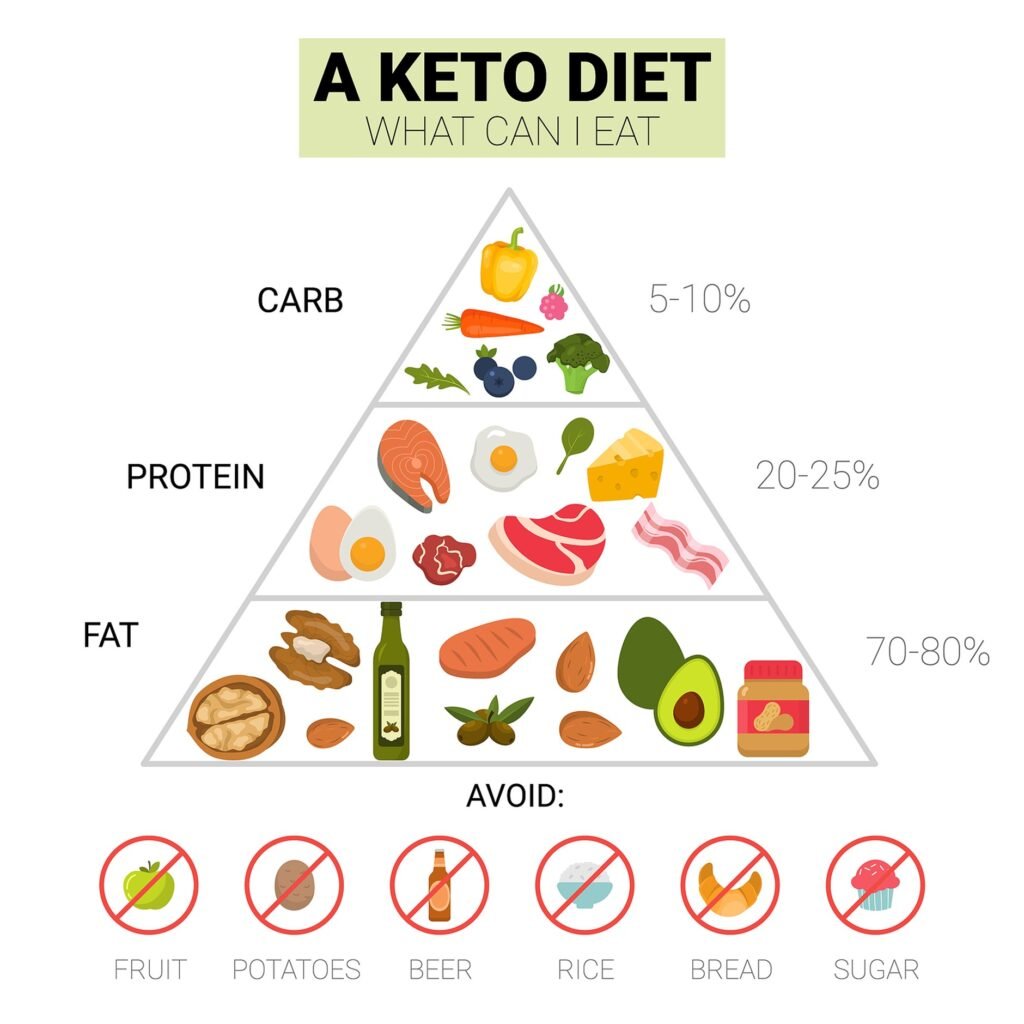
Meats and Fish
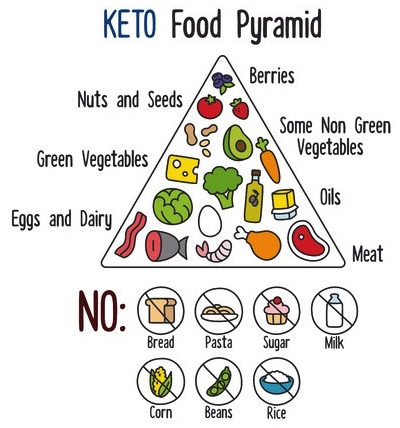
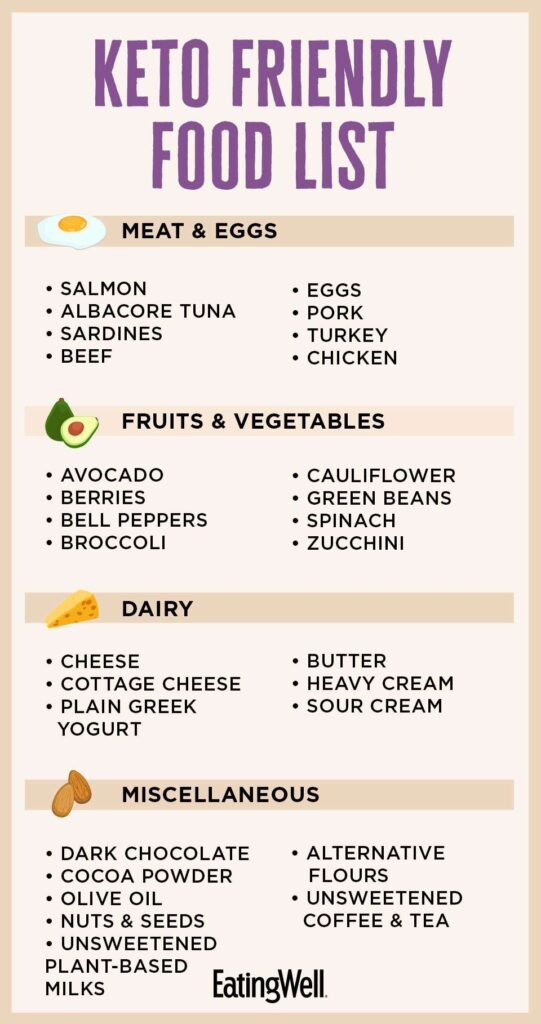
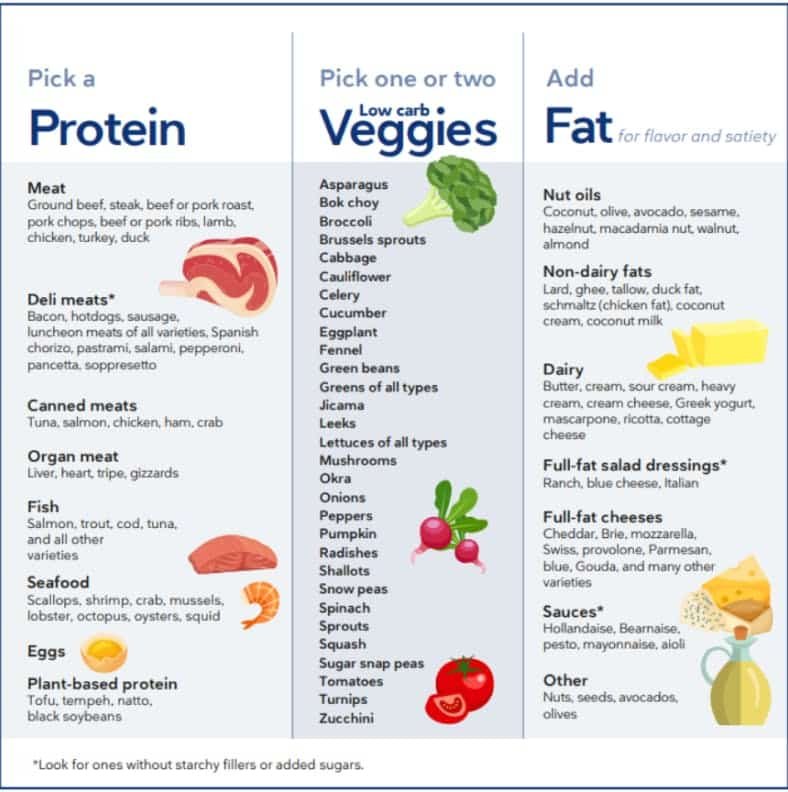
When following a keto diet, meats and fish are excellent sources of protein and healthy fats. It is recommended to prioritize fatty cuts of meat, such as beef, lamb, and pork, as they provide the necessary fat content to meet your daily macronutrient goals. Fish, such as salmon, mackerel, and sardines, are not only rich in healthy fats but also provide omega-3 fatty acids, which have been associated with numerous health benefits.
Low Carb Vegetables
Low-carb vegetables are a staple in any keto diet. These include leafy greens like spinach, kale, and lettuce, as well as cruciferous vegetables like broccoli, cauliflower, and Brussels sprouts. These vegetables are not only low in carbs but also packed with essential vitamins, minerals, and fiber, making them a valuable addition to your keto diet.
Healthy Fats and Oils
Since a keto diet emphasizes high-fat consumption, it is important to choose healthy sources of fats and oils. Avocado, coconut oil, olive oil, and nuts are excellent choices as they provide monounsaturated and polyunsaturated fats, which are heart-healthy and support overall well-being. These fats also contribute to satiety, helping you feel fuller for longer.
Dairy Products
Many dairy products can be incorporated into a keto diet, provided they are low in carbs. High-fat options such as full-fat cheese, butter, and heavy cream can be enjoyed in moderation. Greek yogurt and cottage cheese are also suitable choices, as they offer a good balance of protein and fat while keeping carb intake in check. However, it is important to be mindful of portion sizes and choose products without added sugars.
Foods to Avoid on a Keto Diet
Grains and Starches
Grains and starchy foods are high in carbohydrates and should be avoided or strictly limited on a keto diet. This includes bread, rice, pasta, oats, and other similar products. These carb-heavy foods can quickly throw your body out of ketosis and prevent the desired metabolic shift from occurring, hindering the potential benefits of the diet.
Sugary and Processed Foods
Sugary and processed foods are not only high in carbs but also lack nutritional value. Foods like cakes, cookies, candies, soda, and sugary cereals should be entirely avoided on a keto diet. These foods can lead to blood sugar spikes and cravings, making it difficult to maintain a ketogenic state. Instead, opt for healthier, whole food alternatives that provide necessary nutrients without the negative impact on blood sugar levels.
Fruit
While fruit is undoubtedly a healthy choice in a balanced diet, it contains natural sugars that can impede ketosis. Fruits like bananas, oranges, apples, and grapes are relatively high in carbs and should be limited or avoided altogether when following a keto diet. However, small amounts of lower-carb fruits like berries can be enjoyed in moderation and incorporated into your meal plan.
High Carb Vegetables
Certain vegetables, despite being nutritious, are higher in carbohydrates and may hinder ketosis. Vegetables like potatoes, corn, and carrots should be limited or avoided on a keto diet due to their higher carb content. Instead, focus on low-carb vegetable options like zucchini, asparagus, and green beans, which can provide essential nutrients while still fitting within your required carb limit.
Alcohol
Alcoholic beverages, while enjoyable, should be consumed sparingly on a keto diet. Many alcoholic drinks, such as beer, wine, and cocktails, contain significant amounts of carbohydrates. These carbs can disrupt ketosis and sabotage your efforts to maintain a state of fat-burning. If you do choose to drink alcohol, opt for low-carb options like spirits, dry wines, or light beers and consume them in moderation.
Meal Planning on a Keto Diet
Calculating Macros
One of the key aspects of successful meal planning on a keto diet is calculating your macronutrient ratios. Macronutrients, or macros, refer to the three main nutrients your body needs in large quantities: fats, proteins, and carbohydrates. By determining the appropriate ratios for your specific dietary needs, you can ensure your daily meals align with your desired macronutrient goals. This can be done using online calculators or with the guidance of a healthcare professional or registered dietitian.
Creating Balanced Meals
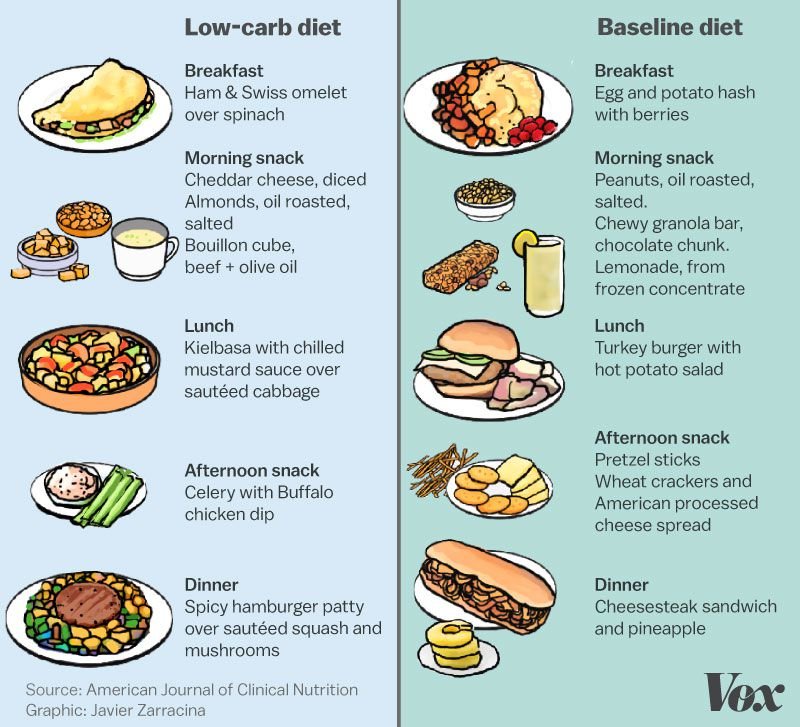
When planning your meals on a keto diet, it is important to focus on achieving a balance of macronutrients. A well-rounded keto meal should contain a good source of protein, moderate amounts of healthy fats, and a selection of low-carb vegetables. This not only ensures you meet your nutritional needs but also helps keep you satiated and prevents food monotony. Experimenting with different recipes and ingredients can help you discover new and exciting meal options while staying within the confines of a keto diet.
Keto-Friendly Recipes
The internet is teeming with keto-friendly recipes that can add variety and excitement to your meal planning. From savory dishes like cauliflower fried rice and zucchini lasagna to indulgent treats like keto cheesecake and chocolate avocado mousse, there is no shortage of recipes to suit any palate. Websites, cookbooks, and online communities dedicated to keto cooking provide an abundance of ideas and inspiration to keep your meals enjoyable and satisfying.
Potential Side Effects
Keto Flu
One of the most commonly reported side effects when transitioning to a keto diet is the so-called keto flu. This temporary condition occurs as your body adjusts to the absence of carbohydrates and adapts to burning fat for fuel. Symptoms may include fatigue, headache, irritability, and brain fog. Fortunately, the keto flu is usually short-lived and can be minimized by gradually reducing carb intake, staying hydrated, and ensuring adequate electrolyte intake.
Digestive Issues
Some individuals may experience temporary digestive issues during the initial stages of a keto diet. This can include symptoms like constipation, bloating, or diarrhea. These issues often arise due to changes in dietary fiber intake, which can be reduced initially when shifting to a low-carb eating plan. Increasing fiber-rich foods and staying properly hydrated can help alleviate these symptoms over time.
Nutrient Deficiencies
A keto diet may result in potential nutrient deficiencies if not properly planned. Since the elimination of certain foods, such as grains and fruit, can limit intake of essential vitamins and minerals, it is important to be mindful of nutrient-rich alternatives. Incorporating a variety of vegetables, adequate protein sources, and supplementation when necessary can help prevent nutrient deficiencies and ensure overall nutritional balance.
Tips for Success
Stay Hydrated
Staying hydrated is crucial when following a keto diet. Dehydration can lead to various side effects, including headaches, fatigue, and constipation. Be sure to drink plenty of water throughout the day and consider incorporating herbal teas or mineral-rich broths to replenish electrolytes and maintain optimal hydration levels.
Manage Electrolyte Levels
When transitioning to a keto diet, electrolyte imbalances can occur due to the body’s altered water and mineral balance. To mitigate potential side effects and optimize overall well-being, it is essential to pay attention to your electrolyte intake. Adding salt to your meals, consuming magnesium-rich foods or supplements, and including potassium-rich foods like avocados and leafy greens can help maintain proper electrolyte levels.
Gradual Transition
Rather than making an abrupt shift to a keto diet, a gradual transition can help minimize side effects and promote a more sustainable approach. Slowly reducing carb intake while increasing fat consumption allows your body to adapt more efficiently. Gradually replacing high-carb foods with low-carb alternatives over a period of a few weeks can make the transition smoother and more manageable.
Monitor Macronutrient Intake
To ensure you are staying within the desired macronutrient ratios of a keto diet, it is beneficial to track your food intake. This can be done using various apps, websites, or even pen-and-paper methods. Tracking your macronutrients not only helps you meet your dietary goals but also allows you to identify food patterns and make adjustments as necessary.
Is the Keto Diet Suitable for Everyone?
Consulting with a Healthcare Professional
Before embarking on any significant dietary changes, it is advisable to consult with a healthcare professional, especially if you have underlying health conditions or are taking medications. They can provide personalized guidance and help determine if a keto diet aligns with your specific needs and goals.
Individual Health Considerations
While a keto diet can have numerous benefits, it may not be suitable for everyone. Individuals with certain medical conditions such as pancreatitis, liver disease, or gallbladder issues may need to avoid or modify a ketogenic eating plan. Additionally, pregnant or breastfeeding women should approach any significant dietary changes with caution and consult with a healthcare professional to ensure adequate nutrient intake.
How to Maintain Ketosis?
Regular Monitoring of Ketone Levels
To ensure you are maintaining a state of ketosis, you can monitor your ketone levels through various methods. The most common and accessible way is to use urine test strips, which measure the presence of ketones in your urine. Blood ketone meters offer a more accurate measurement but can be more expensive. Regularly monitoring your ketone levels can help you stay on track and make necessary adjustments to your diet if needed.
Maintaining a Strict Diet
Consistency is key when it comes to maintaining ketosis. To stay in a state of fat-burning, it is important to follow a strict diet that limits your carb intake to the appropriate levels. Deviating from the diet or indulging in high-carb meals can quickly bump you out of ketosis and undermine your efforts. However, it is worth noting that occasional deviations or “cheat meals” may be implemented by some individuals, but these should be approached thoughtfully and in consultation with a healthcare professional.
Exercising Regularly
Regular exercise can support your ketogenic journey in several ways. Physical activity helps deplete glycogen stores more rapidly, thereby facilitating the transition into ketosis. Additionally, exercise can enhance insulin sensitivity, improve metabolic flexibility, and promote overall health and well-being. Engaging in a combination of strength training and cardiovascular exercises can have a positive impact on your keto diet results.
Conclusion
The keto diet offers numerous potential benefits, including weight loss, controlled blood sugar, increased energy levels, and improved mental focus. By significantly reducing carb intake and increasing healthy fat consumption, you can shift your body into a state of ketosis where it relies on fat for energy instead of carbohydrates. While there are certain potential side effects and considerations to keep in mind, the keto diet can be a suitable approach for many individuals seeking to improve their health and well-being. Remember to consult with a healthcare professional and personalize the diet to best fit your individual needs and goals. With proper guidance, meal planning, and adherence, you can effectively enjoy the benefits of a keto diet.