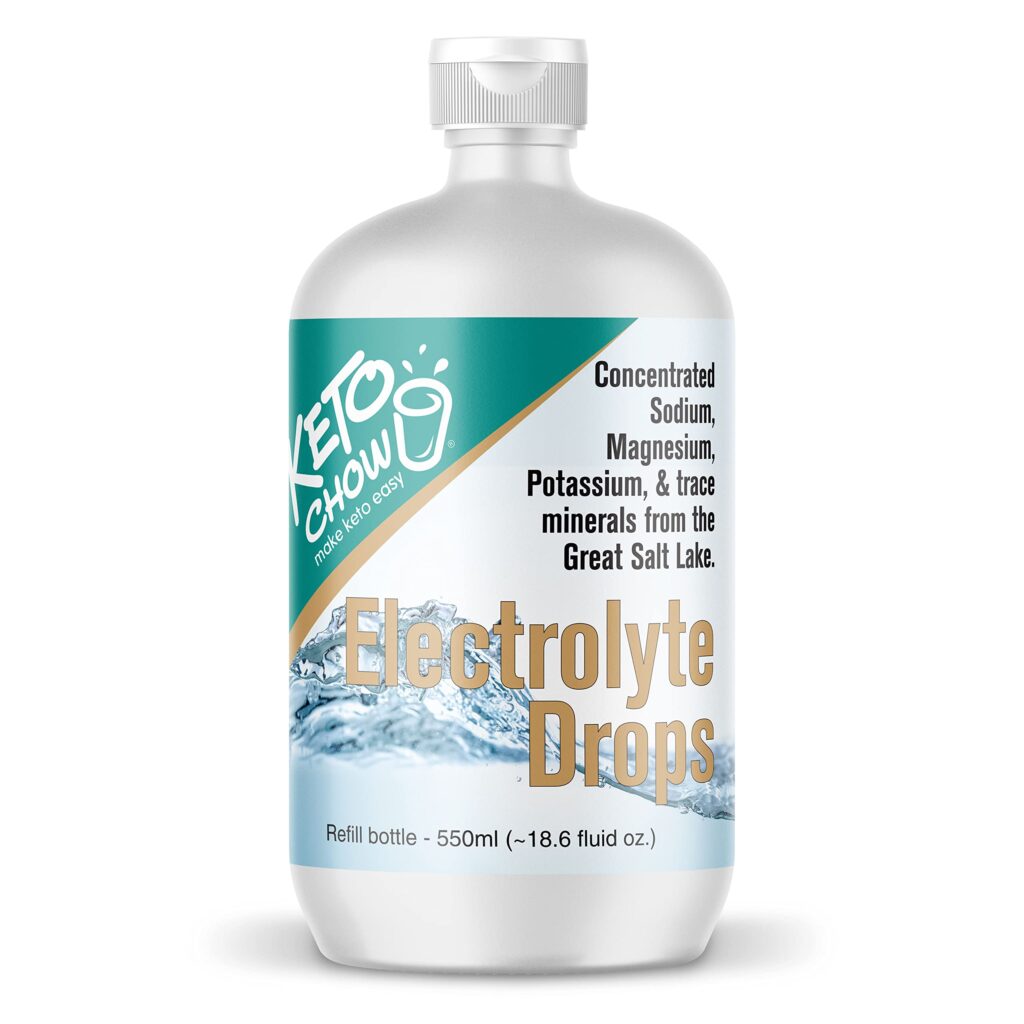
Are you following a keto diet and experiencing fatigue, muscle cramps, or headaches? It’s possible that you might be lacking essential electrolytes. In this article, we’ll explore the importance of electrolytes in a keto diet and how they can help you maintain optimal health and energy levels. From sodium and potassium to magnesium and calcium, we’ll delve into the role each electrolyte plays in your body and provide practical tips on how to ensure you’re getting enough of these vital minerals. Say goodbye to those pesky keto flu symptoms and hello to a healthier, more balanced lifestyle with proper keto diet electrolytes.

What is the Keto Diet?
The keto diet, short for ketogenic diet, is a low-carb, high-fat diet that has gained popularity in recent years. It is designed to shift your body into a state of ketosis, where it relies on fat for fuel instead of carbohydrates. By drastically reducing your carbohydrate intake and increasing your fat consumption, the keto diet aims to help you lose weight and improve overall health.
Definition of the Keto Diet
The keto diet is a diet that focuses on consuming a high amount of healthy fats, moderate protein, and very low carbohydrates. Typically, it involves getting 70-80% of your daily calories from fat, 20-25% from protein, and only 5-10% from carbohydrates. This macronutrient distribution aims to force your body to enter a metabolic state called ketosis, where stored fat is broken down for energy instead of glucose from carbohydrates.
How the Keto Diet Works
When you follow a traditional high-carbohydrate diet, your body relies on glucose as its primary source of energy. However, when you significantly reduce your carbohydrate intake, your body starts to deplete its glycogen stores, causing it to shift into ketosis. In this state, your liver produces ketones from fatty acids, which then become the main source of energy for your body and brain. By consuming primarily fats and minimizing carbohydrates, the keto diet trains your body to become efficient at burning fat for fuel.
Benefits of the Keto Diet
The keto diet has gained popularity due to its potential benefits beyond weight loss. Research suggests that it may improve insulin sensitivity, lower blood sugar levels, and support better blood lipid profiles. Additionally, some people claim that it can increase mental clarity, provide more sustainable energy throughout the day, and reduce inflammation in the body. However, it is important to note that individual results may vary, and it is always recommended to consult with a healthcare professional before starting any new diet.
Potential Side Effects of the Keto Diet
While the keto diet can have numerous benefits for some people, it is essential to be aware of potential side effects. During the initial adaptation phase, often referred to as the “keto flu,” some individuals may experience symptoms like fatigue, headaches, irritability, and brain fog. These symptoms typically subside within a few days to a couple of weeks as the body adjusts to using ketones for energy. Additionally, the keto diet may cause digestive issues, such as constipation, due to the limited intake of high-fiber foods. It is crucial to monitor your body’s response and make adjustments as necessary.
Importance of Electrolytes on the Keto Diet
What are Electrolytes?
Electrolytes are minerals that have an electric charge when dissolved in water. They play a crucial role in maintaining proper fluid balance, transmitting nerve impulses, and supporting muscle function in the body. The primary electrolytes include sodium, potassium, calcium, and magnesium. These minerals are essential for various physiological functions and are especially important when following the keto diet.
Why Electrolytes are Important on the Keto Diet
When you first start the keto diet, your body goes through significant changes, including increased excretion of water and electrolytes. This occurs because carbohydrates hold onto water in the body, and when you reduce your carbohydrate intake, your body starts to shed excess water weight. With the rapid water loss, essential electrolytes can be lost as well, leading to imbalances that can cause unpleasant symptoms. Maintaining proper electrolyte balance is crucial to support overall health, prevent dehydration, and minimize side effects associated with the keto diet.
Common Electrolytes and their Functions
-
Sodium: Sodium plays a crucial role in maintaining fluid balance, nerve function, and muscle contraction. It helps regulate blood pressure and supports the absorption of other nutrients.
-
Potassium: Potassium is necessary for proper heart function, muscle contractions, and maintaining fluid balance within cells. It also helps regulate blood pressure.
-
Calcium: Calcium is essential for maintaining strong bones and teeth, supporting muscle function, and assisting in nerve impulse transmission.
-
Magnesium: Magnesium is involved in over 300 biochemical reactions in the body, including energy production, muscle and nerve function, and protein synthesis. It also plays a role in maintaining proper heart rhythm and blood sugar regulation.
Common Electrolyte Imbalances on the Keto Diet
Dehydration
Dehydration occurs when the body loses more fluid than it takes in. It can happen more easily on the keto diet due to the increased excretion of water. Symptoms of dehydration include thirst, dry mouth, fatigue, headache, and dizziness. In severe cases, dehydration can lead to electrolyte imbalances, heat-related illnesses, and negatively impact overall health. Proper hydration is crucial to prevent dehydration and support electrolyte balance.
Electrolyte Deficiencies
Electrolyte deficiencies can occur when the body is not getting enough of certain minerals through the diet or when excessive fluids are lost. On the keto diet, the low carbohydrate intake can limit the consumption of certain electrolyte-rich foods, leading to potential deficiencies. Symptoms of electrolyte deficiencies may include muscle cramps, weakness, irregular heartbeat, and fatigue. It is important to ensure an adequate intake of electrolytes to prevent imbalances.
Electrolyte Excess
While electrolyte imbalances often result from deficiencies, excessive consumption of certain electrolytes can also lead to imbalances. It is essential to maintain a balanced intake of electrolytes to avoid potential complications. Excess sodium intake, for example, can lead to high blood pressure and fluid retention. Monitoring electrolyte levels and following the recommended guidelines for intake is important for optimal health.
How to Maintain Electrolyte Balance on the Keto Diet
Stay Hydrated
Proper hydration is key to maintaining electrolyte balance on the keto diet. Aim to drink enough water throughout the day to replace any fluids lost through urine, sweat, and respiration. Monitor your urine color – it should be a pale yellow to indicate adequate hydration. If you are exercising or in a hot climate, you might need to increase your fluid intake further.
Consume Adequate Sodium
As your body excretes more water on the keto diet, it also loses essential electrolytes, including sodium. To maintain proper sodium levels, it is important to consume adequate amounts of this mineral. You can achieve this by salting your foods, consuming sodium-rich broths or bouillons, and incorporating electrolyte supplements specifically designed for the keto diet.
Include Potassium-Rich Foods
Potassium is another electrolyte that can be reduced on the keto diet, as many high-potassium foods are also high in carbohydrates. However, there are still keto-friendly sources of potassium that you can include in your diet. Avocado, spinach, mushrooms, and salmon are all excellent sources of this important mineral. Additionally, consider using lite salt or potassium supplements to ensure an adequate intake.
Magnesium Supplements
Due to its involvement in various bodily functions, magnesium is an essential electrolyte to maintain on the keto diet. Consider incorporating magnesium-rich foods like nuts, seeds, and leafy greens into your meals. If needed, magnesium supplements can also be beneficial in meeting your daily requirements. Be sure to consult with a healthcare professional to determine the appropriate dosage for your specific needs.
Other Electrolyte Sources
In addition to sodium, potassium, and magnesium, there are other electrolytes that play a role in maintaining proper balance. Calcium can be obtained from dairy products or calcium-fortified plant-based alternatives. Consuming foods rich in these electrolytes can help ensure an overall electrolyte balance on the keto diet.

Symptoms of Electrolyte Imbalance
General Symptoms
Common general symptoms of electrolyte imbalances include muscle weakness, fatigue, irregular heartbeat, confusion, and changes in blood pressure. These symptoms can vary depending on the specific electrolyte affected and the extent of the imbalance. It is crucial to be aware of these signs and monitor your body’s response to the keto diet.
Specific Symptoms of Dehydration
Dehydration can result from electrolyte imbalances and is often characterized by symptoms such as increased thirst, dry mouth, dark yellow urine, fatigue, headache, and dizziness. If you experience these symptoms, it is important to rehydrate and replenish electrolytes as soon as possible.
Specific Symptoms of Electrolyte Deficiencies
Symptoms of specific electrolyte deficiencies can manifest differently. Potassium deficiency, for instance, may cause muscle cramps, weakness, palpitations, and constipation. Calcium deficiency can lead to osteoporosis, muscle spasms, and brittle nails. Magnesium deficiency may result in muscle twitches, sleep disturbances, and mood changes. It is important to address any persistent symptoms and consult with a healthcare professional to identify potential electrolyte imbalances.
Specific Symptoms of Electrolyte Excess
Excessive intake of certain electrolytes can also lead to imbalances. For example, excess sodium consumption can result in high blood pressure, bloating, and fluid retention. It is crucial to monitor your intake and be mindful of the recommended guidelines to prevent electrolyte excess and its associated symptoms.
Monitoring Electrolytes on the Keto Diet
Blood Tests
If you suspect an electrolyte imbalance or experience persistent symptoms, consulting with a healthcare professional may involve blood tests. These tests can determine your current electrolyte levels and help identify any deficiencies or excesses. Your healthcare provider can then provide personalized recommendations to address imbalances and optimize your health.
Self-Monitoring
Monitoring your symptoms and overall well-being is also vital in maintaining electrolyte balance. Pay attention to any changes in energy levels, muscle function, or other signs indicating potential imbalances. If you notice anything out of the ordinary, adjust your diet and hydration practices accordingly, and consider seeking professional guidance.
Monitoring Dehydration Symptoms
Dehydration symptoms can serve as a warning sign for potential electrolyte imbalances. By monitoring your body’s hydration cues, such as thirst, urine color, and overall well-being, you can catch dehydration early on and take the necessary steps to rehydrate and replenish electrolytes.
Monitoring Electrolyte Deficiency and Excess Symptoms
Keeping track of specific symptoms related to electrolyte deficiencies or excesses is crucial for maintaining optimal health on the keto diet. If you experience muscle cramps, weakness, irregular heartbeat, or any other persistent symptoms, it is essential to seek medical advice and adjust your electrolyte intake as needed.

Preventing Electrolyte Imbalances on the Keto Diet
Proper Hydration Practices
To prevent dehydration and maintain electrolyte balance, focus on proper hydration practices. Drink water throughout the day, especially when engaging in physical activity or spending time in a hot environment. Consider adding a pinch of salt to your water or consuming electrolyte-rich beverages to replenish sodium and other essential minerals.
Balanced Keto Meal Planning
Aim for a balanced keto meal plan that incorporates a variety of nutrient-dense foods. By including sources of electrolytes, such as avocados, nuts, seeds, leafy greens, and mineral-rich broths, you can help support electrolyte balance. This approach ensures you are obtaining necessary nutrients while following the principles of the keto diet.
Supplementation
Electrolyte supplementation can be an effective way to maintain proper balance on the keto diet. Look for supplements specifically formulated for the keto diet that include the necessary electrolytes in appropriate amounts. However, it is important to consult with a healthcare professional before starting any new supplements to ensure they align with your individual needs.
Working with a Healthcare Professional
If you are unsure about how to maintain electrolyte balance on the keto diet, or if you have specific health concerns, it is always recommended to work with a healthcare professional. They can assess your individual needs, provide personalized recommendations, and monitor your overall health and well-being.
Conclusion
Importance of Electrolytes on the Keto Diet
Electrolytes play a crucial role in maintaining overall health and well-being, especially when following the keto diet. Proper electrolyte balance is essential to prevent dehydration, support muscle and nerve function, and optimize various biochemical reactions in the body.
Maintaining Electrolyte Balance for Optimal Health
To maintain electrolyte balance on the keto diet, it is important to stay hydrated, consume adequate amounts of sodium, include potassium-rich foods, consider magnesium supplementation, and be mindful of other electrolyte sources. Regular monitoring of symptoms and working with a healthcare professional can help ensure you are maintaining optimal electrolyte levels and overall health.
Tips for Preventing Electrolyte Imbalances
To prevent electrolyte imbalances on the keto diet, practice proper hydration, follow a balanced keto meal plan, consider supplementation if necessary, and seek guidance from a healthcare professional. Taking proactive steps to maintain electrolyte balance can help you avoid potential side effects and optimize your experience on the keto diet.