
Have you ever wondered whether the Keto diet is actually beneficial or harmful for your health? With so many people adopting low-carb lifestyles and claiming miraculous results, it can be difficult to sift through the noise and find out the truth. You’re not alone; many individuals are curious about whether this diet can help them achieve their health and wellness goals. Let’s break down the Keto diet to understand its potential benefits and pitfalls.
What is the Keto Diet?
The Keto diet, short for Ketogenic diet, is a high-fat, low-carbohydrate eating plan aimed at inducing a state known as ketosis. In this metabolic state, your body becomes incredibly efficient at burning fat for energy instead of glucose from carbohydrates.
A Brief Overview of Ketosis
When you significantly reduce your carbohydrate intake, your body must find an alternative fuel source. The liver starts to convert fats into ketones, which are then used as fuel. This shift can lead to several physiological changes that may impact your health and weight.
Macronutrient Breakdown
A standard Keto diet typically consists of the following macronutrient ratio:
- Fat: 70-80%
- Protein: 15-20%
- Carbohydrates: 5-10%
This extreme ratio sets Keto apart from other diets, prioritizing fats as the primary energy source.
Potential Benefits of the Keto Diet
While the Keto diet might sound restrictive, many people turn to this eating plan for a variety of reasons. Let’s look at some potential health benefits associated with it.
Weight Loss
One of the most common reasons people choose the Keto diet is for weight loss. By limiting carbs, you’re likely to feel fuller longer, which could lead to reduced calorie intake.
- Lower Insulin Levels: Reduced carb consumption leads to lower insulin levels, encouraging the body to burn fat instead of sugar.
- Increased Fat Oxidation: As the body adapts to ketosis, it becomes more efficient at burning stored fat for energy.
Improved Mental Clarity
Some individuals report heightened mental clarity and focus on the Keto diet. This could be attributed to the brain’s preference for ketones as a source of energy, especially during times of low glucose availability.
Stabilized Blood Sugar Levels
Many people with type 2 diabetes or insulin resistance find that a lower carbohydrate intake helps manage their blood sugar levels. With reduced sugar spikes, you might experience more stable energy levels throughout the day.
Possible Therapeutic Uses
Research is ongoing, but the Keto diet has shown promise in managing certain medical conditions:
- Epilepsy: Originally developed for epilepsy treatment, particularly in drug-resistant cases.
- Cancer: Some studies suggest a ketogenic approach may aid in cancer treatment by starving cancer cells of glucose.
- Alzheimer’s Disease: Emerging research indicates ketones may help improve cognitive function in Alzheimer’s patients.
Potential Risks of the Keto Diet
While many people enjoy success on the Keto diet, it’s essential to recognize that it may not be suitable for everyone. Let’s examine some potential risks and drawbacks.
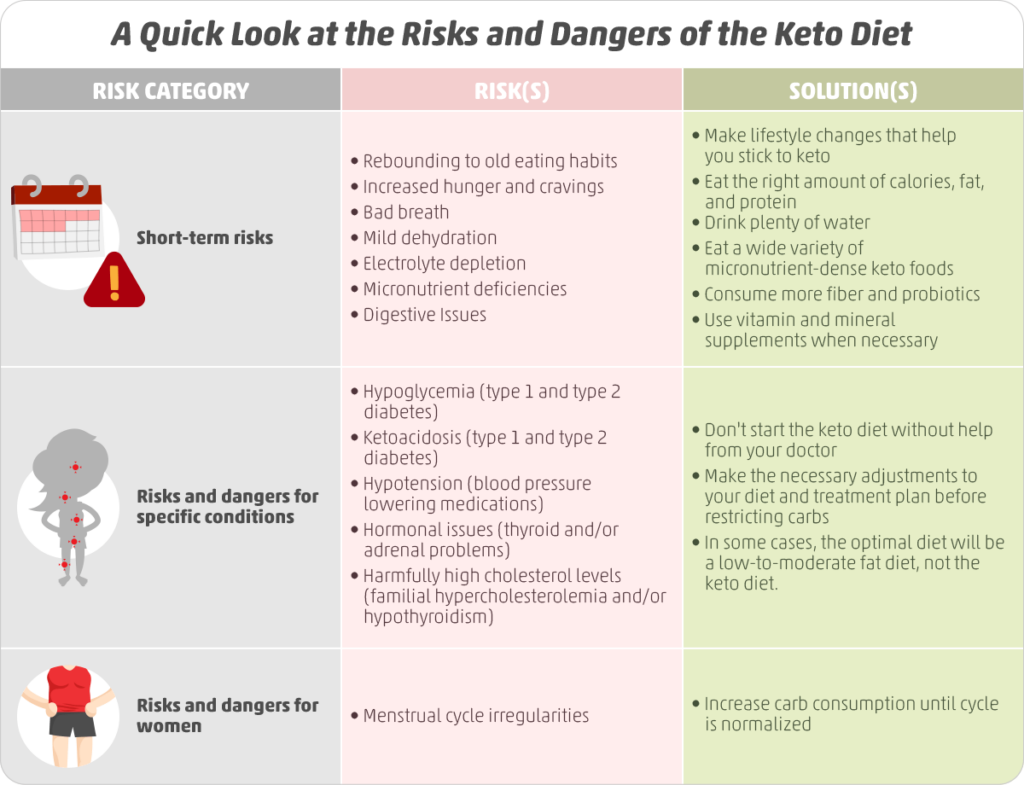
Nutrient Deficiencies
One of the downsides of any restrictive diet is the risk of nutrient deficiencies:
- Vitamins and Minerals: By avoiding entire food groups such as fruits and whole grains, you may miss out on essential vitamins and minerals.
- Fiber: A reduced intake of fruits, vegetables, and whole grains can also lead to insufficient fiber, impacting digestive health.
Keto Flu
When transitioning to a ketogenic state, many people experience the so-called “Keto flu.” This refers to a series of flu-like symptoms that can occur as your body adjusts, including:
- Fatigue
- Headaches
- Nausea
- Dizziness
Long-Term Sustainability
Adhering to such a strict dietary approach might prove challenging over the long term for many individuals. Social situations, cravings, and other lifestyle factors could make it difficult to stay committed.
Health Risks for Specific Populations
Certain individuals may be at higher risk when adopting the Keto diet:
- People with Kidney Conditions: Increased protein intake could potentially stress the kidneys.
- Individuals with Diabetes: Those on medications for diabetes should consult a healthcare provider before starting Keto, as it could lead to dangerously low blood sugar levels.
Heart Health Concerns
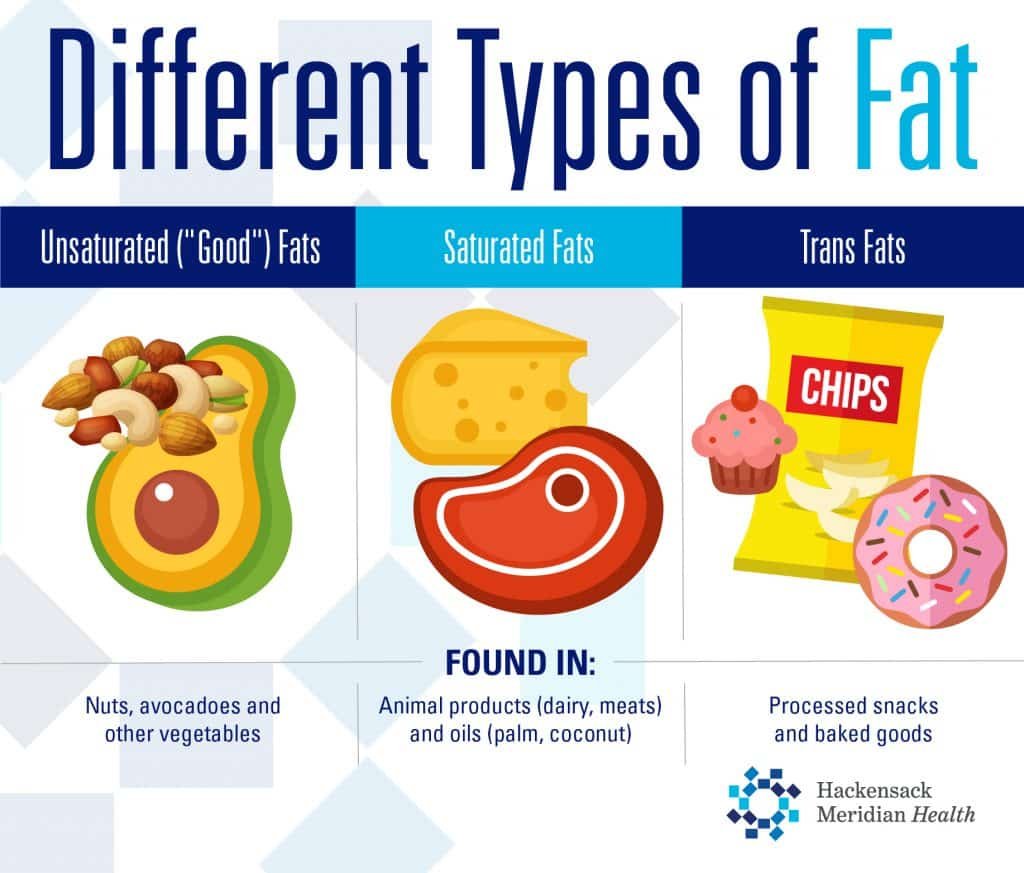
The emphasis on saturated fat in the Keto diet raises concerns about cardiovascular health. Some studies have shown that high saturated fat intake might lead to increased cholesterol levels, which could increase the risk of heart disease.
Who Should Consider the Keto Diet?
The Keto diet is not a one-size-fits-all approach. Here are a few groups of people who might find it beneficial, but always remember to consult a healthcare professional before making any significant dietary changes.
Individuals Looking for Rapid Weight Loss
If you’re someone who has tried various diets without success, Keto could offer noticeable weight loss results in the short term. Just ensure you’re finding healthy fats and monitoring your body’s signals.
Those with Specific Health Conditions
As mentioned earlier, individuals with certain medical conditions (like epilepsy or metabolic disorders) may find therapeutic benefits from a structured Keto diet. It’s crucial to do this under medical supervision.
People Who Thrive on Structured Plans
If you enjoy having strict guidelines for what to eat, the Keto diet may suit your lifestyle well. The clear framework can help you plan meals and stay on track.
Who Should Avoid the Keto Diet?
On the flip side, there are individuals who might want to avoid the Keto diet entirely.
Anyone with a History of Eating Disorders
If you have struggled with eating disorders, a restrictive diet like Keto could trigger unhealthy patterns. It’s best to prioritize mental health and seek professional guidance.
Those with Dearly-Loved Food Preferences
If you love fruits, whole grains, and diverse food options, the Keto diet might feel overly restrictive and limiting, causing potential frustration or unhappiness.
People with Certain Medical Conditions
Individuals with certain metabolic or cardiovascular conditions should approach the Keto diet cautiously and consult with a healthcare provider.
How to Start the Keto Diet Safely
Should you decide to embark on the Keto journey, there are a few tips to follow to ensure you’re doing it safely and effectively.
Focus on Whole Foods
Instead of processed foods, aim for whole, nutrient-dense foods, including:
- Healthy Fats: Avocados, olive oil, nuts, and seeds.
- Lean Proteins: Chicken, fish, eggs, and plant-based proteins.
- Low-Carb Vegetables: Leafy greens, cauliflower, broccoli, and zucchini.
Stay Hydrated
Keeping your body hydrated is essential, particularly as the initial phase of the Keto diet can lead to rapid water loss. Drinking plenty of water will help support your overall health.
Monitor Your Symptoms
Pay attention to how your body responds. If you experience any adverse effects, don’t hesitate to consult with a healthcare provider.
Consider Supplementation
To help combat potential nutrient deficiencies, consider taking supplements, such as:
- Electrolytes: Sodium, potassium, and magnesium can help maintain balance in your body.
- Multivitamins: A general multivitamin can help fill in nutritional gaps.
Making Keto Work for You
As you begin or think about starting the Keto diet, you might wonder how you can personalize it to fit your individual needs and lifestyle.
Find Your Balance
Striking the right balance between fat, protein, and carbohydrates is key. Experimenting with your macronutrient ratios can help you find what works best for your body and your goals.
Meal Planning and Prep
Planning meals in advance can help you navigate the challenges of following a strict diet. Prepare snacks, make meal kits, or batch cook to ensure you always have Keto-friendly options available.
Join a Supportive Community
Connecting with others who are on the Keto journey can provide motivation and support. Consider joining online forums, social media groups, or local meetups for inspiration and shared experiences.
Stay Educated
Keep yourself informed about the latest research and findings related to the Keto diet. By staying updated, you can make educated choices about your health and nutritional needs.
Real-Life Success Stories
When you think about lifestyle changes, it’s often inspiring to hear how others have transformed their lives. Here are a few success stories that highlight the potential benefits of the Keto diet.
Weight Loss Wins
Many individuals share how they’ve lost significant amounts of weight on the Keto diet. They often mention feeling more energized, as well as developing healthier relationships with food.
Improved Health Markers
Some people have reported remarkable changes in health markers after adopting the Keto diet, such as improved blood sugar control, better cholesterol levels, and enhanced mental clarity.

Final Thoughts
While the Keto diet can offer numerous benefits, it’s essential to weigh these against the potential risks. With the right precautions and an individualized approach, you can make informed decisions that align with your health goals and lifestyle. Always consult with a healthcare professional before embarking on any new diet plan to ensure it’s a safe and suitable choice for you.
Remember that each person’s body responds differently to dietary changes, so what works for one individual might not necessarily work for you. Whether you choose to give the Keto diet a shot or explore other options, understanding your body and its unique needs will be paramount on your health journey.