Inflammation is a natural response of your body to injury or infection. It serves as a protective mechanism, signaling your immune system to act against harmful stimuli, such as pathogens or damaged cells. When you experience inflammation, you may notice symptoms like redness, swelling, heat, and pain in the affected area.
This process is essential for healing; however, when inflammation becomes chronic, it can lead to various health issues. Chronic inflammation can occur due to factors such as stress, poor diet, lack of exercise, and environmental toxins. Understanding this dual nature of inflammation is crucial for managing your health effectively.
You might find it interesting that inflammation can be classified into two types: acute and chronic. Acute inflammation is short-lived and typically resolves once the underlying issue is addressed. On the other hand, chronic inflammation persists over time and can contribute to a range of diseases, including heart disease, diabetes, and autoimmune disorders.
By recognizing the signs of inflammation in your body and understanding its implications, you can take proactive steps to manage it and improve your overall well-being.
Key Takeaways
- Inflammation is the body’s natural response to injury or infection, but chronic inflammation can lead to various diseases.
- The keto diet is a high-fat, low-carbohydrate diet that has been shown to reduce inflammation in the body.
- Foods to include on a keto diet for inflammation reduction include fatty fish, olive oil, avocados, and leafy greens.
- Foods to avoid on a keto diet for inflammation reduction include processed foods, refined sugars, and high-carb foods.
- Before starting a keto diet for inflammation reduction, it is important to consult with a healthcare professional to discuss potential side effects and ensure it is the right choice for you.
The Link Between Inflammation and Disease
The connection between inflammation and disease is a topic of growing interest in the medical community. Chronic inflammation has been implicated in numerous health conditions, making it essential for you to understand this relationship. For instance, research has shown that persistent inflammation can damage tissues and organs, leading to conditions such as arthritis, cardiovascular disease, and even certain cancers.
By recognizing the role of inflammation in these diseases, you can better appreciate the importance of addressing it in your lifestyle choices. Moreover, inflammation is not just a symptom; it can also be a driving force behind disease progression. For example, in autoimmune diseases like rheumatoid arthritis, your immune system mistakenly attacks healthy tissues, leading to chronic inflammation and joint damage.
Similarly, in metabolic disorders like obesity and type 2 diabetes, low-grade inflammation can disrupt insulin signaling and contribute to insulin resistance. By understanding how inflammation influences these diseases, you can take steps to mitigate its effects through dietary and lifestyle changes.
What is the Keto Diet?
The ketogenic diet, commonly known as the keto diet, is a high-fat, low-carbohydrate eating plan designed to shift your body’s metabolism from burning glucose for energy to burning fat. This metabolic state is known as ketosis. When you significantly reduce your carbohydrate intake, your body begins to break down fat into ketones, which serve as an alternative energy source.
The typical macronutrient breakdown for a keto diet consists of approximately 70-75% fat, 20-25% protein, and only about 5-10% carbohydrates. You may find the keto diet appealing not only for its potential weight loss benefits but also for its impact on overall health. Many people have reported improvements in energy levels, mental clarity, and even mood stabilization while following this dietary approach.
However, it’s essential to understand that the keto diet requires careful planning and commitment to ensure you’re meeting your nutritional needs while maintaining ketosis.
How the Keto Diet Reduces Inflammation
One of the most compelling reasons to consider the keto diet is its potential to reduce inflammation in the body. Research suggests that by lowering carbohydrate intake and increasing healthy fats, you can decrease the production of pro-inflammatory markers. This shift in macronutrient composition may help alleviate chronic inflammation associated with various diseases.
The reduction in sugar intake is particularly significant since high sugar levels are known to trigger inflammatory responses. Additionally, the keto diet encourages the consumption of anti-inflammatory foods rich in omega-3 fatty acids, such as fatty fish, avocados, and nuts. These foods not only provide essential nutrients but also help combat inflammation at a cellular level.
By adopting a keto lifestyle, you may find that your body becomes more resilient against inflammatory processes, leading to improved health outcomes over time.
Foods to Include on a Keto Diet for Inflammation Reduction
When following a keto diet aimed at reducing inflammation, it’s crucial to focus on nutrient-dense foods that support your health while keeping you in ketosis. Incorporating healthy fats is essential; consider adding avocados, olive oil, coconut oil, and grass-fed butter to your meals. These fats are not only satiating but also provide anti-inflammatory properties that can help mitigate chronic inflammation.
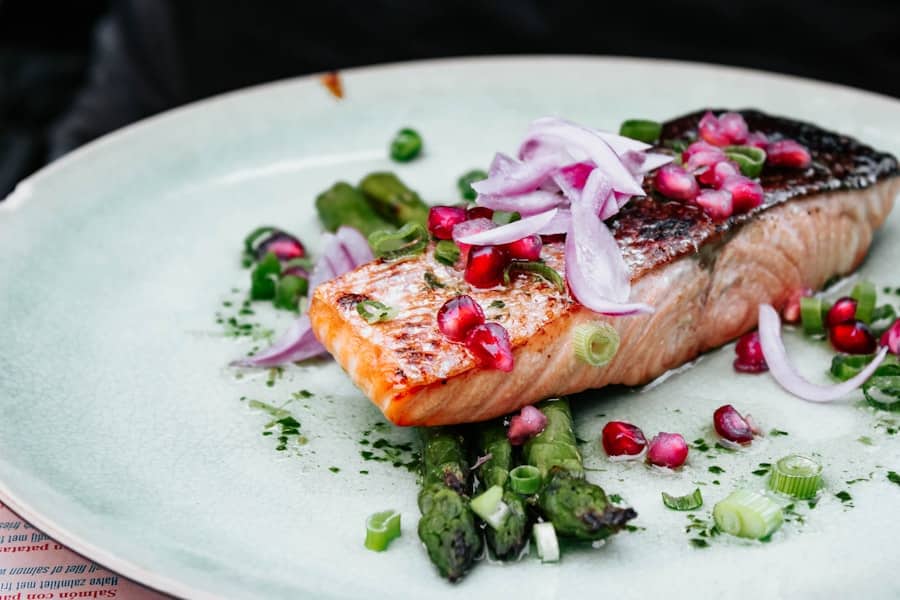
In addition to healthy fats, prioritize low-carbohydrate vegetables like leafy greens, broccoli, cauliflower, and zucchini. These vegetables are rich in antioxidants and vitamins that support your immune system and combat oxidative stress. Furthermore, including fatty fish such as salmon or mackerel can provide you with omega-3 fatty acids known for their anti-inflammatory effects.
By focusing on these foods, you can create a balanced keto meal plan that promotes both ketosis and reduced inflammation.
Foods to Avoid on a Keto Diet for Inflammation Reduction
While there are many foods to embrace on a keto diet for inflammation reduction, there are also several items you should avoid to maximize its benefits. First and foremost, steer clear of refined carbohydrates and sugars found in processed foods, pastries, and sugary beverages. These items can spike your blood sugar levels and trigger inflammatory responses in your body.
Additionally, it’s wise to limit or eliminate highly processed vegetable oils such as corn oil or soybean oil from your diet. These oils are often high in omega-6 fatty acids, which can promote inflammation when consumed in excess. Instead, opt for healthier fat sources like olive oil or avocado oil that provide a better balance of fatty acids.
By being mindful of what you consume on a keto diet, you can further enhance its anti-inflammatory effects.
The Role of Ketones in Inflammation Reduction
Ketones play a pivotal role in the anti-inflammatory effects of the ketogenic diet. When your body enters ketosis due to low carbohydrate intake, it produces ketones as an alternative energy source. Research indicates that ketones possess anti-inflammatory properties that can help modulate immune responses and reduce oxidative stress within cells.
One specific ketone body called beta-hydroxybutyrate (BHB) has garnered attention for its potential therapeutic effects on inflammation. BHB has been shown to inhibit pro-inflammatory pathways while promoting anti-inflammatory responses in various studies. By increasing ketone levels through a ketogenic diet, you may harness these benefits to support your body’s fight against chronic inflammation.
Research and Studies on Keto and Inflammation
Numerous studies have explored the relationship between the ketogenic diet and inflammation reduction. Research has shown that individuals following a keto diet often experience lower levels of inflammatory markers such as C-reactive protein (CRP) and interleukin-6 (IL-6). These findings suggest that adopting a ketogenic lifestyle may lead to significant improvements in inflammatory conditions.
Moreover, studies have indicated that the keto diet may be beneficial for specific inflammatory diseases such as epilepsy and multiple sclerosis. In these cases, the reduction of seizures or disease progression has been linked to the anti-inflammatory effects of ketones produced during ketosis. As research continues to evolve in this area, it becomes increasingly clear that the ketogenic diet holds promise as a tool for managing inflammation-related health issues.
Tips for Incorporating Keto for Inflammation Reduction
If you’re considering adopting a ketogenic diet for inflammation reduction, there are several practical tips to help you succeed. First and foremost, start by gradually reducing your carbohydrate intake rather than making drastic changes overnight. This approach will allow your body to adjust more comfortably to ketosis while minimizing potential side effects.
Meal planning is another effective strategy for staying on track with your keto goals. Prepare meals ahead of time that include anti-inflammatory foods while ensuring they align with your macronutrient targets. Additionally, consider keeping healthy snacks on hand—such as nuts or cheese—to prevent reaching for unhealthy options when hunger strikes.
By implementing these strategies into your routine, you’ll be better equipped to navigate the challenges of a ketogenic lifestyle focused on reducing inflammation.
Potential Side Effects of Keto for Inflammation Reduction
While many people experience positive outcomes from following a ketogenic diet for inflammation reduction, it’s essential to be aware of potential side effects as well. One common issue is the “keto flu,” which can occur during the initial transition into ketosis. Symptoms may include fatigue, headaches, irritability, and digestive discomfort as your body adapts to burning fat instead of carbohydrates.
Additionally, some individuals may experience nutrient deficiencies if they do not carefully plan their meals on a keto diet. It’s crucial to ensure you’re getting enough vitamins and minerals from low-carb vegetables and other nutrient-dense foods. Staying hydrated and replenishing electrolytes can also help mitigate some side effects associated with transitioning into ketosis.
Consultation with a Healthcare Professional Before Starting a Keto Diet for Inflammation Reduction
Before embarking on any significant dietary change like the ketogenic diet—especially for managing inflammation—it’s wise to consult with a healthcare professional or registered dietitian. They can provide personalized guidance based on your individual health needs and goals while helping you navigate potential challenges associated with this eating plan. A healthcare professional can also assist in monitoring any pre-existing conditions or medications that may interact with dietary changes.
By seeking expert advice before starting a keto diet for inflammation reduction, you’ll be better equipped to make informed decisions that support your health journey effectively. In conclusion, understanding inflammation’s role in health is crucial for making informed dietary choices. The ketogenic diet offers a promising approach to reducing inflammation through its unique macronutrient composition and the production of beneficial ketones.
By incorporating anti-inflammatory foods while avoiding those that promote inflammation, you can harness the power of this dietary strategy for improved well-being. Remember always to consult with a healthcare professional before making significant changes to your diet—your health deserves careful consideration!
FAQs
What is the keto diet?
The keto diet is a high-fat, low-carbohydrate diet that has been shown to help with weight loss and improve certain health conditions.
How does the keto diet help reduce inflammation?
The keto diet can help reduce inflammation in the body by lowering levels of inflammatory markers such as C-reactive protein and by reducing oxidative stress.
What foods are recommended on a keto diet for inflammation reduction?
Foods recommended on a keto diet for inflammation reduction include healthy fats such as avocados, olive oil, and fatty fish, as well as low-carbohydrate vegetables and lean proteins.
Are there any studies supporting the link between keto diet and inflammation reduction?
Yes, there are studies that have shown the link between the keto diet and inflammation reduction. These studies have demonstrated that the keto diet can lead to decreased levels of inflammatory markers in the body.
Are there any potential risks or side effects of the keto diet in relation to inflammation reduction?
Some potential risks or side effects of the keto diet in relation to inflammation reduction may include nutrient deficiencies, especially if the diet is not well-balanced, and an increase in LDL cholesterol levels in some individuals.
Is the keto diet suitable for everyone looking to reduce inflammation?
The keto diet may not be suitable for everyone looking to reduce inflammation, especially those with certain medical conditions such as pancreatitis or gallbladder disease. It is important to consult with a healthcare professional before starting any new diet.