Are you a fan of the keto diet but concerned about the effects it may have on your cholesterol levels? Well, worry no more! In this article, we’ll take a closer look at the relationship between the keto diet and cholesterol, debunking common myths and providing you with all the information you need to make an informed decision about your dietary choices. So sit back, relax, and get ready to learn all about keto diet cholesterol.
Understanding Cholesterol
What is Cholesterol?
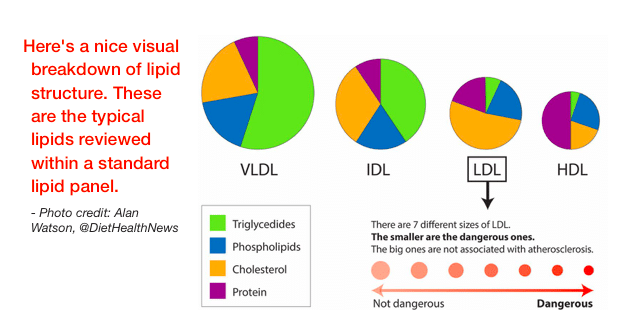
Cholesterol is a waxy, fat-like substance that is naturally produced by your body and can also be found in certain foods. It plays a crucial role in the normal functioning of your body as it is needed to produce hormones, vitamin D, and bile acids, which aid in the digestion of fats. Cholesterol is transported through your bloodstream in particles called lipoproteins.
Role of Cholesterol in the Body
Cholesterol is essential for the formation of cell membranes, which protect and insulate your cells. It is also involved in the synthesis of steroid hormones, such as estrogen and testosterone, which regulate various bodily functions. Additionally, cholesterol is needed for the production of bile acids that help in the digestion and absorption of dietary fats.
Understanding the Keto Diet
What is the Keto Diet?
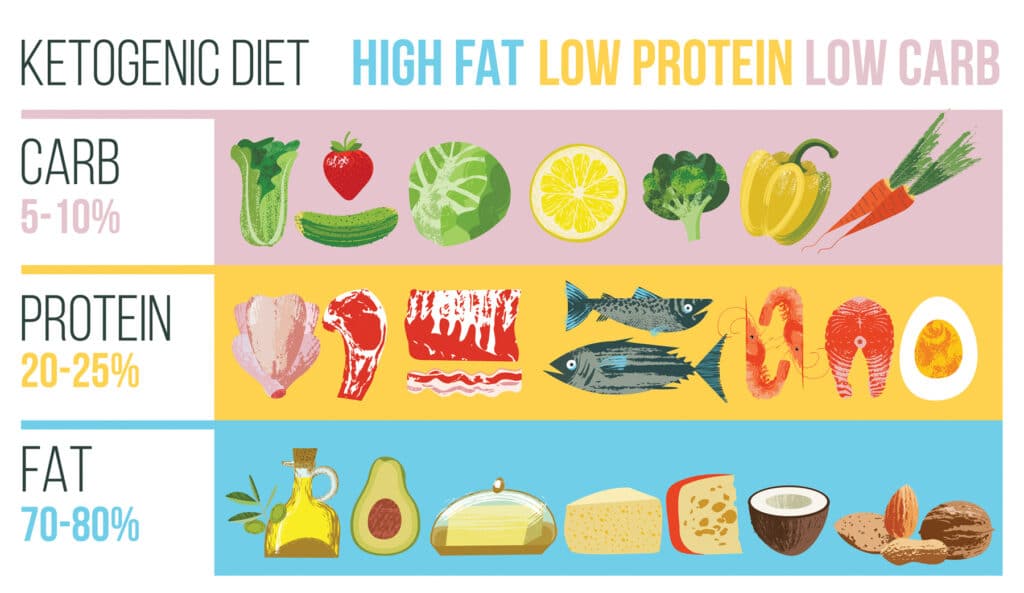
The keto diet, short for ketogenic diet, is a low-carbohydrate, high-fat diet that has gained popularity in recent years. It involves consuming foods that are low in carbohydrates and high in fats, which puts your body in a state of ketosis. Ketosis is a metabolic state where your body burns fats for fuel instead of carbohydrates.
How Does the Keto Diet Work?
When you drastically reduce your carbohydrate intake on the keto diet, your body enters a metabolic state called ketosis. In this state, your liver begins to convert fats into molecules called ketones, which serve as an alternative fuel source for your brain and muscles. By relying on fats for energy, your body starts to burn stored body fat, leading to weight loss.
Benefits of the Keto Diet
The keto diet has gained popularity due to its potential benefits. Some of the benefits associated with the keto diet include:
-
Weight loss: By reducing carbohydrate intake and promoting the use of fats as a fuel source, the keto diet may lead to weight loss.
-
Blood sugar control: The keto diet may help regulate blood sugar levels, which can be beneficial for individuals with diabetes or insulin resistance.
-
Enhanced mental clarity: Some people report improved mental focus and clarity while following the keto diet.
-
Reduced hunger: The increased intake of fats and proteins on the keto diet can help promote satiety and reduce hunger cravings.
-
Potential improvement in certain health conditions: Research suggests that the keto diet may have positive effects on conditions such as epilepsy, polycystic ovary syndrome (PCOS), and metabolic syndrome.
Effect of the Keto Diet on Cholesterol Levels
Keto Diet and LDL Cholesterol
Low-density lipoprotein (LDL) cholesterol is often referred to as “bad” cholesterol because high levels of LDL can contribute to the formation of plaque in the arteries, increasing the risk of heart disease. Concerns have been raised about the potential impact of the keto diet on LDL cholesterol levels.
Research on the effect of the keto diet on LDL cholesterol levels has shown mixed results. Some studies have reported an increase in LDL cholesterol levels, while others have shown no significant changes or even a decrease in LDL cholesterol levels. It is important to note that these effects may vary depending on individual factors, such as genetics and overall dietary intake.
Keto Diet and HDL Cholesterol
High-density lipoprotein (HDL) cholesterol is often referred to as “good” cholesterol because it helps remove LDL cholesterol from the arteries and transports it back to the liver for disposal. HDL cholesterol is associated with a reduced risk of heart disease.
Although studies on the effect of the keto diet on HDL cholesterol levels are limited, some research suggests that the keto diet may lead to an increase in HDL cholesterol levels. This increase in HDL cholesterol can be beneficial for cardiovascular health.
Keto Diet and Triglycerides
Triglycerides are a type of fat found in your blood. High levels of triglycerides are associated with an increased risk of heart disease.
Research on the effect of the keto diet on triglyceride levels has shown promising results. Studies have found that the keto diet can lead to a decrease in triglyceride levels, which is beneficial for cardiovascular health.
Research and Studies on the Keto Diet and Cholesterol
Clinical Studies on the Keto Diet and Cholesterol
Several clinical studies have examined the impact of the keto diet on cholesterol levels. These studies have provided valuable insights into the relationship between the keto diet and cholesterol.
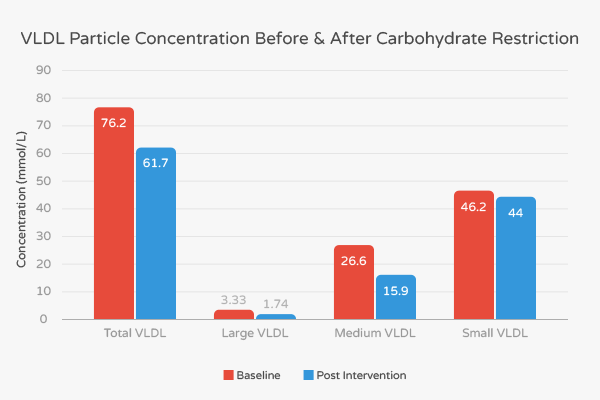
A randomized controlled trial published in the Journal of Clinical Lipidology showed that the keto diet led to a significant reduction in LDL cholesterol levels compared to a low-fat diet. However, the same study also reported a slight reduction in HDL cholesterol levels.
Another study published in the Annals of Internal Medicine found that the keto diet resulted in a decrease in triglyceride levels and an increase in HDL cholesterol levels compared to a low-fat diet.
While these studies provide important information, further research is needed to fully understand the long-term effects of the keto diet on cholesterol levels.
Long-Term Effects of the Keto Diet on Cholesterol
Long-term studies on the effects of the keto diet on cholesterol levels are limited. However, a study published in the Journal of Lipid Research followed individuals on a low-carbohydrate ketogenic diet for a duration of one year. The study found that although LDL cholesterol levels increased during the initial phase, they returned to baseline levels or decreased after one year of following the keto diet.
These findings suggest that the initial increase in LDL cholesterol levels seen in some individuals may not be a cause for concern when considering the long-term effects of the keto diet on cholesterol.
Factors That Influence Cholesterol Levels on the Keto Diet
Type of Fat Consumed on the Keto Diet
The type of fat consumed on the keto diet can have an impact on cholesterol levels. It is important to focus on consuming healthy fats, such as monounsaturated fats found in olive oil and avocados, and polyunsaturated fats found in fatty fish like salmon and nuts.
On the other hand, consuming large amounts of unhealthy fats, such as saturated fats found in red meat and full-fat dairy products, may contribute to an increase in LDL cholesterol levels. It is important to maintain a balance and opt for healthier fat sources.
Total Caloric Intake on the Keto Diet
The total caloric intake on the keto diet can also influence cholesterol levels. Consuming excess calories, even if they come from healthy fats, can lead to weight gain and an unfavorable lipid profile. It is important to monitor portion sizes and maintain a caloric intake that is appropriate for your individual needs and weight management goals.
Individual Genetic Factors
Individual genetic factors can also play a role in cholesterol levels on the keto diet. Some individuals may be more susceptible to experiencing changes in cholesterol levels, while others may not be affected as significantly.
It is important to remember that everyone’s body is unique, and individual responses to the keto diet may vary. Consulting with a healthcare provider and monitoring cholesterol levels regularly can help identify any potential concerns.
Managing Cholesterol on the Keto Diet
Regular Monitoring of Cholesterol Levels
Regular monitoring of cholesterol levels is crucial when following the keto diet. It allows you to track any changes in LDL cholesterol, HDL cholesterol, and triglyceride levels. Routine blood tests performed by a healthcare professional can provide valuable insight into your cholesterol profile.
Balanced Macronutrient Ratio on the Keto Diet
Maintaining a balanced macronutrient ratio on the keto diet is important for managing cholesterol levels. While the diet is high in healthy fats, it is also essential to consume an adequate amount of protein and a limited amount of carbohydrates. Balancing these macronutrients can help promote a healthy lipid profile.
Incorporating Heart-Healthy Fats
Incorporating heart-healthy fats into your keto diet can help optimize cholesterol levels. This includes sources of monounsaturated fats, such as olive oil and avocados, and polyunsaturated fats, such as fatty fish and nuts. These fats have been shown to have positive effects on cholesterol levels and overall cardiovascular health.

Addressing Concerns and Misconceptions
The Myth of High-Fat Diets and Cholesterol
One common misconception is that high-fat diets, such as the keto diet, automatically lead to high cholesterol levels. However, research has shown that the relationship between dietary fat and cholesterol is more complex than previously believed.
While some individuals may experience an increase in LDL cholesterol on the keto diet, others may actually see improvements in their lipid profile. It is important to consider individual factors and focus on consuming healthy fats to maintain a balanced diet.
Potential Side Effects of the Keto Diet on Cholesterol
Like any dietary approach, the keto diet may have potential side effects on cholesterol levels in some individuals. It is crucial to monitor cholesterol levels and consult with a healthcare provider if experiencing any adverse changes.
It is important to note that the keto diet may not be suitable for everyone, especially those with certain medical conditions or on certain medications. Consulting with a healthcare provider before starting the keto diet can help identify any potential risks or issues.
Expert Recommendations on the Keto Diet and Cholesterol
Advice from Registered Dietitians
Registered dietitians emphasize the importance of individualized approaches when considering the keto diet and cholesterol. They recommend working with a healthcare professional to monitor cholesterol levels and adjust the diet as needed.
Registered dietitians also highlight the importance of consuming healthy fats and maintaining a balanced macronutrient ratio to optimize cholesterol levels while following the keto diet.
Opinions from Medical Professionals
Medical professionals suggest that the keto diet may be beneficial for some individuals, but it may not be suitable for everyone. They emphasize the importance of considering individual factors, such as overall health, cholesterol levels, and goals, when deciding whether to follow the keto diet.
Medical professionals also stress the need for regular cholesterol monitoring and working collaboratively with healthcare providers to manage cholesterol levels effectively.
Individual Variations and Consultation with a Healthcare Provider
Importance of Considering Individual Differences
It is crucial to consider individual differences when assessing the impact of the keto diet on cholesterol levels. While some individuals may experience positive changes, others may require adjustments to their diet or may need to explore alternative dietary approaches.
Factors such as genetics, overall health, and lifestyle can influence how the keto diet affects cholesterol levels. Working with a healthcare provider can help determine the most appropriate approach for each individual.
Consulting with a Healthcare Provider Before Starting the Keto Diet
Consulting with a healthcare provider before starting the keto diet is highly recommended. They can assess your overall health, review your medical history, and provide personalized guidance on managing cholesterol levels while following the keto diet.
A healthcare provider can also order blood tests to establish a baseline cholesterol profile and monitor any changes that may occur during the diet.
Conclusion
Understanding the relationship between the keto diet and cholesterol is complex and multifaceted. While some studies have shown potential benefits of the keto diet on cholesterol levels, individual responses may vary.
It is important to prioritize overall health and consult with a healthcare provider when considering the keto diet. Regular cholesterol monitoring, balancing macronutrients, and choosing heart-healthy fats can help optimize cholesterol levels while following the keto diet.
Remember, everyone’s body is unique, and what works for one person may not work for another. By considering individual differences and seeking professional guidance, you can make informed decisions about the keto diet and its potential impact on cholesterol levels.