
Keto Diet Basics
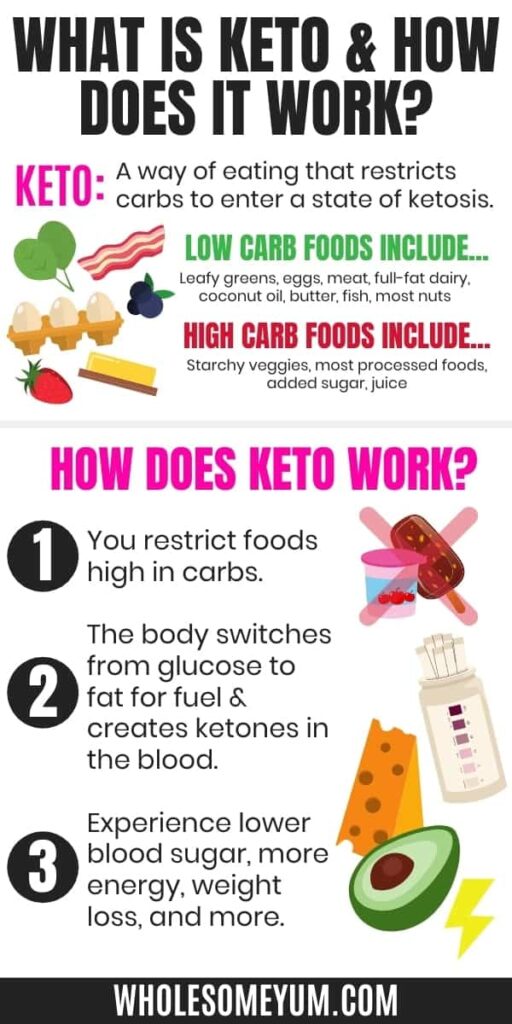
You’ve likely heard about the Keto diet, but do you know the basics? In a nutshell, the Keto diet is a low-carb, high-fat eating plan that helps your body enter a state of Ketosis, where it burns fat for fuel instead of carbs.
By drastically reducing your carbohydrate intake and replacing it with healthy fats, you can potentially unlock a range of health benefits, from weight loss to increased mental clarity. In this article, we’ll explore the fundamental principles of the Keto diet and shed light on why it has become a popular choice for many health-conscious individuals.
What is the Keto Diet?
The Keto Diet, short for the ketogenic diet, is a low-carb, high-fat diet that has gained popularity in recent years for its potential health benefits. This diet involves drastically reducing your intake of carbohydrates and replacing them with fats. By doing so, your body enters a metabolic state called ketosis, where it becomes highly efficient at burning fat for energy.
Definition of the Keto Diet
The Keto Diet involves consuming a diet that is high in fats, moderate in proteins, and low in carbohydrates. The goal of the diet is to force your body into a state of ketosis, where it starts using fat as its primary source of fuel.
How the Keto Diet Works
When you consume a high-carbohydrate diet, your body converts the carbohydrates into glucose, which serves as the primary source of energy for your cells. However, when you restrict your carbohydrate intake, as in the Keto Diet, your body lacks glucose for energy. In response, it begins breaking down stored fat into molecules called ketones, which can serve as an alternative energy source. This process is known as ketosis.
Primary Goals of the Keto Diet
The primary objectives of the Keto Diet include weight loss, blood sugar regulation, enhanced energy levels, reduced inflammation, improved mental clarity, and a lower risk of certain diseases. By achieving these goals, individuals following the Keto Diet can experience overall improvements in their health and well-being.
Benefits of the Keto Diet
The Keto Diet offers a range of potential benefits that have contributed to its popularity among those seeking to improve their health and lose weight.
Weight Loss
One of the primary benefits of the Keto Diet is its effectiveness in promoting weight loss. By restricting carbohydrates, your body is forced to burn fat for energy, resulting in a reduction in body weight and fat mass. Additionally, the Keto Diet has been shown to reduce appetite and increase satiety, leading to a lower caloric intake and further aiding in weight loss.
Blood Sugar Control
The Keto Diet can be particularly beneficial for individuals with diabetes or those at risk of developing the condition. By minimizing carbohydrate intake, the diet helps regulate blood sugar levels, preventing significant spikes and crashes in glucose levels. This can lead to improved insulin sensitivity and better overall blood sugar control.
Increased Energy Levels
Many individuals experience increased energy levels while following the Keto Diet. This can be attributed to the steady supply of energy from ketones, which provides a more stable and sustained source of fuel compared to the fluctuations in energy levels typically associated with a high-carbohydrate diet.
Reduced Inflammation
Inflammation is a common factor in many chronic diseases, including heart disease, diabetes, and certain types of cancer. The Keto Diet has been shown to reduce inflammation markers in the body, potentially lowering the risk of developing these conditions and improving overall health.
Improved Mental Focus
The reduction in carbohydrate intake and the increased use of ketones as an energy source can have a positive impact on cognitive function. Many people report improved mental clarity, focus, and concentration while following the Keto Diet.
Reduced Risk of Certain Diseases
Research suggests that the Keto Diet may offer protection against various diseases. For instance, studies have shown that the diet can improve heart health by reducing triglyceride levels, increasing HDL (good) cholesterol, and reducing LDL (bad) cholesterol. Additionally, the Keto Diet has been associated with a decreased risk of certain types of cancer and neurological disorders, such as Alzheimer’s disease.
Keto Diet Food List
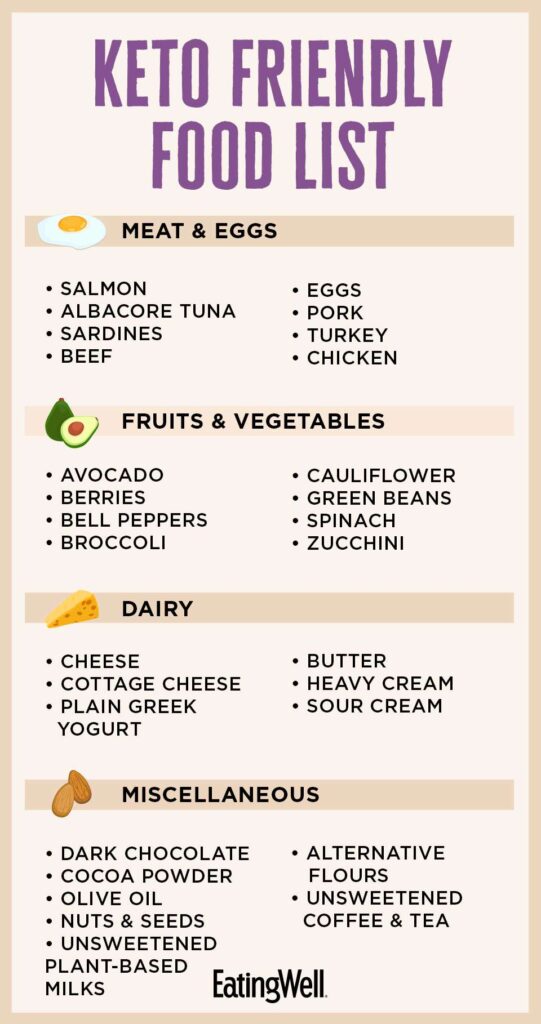
To follow the Keto Diet, it is essential to have a clear understanding of the foods to include and those to avoid in your daily meals.
Foods to Include
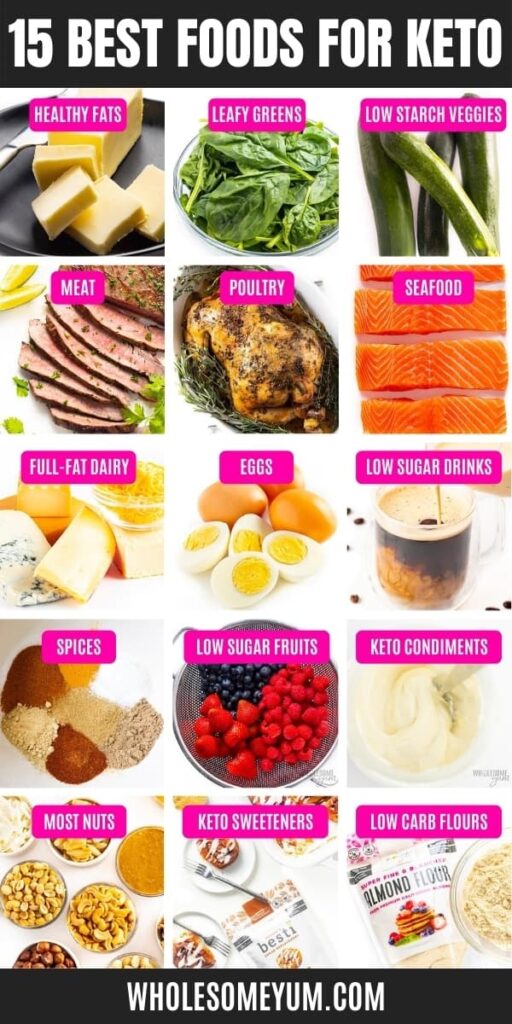
- Healthy fats, such as avocados, coconut oil, olive oil, and nuts, are staples in the Keto Diet. These fats provide a significant portion of your daily calorie intake.
- Protein sources, including meats, fish, eggs, and dairy products, are essential for maintaining muscle mass and supplying the body with the essential amino acids it needs.
- Low-carbohydrate vegetables, such as leafy greens, broccoli, cauliflower, and zucchini, should be included in your diet to provide essential vitamins and minerals.
- Berries, such as blueberries and strawberries, can be enjoyed in moderation due to their relatively low carbohydrate content.
Foods to Avoid
- Foods high in carbohydrates, such as bread, pasta, rice, and most processed snacks and sweets, should be avoided on the Keto Diet.
- Sugary beverages, including soft drinks, fruit juices, and energy drinks, should be consumed in moderation or eliminated.
- Starchy vegetables, such as potatoes and corn, should be limited due to their higher carbohydrate content.
Keto-Friendly Fats
In the Keto Diet, fats make up a significant portion of your daily calorie intake. Healthy fats are encouraged, including avocados, coconut oil, olive oil, nuts, and seeds. These fats provide energy, support hormone production, and aid in nutrient absorption.
Keto-Friendly Proteins
Protein is an essential macronutrient in the Keto Diet. Good sources of protein include meat, fish, eggs, and dairy products. These proteins provide the building blocks for muscle growth and repair.
Keto-Friendly Vegetables
Leafy greens, such as spinach and kale, are excellent options for low-carbohydrate vegetables. Other keto-friendly vegetables include broccoli, cauliflower, zucchini, and bell peppers. These vegetables are high in nutrients and low in net carbohydrates.
Keto-Friendly Fruits
While fruits naturally contain sugars, some fruits are lower in carbohydrates and can be enjoyed in moderation on the Keto Diet. Berries, such as blueberries and strawberries, are good options due to their relatively low carbohydrate content.
Keto-Friendly Dairy Products
Dairy products can be consumed on the Keto Diet, but it is essential to choose those with lower carbohydrate content. Full-fat options, such as cheese, butter, and cream, are generally preferred over low-fat or skim options.
Keto-Friendly Nuts and Seeds
Nuts and seeds are excellent sources of healthy fats and can be included in the Keto Diet. Examples of keto-friendly nuts and seeds include almonds, walnuts, chia seeds, and flaxseeds.
Keto-Friendly Beverages
Water should be the primary beverage of choice on the Keto Diet. Other keto-friendly options include unsweetened tea and coffee, as well as sugar-free flavored drinks and sparkling water.
Ketosis and Ketone Bodies
Understanding ketosis and ketone bodies is crucial for those following the Keto Diet.
What is Ketosis?
Ketosis is a metabolic state in which your body primarily uses ketones, formed from the breakdown of stored fat, as an energy source instead of glucose. This occurs when carbohydrate intake is restricted, and the body has depleted its glucose stores.
How to Achieve Ketosis
To achieve ketosis, you must restrict your carbohydrate intake to a very low level, typically around 20-50 grams per day. This prompts your body to enter a state of ketosis and start producing and utilizing ketone bodies for energy.
Benefits of Ketosis
The state of ketosis offers various benefits, including increased fat burning, improved mental focus, reduced appetite, and stable blood sugar levels. It can also be beneficial for those with epilepsy and certain metabolic disorders.
Understanding Ketone Bodies
Ketone bodies are molecules produced by the liver when your body is in a state of ketosis. These molecules, including acetoacetate, beta-hydroxybutyrate (BHB), and acetone, serve as an alternative energy source when glucose is scarce.
Types of Ketones
There are three primary types of ketones produced during ketosis:
- Acetoacetate is the first ketone produced and can be converted into either BHB or acetone.
- Beta-hydroxybutyrate (BHB) is the most abundant ketone in the blood and is responsible for supplying energy to various organs, including the brain.
- Acetone is a volatile ketone that is mainly excreted through breath and urine.
Measuring Ketone Levels
Ketone levels can be measured using various methods, such as urine test strips, blood ketone meters, and breath analyzers. These tools indicate the level of ketosis in your body.

Getting Started on the Keto Diet
Embarking on the Keto Diet requires careful planning and preparation to ensure long-term success.
Consulting with a Healthcare Professional
Before starting any new diet, it is recommended to consult with a healthcare professional, especially if you have any underlying health conditions or are taking medication.
Setting Realistic Goals
It is essential to set realistic and achievable goals when starting the Keto Diet. This can help you stay motivated and track your progress effectively.
Meal Planning and Preparation
Meal planning and preparation are essential for success on the Keto Diet. By planning your meals and preparing them ahead of time, you can ensure that you have keto-friendly options readily available and avoid the temptation of reaching for high-carbohydrate foods.
Understanding Net Carbs
Net carbs are calculated by subtracting the grams of fiber from the total grams of carbohydrates in a food item. On the Keto Diet, focusing on net carbs is crucial, as fiber is not digested and does not impact blood sugar levels.
Tracking Macros
Macros, short for macronutrients, refer to the three main components of your diet: fats, proteins, and carbohydrates. Tracking your macro intake and ensuring that you maintain the appropriate ratios is essential for achieving and maintaining ketosis.
Managing Electrolyte Imbalance
When starting the Keto Diet, you may experience an electrolyte imbalance as your body adapts to the dietary changes. It is important to replenish electrolytes through foods like avocados, nuts, and leafy greens or through supplementation.
Transitioning into Ketosis
Transitioning into ketosis can take a few days to a few weeks, depending on the individual. Initially, you may experience symptoms such as fatigue, irritability, and brain fog, commonly referred to as the “keto flu.” However, these symptoms typically subside once your body becomes fully adapted to using ketones as an energy source.
Possible Side Effects
While the Keto Diet offers numerous benefits, some individuals may experience side effects during the initial phases of adjustment.
Keto Flu
The keto flu refers to a set of symptoms that some people experience when starting the Keto Diet. These symptoms can include fatigue, headache, irritability, dizziness, and nausea. They are typically temporary and can be mitigated by staying properly hydrated and ensuring adequate intake of electrolytes.
Digestive Issues
Some individuals may experience digestive issues, such as constipation or diarrhea, when first starting the Keto Diet. This can be due to a sudden change in dietary fiber intake. It is essential to prioritize fiber-rich foods and stay hydrated to alleviate these symptoms.
Muscle Cramps
During the adjustment phase of the Keto Diet, some individuals may experience muscle cramps. This can be attributed to an electrolyte imbalance, which can be mitigated by increasing electrolyte intake through a balanced diet or supplementation.
Bad Breath
An unpleasant side effect of the Keto Diet is known as “keto breath,” characterized by a fruity or metallic odor. This is caused by the increased production of acetone, one of the ketone bodies, which is released through breath and can result in a distinct odor.
Changes in the Menstrual Cycle
Some women may experience changes in their menstrual cycle when following the Keto Diet. These changes can include irregular periods, changes in flow, or even temporary cessation of menstruation. If you have concerns about your menstrual cycle, it is recommended to consult with a healthcare professional.
Temporary Reduction in Performance
During the initial stages of transitioning into ketosis, some individuals may experience a temporary reduction in performance during high-intensity exercises. This is often due to the body adjusting to utilizing ketones as a fuel source instead of glucose. Over time, many individuals find that their performance levels return to normal or even improve.

Is the Keto Diet Suitable for Everyone?
While the Keto Diet can be highly beneficial for many individuals, it may not be suitable for everyone.
Individual Variations
Each person’s response to the Keto Diet can vary, and some individuals may find that other dietary approaches are more suitable for their needs and goals. It is essential to listen to your body and make adjustments accordingly.
Conditions that May Affect Compatibility
Certain medical conditions, such as pancreatic disease or liver dysfunction, may affect the compatibility of the Keto Diet. Additionally, individuals with existing kidney issues or a history of gallbladder disease should exercise caution and consult with healthcare professionals before starting the diet.
Pregnancy and Breastfeeding
The Keto Diet is generally not recommended for pregnant or breastfeeding women, as it may not provide adequate nutrition and calories for both the mother and the baby. It is essential to prioritize a well-balanced diet during this period.
Athletes and High-Intensity Exercisers
While some athletes and high-intensity exercisers have successfully followed the Keto Diet, it is essential to note that carbohydrate availability plays a significant role in high-intensity exercise performance. Individuals engaged in intense physical activity may need to modify the Keto Diet or consider other approaches that prioritize carbohydrate intake.
Common Misconceptions about the Keto Diet
Despite its popularity, several common misconceptions surround the Keto Diet.
All Fats are Allowed
While the Keto Diet is high in fat, it is essential to prioritize healthy fats and avoid unhealthy saturated or trans fats. Choosing fats from sources such as avocados, nuts, and olive oil can provide numerous health benefits while minimizing associated risks.
No Need to Count Calories
While the Keto Diet does not require strict calorie counting, it is still essential to maintain an appropriate caloric intake in line with your individual goals. Consuming excessive calories, even from fats and proteins, can impede weight loss and overall progress.
You Can Eat as Much Protein as You Want
Although protein is an essential component of the Keto Diet, excessive protein intake can interfere with ketosis. It is necessary to consume moderate amounts of protein and prioritize healthy fats as the primary source of calories.
Keto is a High-Protein Diet
Contrary to popular belief, the Keto Diet is not a high-protein diet. It is a moderate-protein diet that prioritizes healthy fats as the primary source of calories. Consuming excessive protein can convert some amino acids into glucose through a process called gluconeogenesis, potentially hindering ketosis.
Carbs are Completely Off-Limits
While carbohydrate intake is significantly reduced on the Keto Diet, it is not eliminated. The diet emphasizes consuming low-carbohydrate foods and prioritizing nutrient-dense sources of carbohydrates, such as vegetables.
Keto Means No Fruit or Vegetables
While certain fruits and vegetables may be limited due to their higher carbohydrate content, many low-carbohydrate options can be enjoyed on the Keto Diet. Leafy greens, broccoli, cauliflower, and berries are examples of fruits and vegetables that are typically allowed in moderation.
Keto is a Short-Term Diet
While some individuals may choose to follow the Keto Diet for a limited period, it can also be a long-term lifestyle choice. Adapting to a ketogenic eating pattern and maintaining ketosis can provide ongoing health benefits.
Tips for Long-Term Success
To achieve long-term success on the Keto Diet, consider the following tips:
Finding a Supportive Community
Joining a community of individuals following the Keto Diet can provide support, encouragement, and a valuable source of information.
Staying Consistent and Patient
Achieving and maintaining ketosis takes time and patience. It is essential to stay consistent with your dietary choices and be patient with your body’s adaptation process.
Balancing Macronutrients
Finding the right balance of fats, proteins, and carbohydrates for your individual needs is crucial for success on the Keto Diet. Experimenting with different ratios can help you find what works best for you.
Adapting to Social Situations
Social situations can present challenges when following a specific diet. Planning, communicating your dietary needs, and focusing on keto-friendly options can help you navigate these situations without compromising your progress.
Listening to Your Body
Each individual’s nutritional needs may vary, so it is essential to listen to your body and make adjustments as necessary. Pay attention to how different foods and macronutrient ratios affect your energy levels and overall performance.
Regular Exercise and Physical Activity
Regular exercise and physical activity are essential components of overall health and can complement the benefits of the Keto Diet. Finding activities you enjoy and incorporating them into your routine can enhance your long-term success.
The Keto Diet is a low-carb, high-fat diet that offers numerous potential benefits, including weight loss, improved blood sugar control, increased energy levels, reduced inflammation, improved mental focus, and a reduced risk of certain diseases.
By understanding the principles of the Keto Diet, following a keto-friendly food list, and adopting healthy lifestyle habits, you can set yourself up for long-term success and improved overall well-being. Remember to consult with a healthcare professional before starting any new diet or making significant changes to your current eating pattern.
RELATED TOPICS ABOUT Keto Diet Basics:
Keto Basics,
Ketogenic Diet Basics,
Keto Diet 101,
Keto for Beginners Basics,
Basic Keto Guide,
Understanding Keto Diet,
What is the Keto Diet,
How Does Keto Work,
Basics of Ketosis,
Keto Diet Explained,
How to Get into Ketosis,
Keto Diet Macros,
Basic Keto Food List,
What to Eat on Keto,
What Not to Eat on Keto,
Keto Carb Limit,
Healthy Fats on Keto,
Net Carbs on Keto,
Keto Diet for Weight Loss,
Keto Diet Benefits,
How Keto Helps Burn Fat,
Keto for Energy and Focus,
Keto Before and After Basics,
Keto for Belly Fat,
Keto Basics Pdf,
Keto Beginner Checklist,
Keto Macros Calculator,
Keto Meal Plan Basics,
Keto Grocery List,
Simple Keto Recipes,
Keto Basics for Women,
Keto Basics over 50,
Keto for Diabetics Basics,
Keto for Seniors,
Keto Basics for Pcos,
Keto Basics for Busy People,
Common Keto Mistakes,
Keto Myths Debunked,
Why Keto Doesn’t Work for Some,
Keto Diet Side Effects,
Keto Flu Basics
==========
Content 10/10/G


