
Keto Diet For Epilepsy
If you or a loved one is living with epilepsy, you may have heard about the potential benefits of the keto diet. In this article, we will explore the connection between the ketogenic diet and epilepsy.
Discover how this low-carb, high-fat diet may help reduce seizures and improve overall brain health for those affected by this neurological disorder. Whether you’re curious about trying the keto diet yourself or seeking information for a friend or family member, you’ve come to the right place. Let’s uncover the potential of the keto diet for epilepsy together.

What is the Keto Diet?
Definition
The Keto Diet, short for ketogenic diet, is a low-carbohydrate, high-fat diet that has been utilized for many years in the treatment of epilepsy and seizures. The primary objective of the diet is to induce a metabolic state known as ketosis, in which the body utilizes fat as its primary source of fuel rather than carbohydrates. By drastically reducing carbohydrate intake and increasing fat consumption, the body enters a state of ketosis, where ketone bodies are produced from the breakdown of fats in the liver. Ketones then serve as an alternative energy source, providing fuel for the brain and other vital organs.
How it Works
The ketogenic diet works by altering the body’s metabolic state, shifting from relying on carbohydrates for energy to utilizing stored fats. When carbohydrates are limited, the body begins to break down fats into fatty acids and glycerol. The liver then converts these fatty acids into ketone bodies, which are transported to the brain to serve as an energy source. This metabolic switch from carbohydrates to fats is believed to have beneficial effects on the brain and help reduce seizures in individuals with epilepsy.
Types of Keto Diets
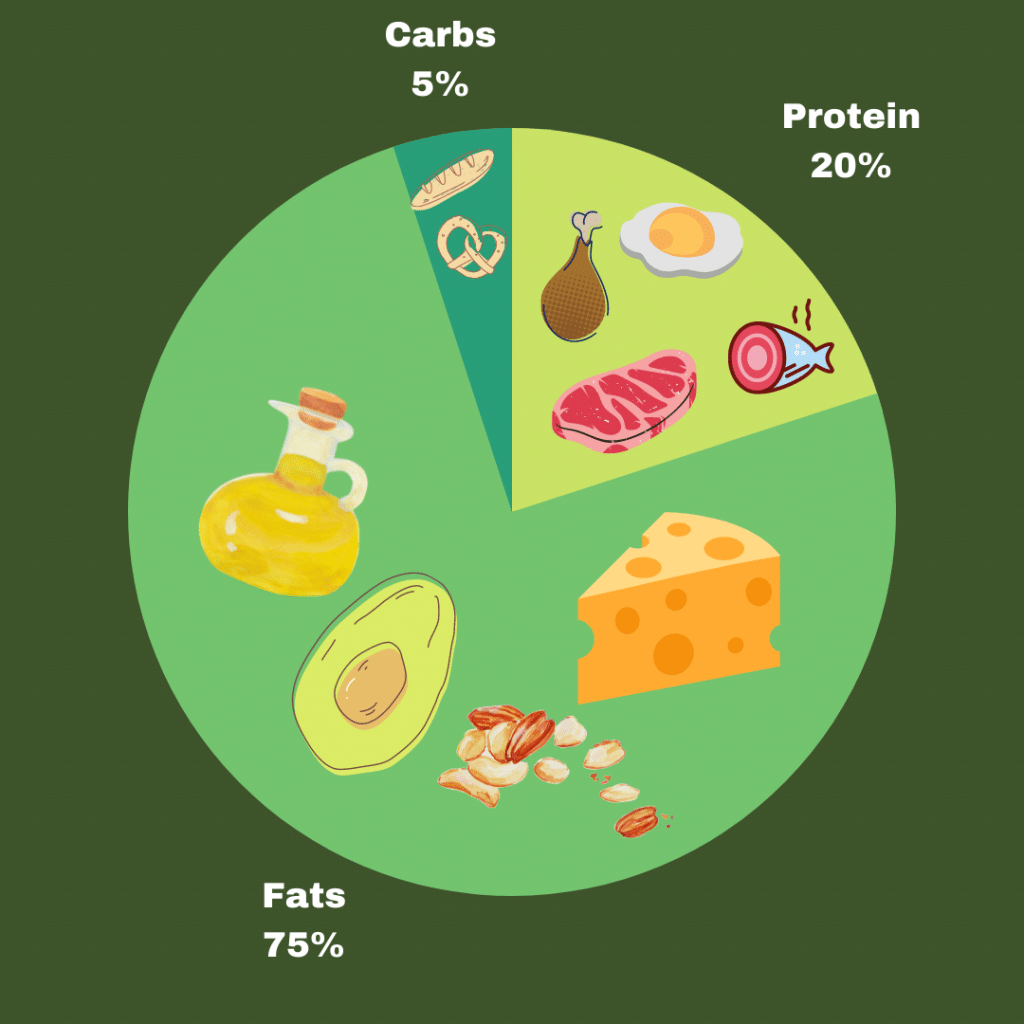
There are several variations of the ketogenic diet, each with its specific macronutrient ratios. The standard ketogenic diet (SKD) typically consists of a high-fat (70-75%), moderate-protein (20-25%), and very-low-carbohydrate (5-10%) intake. Another variation is the cyclical ketogenic diet (CKD), which involves periods of high carbohydrate consumption followed by strict adherence to the ketogenic diet. The targeted ketogenic diet (TKD) allows for small amounts of carbohydrates to be consumed around workouts. In contrast, the high-protein ketogenic diet (HPKD) emphasizes increased protein intake while maintaining the standard macronutrient ratios.
Epilepsy and Seizures
Understanding Epilepsy
Epilepsy is a neurological disorder characterized by recurrent seizures, which are sudden episodes of abnormal electrical activity in the brain. These seizures can vary in duration and intensity, and their symptoms can range from mild to severe. Epilepsy affects people of all ages and can significantly impact their quality of life.
Types of Seizures
There are various types of seizures that individuals with epilepsy may experience. Generalized seizures involve abnormal activity throughout the entire brain, while focal seizures occur in a specific part of the brain. Generalized tonic-clonic seizures, absence seizures, myoclonic seizures, and focal seizures with impaired awareness are some examples of the different seizure types.
Incidence of Epilepsy
Epilepsy is a relatively common neurological disorder, affecting around 50 million people worldwide. It is estimated that approximately 3.4 million individuals in the United States have epilepsy, making it one of the most prevalent neurological conditions in the country. The incidence of epilepsy can vary among different age groups and demographics, with children and older adults being particularly susceptible.
Traditional Epilepsy Treatments
Traditionally, epilepsy has been treated with anti-seizure medications, such as anticonvulsants. These medications aim to control seizures by suppressing abnormal electrical activity in the brain. While medication can be effective for many individuals, it is not always successful in achieving seizure control or may come with unwanted side effects. As a result, there has been growing interest in alternative treatment approaches, such as the ketogenic diet.

Historical Background
Discovery of the Ketogenic Diet
The ketogenic diet was first introduced in the 1920s as a potential treatment for epilepsy. Dr. Russell Wilder discovered it at the Mayo Clinic, who observed that fasting had a positive impact on seizure control in individuals with epilepsy. Seeking to replicate the beneficial effects of fasting while providing adequate nutrition, Dr. Wilder developed the ketogenic diet.
Early Use for Epilepsy
During the early years of the ketogenic diet’s application for epilepsy, it was primarily used in children who did not respond well to medication. The diet was found to be particularly effective in reducing seizures and improving overall seizure control in this population. As a result, it gained recognition as a viable treatment option for epilepsy, with numerous studies being conducted to explore its efficacy further.
Decline in Popularity
Despite initial success, the popularity of the ketogenic diet declined in the mid-20th century with the development of new anticonvulsant medications. These medications were perceived as easier to administer and more convenient than adhering to a strict dietary regimen. As a result, the use of the ketogenic diet for epilepsy treatment waned significantly during this time.
Resurgence of Interest
In recent years, there has been a resurgence of interest in the ketogenic diet for epilepsy treatment. This renewed attention is due in part to the increasing recognition of the limitations of medication and the desire for alternative therapies with fewer side effects. Additionally, advancements in research and a better understanding of the mechanisms by which the ketogenic diet exerts its effects have contributed to the renewed interest and exploration of its potential benefits.
Ketogenic Diet for Epilepsy
Definition
The ketogenic diet for epilepsy is a carefully controlled and highly individualized dietary intervention prescribed by healthcare professionals. It involves consuming a diet that is high in fat, low in carbohydrates, and adequate in protein. This specific macronutrient ratio is designed to induce ketosis, a metabolic state in which the body produces ketones to fuel the brain and other organs.
Mechanism of Action
The mechanism by which the ketogenic diet exerts its anticonvulsant effects in epilepsy is not fully understood. It is believed to involve multiple complex pathways and interactions within the body. One proposed mechanism is that ketones, produced during ketosis, may have a stabilizing effect on the electrical activity of neurons in the brain, helping to reduce the occurrence and severity of seizures.
Success Rates
The success rates of the ketogenic diet in reducing seizures and improving seizure control vary among individuals. Studies have shown that approximately 50% of children and 10-15% of adults with epilepsy may experience a significant reduction in seizure frequency or even become seizure-free while on the ketogenic diet. The success of the diet may depend on factors such as age, seizure type, epilepsy syndrome, and adherence to the dietary guidelines.
Adapting to Ketosis
Adapting to a ketogenic diet and achieving ketosis can be challenging, especially during the initial stages. The transition period, commonly referred to as the “keto flu,” can involve symptoms such as fatigue, nausea, and headaches as the body adjusts to its new metabolic state. However, these symptoms are typically temporary and can be alleviated by proper hydration, electrolyte supplementation, and a gradual increase in fat intake.
Monitoring and Adjusting Diet
Close monitoring and regular adjustments of the dietary regimen are essential when following the ketogenic diet for epilepsy. Healthcare professionals, such as dietitians and neurologists, closely oversee the progress and guide appropriate macronutrient ratios, calorie intake, and necessary adjustments to optimize seizure control. Regular blood tests and urine tests may also be conducted to ensure that ketosis is being maintained.

Benefits of the Keto Diet for Epilepsy
Reduction in Seizure Frequency
One of the primary benefits of the ketogenic diet for epilepsy is a reduction in seizure frequency. Numerous studies have demonstrated that the diet can effectively decrease the frequency and severity of seizures in many individuals, particularly those who are unresponsive to or intolerant of traditional anticonvulsant medications. This reduction in seizures can have a significant positive impact on the quality of life for individuals with epilepsy and their families.
Improved Seizure Control
In addition to reducing seizure frequency, the ketogenic diet has been shown to improve seizure control in many individuals. By achieving a higher level of seizure control, individuals on the diet may experience fewer disruptions to their daily activities, increased independence, and improved overall well-being.
Reduced Medication Dosage
The ketogenic diet’s effectiveness in reducing seizures may also allow for a reduction in medication dosage or, in some cases, discontinuation of anticonvulsant medications altogether. This reduced reliance on medication not only decreases the potential side effects associated with long-term medication use but also reduces the financial burden often associated with ongoing medication expenses.
Improved Cognition and Behavior
Some studies have indicated that the ketogenic diet can lead to improvements in cognitive function and behavior in individuals with epilepsy. These improvements may include increased alertness, improved attention span, enhanced memory, and better overall mental performance. These benefits can be particularly significant for children with epilepsy, as they may contribute to better academic performance and overall development.
Potential for Seizure Remission
In some cases, the ketogenic diet has been shown to induce long-term seizure remission, where individuals remain seizure-free even after discontinuing the diet. Although the mechanism behind seizure remission is still not fully understood, this potential for sustained seizure control without ongoing dietary restrictions is promising. It provides hope for those living with epilepsy.
Implementing the Keto Diet
Medical Supervision
Implementing the ketogenic diet for epilepsy should always be done under the close supervision and guidance of a healthcare professional. Healthcare professionals, such as neurologists and registered dietitians, can provide the necessary expertise and support throughout the process. They can monitor progress, adjust the dietary plan as needed, and ensure that the diet is being followed correctly and safely.
Diagnosing and Screening Patients
Before initiating the ketogenic diet, patients will undergo a comprehensive evaluation to confirm the diagnosis of epilepsy and determine if they are suitable candidates for the diet. This evaluation may include a thorough review of the medical history, a physical examination, an electroencephalogram (EEG), and other diagnostic tests as needed. The goal is to ensure that the chosen treatment is appropriate and tailored to each individual’s specific needs.
Customizing the Diet
Each person’s dietary needs may vary, which is why it is essential to tailor the ketogenic diet to individual requirements. Factors such as age, weight, height, activity level, and the specific epilepsy syndrome will all be taken into account when creating an individualized dietary plan. The macronutrient ratios, calorie intake, and types of fats and carbohydrates allowed may be adjusted accordingly to optimize seizure control while ensuring adequate nutrition.
Managing Side Effects
As with any dietary change, there may be side effects and challenges associated with implementing the ketogenic diet for epilepsy. Common side effects during the adaptation phase may include constipation, hunger, irritability, and difficulty maintaining energy levels. However, these side effects are often temporary and can be managed through appropriate dietary adjustments, hydration, and nutritional supplementation.
Ensuring Adequate Nutrients
Ensuring that a ketogenic diet provides all necessary nutrients is crucial for overall health and well-being. Adequate intake of vitamins, minerals, and electrolytes is essential, as the diet can limit certain food groups that are typically rich in these nutrients. Regular monitoring of nutrient status, along with appropriate supplementation when necessary, is essential to prevent nutritional deficiencies and promote optimal health.

Foods Allowed and Restricted
Keto Diet Macronutrient Ratios
The standard ketogenic diet typically follows a macronutrient ratio of 70-75% fat, 20-25% protein, and 5-10% carbohydrates. This high-fat, adequate-protein, low-carbohydrate ratio is essential in inducing and maintaining ketosis.
Foods to Include
Foods allowed on the ketogenic diet primarily include healthy sources of fat, such as avocados, olive oil, coconut oil, nuts, and seeds. High-quality protein sources such as meat, fish, eggs, and poultry are also included. Non-starchy vegetables, such as leafy greens and cruciferous vegetables, are encouraged. Some dairy products, such as cheese and heavy cream, can also be incorporated into the diet.
Foods to Avoid
The ketogenic diet restricts or eliminates the consumption of foods that are high in carbohydrates. Foods to avoid on the diet include grains, legumes, certain fruits, most root vegetables, sugars, and processed foods. Additionally, foods containing artificial sweeteners and trans fats should be avoided.
Sample Keto Diet Meal Plan
A sample ketogenic diet meal plan may include meals such as scrambled eggs cooked in butter with avocado and bacon for breakfast, a salad topped with grilled chicken and olive oil dressing for lunch, and salmon cooked in coconut oil with roasted broccoli for dinner. Snacks may consist of nuts, seeds, or cheese.
Effectiveness and Research Studies
Clinical Trials and Findings
Numerous clinical trials have been conducted to evaluate the effectiveness of the ketogenic diet in the treatment of epilepsy. These studies have consistently shown that the diet can be an effective therapeutic option for reducing seizure frequency and improving seizure control, particularly in children with treatment-resistant epilepsy. The results of these trials have contributed to the growing body of evidence supporting the use of the ketogenic diet as a viable treatment for epilepsy.
Comparisons with Other Treatments
In comparison to traditional anticonvulsant medications, the ketogenic diet offers an alternative therapeutic approach for individuals with epilepsy. Some studies have even indicated that the diet may be more effective in some instances, particularly among those with specific genetic epilepsies. However, it is essential to note that the effectiveness of the diet can vary among individuals, and a personalized approach is necessary to determine the most suitable treatment option.
Long-Term Effects and Sustainability
Long-term adherence to the ketogenic diet for epilepsy is challenging for some individuals due to the restrictive nature of the diet. Compliance rates tend to decrease over time, and the sustainability of the diet varies among individuals. However, for those who can adhere to the dietary guidelines, long-term benefits in terms of seizure control and improved quality of life have been reported.
Emerging Research
Emerging research in the field of ketogenic diet therapy for epilepsy is focused on further understanding the underlying mechanisms of action, optimizing the diet’s efficacy, and identifying potential biomarkers for predicting treatment response. Research is also exploring the use of the ketogenic diet in combination with other treatment modalities, such as medication or neurostimulation, to enhance seizure control outcomes.
Considerations and Challenges
Compliance and Commitment
Compliance and commitment are key factors in the success of implementing the ketogenic diet for epilepsy. Adhering to a strict dietary regimen can be challenging, especially for individuals who have become accustomed to a different eating pattern or who may have limited access to certain foods. The need for ongoing commitment to the diet, as well as regular monitoring and adjustments, should be carefully considered before embarking on this therapeutic journey.
Impact on Lifestyle and Social Life
The ketogenic diet can have a significant impact on an individual’s lifestyle and social life. Being on a restrictive diet may require planning for meals, bringing food to social gatherings, or even declining certain invitations. It is essential to consider the potential impacts on social interactions and to communicate with family and friends about dietary needs and limitations for optimal support.
Potential Disadvantages
While the ketogenic diet has shown promising results in epilepsy treatment, it may not be suitable for everyone. Potential disadvantages include the risk of nutrient deficiencies, particularly if the diet is not followed correctly or if nutritional supplementation is not provided. Moreover, some individuals may experience gastrointestinal disturbances or other side effects that could impact overall tolerability.
Addressing Misconceptions and Myths
There are several misconceptions and myths surrounding the ketogenic diet for epilepsy. It is essential to address and dispel these misconceptions to ensure individuals are well-informed about the potential benefits and limitations of the diet. Misconceptions, such as the belief that the diet solely relies on high-fat foods or that it is a weight-loss diet, can be clarified to provide an accurate understanding of the diet’s purpose and therapeutic benefits.
Conclusion and Future Perspectives
Overall Efficacy and Potential Mechanisms
The ketogenic diet has demonstrated its efficacy as a valuable treatment option for individuals with epilepsy. The reduction in seizure frequency, improved seizure control, and potential for medication reduction or discontinuation make it a promising intervention. Although the specific mechanisms by which the diet exerts its anticonvulsant effects are not fully understood, ongoing research is shedding light on the potential underlying biological processes.
Impact on Epilepsy Treatment Paradigm
The emergence of the ketogenic diet as a practical therapeutic approach has had a profound impact on the epilepsy treatment paradigm. It has provided individuals with epilepsy and their healthcare providers with an alternative treatment option when medication alone is insufficient or causes undesirable side effects. The recognition and inclusion of dietary approaches in epilepsy treatment guidelines have improved the overall management and outcomes for individuals living with epilepsy.
Current and Future Research Directions
Research surrounding the ketogenic diet for epilepsy continues to evolve, with ongoing studies examining various aspects of the diet’s effectiveness, mechanisms, and potential applications. Future research directions include investigating personalized approaches to optimizing the efficacy of the diet, identifying predictors of treatment response, and exploring complementary treatment modalities. Further research is also needed to explore the long-term effects of the diet and its potential benefits in specific epilepsy syndromes or genetic epilepsies.
The ketogenic diet has emerged as an effective and valuable option in the treatment of epilepsy. Its ability to reduce seizure frequency, improve seizure control, and potentially reduce the need for medication makes it a promising therapeutic approach. However, implementing the diet requires careful consideration, close medical supervision, and ongoing commitment. With continued research and advancements in the field, the best practices and potential benefits of the ketogenic diet for epilepsy will continue to be refined, offering hope and improved outcomes for individuals living with epilepsy.
RELATED TOPICS ABOUT Keto Diet For Epilepsy:
Ketogenic Diet for Epilepsy,
Keto and Epilepsy,
Keto Diet to Treat Epilepsy,
Epilepsy and Keto Diet,
Keto Seizure Diet,
Does Keto Help with Epilepsy,
Keto for Seizure Control,
Keto Therapy for Epilepsy,
Epilepsy Treatment with Ketogenic Diet,
Refractory Epilepsy Keto Diet,
Keto for Drug-resistant Epilepsy,
Seizure Reduction with Keto,
Ketogenic Medical Therapy for Epilepsy,
Neurological Benefits of Keto,
Keto and Brain Activity,
Mechanism of Keto in Epilepsy,
Keto and Neurotransmitters,
Ketosis and Seizure Control,
Keto Diet for Children with Epilepsy,
Pediatric Epilepsy Keto Plan,
Keto for Infantile Seizures,
Keto for Adults with Epilepsy,
Ketogenic Diet for Lennox-gastaut Syndrome,
Keto for Childhood Epilepsy Syndromes,
Medical Keto Meal Plan for Epilepsy,
Keto Epilepsy Recipes,
Classic Keto Diet for Epilepsy,
Modified Atkins Diet for Epilepsy,
Mct Oil Keto Diet Epilepsy,
Epilepsy Keto Diet Food List,
Doctor-supervised Keto for Epilepsy,
Epilepsy Keto Diet Side Effects,
Risks of Keto for Epileptics,
Nutritional Monitoring on Keto,
Keto and Anti-seizure Medications,
Dietician Support for Epilepsy Keto,
Epilepsy Keto Diet Pdf,
Keto Meal Plan for Epilepsy Pdf,
Success Stories: Epilepsy and Keto,
Printable Keto Therapy Guide,
Clinical Research on Keto and Epilepsy
==========
Content 10/10/G


