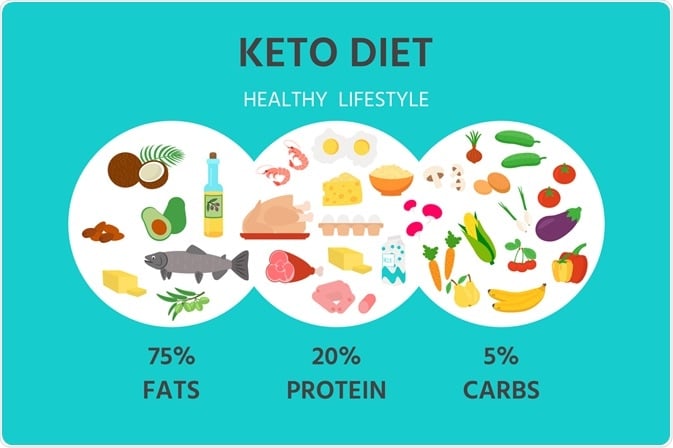
Have you heard of the Keto Diet? If you haven’t, you’re in for a treat! This revolutionary diet has taken the health and wellness world by storm, promising incredible weight loss results and a host of other benefits. But what exactly are the effects of the Keto Diet on your body? In this article, we’ll explore the fascinating world of keto and delve into its various effects, from boosting energy levels to improving mental clarity. So grab a cup of tea, sit back, and prepare to be amazed by the transformative power of the Keto Diet!

Weight Loss
The ketogenic diet, often referred to as the keto diet, is a low-carb, high-fat diet that has gained popularity for its effectiveness in weight loss. But how exactly does the keto diet help you shed those extra pounds?
Mechanism of Weight Loss
The primary mechanism behind weight loss on the keto diet is the metabolic state known as ketosis. When you drastically reduce your carbohydrate intake, your body is forced to find an alternative fuel source. This leads to the production of ketones, molecules that are derived from fat breakdown. By limiting your carb intake to about 20-50 grams per day, you can shift your metabolism into a fat-burning mode.
Increased Fat Burning
One of the key benefits of the keto diet is its ability to enhance fat burning. As your body enters ketosis and starts utilizing fat for energy, you may notice a significant reduction in body fat percentage. This occurs because the keto diet helps to activate enzymes and hormones that promote lipolysis, the breakdown of stored fat.
Reduced Appetite
Another contributing factor to weight loss on the keto diet is its appetite-suppressing effects. By consuming a diet high in healthy fats and moderate in protein, you may feel more satisfied and less prone to cravings. This can ultimately lead to a decrease in calorie consumption, facilitating weight loss.
Improved Metabolic Health
In addition to its weight loss benefits, the ketogenic diet can also have a positive impact on your overall metabolic health.
Reduced Triglyceride Levels
High levels of triglycerides, a type of fat in your blood, are associated with an increased risk of heart disease. The keto diet has been shown to significantly reduce triglyceride levels, which can help improve your cardiovascular health.
Increased HDL Cholesterol Levels
HDL cholesterol, often referred to as “good” cholesterol, plays a crucial role in removing excess cholesterol from your bloodstream. The keto diet has been found to increase HDL cholesterol levels, providing a protective effect against heart disease and promoting a healthier lipid profile.
Lowered Blood Sugar Levels
By drastically reducing your carbohydrate intake, the keto diet can lead to a significant decrease in blood sugar levels. This is particularly beneficial for individuals with type 2 diabetes or insulin resistance, as it can help improve glycemic control and reduce the need for medication.
Enhanced Insulin Sensitivity
Insulin resistance is a condition characterized by the body’s inability to respond properly to insulin, leading to elevated blood sugar levels. The keto diet has been shown to enhance insulin sensitivity, allowing your cells to better utilize glucose and improving overall metabolic function.
Increased Energy Levels
Contrary to popular belief, the keto diet can actually provide you with sustained energy throughout the day, thanks to its impact on blood sugar and mitochondrial function.
Stable Blood Sugar Levels
One of the key benefits of the keto diet is its ability to stabilize blood sugar levels. By limiting your intake of carbohydrates, you can avoid the energy crashes and spikes associated with high-carb meals. Instead, your body relies on a steady supply of ketones for energy, providing you with a more constant source of fuel.
Enhanced Mitochondrial Function
The mitochondria, often referred to as the powerhouses of our cells, play a crucial role in energy production. The keto diet has been shown to enhance mitochondrial function, improving the efficiency at which your cells convert fuel into energy. This can lead to increased energy levels and improved overall performance.
Improved Brain Function
Beyond its weight loss and metabolic benefits, the keto diet has also been shown to positively impact brain function and cognition.
Increased Mental Clarity
Many people report experiencing increased mental clarity and improved cognitive function while following a ketogenic diet. This may be due to the steady supply of ketones, which act as a more efficient and stable fuel source for the brain, compared to glucose.
Enhanced Focus and Concentration
The keto diet has also been associated with enhanced focus and concentration. By reducing fluctuations in blood sugar levels, the diet provides a more stable source of energy to the brain, allowing for sustained mental performance throughout the day.
Reduced Risk of Neurological Disorders
Emerging research suggests that the keto diet may have potential benefits in reducing the risk of neurological disorders, such as Alzheimer’s and epilepsy. The diet’s ability to increase ketone production and improve brain metabolism has shown promising results in mitigating the risk and progression of these conditions.

Reduced Inflammation
Chronic inflammation is implicated in the development of various diseases, including heart disease, diabetes, and certain types of cancer. The keto diet has been found to have anti-inflammatory effects, leading to several health benefits.
Lowered Inflammatory Markers
Studies have shown that the keto diet can lead to a reduction in inflammatory markers in the body, such as C-reactive protein (CRP). By minimizing inflammation, the diet may help protect against chronic diseases and improve overall well-being.
Alleviated Symptoms of Chronic Diseases
In addition to reducing inflammation, the keto diet has been shown to alleviate symptoms of chronic diseases, such as arthritis and inflammatory bowel disease (IBD). By modulating the body’s inflammatory response, the diet may offer relief to individuals with these conditions.
Enhanced Heart Health
Heart disease is the leading cause of death worldwide, making it crucial to prioritize cardiovascular health. The keto diet has several heart-healthy effects that can help reduce the risk of developing heart disease.
Decreased LDL Cholesterol Levels
Low-density lipoprotein (LDL) cholesterol, often referred to as “bad” cholesterol, is a major risk factor for heart disease. The keto diet has been shown to reduce LDL cholesterol levels, promoting a healthier lipid profile and reducing the risk of cardiovascular complications.
Lowered Blood Pressure
High blood pressure is another significant risk factor for heart disease. The keto diet has been associated with reductions in blood pressure, potentially due to its effects on weight loss, improved insulin sensitivity, and lower sodium intake.
Reduced Risk of Heart Disease
By improving various cardiovascular risk factors, such as blood sugar levels, lipid profile, and blood pressure, the keto diet can help reduce the overall risk of heart disease. This can lead to a longer, healthier life with a lower likelihood of developing heart-related complications.

Improved Skin Health
Having healthy, radiant skin is a goal for many individuals. The keto diet can have a positive impact on skin health, addressing specific concerns and promoting a more vibrant complexion.
Reduced Acne
Acne is a common skin condition that can be exacerbated by high levels of insulin and inflammation. By reducing carbohydrate intake and blood sugar levels, the keto diet may help alleviate acne symptoms and promote clearer skin.
Enhanced Skin Radiance
The keto diet’s ability to promote fat burning and weight loss can lead to a more radiant complexion. As excess fat is shed, your skin may appear tighter and more youthful, enhancing your overall appearance.
Alleviated Symptoms of Skin Conditions
Certain skin conditions, such as eczema and psoriasis, are characterized by inflammation and immune dysregulation. The anti-inflammatory effects of the keto diet may help alleviate symptoms and improve the overall condition of your skin.
Better Gastrointestinal Function
A healthy gut is essential for overall well-being, as it plays a crucial role in digestion, nutrient absorption, and immune function. The keto diet can contribute to better gastrointestinal function in several ways.
Reduced Digestive Issues
Individuals with gastrointestinal disorders, such as irritable bowel syndrome (IBS) or acid reflux, may experience relief when following a keto diet. By eliminating certain trigger foods and focusing on whole, nutrient-dense options, the diet can help reduce digestive issues and promote a healthier gut.
Improved Gut Health
The keto diet can also have a positive impact on the diversity and balance of your gut microbiota. By promoting the growth of beneficial bacteria and reducing the presence of harmful microbes, the diet can improve gut health and enhance overall digestion and nutrient absorption.

Increased Athletic Performance
While the keto diet is often associated with weight loss, it can also benefit athletes and individuals seeking to enhance their performance.
Enhanced Endurance
Fat is a more efficient fuel source for endurance exercise compared to carbohydrates. By following a keto diet, your body becomes adapted to utilizing fat as its primary source of fuel, allowing for sustained energy during long-duration activities.
Improved Fat Utilization for Fuel
The keto diet promotes the utilization of stored body fat as a source of energy. This is particularly advantageous for endurance athletes and individuals seeking to reduce body fat percentage, as it enhances fat burning and preserves glycogen stores for high-intensity efforts.
Faster Muscle Recovery
The keto diet has been shown to reduce inflammation and oxidative stress, which are common causes of muscle soreness and delayed recovery. By following a ketogenic lifestyle, you may experience faster muscle recovery and reduced exercise-induced damage.
Potential Side Effects
While the keto diet offers numerous benefits, it is important to be aware of potential side effects that some individuals may experience.
Keto Flu
The transition into ketosis can be accompanied by flu-like symptoms, often referred to as the “keto flu.” These symptoms may include fatigue, brain fog, irritability, and muscle cramps. However, the keto flu is typically temporary and can be minimized by adequate hydration and electrolyte balance.
Electrolyte Imbalance
Due to the diuretic effect of ketosis, you may experience an increased urinary output that can lead to electrolyte imbalances, such as low sodium, potassium, and magnesium levels. It is important to replenish these electrolytes through dietary sources or supplements to maintain proper bodily function.
Digestive Upset
Some individuals may experience digestive upset, such as constipation or diarrhea, when transitioning to the keto diet. This can be attributed to changes in dietary fiber intake and gut microbiota. Adequate fluid intake and the inclusion of fiber-rich foods can help alleviate these symptoms.
Sleep Disturbances
While the keto diet has been reported to improve sleep quality for some individuals, others may experience difficulties sleeping, especially during the initial adaptation phase. This could be due to metabolic changes or alterations in neurotransmitter levels. Establishing a consistent sleep schedule and practicing good sleep hygiene can help mitigate these disruptions.
In conclusion, the ketogenic diet offers a wide array of benefits that go beyond just weight loss. From improved metabolic health and increased energy levels to enhanced brain function and decreased inflammation, the keto diet has the potential to positively impact various aspects of your well-being. However, it is essential to approach the diet with caution and be aware of potential side effects that may arise during the adaptation phase. As always, consulting with a healthcare professional before embarking on any major dietary changes is recommended to ensure it is suitable for your individual needs and goals.