
Keto Diet For Diabetics
Are you a diabetic looking for an effective way to manage your blood sugar levels? Look no further than the Keto Diet for Diabetics. This article will explore the benefits and guidelines of following a keto diet specifically tailored for individuals with diabetes.
By understanding the principles of this low-carb, high-fat diet, you can potentially improve your insulin sensitivity, reduce medication dependence, and achieve better control over your diabetes. With the Keto Diet for Diabetics, a healthy and balanced lifestyle is within your reach.
What is a Keto Diet?
A Keto diet, short for ketogenic diet, is a low-carbohydrate, high-fat diet that has gained popularity in recent years. It involves significantly reducing your intake of carbohydrates and replacing them with fats. By doing so, your body enters a state of ketosis, where it starts using fat as the primary source of energy instead of carbohydrates.
Understanding the Basics of the Keto Diet
To understand how the Keto diet works, it’s essential to know how our bodies usually obtain energy. Typically, our bodies break down carbohydrates into glucose, which is then used as fuel. However, when you restrict your carbohydrate intake, your body needs to find an alternative energy source. This is where the Keto diet comes into play.
How the Keto Diet Works
When you follow a Keto diet, your carbohydrate intake is significantly limited, usually to less than 50 grams per day. This forces your body to enter a metabolic state called ketosis. In ketosis, your liver begins to convert fat into ketones, which are molecules that your body can use for energy. By relying on fat for energy, the Keto diet can lead to weight loss and improved overall health.
Benefits of a Keto Diet for Diabetics
For individuals with diabetes, embracing a Keto diet can bring several benefits. Here are some of the key advantages:
Improved Blood Sugar Control
One of the primary benefits of a Keto diet for diabetics is improved blood sugar control. By reducing your carbohydrate intake, you can prevent spikes in blood sugar levels, which is crucial for managing diabetes effectively. This can lead to more stable blood sugar readings and better overall diabetes control.
Weight Loss
Another advantage of the Keto diet is weight loss. By promoting the use of fat as fuel, the diet helps your body burn stored fat, resulting in weight loss. For individuals with type 2 diabetes, shedding excess pounds can significantly improve insulin sensitivity and glucose control.
Reduced Insulin Dependency
By following a Keto diet, you may also experience a reduced dependency on insulin. As your body becomes more efficient at using fat for fuel, it needs less insulin to regulate blood sugar levels. This can be particularly beneficial for individuals with type 2 diabetes who struggle with high insulin resistance.
Decreased Cardiovascular Risk
A Keto diet can also decrease your risk of cardiovascular disease, which is a common complication of diabetes. By limiting your intake of carbohydrates and focusing on healthy fats, you can help improve your cholesterol profile and reduce inflammation, both of which contribute to cardiovascular health.

Getting Started with a Keto Diet
If you’re considering starting a Keto diet, there are a few essential steps to follow to ensure success:
Consulting with a Healthcare Professional
Before embarking on any significant dietary changes, it’s crucial to consult with a healthcare professional, especially if you have diabetes. Your healthcare provider can assess your individual needs, discuss potential risks, and provide guidance to help you transition safely to a Keto diet.
Understanding Macronutrient Ratios
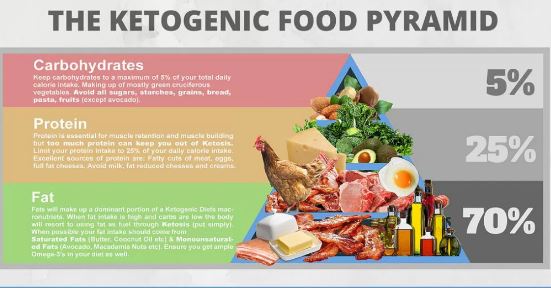
To follow a Keto diet effectively, you’ll need to understand macronutrient ratios. Typically, a Keto diet consists of approximately 70-75% fat, 20-25% protein, and 5-10% carbohydrates. It’s essential to calculate these ratios accurately to ensure you stay within the parameters of a properly balanced Keto diet.
Choosing the Right Types of Food
When following a Keto diet, it’s crucial to choose the right types of food. Focus on consuming healthy fats such as avocados, nuts, and olive oil. Include moderate amounts of protein from sources like lean meats, poultry, and eggs. Limit your intake of carbohydrates to low-carb vegetables, and avoid processed and sugary foods.
Meal Planning
Meal planning is an essential aspect of successfully following a Keto diet. By planning your meals, you can ensure that you’re getting all the necessary nutrients while staying within your macronutrient ratios. Additionally, meal planning can help you avoid unhealthy food choices and make sticking to the diet easier.
Monitoring Blood Glucose Levels
For individuals with diabetes, it’s critical to monitor blood glucose levels regularly when starting a Keto diet. Dietary changes can impact blood sugar control, and monitoring levels will help you understand how your body responds to the new eating plan. It’s also essential to work closely with your healthcare provider to adjust any necessary medication dosages.
Carbohydrate Restriction on a Keto Diet
Carbohydrate restriction lies at the core of a Keto diet. Understanding the role of carbohydrates and making wise choices is essential for success.
Understanding the Role of Carbohydrates
Carbohydrates are one of the primary sources of energy for the body. When we consume carbohydrates, they are broken down into glucose, which our cells then use as fuel. However, on a Keto diet, the goal is to limit carbohydrate intake, forcing the body to switch to ketones as its primary source of energy.
Determining the Optimal Carbohydrate Intake
The optimal carbohydrate intake on a Keto diet varies from person to person. As a general guideline, most people aim to consume less than 50 grams of carbohydrates per day. However, this can be adjusted based on factors such as activity level, age, and overall health. It’s essential to find the right balance that works best for you.
Types of Carbohydrates to Avoid
When following a Keto diet, it’s essential to avoid certain types of carbohydrates. These include refined grains, sugary foods, and starchy vegetables, such as potatoes. Instead, focus on consuming carbohydrates from low-carb vegetables such as leafy greens, broccoli, and cauliflower.
Alternative Sources of Energy
On a Keto diet, the primary source of energy shifts from carbohydrates to fats. Healthy sources of fat, such as avocados, nuts, seeds, and olive oil, become essential in providing the energy needed for your body to function optimally. Including these fats in your diet will help sustain energy levels while maintaining a state of ketosis.

Properly Balancing Nutritional Needs
While a Keto diet is low in carbohydrates, it’s essential to ensure you still meet your nutritional needs.
Importance of Adequate Protein Intake
Protein is a vital nutrient that plays a crucial role in maintaining and repairing body tissues. On a Keto diet, it’s essential to consume adequate protein to prevent muscle loss and promote satiety. Lean meats, poultry, fish, and plant-based protein sources, such as tofu and tempeh, are excellent choices.
Dietary Fat Considerations
Fat is the primary source of energy on a Keto diet, making it an essential component. However, it’s important to focus on healthy fats, such as monounsaturated and polyunsaturated fats. These can be found in avocados, nuts, seeds, fatty fish, and olive oil. Avoid unhealthy saturated and trans fats found in processed and fried foods.
Micronutrient Supplementation
Restricting certain food groups in your diet may increase the risk of nutrient deficiencies. To compensate for any potential gaps, it’s advisable to consider micronutrient supplementation. Consult with your healthcare provider to identify which specific nutrients you may need to supplement.
Preventing and Managing Ketoacidosis
Ketoacidosis is a severe complication that can occur if ketone levels become dangerously high in the body. It is essential to take precautions to prevent ketoacidosis.
Monitoring Ketone Levels
Regularly monitoring your ketone levels is crucial when following a Keto diet. This can be done using urine, blood, or breath tests. By keeping an eye on your ketone levels, you can take appropriate action if they become too high, thereby reducing the risk of ketoacidosis.
Recognizing Symptoms of Ketoacidosis
It’s essential to be aware of the symptoms of ketoacidosis, as it can be life-threatening if left untreated. Symptoms may include excessive thirst, frequent urination, fruity-smelling breath, fatigue, nausea, and confusion. If you experience any of these symptoms, seek medical attention immediately.
Taking Precautions to Avoid Complications
To avoid the risk of ketoacidosis, it’s crucial to follow the Keto diet safely. Stay properly hydrated, regularly monitor ketone levels, and ensure you have an emergency plan in place if your ketone levels become dangerously high.

Potential Risks and Side Effects
While the Keto diet can offer numerous benefits, it’s essential to be aware of potential risks and side effects.
Keto Flu
One common side effect when starting a Keto diet is the “Keto flu.” This refers to a collection of symptoms, including headaches, fatigue, brain fog, and irritability. These symptoms are typically temporary and can be managed by staying well-hydrated, replenishing electrolytes, and allowing your body time to adjust to the new diet.
Electrolyte Imbalance
On a Keto diet, your body excretes more water and sodium, which can lead to an electrolyte imbalance. This may cause symptoms such as muscle cramps, dizziness, fatigue, and nausea. To prevent this, ensure you consume a sufficient amount of electrolytes, such as potassium, magnesium, and sodium, through a balanced diet or supplementation.
Digestive Issues
Some individuals may experience digestive issues, such as constipation or diarrhea, when starting a Keto diet. These issues often improve over time as your body adjusts to the new eating habits. Ensuring adequate fiber intake, proper hydration, and incorporating fermented foods can also help alleviate these symptoms.
Nutrient Deficiencies
Restricting certain food groups on a Keto diet can increase the risk of nutrient deficiencies. This is why it’s essential to plan your meals carefully and potentially supplement with necessary vitamins and minerals. Regular monitoring of micronutrient levels can help identify any deficiencies early on and allow for necessary adjustments.
Adjusting Medications and Insulin Dosages
If you have diabetes and are considering a Keto diet, it’s crucial to work closely with your healthcare professional to adjust your medications and insulin dosages appropriately.
Working with a Healthcare Professional
Your healthcare provider plays a pivotal role in helping you safely transition to a Keto diet. They can evaluate your current medications, assess your individual needs, and guide you through the process of adjusting your medications and insulin dosages as necessary.
Monitoring Blood Sugar Levels
When starting a Keto diet, it’s vital to monitor your blood sugar levels diligently. Dietary changes can affect your body’s response to insulin, potentially requiring adjustments to your medication doses. Regular blood sugar monitoring will help you and your healthcare provider make informed decisions regarding your diabetes management.
Gradual Reduction of Medications
As your body adapts to a Keto diet, you may find that your need for diabetes medications or insulin decreases. It’s essential to work closely with your healthcare provider to gradually reduce your medication doses, ensuring that your blood sugar levels remain stable and well-controlled throughout the process.
Long-term Sustainability of a Keto Diet
Maintaining a Keto diet long-term requires careful consideration of individual needs and preferences, as well as building a strong support system.
Evaluating Individual Needs and Preferences
The long-term sustainability of a Keto diet depends on various factors, including your personal goals, lifestyle, and preferences. It’s essential to evaluate these factors regularly and make adjustments to your diet as needed to ensure it remains sustainable for you.
Building a Support System
Changing your eating habits can be challenging, so it’s crucial to build a support system. Seek support from friends and family members who can motivate and encourage you on your Keto journey. Additionally, consider joining online communities or finding a support group of individuals following a similar eating plan.
Adapting the Diet as Needed
As you progress on your Keto journey, you may find that certain aspects of the diet need to be adapted. This could include adjusting macronutrient ratios, trying new recipes, or incorporating different types of exercise. Stay open to experimentation and be willing to make changes that best align with your goals and overall well-being.
The Keto diet is a viable option for individuals with diabetes who are looking to improve their blood sugar control, lose weight, reduce insulin dependency, and decrease cardiovascular risk.
By understanding the basics of the diet, balancing nutritional needs, and taking necessary precautions, you can safely embark on a Keto diet journey. Remember to work closely with your healthcare provider, monitor relevant health markers, and adapt the diet as needed to ensure long-term success and sustainability. The potential benefits and improvements in diabetes management make the Keto diet a compelling option worth exploring.

RELATED TOPICS ABOUT Keto Diet For Diabetics:
Keto for Diabetics,
Ketogenic Diet for Diabetes,
Low Carb Diet for Diabetics,
Keto and Diabetes Management,
Can Diabetics Do Keto,
Is Keto Safe for Diabetics,
Keto for Type 2 Diabetes,
Keto for Type 1 Diabetes,
Keto and Blood Sugar Control,
Keto for Insulin Resistance,
Keto Diet and Glucose Levels,
Reversing Diabetes with Keto,
Doctor Approved Keto for Diabetics,
Diabetic Safe Keto Diet,
Research on Keto and Diabetes,
Keto and A1c Reduction,
Clinical Studies on Keto for Diabetes,
Keto Meal Plan for Diabetics,
Keto Friendly Foods for Diabetics,
Diabetic Keto Recipes,
Keto Grocery List for Diabetics,
Low Glycemic Keto Foods,
Keto for Diabetic Seniors,
Beginner Keto for Diabetics,
Keto for Women with Diabetes,
Diabetic Keto Diet over 50,
Keto and Diabetes for Weight Loss,
Printable Keto Plan for Diabetics,
Keto Diet Pdf for Diabetes,
Diabetic Keto Food Chart,
Weekly Diabetic Keto Meal Plan,
Keto for Diabetics Success Stories
==========
Content 10/10/G


