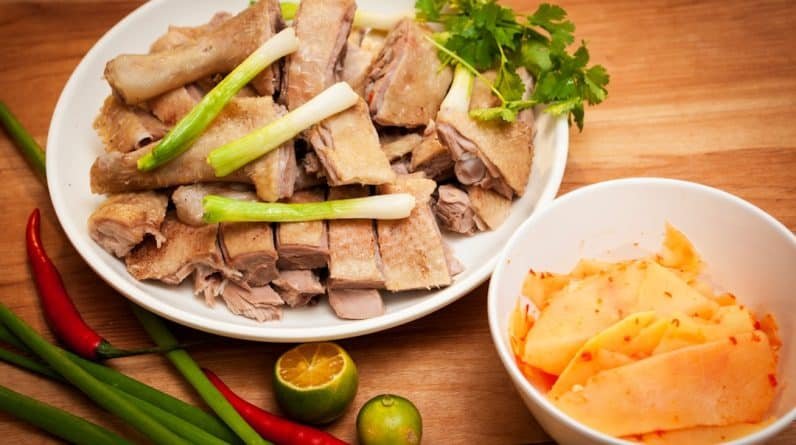
As you embark on the journey of adopting a ketogenic diet, it’s essential to grasp the concept of macronutrients, commonly referred to as macros. In a keto diet, the primary focus is on the ratio of fats, proteins, and carbohydrates you consume. Typically, a standard ketogenic diet consists of approximately 70-75% fats, 20-25% proteins, and only about 5-10% carbohydrates.
For seniors like yourself, understanding these ratios is crucial, as they can significantly impact your overall health and well-being. The ketogenic diet aims to shift your body into a state of ketosis, where it burns fat for fuel instead of carbohydrates. This metabolic state can be particularly beneficial for seniors, as it may help with weight management and improve energy levels.
However, it’s important to tailor these macros to your individual needs, taking into account factors such as activity level, health conditions, and personal preferences. By understanding how to balance your macros effectively, you can create a sustainable and enjoyable eating plan that supports your health goals.
Key Takeaways
- Understanding Keto Macros for Seniors:
- Seniors should aim for a macronutrient ratio of 70-75% fat, 20-25% protein, and 5-10% carbohydrates on a keto diet.
- The Importance of Protein for Senior Keto Dieters:
- Protein is crucial for seniors to maintain muscle mass and overall health, so it’s important to prioritize high-quality sources of protein in their keto diet.
- Balancing Fat Intake for Optimal Health:
- Seniors should focus on consuming healthy fats such as avocados, nuts, and olive oil while avoiding trans fats and excessive saturated fats for optimal health on a keto diet.
- How Carbohydrates Fit into a Senior Keto Diet:
- Seniors should limit their carbohydrate intake to 20-50 grams per day to achieve and maintain ketosis, while prioritizing fiber-rich, nutrient-dense sources of carbohydrates.
- Adjusting Keto Macros for Age-Related Changes in Metabolism:
- Seniors may need to adjust their keto macros to account for age-related changes in metabolism, such as reducing overall calorie intake and increasing protein to support muscle maintenance and repair.
The Importance of Protein for Senior Keto Dieters
Countering Muscle Loss with Protein
As we age, our bodies naturally lose muscle mass, a condition known as sarcopenia. By prioritizing protein in our meals, we can help counteract this loss and support our body’s needs.
Additional Benefits of Protein on a Keto Diet
Incorporating high-quality protein sources into our keto meals can also aid in satiety, helping us feel fuller for longer periods. This is particularly beneficial if we’re looking to manage our weight or reduce cravings.
Choosing the Right Protein Sources on a Keto Diet
Foods such as lean meats, fish, eggs, and dairy products are excellent choices that align with the keto framework while providing the necessary protein to support our health. Remember to spread our protein intake throughout the day to maximize its benefits and support muscle repair and growth.
Balancing Fat Intake for Optimal Health
While fat is the cornerstone of the ketogenic diet, not all fats are created equal. As a senior, it’s crucial to focus on incorporating healthy fats into your meals to promote optimal health. Monounsaturated and polyunsaturated fats found in foods like avocados, nuts, seeds, and olive oil can provide essential nutrients while supporting heart health.
These fats can help reduce inflammation and lower the risk of chronic diseases that often affect seniors. On the other hand, it’s wise to limit saturated fats and trans fats found in processed foods and fatty cuts of meat. While some saturated fat can be part of a healthy diet, moderation is key.
By choosing healthier fat sources and being mindful of your overall fat intake, you can enjoy the benefits of a ketogenic diet without compromising your health. Striking this balance will not only enhance your well-being but also make your keto journey more enjoyable.
How Carbohydrates Fit into a Senior Keto Diet
Carbohydrates often get a bad rap in the context of a ketogenic diet, but they still have a place in your eating plan—especially as a senior. The key is to focus on the quality of carbohydrates rather than simply cutting them out entirely. Non-starchy vegetables like leafy greens, broccoli, and cauliflower are excellent sources of fiber and essential vitamins while being low in carbohydrates.
These foods can help you meet your nutritional needs without disrupting ketosis. It’s also important to be mindful of how your body responds to carbohydrates as you age. Some seniors may find that they are more sensitive to carbs than they were in their younger years.
This means that even small amounts of carbohydrates can impact blood sugar levels or lead to unwanted weight gain. By carefully monitoring your carbohydrate intake and choosing nutrient-dense options, you can create a balanced keto diet that supports your health goals while still allowing for some flexibility.
Adjusting Keto Macros for Age-Related Changes in Metabolism
As you age, your metabolism naturally slows down, which can affect how your body processes food and utilizes energy. This change may require you to adjust your keto macros to better suit your current metabolic state. For instance, you might find that reducing your fat intake slightly while increasing protein can help you maintain muscle mass without gaining excess weight.
Additionally, it’s essential to listen to your body and pay attention to how different foods affect your energy levels and overall well-being. You may need to experiment with different macro ratios to find what works best for you. Consulting with a healthcare professional or nutritionist who understands the unique needs of seniors can provide valuable insights into how to adjust your keto macros effectively.
Potential Benefits of a Keto Diet for Senior Health
The ketogenic diet offers several potential benefits for seniors that go beyond weight loss. One significant advantage is its ability to improve cognitive function. Research suggests that ketones—produced during ketosis—can serve as an alternative energy source for the brain, potentially enhancing memory and focus.
This is particularly important as cognitive decline becomes a concern with aging. Moreover, the anti-inflammatory properties of a ketogenic diet may help reduce the risk of chronic diseases such as heart disease and diabetes. By minimizing carbohydrate intake and focusing on healthy fats and proteins, you may experience improved blood sugar control and reduced inflammation throughout the body.
These benefits can lead to an overall enhanced quality of life as you age.
Potential Risks and Considerations for Seniors on a Keto Diet
While there are numerous benefits associated with the ketogenic diet for seniors, it’s essential to be aware of potential risks and considerations before diving in headfirst. One concern is nutrient deficiencies that may arise from restricting certain food groups. As you limit carbohydrates, it’s crucial to ensure that you’re still getting enough vitamins and minerals from other sources.
Additionally, some seniors may experience side effects commonly referred to as the “keto flu” during the initial transition into ketosis. Symptoms such as fatigue, headaches, and irritability can occur as your body adjusts to burning fat for fuel instead of carbohydrates. Staying hydrated and ensuring adequate electrolyte intake can help mitigate these symptoms.
Always consult with a healthcare professional before making significant dietary changes to ensure that the keto diet aligns with your individual health needs.
Tips for Meeting Keto Macros as a Senior
Meeting your keto macros can be challenging but manageable with some planning and creativity in the kitchen. Start by meal prepping for the week ahead; this will help you stay on track with your macro goals while making it easier to resist unhealthy temptations. Consider creating a weekly menu that includes a variety of meals rich in healthy fats and proteins while keeping carbohydrates low.
Incorporating snacks into your day can also help you meet your macros without feeling deprived. Opt for keto-friendly snacks like cheese sticks, nuts, or hard-boiled eggs that are easy to prepare and carry with you on the go. Additionally, using apps or tools designed for tracking macros can provide valuable insights into your daily intake and help you stay accountable.
Incorporating Whole Foods into a Senior Keto Diet
Focusing on whole foods is essential when following a ketogenic diet as a senior. Whole foods are minimally processed and packed with nutrients that support overall health. Incorporating fresh vegetables, high-quality proteins, healthy fats from sources like avocados and nuts, and low-carb fruits such as berries will provide you with the vitamins and minerals necessary for optimal well-being.
Avoiding processed foods is particularly important because they often contain hidden sugars and unhealthy fats that can derail your keto efforts. By prioritizing whole foods in your meals, you’ll not only meet your macro goals but also nourish your body with essential nutrients that promote longevity and vitality.
Seeking Professional Guidance for Senior Keto Dieting
Navigating the complexities of a ketogenic diet can be overwhelming—especially as a senior with unique health considerations. Seeking professional guidance from a registered dietitian or nutritionist who specializes in senior health can provide personalized recommendations tailored to your specific needs. They can help you create a balanced meal plan that meets your macro goals while ensuring you’re getting all the necessary nutrients.
Additionally, working with a professional can help address any underlying health conditions or concerns you may have before starting the keto diet. They can provide ongoing support and adjustments as needed based on how your body responds to dietary changes.
Monitoring and Adjusting Keto Macros for Long-Term Senior Health
As you continue on your keto journey, monitoring and adjusting your macros will be crucial for long-term success and health maintenance. Regularly assessing how you feel physically and mentally will help you determine if any changes are necessary in your macro ratios or food choices. Keep track of any changes in weight, energy levels, or overall well-being to identify patterns that may require adjustments.
Remember that flexibility is key; what works for you now may not be suitable in the future as your body changes over time. Staying attuned to these shifts will empower you to make informed decisions about your diet that align with your health goals as you age gracefully on this ketogenic journey.
FAQs
What are keto macros for seniors?
Keto macros for seniors refer to the specific macronutrient ratios that seniors following a ketogenic diet should aim for. This typically involves a higher intake of healthy fats, a moderate intake of protein, and a low intake of carbohydrates.
Why are keto macros important for seniors?
Keto macros are important for seniors because they help to ensure that the body enters a state of ketosis, where it burns fat for fuel instead of carbohydrates. This can have potential benefits for weight management, blood sugar control, and cognitive function in seniors.
What are the recommended keto macros for seniors?
The recommended keto macros for seniors typically involve getting around 70-75% of daily calories from healthy fats, 20-25% from protein, and 5-10% from carbohydrates. However, individual needs may vary based on factors such as activity level, health status, and personal preferences.
How can seniors track their keto macros?
Seniors can track their keto macros by using a food diary or a mobile app to log their daily intake of fats, proteins, and carbohydrates. There are also specific online calculators and tools designed to help individuals determine their ideal keto macro ratios based on their personal information.
Are there any potential risks or considerations for seniors following keto macros?
Seniors should consult with a healthcare professional before starting a ketogenic diet, as it may not be suitable for everyone. Additionally, seniors should be mindful of their hydration and electrolyte levels, as the ketogenic diet can impact fluid balance and mineral levels in the body.