You’re probably familiar with the term “ketogenic diet” but have you ever wondered what it really means? In simple terms, the ketogenic diet is a low-carb, high-fat eating plan designed to shift your body into a metabolic state called ketosis. This article will explore the meaning and principles behind the ketogenic diet, providing you with a clear understanding of how it works and its potential benefits. So, let’s dig in and uncover the fascinating world of the ketogenic diet!
What is a Ketogenic Diet?
Definition
A ketogenic diet is a low-carb, high-fat diet that has been proven to promote weight loss, improve heart health, reduce inflammation, increase mental clarity, and even lower the risk of seizures. It involves drastically reducing carbohydrate intake and replacing it with fat, which has a profound effect on the body’s metabolism.
How does it work?
When you consume a diet that is high in carbohydrates, your body relies on glucose as its primary source of energy. However, when you limit your carbohydrate intake, your body enters a state of ketosis, where it starts using stored fat as fuel instead. This process is achieved by the liver converting fats into ketones, which are then used by the body as an energy source. By shifting your metabolism from glucose to ketones, you can experience a wide range of health benefits.
History of the Ketogenic Diet
The ketogenic diet was initially developed in the 1920s as a treatment for epilepsy. Researchers found that severely restricting carbohydrates and increasing fat intake helped reduce seizures in epileptic patients. Although its popularity declined with the introduction of antiepileptic drugs, the ketogenic diet has recently gained renewed interest as an effective weight loss and overall health strategy.
Benefits of a Ketogenic Diet
Weight Loss
One of the main reasons people turn to a ketogenic diet is for weight loss. By limiting carbohydrate intake and increasing fat consumption, your body starts to burn stored fat for energy. This leads to a decrease in body weight and a reduction in body fat percentage. Additionally, the high-fat content of the diet helps you feel satiated, reducing the likelihood of overeating or consuming excess calories.
Improved Heart Health
Contrary to popular belief, a ketogenic diet can actually promote heart health. By reducing carbohydrates and increasing healthy fats, such as avocados, olive oil, and nuts, you can improve your cholesterol profile. Studies have shown that a ketogenic diet can increase levels of HDL (good) cholesterol, while decreasing levels of LDL (bad) cholesterol and triglycerides. This can lower the risk of heart disease and improve overall cardiovascular health.
Reduced Inflammation
Chronic inflammation has been linked to numerous health conditions, including heart disease, diabetes, and certain types of cancer. The ketogenic diet has been shown to have anti-inflammatory effects, primarily due to the reduction in carbohydrate intake. By following a ketogenic diet, you can minimize the consumption of inflammatory foods, such as processed sugars and refined grains, thus reducing overall inflammation in the body.
Increased Mental Clarity
Many people report experiencing improved mental clarity and focus when following a ketogenic diet. This is because ketones, which are produced during ketosis, are a highly efficient source of energy for the brain. Unlike glucose, which leads to energy crashes and brain fog, ketones provide a steady and reliable fuel source. This can enhance cognitive function, concentration, and productivity.
Reduced Risk of Seizures
As previously mentioned, the ketogenic diet was initially developed as a treatment for epilepsy. Research has shown that a ketogenic diet can significantly reduce the frequency and severity of seizures in both children and adults with epilepsy. While the exact mechanisms behind this effect are still being studied, it is believed that ketones have a neuroprotective effect and help stabilize electrical activity in the brain.
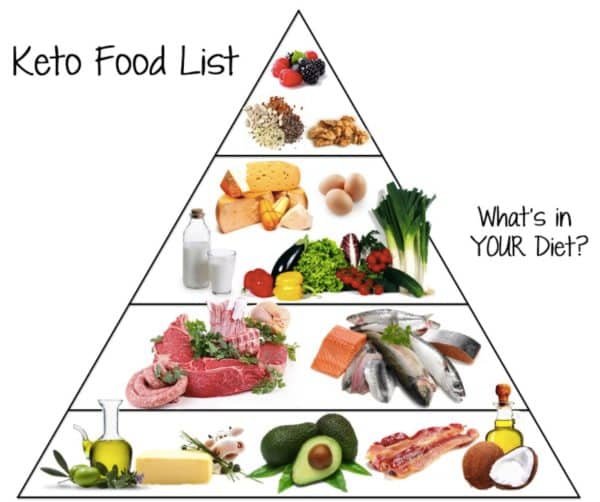
Foods to Eat on a Ketogenic Diet
Fats and Oils
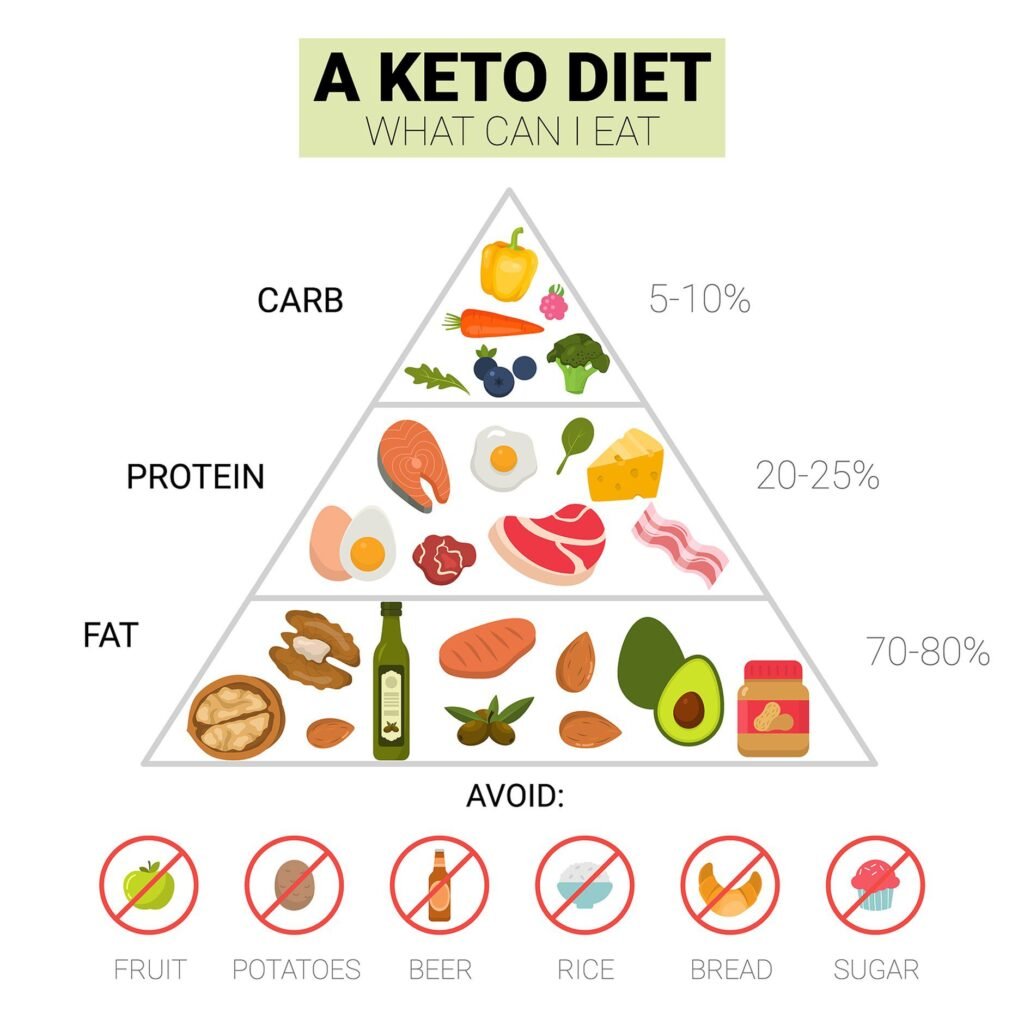
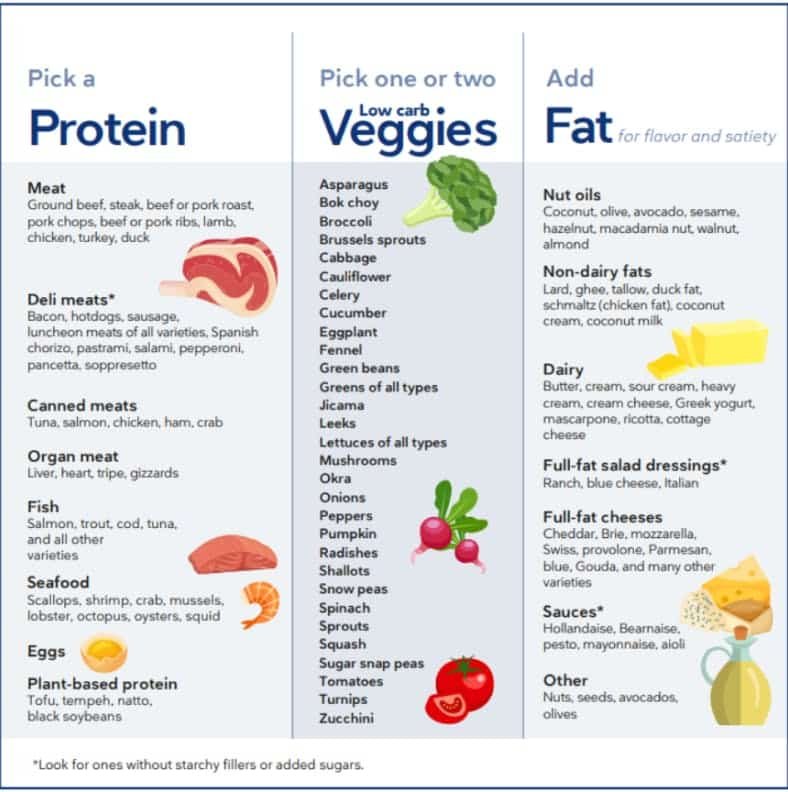
Since the ketogenic diet is high in fat, it is important to include healthy sources of fats and oils. Examples of healthy fats include avocados, coconut oil, olive oil, grass-fed butter, and nuts. These fats not only provide the necessary fuel for ketosis but also offer essential nutrients and antioxidants that support overall health.
Protein Sources
Although protein intake should be moderate on a ketogenic diet, it is still an important component of the diet. Opt for high-quality protein sources like grass-fed beef, free-range poultry, wild-caught fish, and eggs. These protein sources not only provide essential amino acids for muscle repair and growth but also offer important vitamins and minerals.
Low-Carb Vegetables
While the ketogenic diet is low in carbohydrates, non-starchy vegetables can still be included to provide essential vitamins, minerals, and fiber. Some examples of low-carb vegetables include leafy greens, broccoli, cauliflower, zucchini, and bell peppers. These vegetables are not only nutrient-dense but also contribute to the feeling of fullness and satiety.
Dairy Products
Dairy products can be consumed in moderation on a ketogenic diet. Opt for full-fat options like cheese, cream, and Greek yogurt. These dairy products provide a good source of fats and proteins, but be mindful of the carbohydrate content, as some dairy products can be relatively high in carbs.
Nuts and Seeds
Nuts and seeds are a great addition to a ketogenic diet as they provide healthy fats, fiber, and essential minerals. Almonds, walnuts, chia seeds, and flaxseeds are excellent choices. Just be cautious of portion sizes, as nuts and seeds are calorie-dense.
Beverages
Water should be your primary beverage on a ketogenic diet. It is essential for hydration and helps flush out toxins from your body. Additionally, unsweetened tea and coffee can be consumed, but be cautious of added sugars or high-carbohydrate creamers.
Foods to Avoid on a Ketogenic Diet
Sugar and Sweeteners
One of the key principles of a ketogenic diet is to minimize carbohydrate intake, and this includes all forms of sugar and sweeteners. Avoid sugary foods such as candy, soda, fruit juices, and desserts. Even artificial sweeteners should be limited, as they can still trigger an insulin response and potentially hinder ketosis.
Grains and Starches
Grains and starches are high in carbohydrates and should be avoided on a ketogenic diet. This means no bread, pasta, rice, or other grain-based products. Opt for low-carb alternatives like cauliflower rice or zucchini noodles.
Fruit
Although fruit is generally regarded as healthy, most fruits contain a high amount of natural sugars, which can elevate blood sugar levels and hinder ketosis. Some fruits, such as berries, can be consumed in moderation due to their lower sugar content. However, it is best to limit fruit consumption overall.
Legumes
Legumes, including beans, lentils, and chickpeas, are high in carbohydrates and should be avoided on a ketogenic diet. While they offer protein and fiber, their high carbohydrate content can prevent your body from entering ketosis.
Ketogenic Diet and Ketosis
What is Ketosis?
Ketosis is a metabolic state that occurs when your body doesn’t have enough glucose for energy and starts breaking down stored fat instead. During ketosis, the liver converts fatty acids into ketones, which then serve as an alternative fuel source for the body. This metabolic shift allows the body to burn fat more efficiently and can lead to numerous health benefits.
Benefits of Ketosis
Ketosis offers several benefits beyond weight loss. By relying on fat as the primary source of fuel, ketosis promotes stable energy levels, reduces hunger cravings, and enhances mental clarity and focus. It also improves insulin sensitivity, which can help regulate blood sugar levels and reduce the risk of type 2 diabetes. Additionally, ketosis has been shown to have anti-inflammatory and neuroprotective effects.
How to Measure Ketones
There are several methods to measure the level of ketones in your body. The most common ways include urine testing, blood testing, and breath testing. Urine testing involves using special ketone strips that change color based on the presence of ketones. Blood testing requires a specialized glucose meter and ketone test strips, which provide a more accurate and real-time measurement. Breath testing measures the level of acetone in your breath, as acetone is a byproduct of ketone metabolism.
Types of Ketogenic Diets
Standard Ketogenic Diet (SKD)
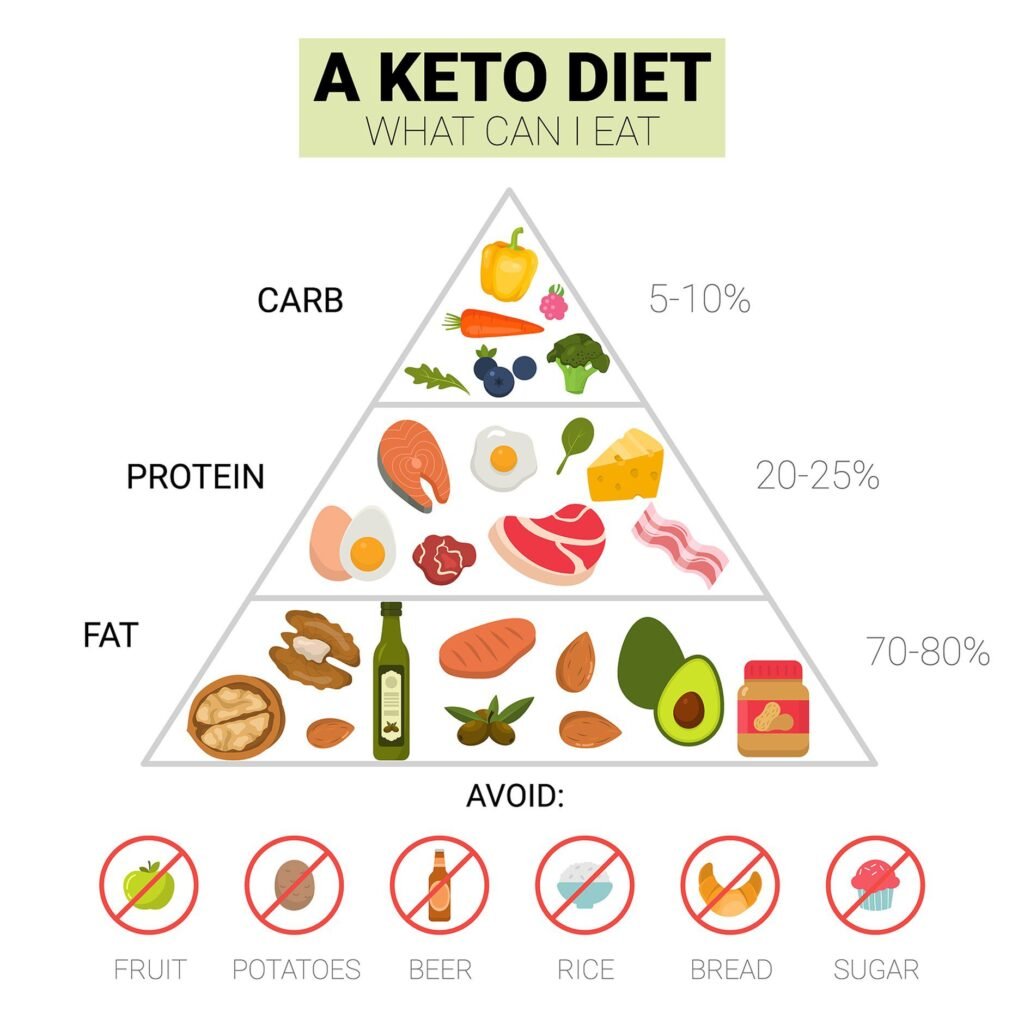
The Standard Ketogenic Diet (SKD) is the most common and well-known version of the ketogenic diet. It involves consuming a high-fat, moderate-protein, and low-carbohydrate diet. Typically, the macronutrient ratio for the SKD is 75% fat, 20% protein, and 5% carbohydrates.
Cyclical Ketogenic Diet (CKD)
The Cyclical Ketogenic Diet (CKD) involves cycling periods of ketogenic eating with periods of higher carbohydrate consumption. This diet is often used by athletes or individuals who engage in intense workouts or sports. During the ketogenic phase, they follow a standard ketogenic diet, but on carb-loading days, they increase their carbohydrate intake to replenish glycogen stores.
Targeted Ketogenic Diet (TKD)
The Targeted Ketogenic Diet (TKD) is similar to the CKD, but instead of cycling entire days, individuals consume carbohydrates around their workouts. By strategically consuming carbohydrates before and/or after exercise, they aim to maximize performance while staying in ketosis for the rest of the day.
High-Protein Ketogenic Diet
The High-Protein Ketogenic Diet is a modified version of the traditional ketogenic diet that includes more protein. This diet may be suitable for individuals who have higher protein requirements or want to prioritize muscle maintenance or growth. The macronutrient ratio typically consists of 60-75% fat, 20-30% protein, and 5-10% carbohydrates.
Safety and Side Effects of a Ketogenic Diet
Keto Flu
One common side effect of starting a ketogenic diet is the keto flu. This is a temporary condition that occurs as your body adapts to the change in fuel sources. Symptoms may include fatigue, headaches, dizziness, irritability, and nausea. These symptoms typically subside within a few days as your body adjusts to burning fat for energy.
Electrolyte Imbalances
When you restrict carbohydrates on a ketogenic diet, your body excretes more water and electrolytes, which can lead to imbalances. To avoid this, it is important to consume adequate amounts of potassium, magnesium, and sodium through food or supplements.
Nutrient Deficiencies
Since a ketogenic diet restricts certain food groups, there is a risk of nutrient deficiencies. It is important to ensure you are consuming a variety of nutrient-dense foods to meet your nutritional needs. Additionally, it may be beneficial to supplement with vitamins and minerals, especially if you are following a restrictive or specialized version of the diet.
Digestive Issues
Some individuals may experience digestive issues when starting a ketogenic diet, such as constipation or diarrhea. This can be attributed to the drastic change in dietary composition and the reduced intake of fiber-rich carbohydrates. To alleviate these symptoms, it is recommended to gradually increase your fiber intake, stay hydrated, and incorporate probiotic-rich foods.
Getting Started with a Ketogenic Diet
Consulting a Healthcare Professional
Before starting any new diet, it is always a good idea to consult with a healthcare professional, especially if you have any pre-existing medical conditions or concerns. They can provide personalized guidance and ensure that the ketogenic diet aligns with your specific needs.
Calculating Macronutrients
To successfully follow a ketogenic diet, it is important to calculate and track your macronutrient intake. This involves determining the appropriate ratios of fats, proteins, and carbohydrates to achieve and maintain ketosis. Several online calculators and mobile apps can help you track your macronutrient intake and ensure you are staying within the desired range.
Meal Planning and Recipes
Meal planning is a crucial aspect of successfully following a ketogenic diet. By planning your meals and snacks in advance, you can ensure that you are consuming the right macronutrient ratios and staying within your calorie goals. There are numerous resources available online that provide ketogenic recipes and meal plans to help you get started.
Managing Ketogenic Diet Challenges
Like with any diet, there may be challenges when following a ketogenic diet. It is important to be prepared for potential obstacles and have strategies in place to overcome them. Some common challenges include social situations, cravings, and dining out. Seek support from online communities or consider working with a dietitian who can provide personalized guidance and tips to help you navigate these challenges.
Who Should Avoid a Ketogenic Diet?
Individuals with Pancreatic or Liver Disease
If you have pancreatic or liver disease, it is advisable to avoid or seek medical supervision before starting a ketogenic diet. The increased fat consumption in the diet may put additional strain on these organs and can lead to further complications.
Pregnant and Breastfeeding Women
Pregnant and breastfeeding women have increased nutritional needs, and it is important to ensure they are met for the health of both the mother and baby. The ketogenic diet may not provide sufficient levels of certain nutrients required during pregnancy and lactation. Consult with a healthcare professional before making any dietary changes during this time.
Athletes and High-Intensity Exercisers
Athletes and individuals who engage in high-intensity exercise may have increased carbohydrate requirements to support their performance and recovery. While some athletes can successfully follow a ketogenic diet, it is crucial to monitor energy levels, performance, and overall well-being. Working with a sports nutritionist or dietitian can help tailor a ketogenic diet to meet individual athletic goals.
Final Thoughts
Potential Benefits and Considerations
The ketogenic diet can be a powerful tool for weight loss, improving heart health, reducing inflammation, enhancing mental clarity, and reducing the risk of seizures. However, it is important to recognize that it may not be suitable for everyone, and individual considerations should be taken into account.
Adherence and Sustainability
Successfully following a ketogenic diet requires commitment and dedication to maintaining the macronutrient ratios and avoiding prohibited foods. While the initial adaptation period may be challenging, many individuals find long-term success with the diet by incorporating a variety of foods and flavors to counter monotony. It is crucial to listen to your body, monitor your health, and make adjustments as necessary to ensure that the ketogenic diet is sustainable and enjoyable for you.