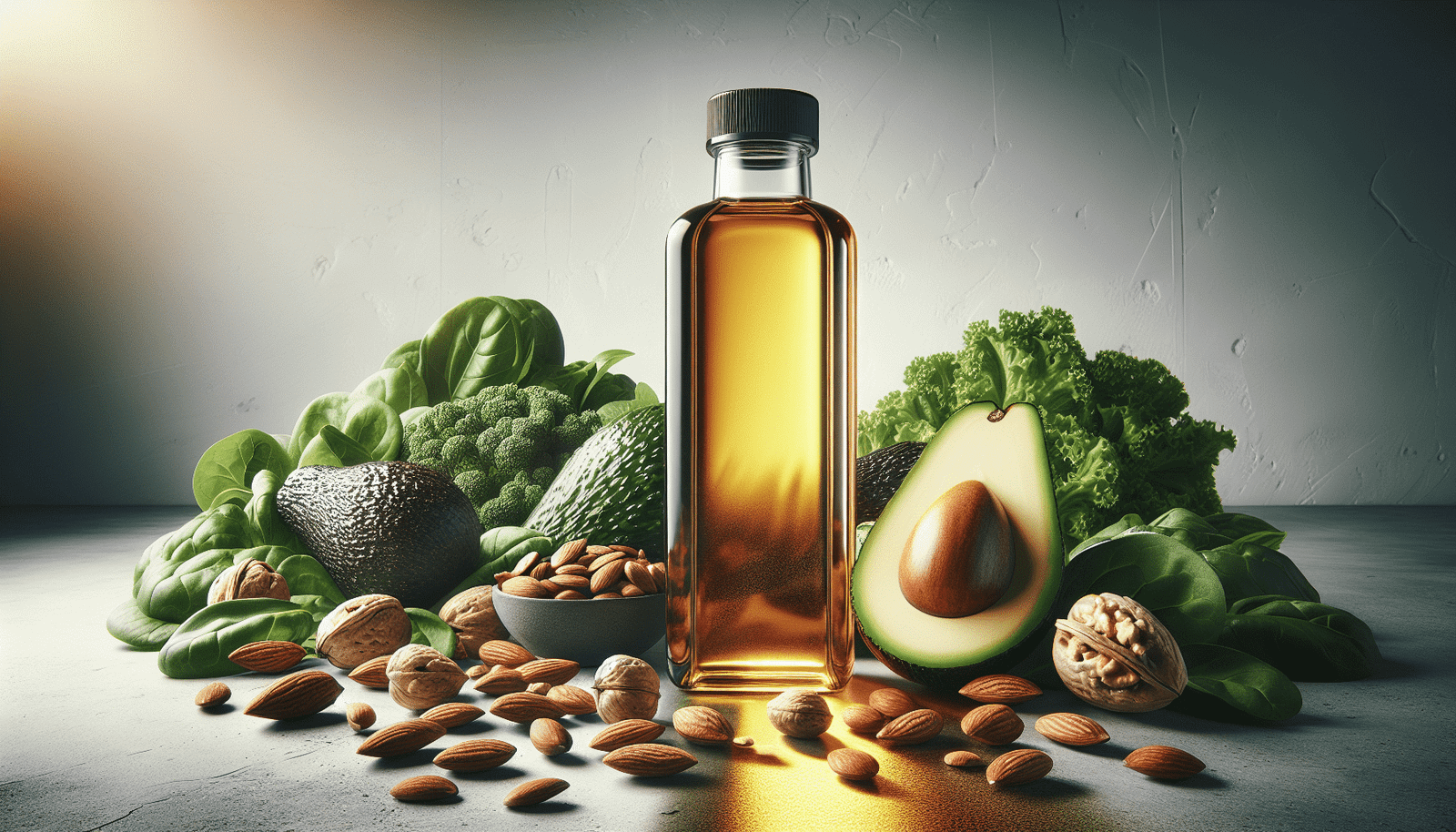
Have you ever wondered how certain diets can promote better health and energy levels? If so, you might be intrigued by the MCT ketogenic diet plan. This unique approach blends medium-chain triglycerides (MCTs) with the principles of the ketogenic diet to optimize your well-being. Let’s unpack how this diet works, its benefits, and how you can incorporate it into your lifestyle.

Understanding the MCT Ketogenic Diet
The MCT ketogenic diet combines the popular ketogenic diet with the usage of MCT oil to achieve optimal health benefits. The ketogenic diet is low in carbohydrates and high in fats, aiming to put your body in a state of ketosis, where it burns fat for energy instead of carbohydrates. MCTs are a type of fat that is metabolized differently from long-chain fatty acids. They provide quick energy and have various health benefits.
What are MCTs?
Medium-chain triglycerides are fatty acids that consist of chain lengths of 6 to 12 carbon atoms. MCTs are found in foods like coconut oil, palm kernel oil, and dairy products. Unlike longer-chain fats, MCTs can be rapidly absorbed and easily converted into energy, making them a preferred source for those following a ketogenic diet.
The Basics of the Ketogenic Diet
The ketogenic diet typically consists of a high-fat, moderate-protein, and very low-carbohydrate intake. The typical macronutrient breakdown is approximately:
| Macronutrient | Percentage of Daily Intake |
|---|---|
| Fat | 70-75% |
| Protein | 20-25% |
| Carbohydrates | 5-10% |
This diet changes your body’s primary energy source from carbohydrates to fat, promoting weight loss and various health benefits.
Why Combine MCTs with the Ketogenic Diet?
Incorporating MCTs into a ketogenic diet can enhance its effects by providing immediate energy and promoting ketosis more effectively and efficiently. MCTs can contribute to a faster onset of ketosis and improved energy levels, making them an excellent addition for those looking to maximize their results on the ketogenic journey.
The Benefits of the MCT Ketogenic Diet
Switching to an MCT ketogenic diet can bring several positive changes to your health. Here’s a closer look at the potential benefits.
1. Enhanced Ketosis
MCTs can accelerate the process of entering ketosis. Since they are rapidly metabolized by the liver, they can be converted into ketones, which your body uses for energy. This means you may find it easier to maintain ketosis, leading to consistent weight loss.
2. Increased Energy Levels
Many people report higher energy levels when consuming MCT oil. This is largely due to the quick absorption and conversion of MCTs into usable energy. If you often feel sluggish, incorporating MCTs could provide the boost you need.
3. Improved Cognitive Function
Some studies suggest that ketones may play a role in brain health. MCTs can provide an alternate energy source for your brain, potentially enhancing cognitive function and memory. This makes the MCT ketogenic diet an appealing option for those looking to support their brain health.
4. Appetite Regulation
A high-fat diet like the ketogenic one can help you feel fuller for longer. MCTs may help to regulate hunger hormones, decreasing your appetite and making it easier to adhere to your dietary goals.
5. Support for Weight Loss
The MCT ketogenic diet may assist in weight loss efforts by encouraging fat burning and suppressing appetite. This combination can create a significant caloric deficit, leading to fat loss while preserving lean muscle mass.

Building Your MCT Ketogenic Diet Plan
Now that you’ve got a sense of the benefits, let’s dive into how to create an effective MCT ketogenic diet plan.
macronutrient Breakdown
It’s essential to formulate a plan that keeps your macronutrient intake in check. You can use the following guidelines as a starting point:
| Macronutrient | Recommended Daily Amount |
|---|---|
| Fat | 165-200 grams |
| Protein | 75-100 grams |
| Carbohydrates | 20-50 grams |
These figures may vary based on your personal goals, activity level, and overall health.
Understanding Your Caloric Needs
Knowing your daily caloric needs is crucial. You can calculate your daily energy expenditure with online calculators or consult with a dietitian to find out what works best for you.
Planning Your Meals
Here’s a sample meal plan to help get you started on your MCT ketogenic diet journey.
| Meal | Foods Included |
|---|---|
| Breakfast | Scrambled eggs with spinach and MCT oil |
| Snack | A small handful of nuts or MCT oil in your coffee |
| Lunch | Grilled chicken salad with olive oil and MCT oil |
| Snack | Celery sticks with almond butter |
| Dinner | Baked salmon with asparagus drizzled with MCT oil |
| Dessert | Keto-friendly chocolate mousse made with avocado and cacao powder |
Ideas for Cooking with MCT Oil
MCT oil can be a versatile addition to your cooking. Try adding it to smoothies, salad dressings, or baked goods to up your fat intake without much effort. Here are some ways to incorporate it into your meals:
- Coffee: Adding MCT oil to your morning brew can create a satisfying and energizing drink.
- Smoothies: Blend MCT oil into your favorite smoothies for a creamy texture and added benefits.
- Dressing: Mix MCT oil into homemade salad dressings for a nutritious boost.
- Baking: Substitute MCT oil in recipes that call for other oils or fats.
Grocery List for Your MCT Ketogenic Diet
To make shopping easier, consider this list of essentials for your MCT ketogenic diet plan:
- MCT oil
- Coconut oil
- Grass-fed butter or ghee
- Eggs
- Lean meats like chicken, turkey, and beef
- Fish (especially fatty fish like salmon and mackerel)
- Low-carb vegetables: Spinach, kale, broccoli, cauliflower, zucchini
- Nuts and seeds: Almonds, walnuts, chia seeds, flaxseeds
- Berries: Strawberries, blueberries, and raspberries (in moderation)
- Avocados
- Coconut products: Coconut milk, coconut flour
Potential Challenges
While the MCT ketogenic diet has numerous benefits, it’s essential to be aware of potential challenges you may face.
Keto Flu
Some individuals may experience flu-like symptoms when transitioning to a ketogenic diet, often referred to as “keto flu.” Symptoms can include headaches, fatigue, and irritability. Ensuring you drink plenty of water, consume enough electrolytes, and gradually reduce your carb intake can help ease the transition.
Digestive Issues
Introducing MCT oil too quickly can lead to digestive discomfort for some. To mitigate this, start with a small amount, gradually increasing your intake until your body adjusts.
Ensuring Proper Nutrient Intake
As with any restrictive diet, ensuring you’re getting all necessary nutrients is crucial. Consider working with a healthcare professional or nutritionist to ensure you’re meeting your nutritional needs.

Who Should Consider the MCT Ketogenic Diet
This dietary plan may be suitable for various individuals, including:
- Those looking to lose weight and regulate appetite.
- Individuals wanting to enhance cognitive function and boost energy levels.
- Athletes or active individuals seeking quick energy sources.
- People interested in improving certain health conditions, such as epilepsy or metabolic disorders.
Consulting with a Professional
Before starting any new diet, checking in with a healthcare professional or nutritionist is wise to ensure it aligns with your health goals and needs.
Conclusion
Adopting an MCT ketogenic diet plan can be an effective way to achieve optimal health. By focusing on healthy fats, particularly MCTs, you can increase your energy levels, support brain health, and regulate your appetite—helping you maintain a healthier lifestyle. As you embark on this journey, remember to listen to your body, adjust as necessary, and enjoy the process of nourishing your health!
Incorporating this diet into your daily life might seem challenging at first, but with a bit of planning and preparation, you’ll likely find it both enjoyable and rewarding. Cheers to your health and well-being on your MCT ketogenic journey!