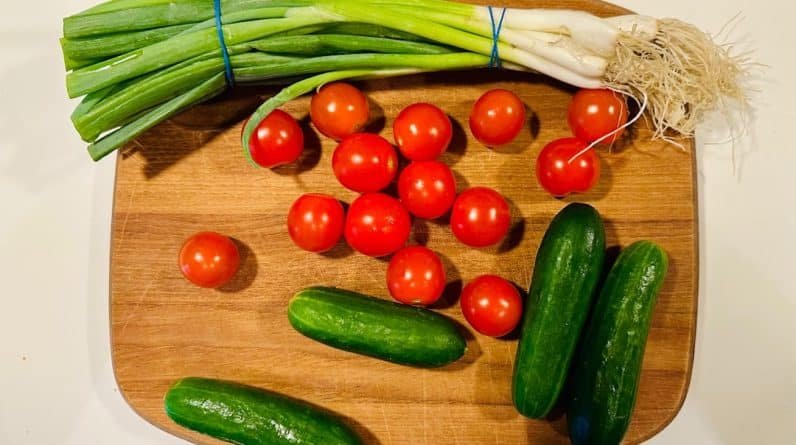
The Mediterranean Keto Diet is a unique fusion of two popular dietary approaches: the Mediterranean diet and the ketogenic diet. The Mediterranean diet is renowned for its emphasis on whole foods, healthy fats, and a variety of fruits and vegetables, while the ketogenic diet focuses on high-fat, low-carbohydrate intake to promote ketosis, a metabolic state where your body burns fat for fuel instead of carbohydrates. By combining these two diets, you can enjoy the health benefits of both while still adhering to the principles of low-carb eating.
In essence, the Mediterranean Keto Diet encourages you to consume healthy fats from sources like olive oil, nuts, and fatty fish, while minimizing your intake of carbohydrates, particularly refined sugars and grains. This approach not only helps you achieve and maintain ketosis but also provides a wealth of nutrients that are characteristic of the Mediterranean lifestyle. You’ll find that this diet is not just about restriction; it’s about embracing a flavorful and diverse array of foods that nourish your body and satisfy your palate.
Key Takeaways
- The Mediterranean Keto Diet combines the principles of the Mediterranean diet with the low-carb, high-fat approach of the ketogenic diet.
- Benefits of the Mediterranean Keto Diet include weight loss, improved heart health, and better blood sugar control.
- Essential ingredients in Mediterranean Keto recipes include olive oil, fatty fish, nuts, seeds, and low-carb vegetables.
- Breakfast ideas for the Mediterranean Keto Diet include Greek yogurt with berries, omelets with spinach and feta, and avocado toast on low-carb bread.
- Lunch options for the Mediterranean Keto Diet include Greek salad with grilled chicken, tuna salad lettuce wraps, and zucchini noodles with pesto and cherry tomatoes.
- Dinner recipes for the Mediterranean Keto Diet include grilled salmon with roasted vegetables, Mediterranean chicken with olives and artichokes, and cauliflower crust pizza with Mediterranean toppings.
- Snack ideas for the Mediterranean Keto Diet include mixed nuts, olives, cheese, and cucumber slices with tzatziki dip.
- Desserts for the Mediterranean Keto Diet can include dark chocolate, Greek yogurt with honey and nuts, and coconut milk chia seed pudding.
- Mediterranean Keto drinks and beverages can include water, herbal teas, red wine in moderation, and unsweetened almond milk.
- Tips for success on the Mediterranean Keto Diet include meal planning, focusing on whole foods, and incorporating regular physical activity. A sample Mediterranean Keto meal plan could include Greek yogurt with berries for breakfast, Greek salad with grilled chicken for lunch, grilled salmon with roasted vegetables for dinner, and mixed nuts for snacks.
Benefits of the Mediterranean Keto Diet
One of the most significant benefits of the Mediterranean Keto Diet is its potential for weight loss. By reducing carbohydrate intake and increasing healthy fats, your body shifts into a state of ketosis, which can lead to more efficient fat burning. This metabolic change can help you shed excess weight while preserving lean muscle mass, making it an effective strategy for those looking to improve their body composition.
In addition to weight loss, this diet can also enhance heart health. The Mediterranean diet is rich in heart-healthy fats, such as those found in olive oil and fatty fish, which can help lower bad cholesterol levels and reduce the risk of cardiovascular diseases. When combined with the ketogenic principles, you may experience improved blood sugar control and reduced inflammation, further contributing to overall heart health.
This combination makes the Mediterranean Keto Diet not only a tool for weight management but also a pathway to long-term wellness.
Essential Ingredients in Mediterranean Keto Recipes
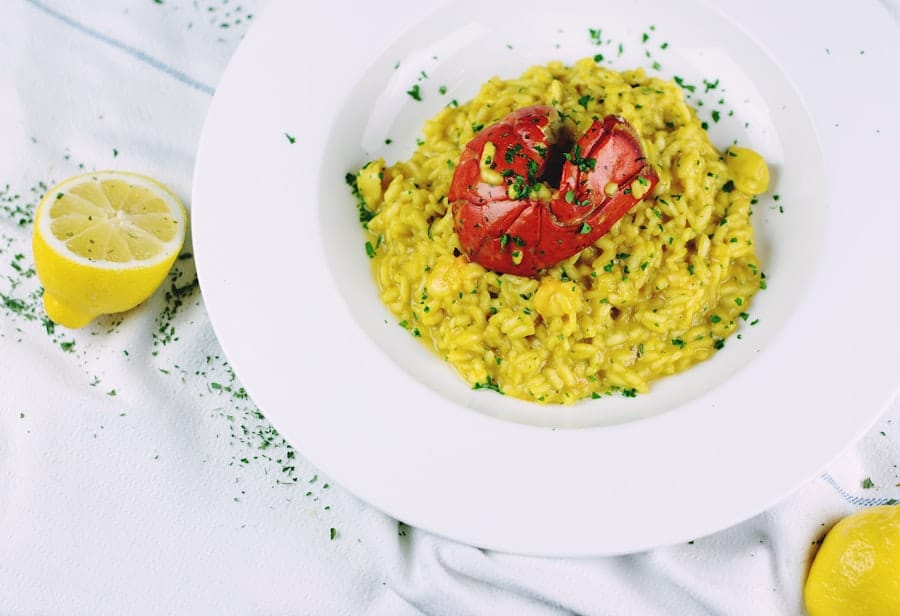
When embarking on the Mediterranean Keto Diet, it’s essential to stock your kitchen with the right ingredients that align with both dietary philosophies. Healthy fats are at the forefront of this diet, so you should prioritize high-quality olive oil, avocados, nuts, and seeds. These ingredients not only provide the necessary fats for ketosis but also offer a range of vitamins and minerals that support overall health.
In addition to healthy fats, you’ll want to incorporate plenty of non-starchy vegetables into your meals. Leafy greens like spinach and kale, as well as cruciferous vegetables such as broccoli and cauliflower, are excellent choices. These vegetables are low in carbohydrates but high in fiber, which can help keep you feeling full and satisfied.
Additionally, don’t forget about protein sources like fatty fish (such as salmon and sardines), grass-fed meats, and eggs, which are all staples in both the Mediterranean and ketogenic diets.
Breakfast Ideas for Mediterranean Keto Diet
Starting your day on the right foot is crucial when following the Mediterranean Keto Diet. One delicious breakfast option is a Mediterranean omelet filled with spinach, feta cheese, and sun-dried tomatoes. This dish is not only packed with flavor but also provides a good balance of protein and healthy fats to keep you energized throughout the morning.
Another great breakfast idea is Greek yogurt topped with a handful of nuts and a sprinkle of cinnamon. Opt for full-fat Greek yogurt to ensure you’re getting enough healthy fats while keeping carbohydrates low. You can also add a few berries for a touch of sweetness without overloading on carbs.
This combination offers a satisfying start to your day while adhering to the principles of both diets.
Lunch Options for Mediterranean Keto Diet
For lunch, consider preparing a refreshing salad that incorporates a variety of colorful vegetables and healthy fats. A classic Greek salad made with cucumbers, tomatoes, olives, and feta cheese drizzled with olive oil is an excellent choice. You can add grilled chicken or shrimp for an extra protein boost while keeping the meal low in carbohydrates.
Another option is a zucchini noodle bowl topped with pesto sauce and grilled vegetables. Zucchini noodles are a fantastic low-carb alternative to traditional pasta, allowing you to enjoy a hearty meal without compromising your dietary goals. Pair this dish with some roasted nuts or seeds for added crunch and nutrition.
Dinner Recipes for Mediterranean Keto Diet
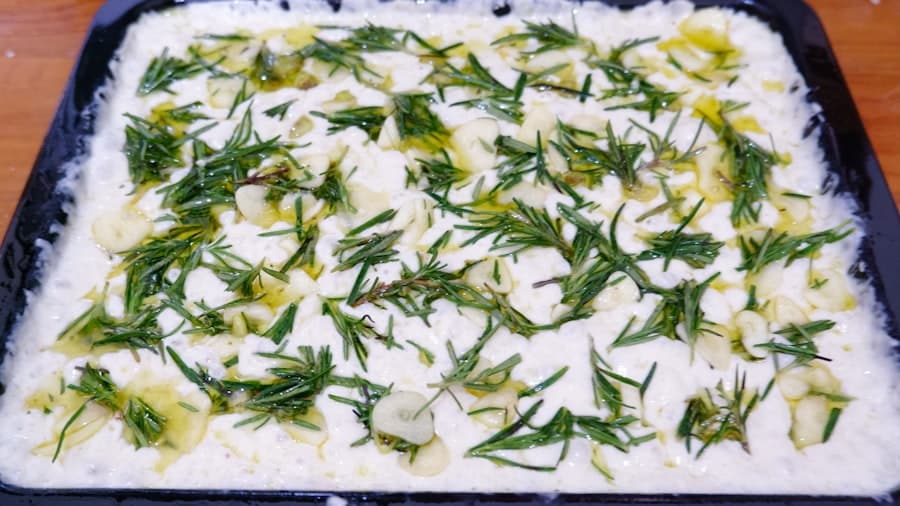
Dinner can be an exciting opportunity to explore various flavors while sticking to your dietary guidelines. One delightful recipe is baked salmon drizzled with lemon and olive oil, served alongside sautéed asparagus or Brussels sprouts. This dish is not only simple to prepare but also rich in omega-3 fatty acids, which are beneficial for heart health.
Another fantastic dinner idea is a cauliflower rice stir-fry featuring bell peppers, onions, and your choice of protein—be it chicken, beef, or tofu. Cauliflower rice serves as an excellent low-carb substitute for traditional rice while still providing a satisfying texture. Season it with herbs and spices typical of Mediterranean cuisine to elevate the flavors even further.
Snack Ideas for Mediterranean Keto Diet
Snacking can be a challenge on any diet, but there are plenty of delicious options that fit within the Mediterranean Keto framework. One simple yet satisfying snack is a handful of mixed nuts or seeds. These provide healthy fats and protein while keeping your carbohydrate intake in check.
Another great snack idea is sliced cucumbers or bell peppers dipped in tzatziki sauce made from Greek yogurt, garlic, cucumber, and herbs. This refreshing dip not only adds flavor but also keeps your snacking experience light and nutritious. You might also consider olives or cheese cubes as quick snacks that align perfectly with both dietary approaches.
Desserts for the Mediterranean Keto Diet
Indulging in dessert doesn’t have to be off-limits on the Mediterranean Keto Diet. One delightful option is almond flour cookies sweetened with erythritol or stevia. These cookies can be flavored with vanilla or lemon zest for an extra burst of flavor while remaining low in carbs.
Another dessert idea is chia seed pudding made with coconut milk and flavored with vanilla extract. Chia seeds are high in fiber and healthy fats, making them an excellent choice for satisfying your sweet tooth without derailing your dietary goals. Top it off with a few berries for added flavor and nutrients.
Mediterranean Keto Drinks and Beverages
Staying hydrated is essential on any diet, and there are plenty of beverage options that complement the Mediterranean Keto lifestyle. Water infused with fresh herbs like mint or basil can be incredibly refreshing while adding a hint of flavor without any calories or carbs. For those who enjoy coffee or tea, consider adding a splash of unsweetened almond milk or coconut cream for creaminess without the carbs found in traditional dairy products.
Herbal teas can also be a soothing option that aligns well with both dietary philosophies.
Tips for Success on the Mediterranean Keto Diet
To succeed on the Mediterranean Keto Diet, it’s important to plan your meals ahead of time. Meal prepping can help you stay on track by ensuring you have healthy options readily available when hunger strikes. Consider dedicating one day each week to prepare meals in advance so that you’re less likely to reach for unhealthy snacks or convenience foods.
Additionally, focus on listening to your body’s hunger cues rather than strictly adhering to meal times. Eating when you’re genuinely hungry can help prevent overeating and promote a healthier relationship with food. Remember that this diet is about balance; enjoy the flavors and variety it offers while staying mindful of your overall goals.
Sample Mediterranean Keto Meal Plan
To give you an idea of how to structure your meals throughout the week on the Mediterranean Keto Diet, here’s a sample meal plan: **Day 1:**
– Breakfast: Spinach and feta omelet
– Lunch: Greek salad with grilled chicken
– Dinner: Baked salmon with asparagus
– Snack: A handful of mixed nuts **Day 2:**
– Breakfast: Greek yogurt with nuts and cinnamon
– Lunch: Zucchini noodle bowl with pesto
– Dinner: Cauliflower rice stir-fry
– Snack: Sliced cucumbers with tzatziki sauce **Day 3:**
– Breakfast: Almond flour pancakes topped with berries
– Lunch: Caprese salad with mozzarella and basil
– Dinner: Grilled lamb chops with roasted Brussels sprouts
– Snack: Cheese cubes or olives By following this sample meal plan and incorporating various recipes into your routine, you’ll find that adhering to the Mediterranean Keto Diet can be both enjoyable and rewarding. Embrace the flavors and health benefits this diet has to offer as you embark on your journey toward better health!
FAQs
What is the Mediterranean Keto diet?
The Mediterranean Keto diet combines the principles of the Mediterranean diet, which is rich in fruits, vegetables, whole grains, and healthy fats, with the low-carb, high-fat principles of the ketogenic diet.
What are some key components of Mediterranean Keto recipes?
Mediterranean Keto recipes often include plenty of fresh vegetables, healthy fats such as olive oil and avocados, lean proteins like fish and poultry, and moderate amounts of dairy products and nuts.
What are some popular Mediterranean Keto recipes?
Popular Mediterranean Keto recipes include Greek salad with feta and olives, grilled salmon with a side of roasted vegetables, cauliflower rice tabbouleh, and zucchini noodles with pesto and cherry tomatoes.
Are Mediterranean Keto recipes suitable for vegetarians and vegans?
Yes, Mediterranean Keto recipes can be adapted to suit vegetarian and vegan diets by incorporating plant-based proteins such as tofu, tempeh, and legumes, and by using dairy-free alternatives for cheese and yogurt.
Can I find Mediterranean Keto recipes online?
Yes, there are numerous websites, blogs, and cookbooks dedicated to Mediterranean Keto recipes, offering a wide variety of meal ideas and cooking inspiration for those following this dietary approach.