
The ketogenic diet, often referred to simply as “keto,” is a high-fat, low-carbohydrate eating plan designed to shift your body’s metabolism from burning carbohydrates to burning fats. By drastically reducing your intake of carbohydrates and replacing them with fats, you encourage your body to enter a state known as ketosis. In this metabolic state, your body becomes incredibly efficient at burning fat for energy, which can lead to significant weight loss and other health benefits.
You may find that this diet not only helps in shedding pounds but also enhances mental clarity and energy levels. As you embark on this dietary journey, it’s essential to understand the macronutrient breakdown that characterizes the ketogenic diet. Typically, the diet consists of about 70-75% fats, 20-25% protein, and only 5-10% carbohydrates.
This unique ratio is what sets keto apart from other diets. You might be surprised to learn that many foods you once thought were off-limits can be enjoyed in moderation, provided they fit within your daily carb allowance. Embracing this new way of eating can be both exciting and challenging, but with the right knowledge and preparation, you can thrive on the ketogenic diet.
Key Takeaways
- The ketogenic diet is a high-fat, low-carb diet that aims to put the body into a state of ketosis, where it burns fat for fuel instead of carbohydrates.
- Fats play a crucial role in the ketogenic diet, providing the majority of daily calories and helping to keep the body in ketosis.
- Olive oil offers numerous benefits on the keto diet, including being a source of healthy monounsaturated fats and antioxidants.
- When choosing olive oil for the keto diet, it’s important to opt for high-quality, extra virgin olive oil to ensure maximum health benefits.
- Cooking with olive oil on the keto diet is a great way to add flavor and healthy fats to meals, but it’s important to avoid high heat cooking to preserve its nutritional properties.
The Role of Fats in the Ketogenic Diet
Fats play a pivotal role in the ketogenic diet, serving as the primary source of energy for your body when carbohydrates are scarce. Unlike traditional diets that emphasize carbohydrates as the main fuel source, keto flips this concept on its head. When you consume fats, your liver converts them into ketones, which then become the preferred energy source for your brain and body.
This shift not only helps in weight loss but also stabilizes blood sugar levels, reducing cravings and hunger pangs throughout the day. Incorporating healthy fats into your meals is crucial for maintaining ketosis and ensuring that your body functions optimally. You may find yourself reaching for avocados, nuts, seeds, and oils like olive oil or coconut oil.
These fats are not just calorie-dense; they also provide essential fatty acids and nutrients that support overall health. As you adapt to this new way of eating, you’ll likely discover that fats can be both satisfying and delicious, making your meals enjoyable while keeping you on track with your dietary goals.
Benefits of Olive Oil on the Keto Diet
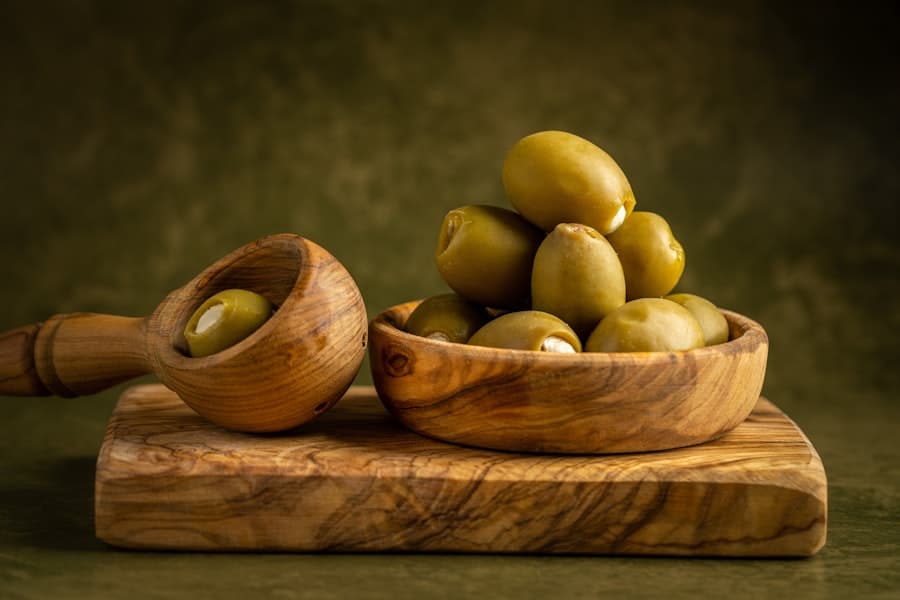
Olive oil is often hailed as one of the healthiest fats available, making it an excellent choice for those following a ketogenic diet. Rich in monounsaturated fats, particularly oleic acid, olive oil has been linked to numerous health benefits. One of the most significant advantages is its ability to reduce inflammation in the body, which can be particularly beneficial for those who may experience inflammation-related issues while on a high-fat diet.
Additionally, olive oil is packed with antioxidants that help combat oxidative stress, promoting overall well-being. Another compelling reason to incorporate olive oil into your keto meals is its positive impact on heart health. Studies have shown that consuming olive oil can help lower bad cholesterol levels while increasing good cholesterol levels.
This balance is crucial for maintaining cardiovascular health, especially when transitioning to a high-fat diet. By choosing olive oil as your primary cooking fat or salad dressing, you not only enhance the flavor of your dishes but also contribute to a healthier heart and improved metabolic function.
Choosing the Right Olive Oil for Keto
When it comes to selecting olive oil for your ketogenic diet, quality matters significantly. Extra virgin olive oil (EVOO) is often considered the gold standard due to its minimal processing and high levels of beneficial compounds. Look for oils that are cold-pressed and labeled as “extra virgin” to ensure you’re getting the most nutrients and flavor.
The rich taste of high-quality olive oil can elevate your dishes while providing essential fatty acids that support your keto lifestyle. You should also pay attention to the origin and packaging of the olive oil you choose. Oils that come from reputable regions known for their olive production, such as Italy or Spain, are often more reliable in terms of quality.
Additionally, opt for dark glass bottles or tins to protect the oil from light exposure, which can degrade its quality over time. By making informed choices about the olive oil you use, you can maximize its health benefits while enjoying its delicious flavor in your meals.
Cooking with Olive Oil on Keto
Cooking with olive oil on a ketogenic diet opens up a world of culinary possibilities. Its versatility makes it suitable for various cooking methods, including sautéing, roasting, and drizzling over finished dishes. When using olive oil for cooking, it’s essential to consider its smoke point—around 375°F (190°C) for extra virgin olive oil—so you can avoid overheating it and compromising its beneficial properties.
This means it’s perfect for low to medium-heat cooking but may not be ideal for high-temperature frying. Incorporating olive oil into your cooking routine can enhance not only the flavor but also the nutritional profile of your meals. You might find yourself using it to sauté vegetables or as a base for marinades and sauces.
The rich taste of olive oil can elevate simple dishes like grilled chicken or roasted vegetables, making them more satisfying while keeping you aligned with your keto goals. Experimenting with different herbs and spices combined with olive oil can also lead to exciting flavor combinations that keep your meals fresh and enjoyable.
Incorporating Olive Oil into Keto Recipes

Integrating olive oil into your keto recipes is a simple yet effective way to boost flavor and nutrition. Whether you’re preparing a hearty salad or a savory main dish, olive oil can serve as a key ingredient that ties everything together. For instance, consider using it as a base for homemade salad dressings or marinades; combining olive oil with vinegar or lemon juice creates a zesty dressing that complements leafy greens beautifully.
You might also explore using olive oil in baking or as a finishing touch on roasted vegetables or grilled meats. Drizzling a bit of high-quality olive oil over your dishes just before serving can enhance their flavor profile while adding a touch of elegance. The possibilities are endless when it comes to incorporating this healthy fat into your meals; with a little creativity, you can create delicious dishes that align perfectly with your ketogenic lifestyle.
Using Olive Oil for Salad Dressings on Keto
Salad dressings are often overlooked when it comes to maintaining a ketogenic diet, but they can be an excellent opportunity to incorporate healthy fats like olive oil into your meals. A simple vinaigrette made with extra virgin olive oil, vinegar (such as balsamic or apple cider), and your choice of herbs and spices can transform a basic salad into a flavorful dish that keeps you satisfied. The richness of olive oil not only enhances the taste but also helps absorb fat-soluble vitamins from the vegetables in your salad.
When crafting your own salad dressings, consider experimenting with different flavor profiles by adding ingredients like mustard, garlic, or fresh herbs. You might find that creating homemade dressings allows you to control the ingredients and avoid hidden sugars often found in store-bought options. By using olive oil as a base for your dressings, you ensure that you’re getting healthy fats while enjoying delicious salads that align with your keto goals.
Olive Oil as a Source of Healthy Fats on Keto
As you navigate the ketogenic diet, understanding the importance of healthy fats is crucial for success. Olive oil stands out as an exceptional source of these beneficial fats due to its unique composition and health-promoting properties. Unlike saturated fats found in some animal products, monounsaturated fats from olive oil have been shown to support heart health and reduce inflammation in the body.
This makes it an ideal choice for those looking to maintain a balanced approach to their fat intake while on keto. Incorporating olive oil into your daily routine not only provides essential fatty acids but also contributes to overall satiety. You may find that meals prepared with olive oil keep you feeling full longer, reducing the likelihood of snacking between meals.
This can be particularly helpful when trying to adhere to the strict macronutrient ratios required by the ketogenic diet. By prioritizing healthy fats like olive oil, you set yourself up for success on your keto journey.
Olive Oil and Ketosis
Understanding how olive oil fits into the concept of ketosis is vital for anyone following a ketogenic diet. As you reduce carbohydrate intake and increase fat consumption, your body begins to rely on ketones produced from fat breakdown for energy instead of glucose from carbs. Olive oil plays a significant role in this process by providing a readily available source of healthy fats that support ketosis.
When you consume olive oil, it not only contributes to your daily fat intake but also helps maintain stable blood sugar levels—an essential factor in achieving and sustaining ketosis. The monounsaturated fats found in olive oil can help prevent insulin spikes that might otherwise disrupt ketosis. By incorporating this healthy fat into your meals regularly, you enhance your chances of staying in ketosis while enjoying delicious food.
Tips for Using Olive Oil on Keto
To make the most out of using olive oil on your ketogenic journey, consider these practical tips that can enhance both flavor and health benefits. First and foremost, always opt for high-quality extra virgin olive oil whenever possible; its superior taste and nutritional profile make it worth the investment. Additionally, store your olive oil in a cool, dark place to preserve its freshness and prevent oxidation.
Another helpful tip is to experiment with different varieties of olive oil to discover which flavors complement your favorite dishes best. Some oils have robust flavors that work well in Mediterranean-inspired recipes, while others may be milder and better suited for baking or light dressings. Finally, don’t hesitate to use olive oil liberally; it’s an excellent way to increase your fat intake while adding depth and richness to your meals.
Potential Drawbacks of Using Olive Oil on Keto
While olive oil offers numerous benefits on a ketogenic diet, it’s essential to be aware of potential drawbacks as well. One concern is that not all olive oils are created equal; some may be diluted with cheaper oils or lack the quality needed to provide maximum health benefits. To avoid this issue, always choose reputable brands and look for certifications indicating purity.
Another consideration is portion control; even though olive oil is healthy, it is still calorie-dense. If you’re not mindful of how much you’re using, those calories can add up quickly and potentially hinder weight loss efforts if consumed excessively. Balancing your intake of olive oil with other sources of healthy fats will help ensure you’re meeting your nutritional needs without going overboard on calories.
In conclusion, embracing the ketogenic diet opens up exciting opportunities for culinary exploration—especially when it comes to incorporating healthy fats like olive oil into your meals. By understanding its role in promoting ketosis and enhancing overall health, you can make informed choices that align with your dietary goals while enjoying delicious food along the way.
FAQs
What is olive oil?
Olive oil is a type of oil that is extracted from the fruit of the olive tree. It is commonly used in cooking and as a dressing for salads.
Is olive oil keto-friendly?
Yes, olive oil is considered keto-friendly as it is high in healthy fats and low in carbohydrates. It can be included in a ketogenic diet.
What are the health benefits of olive oil on a keto diet?
Olive oil is rich in monounsaturated fats, which can help improve heart health and reduce inflammation. It also contains antioxidants and has been linked to potential benefits for weight management and blood sugar control.
How can olive oil be used on a keto diet?
Olive oil can be used for cooking, as a salad dressing, or as a flavor enhancer for various keto-friendly dishes. It can also be drizzled over vegetables or used as a dip for low-carb breads.
What is the recommended daily intake of olive oil on a keto diet?
There is no specific recommended daily intake of olive oil on a keto diet. It can be used in moderation as part of a well-balanced ketogenic meal plan.
Are there different types of olive oil to consider on a keto diet?
Yes, there are different types of olive oil, including extra virgin, virgin, and regular olive oil. Extra virgin olive oil is the least processed and retains the most nutrients, making it a popular choice for a keto diet.





