When you think about hair quality, what comes to mind? For many, it’s a reflection of health, vitality, and personal style. Hair quality encompasses various attributes, including texture, shine, strength, and overall appearance.
It can significantly influence how you feel about yourself and how others perceive you. Whether you have straight, wavy, curly, or coily hair, understanding the nuances of hair quality is essential for maintaining its health and beauty. In a world where first impressions matter, your hair often plays a pivotal role.
It can be a statement of individuality or a canvas for self-expression. However, achieving and maintaining high-quality hair requires more than just the right products; it involves a holistic approach that considers various factors. From your diet to environmental influences, every aspect of your life can impact the quality of your hair.
In this article, you will explore the multifaceted nature of hair quality and discover how to enhance it effectively.
Key Takeaways
- Hair quality is determined by various factors including genetics, diet, hair products, environmental factors, health conditions, and aging.
- Diet and nutrition play a significant role in maintaining healthy hair, with a focus on consuming protein, iron, and vitamins.
- Hair products and styling techniques can impact hair quality, with excessive heat, chemicals, and tight hairstyles leading to damage.
- Environmental factors such as pollution, UV rays, and climate can also affect hair quality, leading to dryness, breakage, and dullness.
- Health conditions and aging can contribute to changes in hair quality, with conditions like stress, hormonal imbalances, and aging affecting hair health.
Factors Affecting Hair Quality
Genetics: The Inherited Traits
Genetics is one of the most significant determinants of your hair’s quality; your family history can dictate everything from hair texture to susceptibility to damage. If your parents had thick, lustrous hair, you might be more likely to inherit those traits. Conversely, if they had thinning or brittle hair, you may face similar challenges. While you cannot change your genetic makeup, knowing your predispositions can help you tailor your hair care routine accordingly.
Lifestyle Choices: The Impact on Hair Health
Another critical factor is your lifestyle choices. Stress levels, sleep patterns, and overall health can all play a role in how your hair looks and feels. For instance, chronic stress can lead to hair loss or changes in texture due to hormonal imbalances. Similarly, inadequate sleep can hinder your body’s ability to repair and regenerate cells, including those in your hair follicles.
Prioritizing Healthy Hair Growth
By prioritizing self-care and managing stress effectively, you can create a more favorable environment for healthy hair growth.
Effects of Diet and Nutrition on Hair Quality
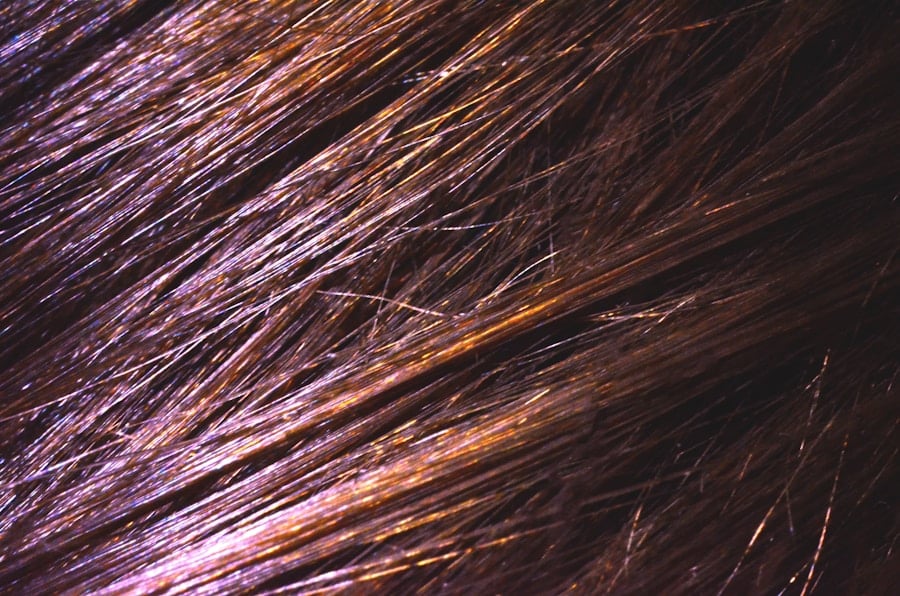
Your diet is one of the most influential factors affecting hair quality. The nutrients you consume directly impact the health of your hair follicles and the growth cycle of your strands. A balanced diet rich in vitamins and minerals is essential for maintaining strong and vibrant hair.
For example, proteins are the building blocks of hair; without adequate protein intake, your strands may become weak and prone to breakage. Foods like eggs, fish, nuts, and legumes are excellent sources of protein that can help fortify your hair. In addition to protein, vitamins such as biotin, vitamin D, and vitamin E play crucial roles in promoting healthy hair.
Biotin is known for its ability to strengthen hair and prevent brittleness, while vitamin D supports the growth of new hair follicles. Incorporating a variety of fruits and vegetables into your diet ensures that you receive a broad spectrum of nutrients that contribute to overall hair health. By being mindful of what you eat, you can significantly enhance the quality of your hair over time.
Impact of Hair Products and Styling on Hair Quality
The products you use on your hair can either enhance or detract from its quality. With an overwhelming array of shampoos, conditioners, and styling products available on the market, it’s essential to choose wisely. Many commercial products contain harsh chemicals that can strip your hair of its natural oils, leading to dryness and damage.
Sulfates and parabens are common culprits that can compromise the integrity of your strands. Opting for sulfate-free and paraben-free products can help maintain moisture levels and promote healthier hair. Styling practices also play a significant role in determining hair quality.
Frequent heat styling with tools like flat irons and curling wands can lead to thermal damage if not done carefully. To minimize this risk, consider using heat protectants before styling and limit the use of high temperatures. Additionally, embracing natural hairstyles or protective styles can give your hair a break from constant manipulation and reduce the likelihood of breakage.
By being intentional about the products you use and how you style your hair, you can foster an environment conducive to healthy growth.
Environmental Factors and Hair Quality
The environment around you can have a profound impact on the quality of your hair. Factors such as humidity, pollution, and UV exposure can all contribute to changes in texture and overall health. For instance, high humidity levels can cause frizz and make it challenging to maintain a sleek look.
On the other hand, dry climates may lead to brittle strands that are more susceptible to breakage. Understanding how environmental conditions affect your hair allows you to adapt your care routine accordingly. Pollution is another significant concern for hair health.
The buildup of dirt and toxins from the air can lead to scalp issues and hinder healthy growth. Regular cleansing is essential to remove these impurities; however, over-washing can strip natural oils. Finding a balance is key—consider using clarifying shampoos occasionally while maintaining a regular washing schedule with gentle cleansers.
Additionally, wearing hats or scarves when exposed to harsh weather conditions can provide an extra layer of protection for your precious locks.
Health Conditions and Hair Quality

Your overall health plays a crucial role in determining the quality of your hair. Various medical conditions can lead to changes in hair texture or even loss. For example, thyroid disorders can disrupt hormonal balance, resulting in thinning or brittle hair.
Similarly, autoimmune diseases like alopecia areata can cause sudden patches of hair loss. If you notice significant changes in your hair quality or experience unusual shedding, it’s essential to consult with a healthcare professional for proper diagnosis and treatment. Certain medications may also impact hair quality as a side effect.
Chemotherapy drugs are notorious for causing temporary hair loss; however, other medications may lead to thinning or changes in texture as well. If you suspect that a medication is affecting your hair health, discuss alternatives with your doctor. By addressing underlying health issues and being proactive about your well-being, you can create a more favorable environment for healthy hair growth.
Aging and Hair Quality
As you age, it’s natural for your hair to undergo changes that may affect its quality. Many people notice that their once-thick locks become thinner or lose their luster over time. This is often due to a decrease in hormone levels and changes in the production of natural oils that keep hair moisturized.
Additionally, the aging process can lead to slower cell turnover rates in the scalp, which may impact the growth cycle of new hairs. While aging is inevitable, there are ways to mitigate its effects on hair quality. Embracing a nourishing hair care routine that includes hydrating treatments and regular trims can help maintain the appearance of fullness and vitality.
Additionally, incorporating supplements specifically designed for hair health may provide added support as you navigate the aging process. By being proactive about your hair care as you age, you can continue to enjoy beautiful locks well into later years.
Tips for Improving Hair Quality
Improving the quality of your hair doesn’t have to be complicated; small changes in your routine can yield significant results over time. Start by assessing your current diet—are you getting enough protein and essential vitamins? Consider incorporating more whole foods into your meals while reducing processed options that may lack nutritional value.
Staying hydrated is equally important; drinking plenty of water helps maintain moisture levels in both your body and your hair. In addition to dietary changes, reevaluating your hair care products is crucial for enhancing quality. Look for products that cater specifically to your hair type and address any concerns you may have—whether it’s dryness, frizz, or lack of volume.
Regularly deep conditioning treatments can also provide much-needed hydration and nourishment for your strands. Lastly, don’t underestimate the power of self-care practices like scalp massages or relaxation techniques to reduce stress levels. A healthy scalp is vital for promoting strong hair growth; taking time for yourself can create a positive ripple effect on your overall well-being and subsequently improve the quality of your hair.
By understanding the various factors that influence hair quality—from diet and products to environmental conditions—you empower yourself to make informed choices that promote healthier locks. With dedication and care, achieving beautiful hair is within reach!
FAQs
What factors can impact hair quality?
Factors that can impact hair quality include genetics, diet, hair care practices, environmental factors, and overall health.
How does diet affect hair quality?
A balanced diet that includes essential nutrients such as protein, vitamins, and minerals is important for maintaining healthy hair. Nutrient deficiencies can lead to hair loss and poor hair quality.
What role do hair care practices play in hair quality?
Hair care practices such as washing, styling, and using heat tools can impact hair quality. Over-washing, using harsh products, and excessive heat can damage the hair and lead to poor quality.
How do environmental factors affect hair quality?
Environmental factors such as sun exposure, pollution, and humidity can impact hair quality. UV rays, pollutants, and moisture levels can cause damage to the hair, leading to dryness, breakage, and dullness.
What impact does overall health have on hair quality?
Overall health, including stress levels, hormonal imbalances, and underlying medical conditions, can affect hair quality. Poor health can lead to hair loss, thinning, and changes in hair texture.