
The ketogenic diet, commonly referred to as the keto diet, has gained immense popularity in recent years as a powerful tool for weight loss and improved health. At its core, the keto diet is a low-carbohydrate, high-fat eating plan that encourages your body to enter a state of ketosis. In this metabolic state, your body becomes highly efficient at burning fat for energy instead of relying on carbohydrates.
This shift not only aids in weight loss but can also lead to enhanced mental clarity and increased energy levels. As you embark on this dietary journey, understanding the principles behind the keto diet is essential for making informed choices that align with your health goals. As you delve deeper into the keto lifestyle, it’s crucial to recognize the types of foods that will support your journey and those that may hinder your progress.
The diet emphasizes whole, unprocessed foods while discouraging the consumption of processed items that are often laden with sugars, unhealthy fats, and additives. By focusing on nutrient-dense foods, you can ensure that your body receives the essential vitamins and minerals it needs while maintaining a state of ketosis. This article will explore various categories of processed foods that you should be aware of as you navigate the keto landscape, helping you make better choices for your health.
Key Takeaways
- The keto diet focuses on high fat, moderate protein, and low carbohydrate intake to achieve ketosis.
- Processed foods often contain added sugars, unhealthy fats, and artificial ingredients that can hinder ketosis.
- Sugar and high-fructose corn syrup can spike blood sugar levels and lead to cravings for more sugary foods.
- Artificial sweeteners may have a minimal impact on blood sugar levels, but they can still trigger cravings for sweet foods.
- Trans fats and hydrogenated oils found in processed foods can increase the risk of heart disease and should be avoided on the keto diet.
Understanding Processed Foods
Processed foods are items that have been altered from their original form through methods such as canning, freezing, or adding preservatives. While not all processed foods are inherently bad, many contain ingredients that can derail your keto efforts. As you begin to read labels and understand what goes into your food, you’ll find that many products are loaded with hidden sugars, unhealthy fats, and other additives that can spike your blood sugar levels and lead to weight gain.
It’s essential to differentiate between minimally processed foods, like frozen vegetables or canned beans without added sugars, and heavily processed items that are often found in the center aisles of grocery stores. When you choose to follow a keto diet, it’s vital to prioritize whole foods over processed options. Fresh vegetables, high-quality meats, and healthy fats should form the foundation of your meals.
By doing so, you not only support your body’s nutritional needs but also reduce the risk of consuming harmful ingredients that can sabotage your progress. As you become more aware of what constitutes processed foods, you’ll be better equipped to make choices that align with your keto lifestyle.
Sugar and High-Fructose Corn Syrup
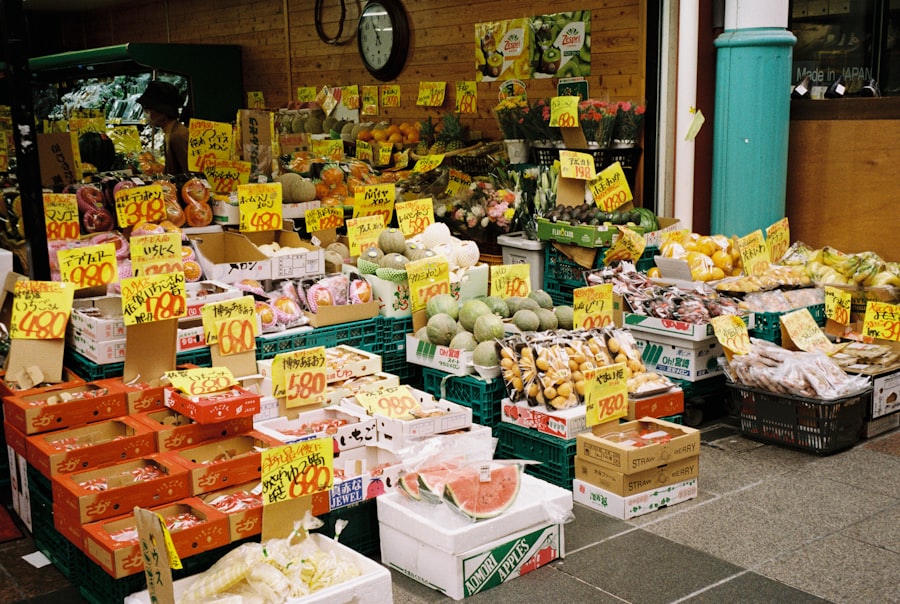
Sugar is one of the most significant culprits when it comes to hindering your progress on the keto diet. It’s not just the granulated sugar you might add to your coffee; it’s also found in countless packaged foods, sauces, and beverages. High-fructose corn syrup (HFCS) is another sweetener that has become ubiquitous in processed foods.
This ingredient is particularly concerning because it is often used in large quantities and has been linked to various health issues, including obesity and insulin resistance. As you navigate your keto journey, it’s crucial to be vigilant about sugar and HFCS in your food choices. To successfully maintain a state of ketosis, you’ll want to eliminate or significantly reduce your intake of sugar and HFCS.
This means carefully reading labels and being aware of hidden sources of sugar in items like salad dressings, sauces, and even seemingly healthy snacks. Instead of reaching for sugary treats or drinks, consider satisfying your sweet tooth with natural alternatives like berries or dark chocolate in moderation. By making these conscious choices, you can keep your carbohydrate intake low and support your overall health while enjoying the benefits of the keto diet.
Artificial Sweeteners
As you explore alternatives to sugar on the keto diet, you may come across artificial sweeteners. These sugar substitutes are often marketed as low-calorie options that can satisfy your sweet cravings without impacting your carbohydrate intake. However, not all artificial sweeteners are created equal, and some may have unintended consequences on your health and weight loss efforts.
For instance, certain sweeteners can trigger insulin responses or lead to cravings for more sugary foods, which can be counterproductive on a ketogenic diet. When considering artificial sweeteners, it’s essential to choose wisely. Stevia and erythritol are popular options among those following a keto lifestyle because they have minimal impact on blood sugar levels.
However, others like aspartame or sucralose may not be as beneficial for everyone. As you experiment with different sweeteners, pay attention to how your body responds and adjust accordingly. Ultimately, finding a balance that works for you will help you maintain your commitment to the keto diet while still enjoying occasional treats.
Trans Fats and Hydrogenated Oils
Trans fats are another category of unhealthy ingredients that you should be wary of while following a keto diet. These fats are created through a process called hydrogenation, which turns liquid oils into solid fats to improve shelf life and texture in processed foods. Unfortunately, trans fats have been linked to numerous health issues, including heart disease and inflammation.
As you strive for better health on the keto diet, it’s crucial to avoid trans fats whenever possible. Hydrogenated oils can often be found in margarine, baked goods, and many fried foods. When shopping for cooking oils or spreads, opt for healthier alternatives like olive oil or avocado oil that provide beneficial fats without the harmful effects associated with trans fats.
By making these conscious choices in your cooking and meal preparation, you can support your health while adhering to the principles of the keto diet.
Highly Processed Meats
Avoiding Processed Meats
While protein is an essential component of the keto diet, not all meat options are created equal. Highly processed meats such as hot dogs, deli meats, and sausages often contain additives like preservatives, fillers, and unhealthy fats that can undermine your health goals. These products may also be high in sodium and other preservatives that can lead to water retention and bloating—definitely not what you want while trying to achieve ketosis.
Opting for Whole Cuts of Meat
To ensure you’re getting quality protein sources on your keto journey, focus on whole cuts of meat such as grass-fed beef, free-range poultry, and wild-caught fish. These options not only provide essential nutrients but also support sustainable farming practices.
Meeting Your Dietary Goals
By prioritizing unprocessed meats over their highly processed counterparts, you’ll be better equipped to meet your dietary goals while enjoying delicious meals.
Refined Grains and White Flour
Refined grains and white flour are staples in many diets but have no place in a ketogenic lifestyle. These ingredients are stripped of their natural fiber and nutrients during processing, leading to rapid spikes in blood sugar levels when consumed. As someone following a keto diet, it’s crucial to eliminate these items from your meals to maintain stable energy levels and support fat-burning processes.
Instead of refined grains, consider incorporating low-carb alternatives such as almond flour or coconut flour into your baking and cooking endeavors. These options provide healthy fats and fiber while keeping carbohydrate counts low. By making this simple switch in your pantry staples, you’ll find it easier to create delicious meals that align with your keto goals without sacrificing flavor or satisfaction.
Packaged Snacks and Convenience Foods
In today’s fast-paced world, convenience foods and packaged snacks are often tempting options for quick meals or snacks on the go. However, many of these products are laden with unhealthy ingredients that can derail your progress on the keto diet. From chips loaded with unhealthy oils to granola bars packed with sugars and fillers, it’s essential to be discerning about what you’re putting into your body.
Instead of reaching for packaged snacks when hunger strikes, consider preparing simple snacks at home using whole ingredients. Options like cheese slices with olives or celery sticks with almond butter can provide satisfying nourishment without compromising your dietary goals. By planning ahead and having healthy snacks readily available, you’ll be less likely to succumb to the allure of convenience foods that may hinder your progress.
Preservatives and Additives
Preservatives and additives are commonly found in processed foods to extend shelf life or enhance flavor. While some preservatives are generally recognized as safe by regulatory agencies, others may have adverse effects on health when consumed regularly. As someone committed to a ketogenic lifestyle, it’s essential to minimize exposure to these substances by choosing whole foods whenever possible.
When shopping for packaged items, take the time to read ingredient labels carefully. Look for products with minimal ingredients—ideally those that you can recognize and pronounce easily. By opting for foods without unnecessary additives or preservatives, you’ll be taking an important step toward supporting your overall health while adhering to the principles of the keto diet.
Hidden Carbohydrates
One of the most significant challenges when following a keto diet is identifying hidden carbohydrates in various foods. Many seemingly healthy items contain unexpected carbs that can quickly add up and push you out of ketosis. For example, sauces, dressings, and even certain vegetables can contain higher carbohydrate counts than you might anticipate.
To navigate this challenge effectively, it’s crucial to become adept at reading nutrition labels and understanding serving sizes. Familiarize yourself with common sources of hidden carbohydrates so you can make informed choices when shopping or dining out. By being vigilant about hidden carbs in your food choices, you’ll be better equipped to maintain ketosis and achieve your health goals.
Making Informed Choices on the Keto Diet
As you embark on or continue your journey with the ketogenic diet, making informed choices about what you eat is paramount for success. By understanding the impact of processed foods—ranging from sugars and artificial sweeteners to unhealthy fats—you can create a sustainable eating plan that supports both weight loss and overall health. Prioritizing whole foods over processed options will not only help you maintain ketosis but also provide essential nutrients that nourish your body.
Ultimately, knowledge is power when it comes to navigating the complexities of the keto diet. By arming yourself with information about what constitutes healthy versus unhealthy food choices, you’ll be better prepared to make decisions that align with your goals. Embrace this journey as an opportunity for growth and learning about nutrition while enjoying delicious meals that support your well-being on every level.
FAQs
What are processed foods?
Processed foods are foods that have been altered from their natural state through methods such as canning, freezing, baking, and drying. They often contain added sugars, unhealthy fats, and high levels of sodium.
Why should processed foods be avoided on a keto diet?
Processed foods are typically high in carbohydrates, added sugars, and unhealthy fats, which can make it difficult to stay within the low-carb, high-fat parameters of a keto diet. Additionally, they often lack essential nutrients and fiber.
What are some examples of processed foods to avoid on a keto diet?
Examples of processed foods to avoid on a keto diet include sugary cereals, packaged snacks, processed meats (such as hot dogs and deli meats), sugary drinks, and pre-packaged meals.
How can I identify processed foods to avoid on a keto diet?
Reading nutrition labels can help identify processed foods to avoid on a keto diet. Look for high levels of added sugars, carbohydrates, and unhealthy fats. Additionally, ingredients lists can reveal the presence of artificial additives and preservatives.
What are some alternatives to processed foods on a keto diet?
Some alternatives to processed foods on a keto diet include whole, unprocessed foods such as lean meats, fish, eggs, low-carb vegetables, nuts, seeds, and healthy fats like avocados and olive oil. These foods provide essential nutrients and are naturally low in carbohydrates.





