Have you ever considered making a change to your eating habits, but felt overwhelmed by all the options available? If you’re curious about the keto diet and want a straightforward plan to get started, you’ve come to the right place. This guide is designed to break down the keto diet in easy-to-understand terms and set you up for success.
What Is the Keto Diet?
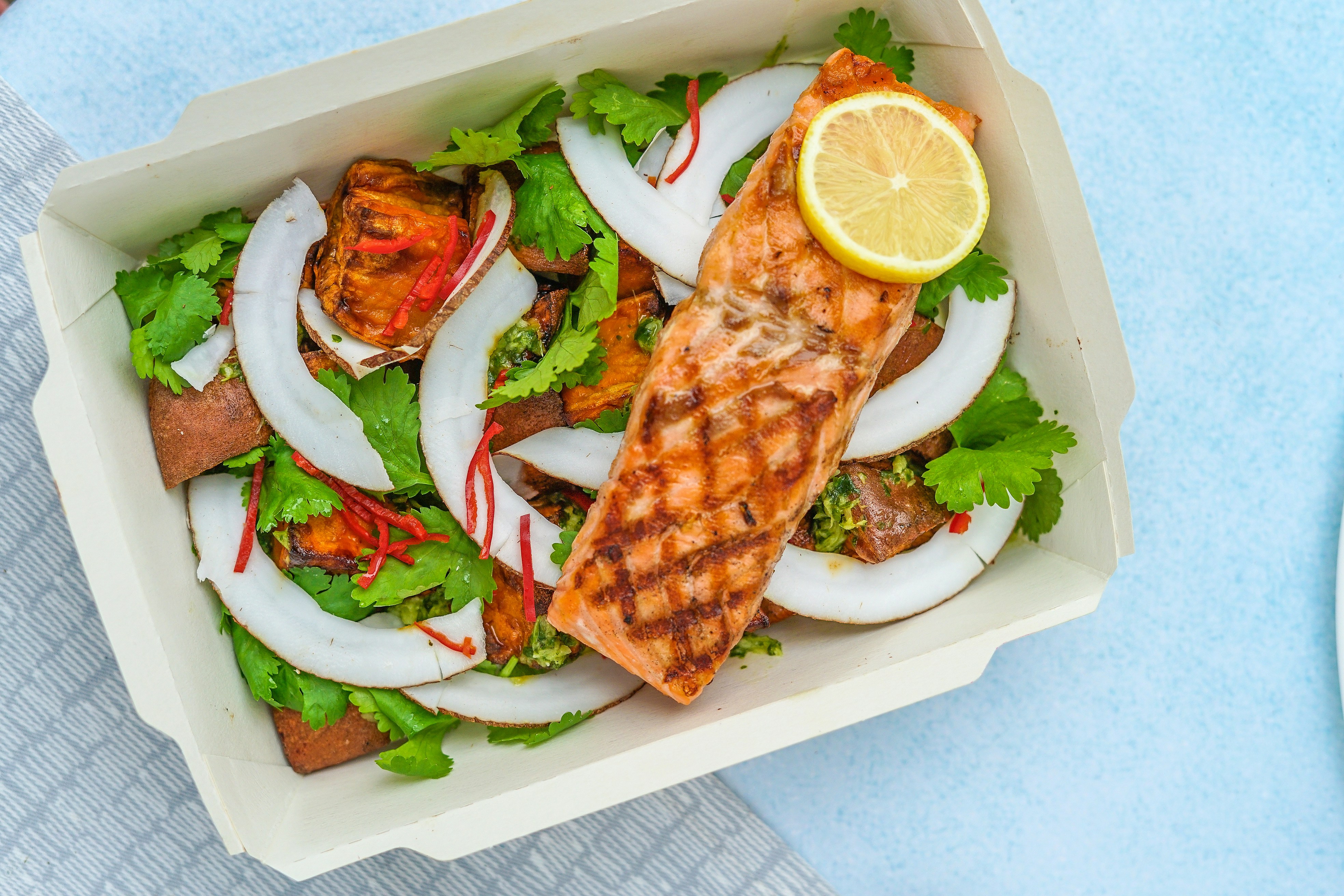
The keto diet, short for ketogenic diet, is a low-carb, high-fat eating plan. The idea is to drastically reduce carbohydrate intake and replace it with fat. This dietary shift puts your body into a metabolic state known as ketosis, where it becomes incredibly efficient at burning fat for energy. You’ll also find that your body produces ketones in the liver, which can supply energy for your brain.
Why Choose the Keto Diet?
There are several reasons why you might want to consider the keto diet. Many people turn to it for weight loss, as the reduction in carbohydrates can help control hunger, making it easier to consume fewer calories. Others adopt this diet as a way to improve certain health markers, like blood sugar and cholesterol levels.
Getting Started with Keto
Starting any new diet can be daunting. When it comes to the keto diet, it’s important to understand what to eat and what to avoid. Let’s break down the fundamentals.
Understanding Macronutrients
The keto diet is rooted in a specific macronutrient ratio. Here’s a simple breakdown:
| Macronutrient | Percentage of Daily Caloric Intake |
|---|---|
| Fat | 70-75% |
| Protein | 20-25% |
| Carbohydrates | 5-10% |
This means that the majority of your calories will come from fats, followed by protein, and only a small portion from carbohydrates.
Foods to Include
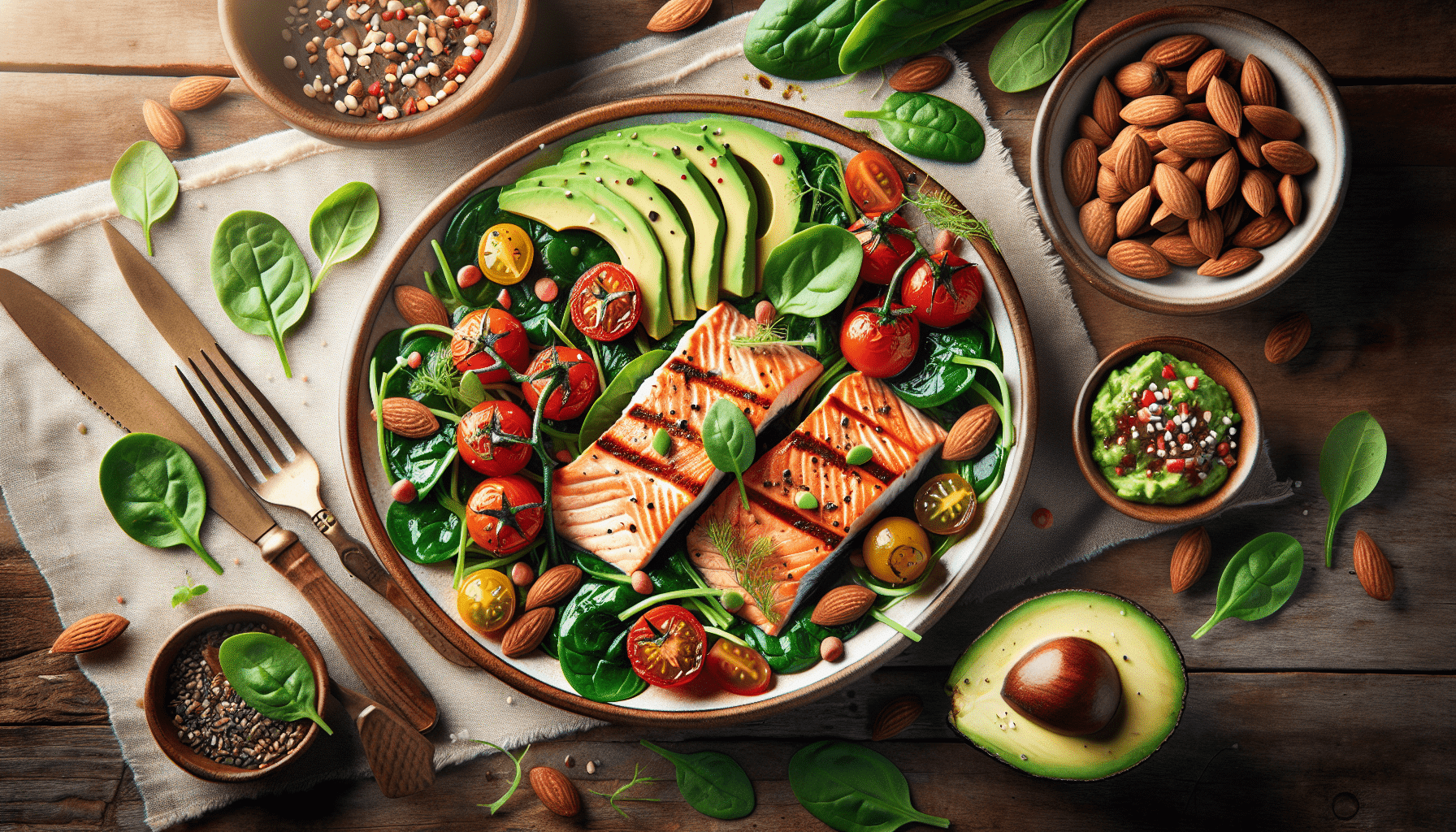
To successfully embark on the keto journey, you’ll want to include various foods that fit within these macronutrient guidelines. Some excellent choices consist of:
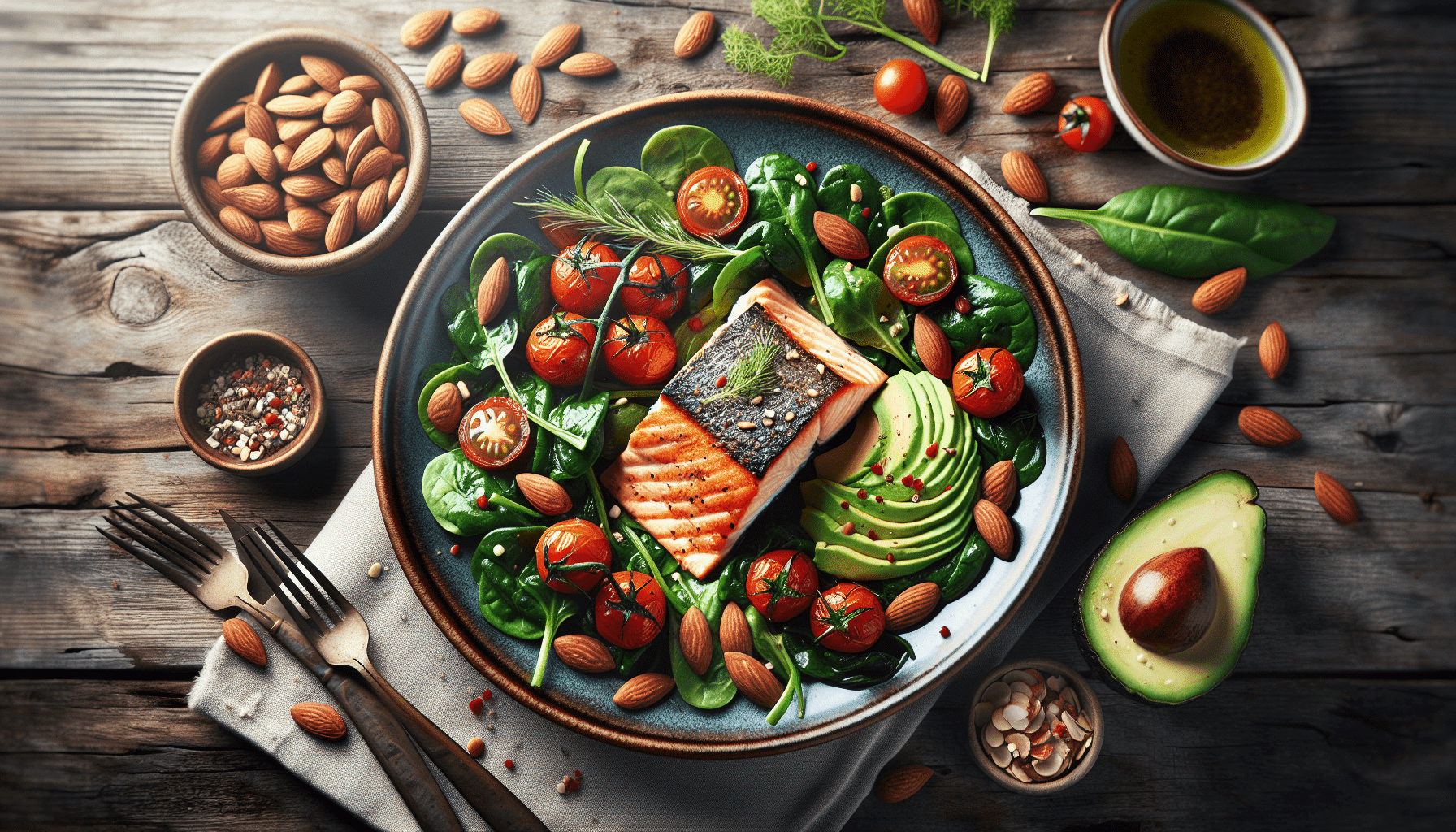
- Healthy Fats: Avocados, olive oil, coconut oil, butter, and nuts.
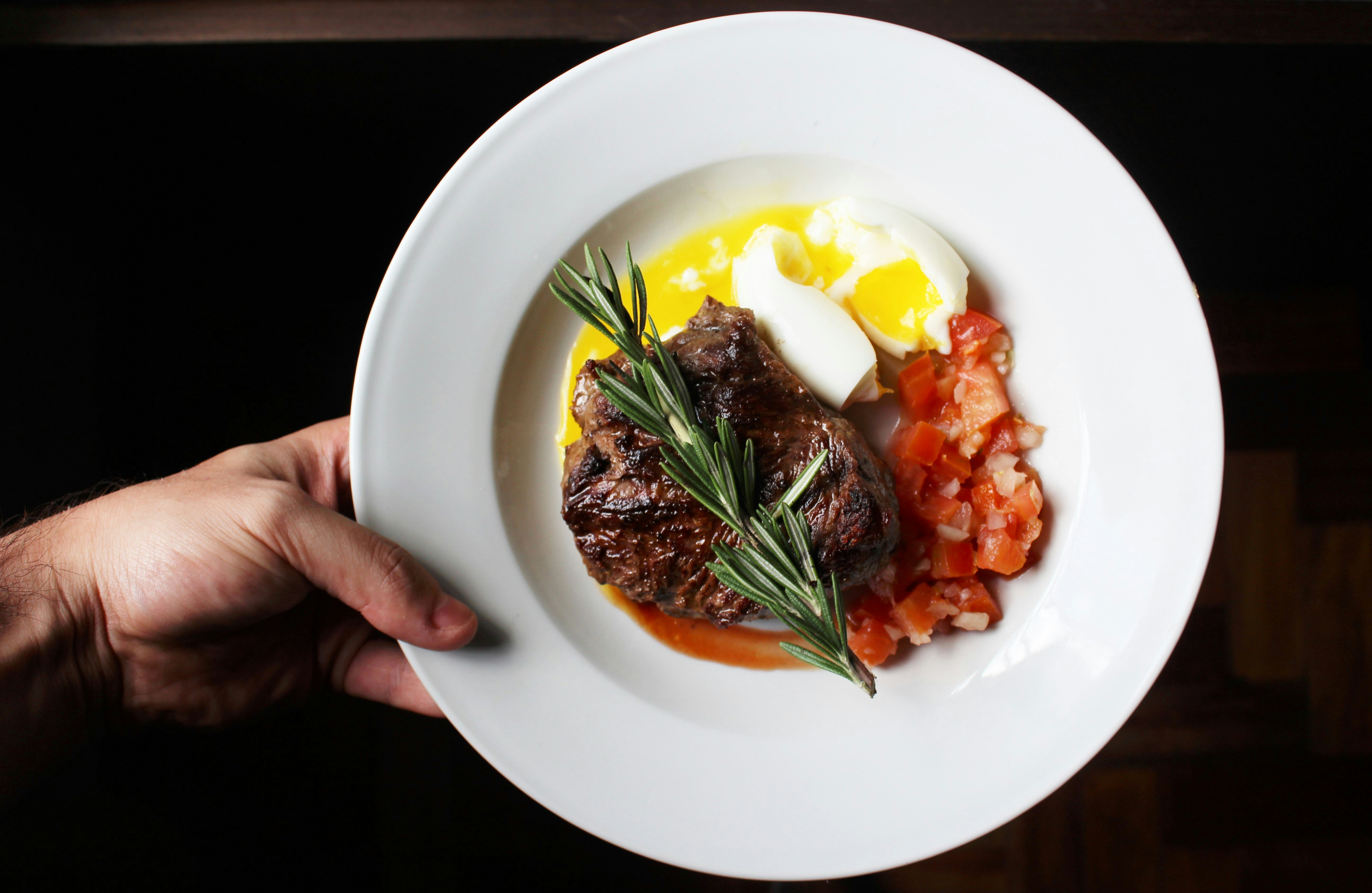
- Proteins: Grass-fed beef, poultry, fish, eggs, and plant-based protein sources like tofu.
- Low-Carb Vegetables: Leafy greens, broccoli, cauliflower, zucchini, and bell peppers.
- Dairy: Full-fat cheese, heavy cream, and unsweetened yogurt.
Foods to Avoid
Equally important is knowing which foods to avoid as you start your keto journey. Keep these foods off your plate:
- Sugars: Sodas, candy, baked goods, and fruit juices.
- Grains: Bread, pasta, rice, and most cereals.
- Starchy Vegetables: Potatoes, corn, and peas.
- Certain Fruits: Bananas, apples, oranges, and grapes are high in sugar.

Planning Your Meals
Meal planning might seem like a daunting task, but it can set you up for success on the keto diet. Here’s how you can get started.
Creating a Weekly Menu
Start by choosing a day each week to plan your meals. Decide on your breakfast, lunch, dinner, and snacks. Here’s a sample weekly menu:
| Day | Breakfast | Lunch | Dinner | Snack |
|---|---|---|---|---|
| Monday | Scrambled eggs with spinach | Chicken salad with avocado | Grilled salmon with asparagus | Cheese slices |
| Tuesday | Greek yogurt with nuts | Tuna salad lettuce wraps | Beef stir-fry with broccoli | Hard-boiled eggs |
| Wednesday | Keto pancakes | Zucchini noodles with pesto | Stuffed bell peppers | Celery with almond butter |
| Thursday | Omelet with cheese | Egg salad | Pork chops with green beans | Mixed nuts |
| Friday | Smoothie with spinach | Cauliflower fried rice | Shrimp with sautéed kale | Olives |
| Saturday | Bacon and eggs | Greek salad | Chicken with zucchini | Low-carb protein bars |
| Sunday | Frittata | Shrimp salad | Roast beef with Brussels sprouts | Chia seed pudding |
Shopping Tips
When grocery shopping, always stick to your list. Fill your cart with fresh produce, quality proteins, and healthy fats. It’s also helpful to browse the perimeter of the store, where whole foods are usually located. Lastly, reading labels can help you avoid hidden sugars and carbs.
Adjusting to Keto
As you dive into this new way of eating, your body might need some time to adjust. Understanding what to expect can make this transition smoother.
The Keto Flu
Many beginners experience what’s known as the “keto flu” as their body adapts to ketosis. This can include headaches, fatigue, irritability, and cravings. These symptoms usually last a few days to a week. Staying hydrated and ensuring you’re consuming enough electrolytes can help mitigate these effects.
Tips to Ease the Transition
- Stay Hydrated: Aim for at least 8 glasses of water daily.
- Increase Electrolytes: Add salt to your meals, and consider bone broth or supplements.
- Introduce Foods Gradually: If you find the change too sudden, try decreasing carb intake gradually.
Tracking Your Progress
Keeping track of your intake and progress can be a powerful tool. Here’s how you can do it.
Using Apps
Several free and paid apps can help you monitor your macronutrient intake and track your progress. Apps like MyFitnessPal or Carb Manager allow you to log your meals and keep an eye on your daily carb count.
Measuring Ketones
If you are interested, you can measure ketone levels to see if you have entered ketosis. Testing methods include blood ketone meters, breath analyzers, and urine strips. Each method has its own accuracy and costs associated with it.
Overcoming Challenges
Challenges are a natural part of starting any new diet. Knowing how to tackle them ahead of time can help you stay on track.
Cravings and Temptations
When you cut out high-carb foods, cravings can pop up. To combat this, have keto-friendly snacks on hand. Options include:
- Pork rinds
- Cheese sticks
- Hard-boiled eggs
- Nut butter packets
Dining Out
Dining out while on a keto diet can be tricky, but it’s not impossible. Here are some tips to keep in mind:
- Check Menus in Advance: Most restaurants have their menus online, so plan what you’ll order.
- Don’t Be Shy: Ask your server for modifications to your dish, such as swapping potatoes for extra vegetables.
Social Gatherings
Staying keto during social events can be challenging. Bring a keto dish to share so you have something you know fits your dietary needs. Also, remember that it’s okay to politely decline foods that do not align with your goals.
Long-Term Sustainability
As you embrace the keto diet, it’s essential to consider how to maintain these changes over time.
Finding Balance
While sticking to keto can yield fantastic results, it’s crucial to listen to your body. Some people discover that they can introduce more carbohydrates after reaching their goals without regaining weight. This is sometimes referred to as a “targeted ketogenic diet.”
Continuous Learning
Stay curious and informed about the keto lifestyle. Follow reliable sources, read books, or join online communities to share experiences and tips. The more you know, the better equipped you’ll be to overcome any hurdles.
Conclusion
Starting on the keto diet can be a transformative experience for many. By understanding the principles of this low-carb, high-fat diet, planning your meals, and preparing for challenges, you’re setting yourself up for success. Remember, consistency is key, and learning what works for you will enable you to thrive on this journey.
So, are you ready to take the plunge and give the keto diet a try? Your taste buds, health, and body will appreciate the effort!