
The Keto diet, short for ketogenic diet, is a high-fat, low-carbohydrate eating plan designed to shift your body’s metabolism from burning glucose to burning fat. By drastically reducing your carbohydrate intake and replacing it with fat, you enter a metabolic state known as ketosis. This approach not only helps in weight loss but also offers potential benefits for various health conditions, including epilepsy, type 2 diabetes, and even certain neurological disorders.
As you embark on this dietary journey, you may find that it challenges conventional eating habits, pushing you to rethink your relationship with food. At its core, the Keto diet encourages you to consume approximately 70-75% of your daily calories from fats, 20-25% from protein, and only about 5-10% from carbohydrates. This significant reduction in carbs forces your body to utilize fat as its primary energy source.
As you adapt to this new way of eating, you may experience a range of physical and mental changes, including increased energy levels and improved focus. However, transitioning to a Keto lifestyle requires careful planning and a willingness to explore new foods and recipes.
Key Takeaways
- The Keto Diet is a high-fat, low-carb diet that helps the body enter a state of ketosis, where it burns fat for fuel instead of carbohydrates.
- Ketosis is a metabolic state where the body produces ketones for energy, leading to increased fat burning and weight loss.
- Essential Keto Foods for Beginners include meat, fish, eggs, cheese, low-carb vegetables, and healthy fats like avocado and coconut oil.
- Keto-Friendly Protein Sources include chicken, turkey, beef, pork, and tofu, which are low in carbs and high in protein.
- Best Low-Carb Vegetables for the Keto Diet include spinach, broccoli, cauliflower, and zucchini, which are high in nutrients and low in carbs.
Understanding Ketosis
What is Ketosis?
Ketosis is a natural metabolic state that occurs when your body lacks sufficient carbohydrates to use for energy. In this state, your liver converts fatty acids into ketones, which serve as an alternative fuel source for your brain and body.
Benefits of Ketosis
This process not only helps in burning stored fat but also stabilizes blood sugar levels, making it an appealing option for those looking to manage their weight or improve their overall health.
Entering Ketosis: What to Expect
Achieving ketosis typically takes anywhere from a few days to a week, depending on various factors such as your previous diet, activity level, and individual metabolism. During this transition period, you may experience symptoms commonly referred to as the “keto flu,” which can include fatigue, headaches, and irritability. However, these symptoms are usually temporary and can be alleviated by staying hydrated and ensuring you’re consuming enough electrolytes. Once you successfully enter ketosis, many people report feeling more energetic and mentally clear, making the initial challenges worthwhile.
Essential Keto Foods for Beginners
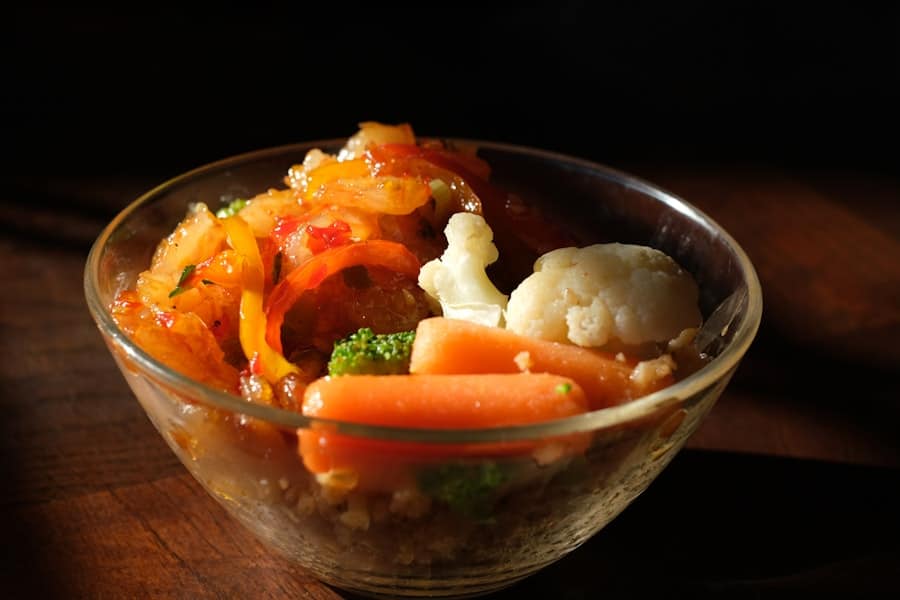
As you begin your Keto journey, stocking your pantry with the right foods is crucial for success. Focus on whole, unprocessed foods that align with the macronutrient ratios of the diet. Start by incorporating healthy fats such as avocados, olive oil, and coconut oil into your meals.
These fats not only provide essential nutrients but also help keep you satiated throughout the day. Additionally, consider adding nuts and seeds to your diet for a crunchy snack that’s both nutritious and satisfying. Protein sources are also vital in a Keto diet.
Opt for high-quality meats like grass-fed beef, free-range chicken, and fatty fish such as salmon or mackerel. Eggs are another excellent choice due to their versatility and nutrient density. When it comes to dairy products, full-fat options like cheese and Greek yogurt can be included in moderation.
By focusing on these essential foods, you’ll create a solid foundation for your Keto lifestyle while enjoying a variety of delicious meals.
Keto-Friendly Protein Sources
When following a Keto diet, selecting the right protein sources is essential for maintaining muscle mass while keeping your carbohydrate intake low. Animal-based proteins are typically favored due to their low carb content and high nutritional value. Lean meats such as chicken breast and turkey are great options; however, don’t shy away from fattier cuts like pork belly or ribeye steak.
These cuts not only provide more flavor but also contribute to your overall fat intake. In addition to meat, fish is an excellent protein source that fits perfectly within the Keto framework. Fatty fish like salmon, sardines, and trout are rich in omega-3 fatty acids, which offer numerous health benefits beyond just protein content.
If you prefer plant-based options, consider incorporating tofu or tempeh into your meals; however, be mindful of their carbohydrate content. By diversifying your protein sources, you’ll ensure that your body receives all the essential amino acids it needs while adhering to the principles of the Keto diet.
Best Low-Carb Vegetables for the Keto Diet
While many vegetables are packed with nutrients, not all are suitable for a Keto diet due to their carbohydrate content. When selecting vegetables for your meals, focus on non-starchy options that are low in carbs but high in fiber and vitamins. Leafy greens such as spinach, kale, and arugula are excellent choices that can be used in salads or sautéed as side dishes.
These greens are not only low in calories but also provide essential nutrients that support overall health. Other great low-carb vegetables include broccoli, cauliflower, zucchini, and bell peppers. Cauliflower is particularly versatile; it can be transformed into rice or mashed potatoes as a substitute for higher-carb options.
Additionally, incorporating mushrooms can add depth of flavor to your dishes while keeping carb counts low. By filling your plate with these colorful vegetables, you’ll enhance your meals while staying within the guidelines of the Keto diet.
Healthy Fats to Include in a Keto Diet
Healthy fats are the cornerstone of the Keto diet and play a crucial role in achieving and maintaining ketosis. When choosing fats for your meals, prioritize sources that provide both flavor and nutritional benefits. Avocados are an excellent choice; they are rich in monounsaturated fats and packed with fiber, making them a perfect addition to salads or smoothies.
Olive oil is another staple that can be used for cooking or drizzling over dishes for added richness. Coconut oil is particularly popular among those following a Keto lifestyle due to its medium-chain triglycerides (MCTs), which can be quickly converted into ketones by the liver. Incorporating nuts and seeds like almonds, walnuts, and chia seeds can also provide healthy fats along with additional protein and fiber.
By focusing on these healthy fats, you’ll not only enhance the flavor of your meals but also support your body’s transition into ketosis.
Top Keto-Friendly Snacks
Finding satisfying snacks while on a Keto diet can be challenging but is essential for maintaining energy levels throughout the day. Fortunately, there are plenty of delicious options that align with your dietary goals. One popular choice is cheese; whether it’s string cheese or cheese crisps, these snacks provide a good source of fat and protein without excessive carbs.
Pairing cheese with olives or pickles can create a savory snack that keeps cravings at bay. Nuts and seeds are another fantastic option for snacking on the go. They are nutrient-dense and provide healthy fats that help keep you full between meals.
Just be cautious with portion sizes since they can be calorie-dense. Additionally, consider making homemade keto-friendly snacks like fat bombs—small bites made from ingredients like coconut oil or nut butter mixed with cocoa powder or sweeteners like erythritol. These treats can satisfy your sweet tooth while keeping you within your carb limits.
Beverages to Enjoy on the Keto Diet
Staying hydrated is crucial on any diet, but especially on the Keto diet where electrolyte balance can be affected by reduced carbohydrate intake. Water should always be your go-to beverage; however, there are other options that can add variety to your hydration routine without derailing your dietary goals. Unsweetened tea—whether it’s black, green, or herbal—can be enjoyed hot or iced and provides antioxidants without added sugars.
Coffee is another popular beverage among those following a Keto lifestyle. You can enjoy it black or enhance it with heavy cream or coconut oil for a creamy treat known as “bulletproof coffee.” Additionally, sparkling water flavored with natural essences can be a refreshing alternative to sugary sodas while keeping carb counts low. By choosing these beverages wisely, you’ll stay hydrated while enjoying flavorful options that complement your Keto journey.
Common Mistakes to Avoid on a Keto Diet
As you navigate the complexities of the Keto diet, being aware of common pitfalls can help set you up for success. One frequent mistake is underestimating carbohydrate intake; even small amounts from hidden sources can add up quickly and hinder your progress toward ketosis. It’s essential to read labels carefully and track what you eat to ensure you stay within your carb limits.
Another common error is neglecting electrolytes during the transition phase into ketosis. As your body adapts to burning fat for fuel, it may excrete more water and electrolytes like sodium and potassium. Failing to replenish these can lead to symptoms of fatigue or muscle cramps often associated with the “keto flu.” To avoid this issue, make sure to consume foods rich in electrolytes or consider supplementation if necessary.
How to Meal Prep for a Keto Diet
Meal prepping is an effective strategy for staying on track with your Keto diet amidst a busy lifestyle. By dedicating time each week to plan and prepare meals in advance, you’ll eliminate the temptation of reaching for high-carb convenience foods when hunger strikes. Start by selecting recipes that align with your dietary goals; focus on dishes that incorporate healthy fats and low-carb ingredients.
Once you have your recipes in mind, create a shopping list based on what you need for the week ahead. When preparing meals, consider batch cooking proteins like chicken or beef that can be used in multiple dishes throughout the week. Additionally, pre-chop vegetables or prepare snacks in portioned containers to make healthy choices more accessible during busy days.
With proper meal prep techniques in place, you’ll find it easier to stick to your Keto lifestyle without feeling deprived.
Tips for Dining Out on a Keto Diet
Dining out while following a Keto diet doesn’t have to be daunting; with some strategic planning and communication with restaurant staff, you can enjoy meals without compromising your dietary goals. Start by researching restaurants that offer keto-friendly options or cuisines known for their low-carb dishes—think steakhouses or seafood restaurants where protein takes center stage. When ordering at a restaurant, don’t hesitate to customize your meal by requesting substitutions or modifications.
For instance, ask for extra vegetables instead of bread or rice as sides or request sauces on the side to control added sugars. Additionally, many restaurants are accommodating when it comes to dietary preferences; simply inform your server about your dietary restrictions so they can guide you toward suitable options on the menu. By being proactive and informed about your choices when dining out, you can enjoy social occasions without straying from your Keto path.
FAQs
What is the keto diet?
The keto diet is a high-fat, low-carbohydrate diet that has been shown to help with weight loss and improve certain health conditions. It involves drastically reducing carbohydrate intake and replacing it with fat, forcing the body into a state of ketosis.
What are keto foods?
Keto foods are those that are low in carbohydrates and high in fat. This includes foods such as meat, fish, eggs, dairy, nuts, seeds, and low-carb vegetables. These foods are the foundation of the keto diet and are used to help the body reach and maintain ketosis.
What are some examples of keto foods?
Examples of keto foods include avocados, olive oil, coconut oil, butter, fatty cuts of meat, fatty fish, eggs, cheese, nuts, seeds, and low-carb vegetables such as spinach, broccoli, and cauliflower.
What foods should be avoided on a keto diet?
Foods that are high in carbohydrates should be avoided on a keto diet. This includes sugary foods, grains, fruits, starchy vegetables, and anything with added sugars. Processed foods and trans fats should also be limited or avoided.
Are there any potential health risks associated with a keto diet?
Some potential health risks associated with a keto diet include nutrient deficiencies, constipation, and an increased risk of heart disease if the diet is high in unhealthy fats. It’s important to consult with a healthcare professional before starting a keto diet, especially for those with existing health conditions.





