A Keto meal plan is a structured dietary approach that emphasizes high-fat, moderate-protein, and very low-carbohydrate intake. The primary goal of this plan is to shift your body into a state of ketosis, where it becomes efficient at burning fat for energy instead of carbohydrates. By drastically reducing your carbohydrate consumption and replacing it with fat, you encourage your body to utilize fat stores as its main energy source.
This shift can lead to various health benefits, including weight loss and improved mental clarity. When you embark on a Keto meal plan, you will typically consume around 70-75% of your daily calories from fats, 20-25% from proteins, and only about 5-10% from carbohydrates. This macronutrient distribution is quite different from the standard dietary recommendations that often emphasize carbohydrates as a primary energy source.
As you navigate through this meal plan, you will find that it requires careful planning and consideration of the foods you choose to include in your diet.
Key Takeaways
- A keto meal plan is a structured eating plan that focuses on high-fat, low-carb foods to achieve ketosis.
- Following a keto meal plan can lead to weight loss, improved energy levels, and better blood sugar control.
- To get started with a keto meal plan, calculate your macronutrient needs, plan your meals in advance, and stock up on keto-friendly foods.
- Understanding the basics of a keto diet involves knowing which foods to eat (such as meat, fish, eggs, and non-starchy vegetables) and which to avoid (such as grains, sugars, and most fruits).
- When starting a keto meal plan, expect to experience initial side effects like the “keto flu” as your body adjusts to using fat for fuel instead of carbs.
Benefits of Following a Keto Meal Plan
One of the most significant benefits of following a Keto meal plan is weight loss. Many individuals experience rapid weight loss in the initial stages due to the depletion of glycogen stores and water weight. As your body adapts to burning fat for fuel, you may find that you lose weight more consistently over time.
Additionally, the high-fat content of the diet can help you feel fuller for longer periods, reducing the likelihood of snacking or overeating. Beyond weight loss, a Keto meal plan can also lead to improved mental clarity and focus. Many people report experiencing enhanced cognitive function when in ketosis, as the brain can utilize ketones—produced from fat—as an efficient energy source.
Furthermore, some studies suggest that a ketogenic diet may have therapeutic benefits for certain neurological disorders, such as epilepsy. This combination of physical and mental benefits makes the Keto meal plan an appealing option for many seeking to improve their overall health.
How to Get Started with a Keto Meal Plan

Getting started with a Keto meal plan involves several key steps that can set you up for success. First, it’s essential to educate yourself about the macronutrient ratios and food choices that align with the ketogenic lifestyle. Familiarize yourself with foods that are high in healthy fats, such as avocados, nuts, seeds, and olive oil, while also learning to avoid high-carb foods like bread, pasta, and sugary snacks.
Next, consider creating a meal plan for the week ahead. Planning your meals in advance can help you stay on track and avoid the temptation of reaching for non-keto-friendly options when hunger strikes. You might find it helpful to prepare meals in bulk or batch-cook certain items so that you always have keto-friendly options readily available.
This preparation can significantly ease the transition into a ketogenic lifestyle.
Understanding the Basics of a Keto Diet
At its core, a Keto diet revolves around the principle of ketosis—a metabolic state where your body burns fat for fuel instead of carbohydrates. To achieve this state, you must significantly reduce your carbohydrate intake while increasing your fat consumption. This process typically takes several days to weeks as your body adapts to using fat as its primary energy source.
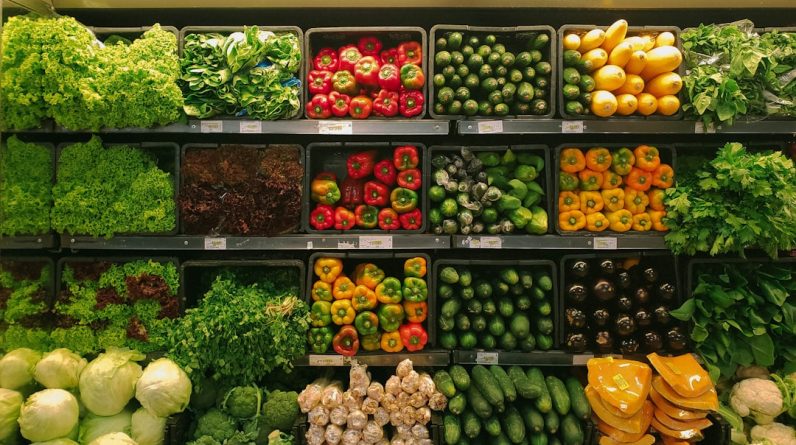
Understanding the types of foods that fit into a Keto diet is crucial for success. Focus on incorporating healthy fats like coconut oil, butter, and fatty fish into your meals while ensuring you consume adequate protein from sources like meat, eggs, and dairy. Non-starchy vegetables such as leafy greens, broccoli, and zucchini are also essential components of a Keto meal plan, providing necessary nutrients without adding excessive carbohydrates.
What to Expect from a Keto Meal Plan
As you begin your journey with a Keto meal plan, it’s important to set realistic expectations. In the initial phase, many people experience what is commonly referred to as the “keto flu.” This temporary condition can include symptoms such as fatigue, headaches, and irritability as your body adjusts to burning fat instead of carbohydrates. However, these symptoms typically subside within a few days to a week.
Once your body adapts to ketosis, you may notice increased energy levels and improved mental clarity. Many individuals report feeling more focused and alert after transitioning into this metabolic state. Additionally, weight loss may become more pronounced as your body begins to efficiently utilize stored fat for energy.
It’s essential to remain patient during this process and give your body time to adjust.
Tips for Success with a Keto Meal Plan

Hydration is Key
Drinking plenty of water is crucial as it helps flush out toxins and supports overall bodily functions. Staying hydrated is essential to reap the benefits of a ketogenic diet.
Electrolyte Balance and Hunger Cues
Additionally, electrolyte balance is vital on a ketogenic diet. Consider supplementing with magnesium, potassium, and sodium to prevent imbalances that can lead to fatigue or muscle cramps. Another key tip is to listen to your body’s hunger cues. Eat when you’re hungry and stop when you’re satisfied, as this intuitive approach can help prevent feelings of deprivation and make the diet more sustainable in the long run.
Variety is the Spice of Life
Lastly, don’t hesitate to experiment with different recipes and food combinations. Variety can keep your meals exciting and enjoyable, making it easier to stick to your Keto meal plan.
Sample Keto Meal Plan for a Week
Creating a sample Keto meal plan can provide you with inspiration as you embark on this dietary journey. For breakfast throughout the week, consider options like scrambled eggs cooked in butter with spinach or avocado slices topped with smoked salmon. For lunch, salads featuring grilled chicken or tuna mixed with olive oil-based dressings can be both satisfying and nutritious.
Dinner could include dishes such as zucchini noodles topped with creamy Alfredo sauce or baked salmon served with asparagus sautéed in garlic butter. Snacks can be simple yet effective—think cheese sticks, nuts, or celery sticks paired with almond butter. By planning out your meals in advance, you can ensure that you remain within your macronutrient goals while enjoying delicious food.
Incorporating Exercise into Your Keto Meal Plan
While following a Keto meal plan primarily focuses on dietary changes, incorporating exercise into your routine can enhance your results significantly. Engaging in regular physical activity not only supports weight loss but also improves overall health and well-being. Consider activities that you enjoy—whether it’s walking, cycling, or strength training—to make exercise a sustainable part of your lifestyle.
When exercising on a ketogenic diet, it’s essential to listen to your body and adjust your workout intensity accordingly. Some individuals may find they have less energy during high-intensity workouts initially; however, as your body adapts to ketosis, you may experience improved endurance and performance over time. Combining exercise with your Keto meal plan can lead to even greater health benefits.
Tracking Your Progress with a Keto Meal Plan
Tracking your progress is an essential aspect of any dietary change, including a Keto meal plan. Keeping a food journal can help you monitor your macronutrient intake and ensure that you’re staying within your desired ratios. Additionally, tracking how you feel physically and mentally can provide valuable insights into how well the diet is working for you.
Consider using apps or online tools designed specifically for tracking ketogenic diets; these resources can simplify the process and help you stay accountable. Regularly assessing your progress—whether through measurements, photos, or weight—can motivate you to continue on your journey and make necessary adjustments along the way.
Common Mistakes to Avoid with a Keto Meal Plan
As you navigate through your Keto meal plan, be aware of common pitfalls that could hinder your success. One frequent mistake is underestimating carbohydrate intake; hidden carbs can lurk in sauces or processed foods that may seem keto-friendly at first glance. Always read labels carefully and be mindful of portion sizes.
Another common error is neglecting nutrient diversity; while focusing on fats is crucial for ketosis, it’s equally important to ensure you’re getting enough vitamins and minerals from non-starchy vegetables and other sources. Lastly, don’t forget about hydration—failing to drink enough water can lead to fatigue and other unwanted side effects.
Resources for Finding and Downloading Keto Meal Plan PDFs
To support your journey on a Keto meal plan, numerous resources are available online that offer downloadable meal plans in PDF format. Websites dedicated to ketogenic diets often provide free templates that outline meals for various durations—ranging from one week to an entire month—making it easier for you to stay organized. Additionally, consider joining online communities or forums where fellow keto enthusiasts share their experiences and resources.
These platforms can be invaluable for finding new recipes or tips tailored specifically for those following a ketogenic lifestyle. By leveraging these resources, you can enhance your understanding of the diet while enjoying delicious meals along the way. In conclusion, embarking on a Keto meal plan can be an exciting journey toward improved health and well-being.
By understanding the fundamentals of this dietary approach and implementing practical strategies for success, you can navigate this lifestyle change with confidence and ease. Whether you’re seeking weight loss or enhanced mental clarity, the benefits of following a well-structured Keto meal plan are within reach.
FAQs
What is a Keto Meal Plan?
A Keto meal plan is a structured eating plan that focuses on consuming low-carb, high-fat foods to achieve a state of ketosis, where the body burns fat for fuel instead of carbohydrates.
What are the benefits of following a Keto Meal Plan?
Following a Keto meal plan can lead to weight loss, improved blood sugar control, increased energy levels, and reduced cravings for unhealthy foods.
Where can I download a Keto Meal Plan PDF?
You can download a Keto meal plan PDF from various sources such as reputable health and wellness websites, nutrition blogs, and online platforms that specialize in ketogenic diet resources.
Is it safe to follow a Keto Meal Plan?
For most people, following a Keto meal plan is safe and can have numerous health benefits. However, it’s important to consult with a healthcare professional before starting any new diet plan, especially if you have any underlying health conditions.
What types of foods are typically included in a Keto Meal Plan?
A Keto meal plan typically includes foods such as meat, fish, eggs, high-fat dairy products, nuts, seeds, low-carb vegetables, and healthy fats like avocado and olive oil. It excludes high-carb foods like grains, starchy vegetables, and sugary treats.