
The ketogenic diet, commonly referred to as the keto diet, is a low-carbohydrate, high-fat eating plan that has gained immense popularity in recent years. At its core, the keto diet aims to shift your body’s metabolism from relying on carbohydrates for energy to utilizing fats instead. This metabolic state is known as ketosis, where your body becomes highly efficient at burning fat for fuel.
By drastically reducing your carbohydrate intake and replacing it with healthy fats, you can encourage your body to enter this state, leading to potential weight loss and improved energy levels. As you embark on your keto journey, it’s essential to understand the macronutrient breakdown that defines this diet. Typically, a standard keto diet consists of approximately 70-75% fats, 20-25% protein, and only about 5-10% carbohydrates.
This means that you will need to be mindful of the foods you choose to consume. Foods rich in healthy fats, such as avocados, nuts, seeds, and olive oil, will become staples in your diet. Meanwhile, you’ll need to limit or eliminate high-carb foods like bread, pasta, and sugary snacks.
Understanding these principles will help you make informed choices as you transition into this new way of eating.
Key Takeaways
- The keto diet is a high-fat, low-carb eating plan that aims to put the body into a state of ketosis, where it burns fat for fuel instead of carbohydrates.
- Stock your kitchen with keto-friendly foods like avocados, nuts, seeds, and low-carb vegetables to set yourself up for success on the keto diet.
- Plan your meals and snacks ahead of time to ensure you have keto-friendly options readily available and avoid falling off track.
- Be prepared for potential side effects like the keto flu, which can include symptoms like fatigue, headaches, and irritability, as your body adjusts to the diet.
- Stay hydrated and maintain electrolyte balance by drinking plenty of water and consuming foods rich in potassium, magnesium, and sodium while on the keto diet.
Preparing Your Kitchen for Keto Success:
To set yourself up for success on the keto diet, it’s crucial to prepare your kitchen in a way that supports your new eating habits. Start by decluttering your pantry and refrigerator of any high-carb foods that may tempt you. This includes items like sugary cereals, bread, pasta, and snacks that are not aligned with your keto goals.
By removing these items from your environment, you reduce the likelihood of making impulsive choices that could derail your progress. Next, stock your kitchen with keto-friendly ingredients that will make meal preparation easier and more enjoyable. Fill your pantry with healthy fats such as coconut oil, olive oil, and ghee.
Additionally, consider investing in quality protein sources such as grass-fed meats, eggs, and fatty fish. Having these ingredients readily available will not only simplify meal planning but also inspire you to experiment with new recipes that align with your dietary goals.
Planning Your Meals and Snacks:

Meal planning is a vital component of successfully adhering to the keto diet. By taking the time to plan your meals and snacks in advance, you can ensure that you have a variety of delicious options at your fingertips while avoiding the temptation of high-carb foods. Start by creating a weekly meal plan that includes breakfast, lunch, dinner, and snacks.
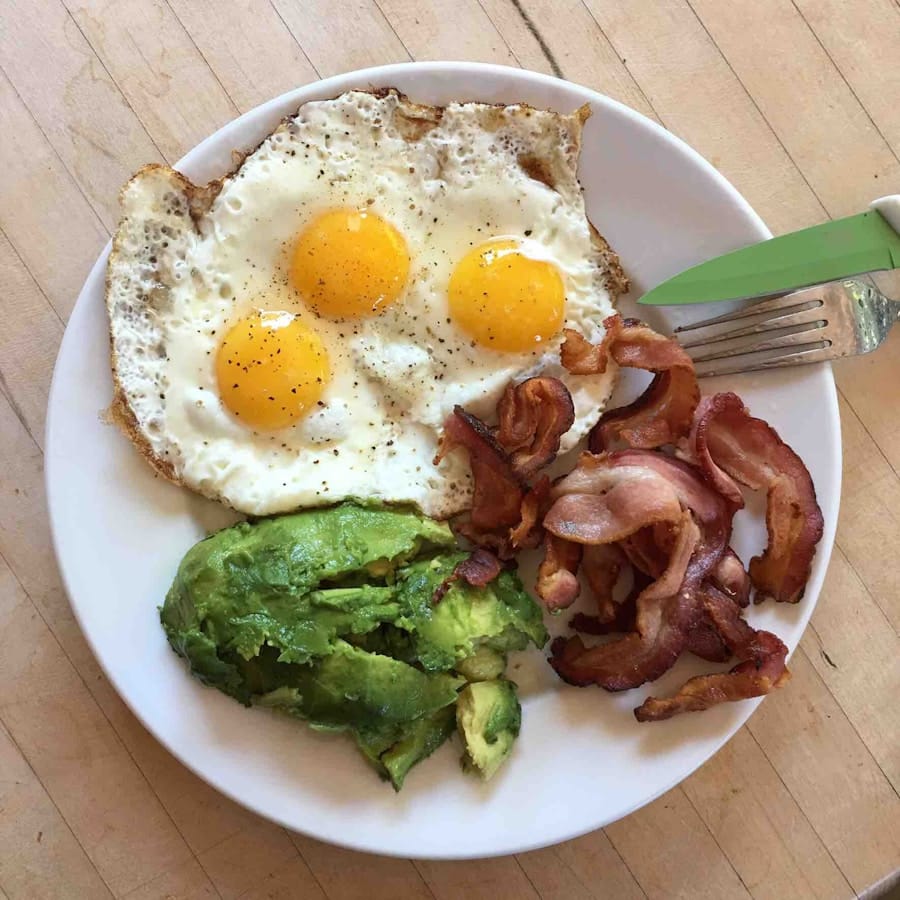
This will help you stay organized and focused on your dietary goals. When planning your meals, consider incorporating a mix of proteins, healthy fats, and low-carb vegetables to create balanced dishes. For breakfast, you might enjoy scrambled eggs cooked in butter with sautéed spinach and avocado on the side.
For lunch, a salad topped with grilled chicken, olive oil dressing, and a sprinkle of nuts can be both satisfying and nutritious. Don’t forget about snacks; options like cheese sticks, hard-boiled eggs, or a handful of almonds can keep you fueled throughout the day without compromising your carb limits.
Managing Keto Flu and Side Effects:
As you transition into the keto diet, it’s common to experience what is often referred to as the “keto flu.” This term describes a collection of symptoms that some individuals may encounter during the initial phase of ketosis. These symptoms can include fatigue, headaches, irritability, and digestive issues as your body adapts to burning fat for fuel instead of carbohydrates. Understanding this phenomenon can help you navigate through it more effectively.
To manage the keto flu, it’s essential to listen to your body and give it time to adjust. Ensuring that you are consuming enough electrolytes—such as sodium, potassium, and magnesium—can help alleviate some of these symptoms. Incorporating bone broth into your diet or adding salt to your meals can provide necessary minerals that may be lacking during this transition.
Additionally, staying hydrated is crucial; drinking plenty of water can help flush out toxins and support overall well-being as your body adapts to its new energy source.
Staying Hydrated and Electrolyte Balance:
Hydration plays a pivotal role in successfully navigating the keto diet. As your body shifts into ketosis, it tends to excrete more water and electrolytes than usual. This increased fluid loss can lead to dehydration if not properly managed.
Therefore, it’s essential to prioritize hydration by drinking plenty of water throughout the day. Aim for at least eight glasses or more if you’re active or live in a hot climate. In addition to water intake, maintaining a proper balance of electrolytes is vital for overall health while on the keto diet.
Low-carb diets can lead to a decrease in insulin levels, which causes your kidneys to excrete excess sodium. To counteract this effect, consider incorporating foods rich in potassium—such as leafy greens and avocados—into your meals. You might also want to supplement with magnesium or consume electrolyte drinks designed for those following a ketogenic lifestyle.
By staying hydrated and ensuring adequate electrolyte levels, you can minimize potential side effects and enhance your overall experience on the keto diet.
Incorporating Exercise into Your Keto Transition:
While dietary changes are crucial for success on the keto diet, incorporating regular exercise can further enhance your results and overall well-being. As you transition into ketosis, you may find that your energy levels fluctuate initially; however, many individuals report increased stamina and improved performance once they adapt fully to burning fat for fuel. Finding an exercise routine that works for you is essential during this period.
Consider starting with moderate-intensity workouts such as walking, cycling, or swimming as your body adjusts to its new energy source. As you become more comfortable with the keto diet and experience increased energy levels, you can gradually incorporate higher-intensity workouts or strength training into your routine. Not only will exercise help support weight loss goals but it can also improve mood and mental clarity—benefits that are particularly valuable during the initial stages of dietary change.
Tracking Your Progress and Adjusting as Needed:
Tracking your progress on the keto diet is an effective way to stay motivated and ensure that you are meeting your goals. Consider keeping a food journal where you log what you eat each day along with any physical changes or feelings you experience throughout the process. This practice can help you identify patterns in your eating habits and make necessary adjustments if needed.
In addition to tracking food intake, monitoring other aspects of your health—such as weight loss or changes in body measurements—can provide valuable insights into how well the diet is working for you. If you find that you’re not achieving the results you desire after several weeks on the keto diet, it may be time to reassess your macronutrient ratios or meal choices. Remember that everyone’s body responds differently; what works for one person may not work for another.
Being open to adjustments will help you find the best approach for your unique needs.
Seeking Support and Accountability:
Embarking on a new dietary journey can be challenging at times; therefore, seeking support from others can significantly enhance your experience on the keto diet. Whether it’s joining an online community or finding a local support group focused on low-carb eating, connecting with like-minded individuals can provide encouragement and motivation when faced with obstacles. Additionally, consider enlisting an accountability partner—someone who shares similar health goals or is also following the keto diet.
Remember that having a support system can make all the difference in maintaining motivation and achieving long-term success on your keto journey.
FAQs
What is the keto diet?
The keto diet is a high-fat, low-carbohydrate eating plan that has been shown to help with weight loss and improve certain health conditions.
What are the benefits of transitioning to a keto diet?
Transitioning to a keto diet can lead to weight loss, improved blood sugar control, increased energy levels, and reduced inflammation in the body.
What are some tips for a smooth start when transitioning to a keto diet?
Some tips for a smooth start when transitioning to a keto diet include gradually reducing carbohydrate intake, staying hydrated, increasing fat intake, and planning meals in advance.
Are there any potential side effects of transitioning to a keto diet?
Some potential side effects of transitioning to a keto diet include the “keto flu,” which can cause fatigue, headaches, and irritability, as well as constipation and bad breath.
How long does it take to transition to a keto diet?
The time it takes to transition to a keto diet can vary from person to person, but it generally takes a few days to a week for the body to enter a state of ketosis, where it starts burning fat for fuel instead of carbohydrates.





