Have you ever considered adopting a diet that can help you shed pounds while still enjoying delicious food? The ketogenic diet, or keto for short, could be just what you’re looking for. This low-carb, high-fat eating plan is known for its effectiveness in promoting weight loss and improving overall health. In this ultimate guide, you’ll uncover everything you need to know about a keto diet chart, including what to eat, what to avoid, and how to ensure you’re on the right track.
What is the Keto Diet?
The ketogenic diet is more than just a weight loss fad; it’s a lifestyle change that emphasizes the consumption of healthy fats while minimizing carbs. By doing this, your body enters a metabolic state called ketosis, where it becomes efficient at burning fat for fuel instead of relying on carbohydrates. This process can lead to significant weight loss and improved energy levels.
How Does Ketosis Work?
In a typical diet, carbohydrates are the primary source of energy. However, when you drastically reduce your carbohydrate intake, your body has to find another energy source. During ketosis, your liver converts fats into ketones, which become your body’s new energy currency. This transition can result in burning stored fat, leading to weight loss.
The Importance of a Keto Diet Chart
A keto diet chart acts as your roadmap to successful dieting. It helps you know exactly what foods to eat, how much to eat, and what to avoid. Having a clear chart can help you stay on track, making it easier to meet your dietary goals.
Benefits of Using a Keto Diet Chart
-
Simplified Meal Planning: A well-structured chart can simplify your meal planning, ensuring you have a variety of foods to choose from, which can make sticking to the diet more enjoyable.
-
Enhanced Success: By following a chart, you enhance your chances of staying within the recommended macronutrient ratios for the keto diet: high fat, moderate protein, and very low carbohydrates.
-
Visual Aid: A chart serves as a handy visual reference to remind you of what foods you should prioritize or avoid.
Creating Your Own Keto Diet Chart
While you can find many pre-made keto diet charts online, customizing one can be beneficial to fit your tastes and preferences. Here’s how to create your own:
Step 1: Determine Your Macronutrient Ratios
Understanding the macronutrient ratios is crucial for your keto journey. Generally, a standard keto diet might consist of roughly:
- 70% Fat
- 25% Protein
- 5% Carbohydrates
Step 2: Choose Your Food Categories
Familiarize yourself with food categories that align with keto principles. These include:
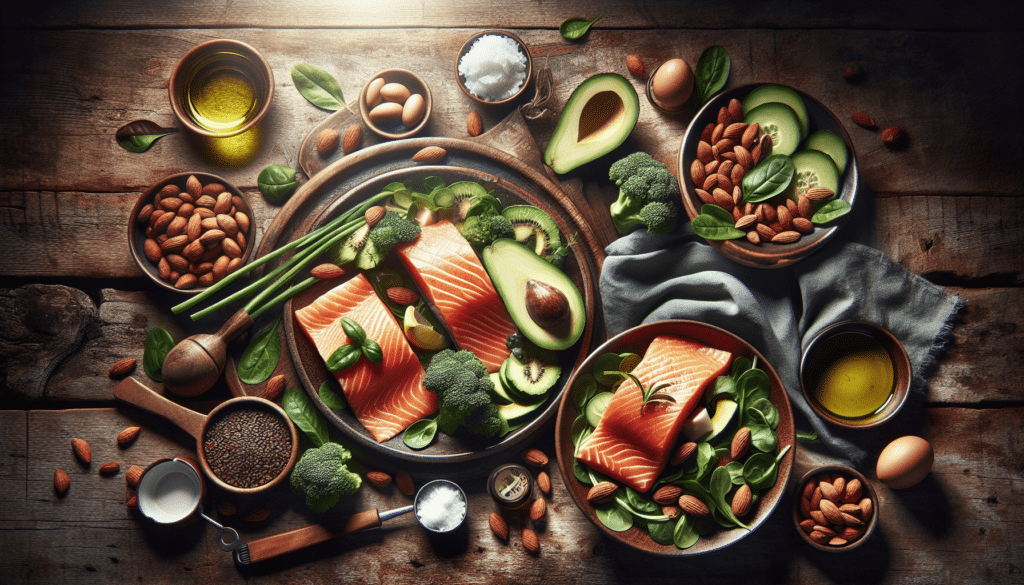
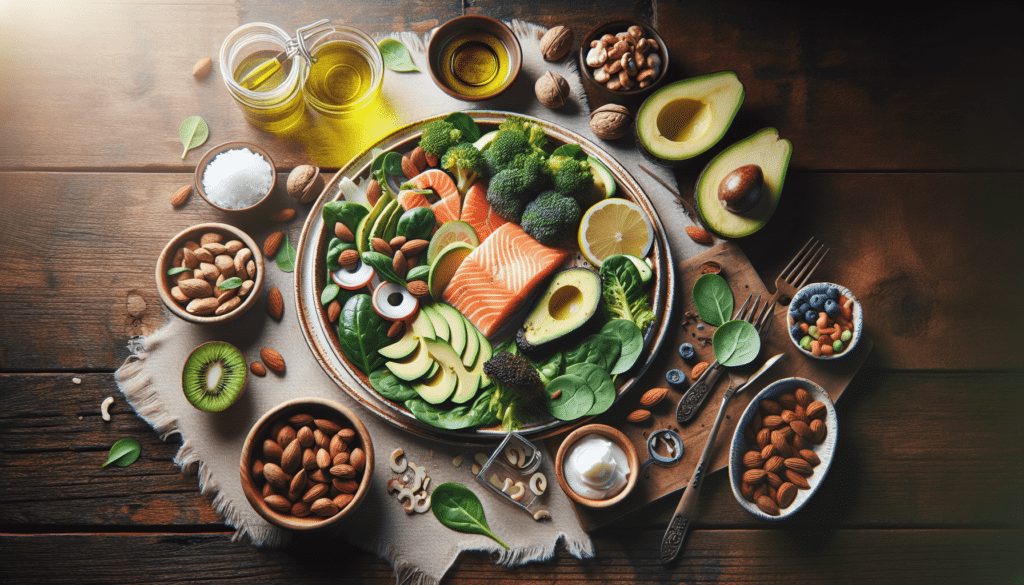
- Healthy Fats: Avocado, olive oil, nuts, and seeds.
- Proteins: Grass-fed meats, eggs, and fish.
- Low-Carb Vegetables: Leafy greens, broccoli, and cauliflower.
- Dairy: Low-carb options like cheese and heavy cream.
Step 3: List Foods to Avoid
Equally as important is knowing what to steer clear of on the keto diet. Foods high in carbohydrates should be avoided, such as:
- Grains: Rice, bread, pasta.
- Sugary Foods: Cakes, candies, and soda.
- Starchy Vegetables: Potatoes and corn.
Sample Keto Diet Chart
Here’s an example of what a week on the keto diet might look like. Feel free to adjust the meals and snacks according to your preferences.
Sample Weekly Meal Plan
| Day | Breakfast | Lunch | Dinner | Snack |
|---|---|---|---|---|
| Monday | Scrambled eggs with avocado | Chicken salad with olive oil | Grilled salmon with asparagus | Cheese slices |
| Tuesday | Greek yogurt with nuts | Zucchini noodles with pesto | Steak with broccoli | Almonds |
| Wednesday | Chia seed pudding | Shrimp salad | Meatballs with zucchini | Jerky |
| Thursday | Omelette with spinach | Tuna salad | Pork chops with cauliflower | Celery with cream cheese |
| Friday | Cottage cheese with berries | Beef stir-fry with bell peppers | Chicken with green beans | Hard-boiled eggs |
| Saturday | Smoothie with spinach | Egg salad | Grilled shrimp with mixed veggies | Macadamia nuts |
| Sunday | Frittata | Lettuce wraps with turkey | Roast beef with Brussels sprouts | Cucumber slices |
Tips for Staying on Track
Keeping to any diet requires commitment, and the keto diet is no different. Here are some helpful tips to ensure you stay on course:
Meal Prep is Key
Dedicate some time each week to meal prep. Cooking meals in advance can make following your keto diet chart easier and help overcome cravings for unhealthy foods.
Stay Hydrated
It’s essential to drink plenty of water while on the keto diet. Staying hydrated can help keep energy levels high and alleviate feelings of fatigue that can sometimes occur during the initial stages of ketosis.
Listen to Your Body
Pay attention to how you feel. The transition to ketosis can come with side effects (often referred to as the “keto flu”) such as headache or fatigue. If you feel unwell, it might be wise to re-evaluate your macronutrient intake or consult a healthcare professional.
Common Mistakes to Avoid
While embarking on this journey, being aware of common pitfalls can help you avoid setbacks.
Not Eating Enough Fat
Since the keto diet emphasizes fat consumption, not eating enough healthy fats can thwart your progress. Your body relies on these fats for energy, so make sure to incorporate them into your meals regularly.
Overconsumption of Protein
Many newcomers fall into the trap of consuming too much protein while on keto, thinking it will help build muscle. However, your body can convert excess protein into glucose, knocking you out of ketosis.
Skipping Vegetables
Low-carb vegetables are a vital part of the keto diet, providing essential vitamins and minerals. Skipping them can result in nutritional deficiencies, so make sure you include a variety.
The Role of Supplements
While a well-balanced keto diet can give you all the nutrients you need, sometimes supplements can help fill gaps, especially as you transition into the lifestyle. Here are a few to consider:
Electrolytes
When shifting into ketosis, your body tends to lose a lot of water and minerals. Adding an electrolyte supplement can help mitigate this loss, ensuring you don’t experience unnecessary fatigue or headaches.
Omega-3 Fatty Acids
These healthy fats are vital for brain health and may also enhance the benefits of ketosis. Consider adding a fish oil supplement or eating fatty fish regularly.
MCT Oil
Medium-chain triglycerides (MCTs) provide a quick source of energy and can assist you in reaching ketosis. They can also help with appetite control, making them a worthwhile addition to your diet.
How to Monitor Your Progress
Tracking your progress can be incredibly motivating. Here are some methods to consider:
Ketone Testing Strips
These strips can help you determine if you’re in ketosis by measuring the ketones in your urine. Regular testing can give you insights into your diet effectiveness.
Food Journaling
Keep a detailed journal of what you eat, your feelings of hunger, and any changes in your weight or energy levels. This can provide a clearer picture of your keto journey.
Regular Weigh-Ins
Use a scale or other metrics such as body measurements to track progress. However, try not to obsess over daily fluctuations, as weight loss can vary.
Dealing with Social Situations on Keto
Social gatherings can be challenging when you’re on a specific diet. Here are some strategies to ensure you enjoy yourself while sticking to your plan:
Communicate with Friends and Family
Let your friends and family know about your dietary goals. They may be more supportive than you think, and you can even coordinate meal options for gatherings.
Focus on Low-Carb Options
When dining out or attending events, choose dishes that are low in carbs. A salad with grilled chicken, for example, is a good choice. Don’t hesitate to ask for modifications if necessary.
Bring Your Own Dish
If you’re worried about the food options at a gathering, consider bringing a keto-friendly dish. This can be a great way to share your lifestyle with others while ensuring you have something delicious to eat.
Conclusion
Adopting the keto diet can be a rewarding journey, providing not only weight loss but also a new relationship with food. A well-structured keto diet chart serves as your guide, making it easier to navigate this lifestyle change. By being proactive and informed about your choices, you can enjoy the benefits of this diet while savoring the variety of tasty, wholesome foods available.
Are you ready to take the next step into the world of keto? Armed with your knowledge and your personalized keto diet chart, you’re well on your way to achieving your health and wellness goals. Enjoy the flavorful journey ahead!