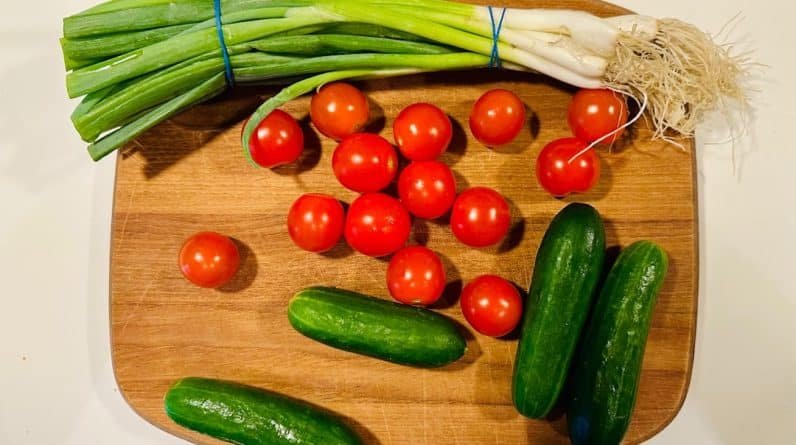
The ketogenic diet, commonly known as the keto diet, has gained immense popularity in recent years as a powerful tool for weight loss and improved health. At its core, the keto diet is a low-carbohydrate, high-fat eating plan that aims to shift your body into a state of ketosis. In this metabolic state, your body becomes highly efficient at burning fat for energy instead of relying on carbohydrates.
This shift can lead to significant weight loss, increased energy levels, and even enhanced mental clarity. However, to successfully navigate the keto diet, it’s crucial to understand which foods to embrace and which to avoid. As you embark on your keto journey, you may find yourself wondering about the role of vegetables in this unique dietary approach.
While vegetables are generally considered healthy, not all of them fit seamlessly into a low-carb lifestyle. Understanding which vegetables are compatible with the keto diet can help you make informed choices that align with your health goals. In this article, we will explore the various types of vegetables, their carbohydrate content, and how to incorporate low-carb options into your meals while steering clear of those that could hinder your progress.
Key Takeaways
- The keto diet is a low-carb, high-fat diet that aims to put the body into a state of ketosis for weight loss and other health benefits.
- Non-starchy vegetables are a key component of the keto diet, providing essential nutrients and fiber while keeping carb intake low.
- High-carb vegetables to avoid on the keto diet include potatoes, sweet potatoes, and carrots due to their high starch and sugar content.
- Starchy vegetables like peas and corn should be limited on the keto diet due to their higher carb content compared to non-starchy options.
- Sneaky high-carb vegetables to watch out for on the keto diet include beets, parsnips, and winter squash, which can easily add up in carb count.
Understanding the Role of Vegetables in the Keto Diet
Vegetables play a vital role in any balanced diet, and the keto diet is no exception. They provide essential vitamins, minerals, and fiber that contribute to overall health and well-being. However, when following a ketogenic lifestyle, it’s important to choose your vegetables wisely.
Low-carb vegetables can be a fantastic source of nutrients without derailing your carb intake. Leafy greens like spinach and kale, cruciferous vegetables such as broccoli and cauliflower, and other non-starchy options are excellent choices that can enhance your meals while keeping your carbohydrate count low. Incorporating a variety of low-carb vegetables into your diet not only helps you meet your nutritional needs but also adds flavor and texture to your meals.
These vegetables can be enjoyed raw in salads, sautéed as side dishes, or blended into smoothies. By focusing on low-carb options, you can ensure that you’re getting the benefits of vegetables without compromising your ability to maintain ketosis. As you explore the world of keto-friendly vegetables, you’ll discover that there are plenty of delicious options available to keep your meals exciting and satisfying.
High-Carb Vegetables to Avoid on Keto
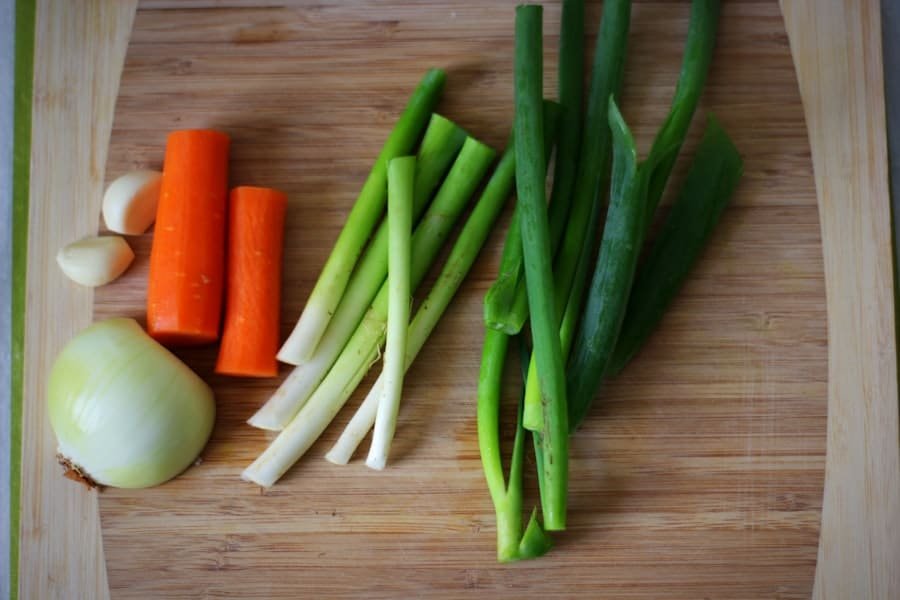
When following a ketogenic diet, it’s essential to be aware of high-carb vegetables that can quickly sabotage your efforts. These vegetables tend to have a higher sugar content and can significantly increase your daily carbohydrate intake. Some common high-carb vegetables include potatoes, corn, peas, and carrots.
While these may be staples in many diets, they are best avoided on keto due to their potential to kick you out of ketosis. Potatoes, for instance, are often considered a comfort food but are packed with carbohydrates that can hinder your progress on the keto diet. A single medium potato can contain over 30 grams of carbs, which is a substantial portion of your daily limit.
Similarly, corn is another vegetable that is high in starch and should be avoided if you want to maintain ketosis. By steering clear of these high-carb options, you can better manage your carbohydrate intake and stay on track with your keto goals.
Starchy Vegetables to Limit on Keto
In addition to high-carb vegetables, there are also starchy vegetables that you should limit while on the keto diet. These vegetables contain more carbohydrates than their non-starchy counterparts but may still be acceptable in moderation depending on your individual carb allowance. Some examples of starchy vegetables include sweet potatoes, butternut squash, and parsnips.
While they offer some nutritional benefits, their higher carb content means they should be consumed sparingly. Sweet potatoes are often praised for their health benefits; however, they contain around 20 grams of carbs per medium-sized potato. If you choose to include them in your diet, consider using them as an occasional treat rather than a regular staple.
Butternut squash is another vegetable that can be enjoyed in small portions but should be monitored closely due to its carb content. By being mindful of your intake of starchy vegetables, you can still enjoy their flavors while keeping your carb count in check.
Sneaky High-Carb Vegetables to Watch Out for on Keto
As you navigate the world of vegetables on the keto diet, it’s important to be aware of sneaky high-carb options that may not immediately come to mind. Some vegetables may seem healthy but can pack a surprising amount of carbohydrates. For example, beets are often touted for their nutritional value but contain about 13 grams of carbs per cup when cooked.
Similarly, certain types of bell peppers can also have higher carb counts than expected. Another sneaky culprit is the artichoke. While it’s often considered a gourmet vegetable and is rich in fiber and antioxidants, it contains around 14 grams of carbs per medium-sized artichoke.
It’s essential to read labels and do your research when selecting vegetables for your keto meals. By being vigilant about these hidden high-carb options, you can make better choices that align with your dietary goals.
Vegetables with Hidden Sugars to Avoid on Keto
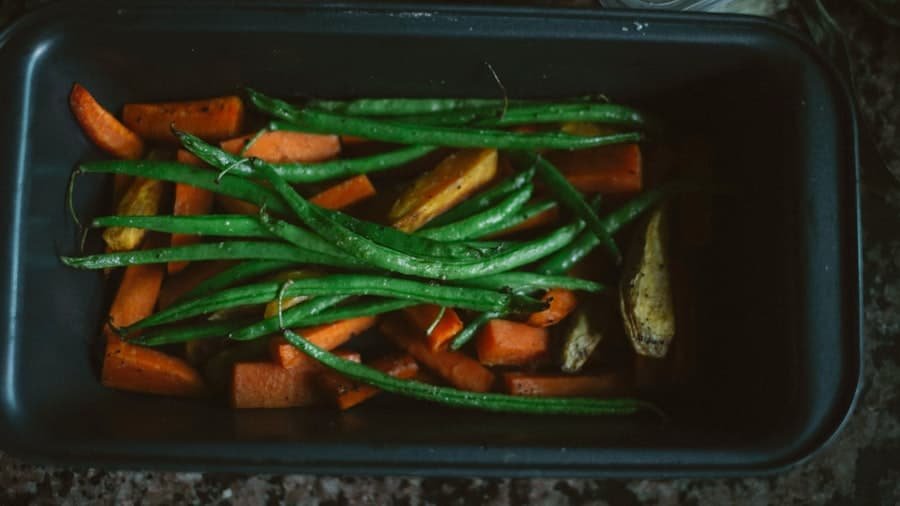
In addition to high-carb and starchy vegetables, some vegetables contain hidden sugars that can impact your carbohydrate intake on the keto diet. These sugars may not be immediately apparent but can add up quickly if you’re not careful. For instance, certain varieties of tomatoes can have higher sugar content than others.
While cherry tomatoes are delicious and nutritious, they contain about 6 grams of carbs per half-cup serving. Another vegetable with hidden sugars is the onion. While onions add flavor to many dishes, they also contain around 11 grams of carbs per medium onion.
If you’re looking to keep your carb count low while still enjoying flavorful meals, consider using shallots or green onions as alternatives. By being mindful of hidden sugars in vegetables, you can better manage your carbohydrate intake and stay within your desired limits.
Understanding Net Carbs and Fiber in Vegetables on Keto
When following a ketogenic diet, understanding net carbs is crucial for tracking your carbohydrate intake effectively. Net carbs are calculated by subtracting fiber from the total carbohydrates in a food item since fiber is not digested by the body and does not impact blood sugar levels. This means that many low-carb vegetables can be enjoyed without significantly affecting your daily carb allowance.
For example, spinach contains about 1 gram of total carbohydrates per cup but has nearly 0.7 grams of fiber, resulting in just 0.3 net carbs per serving. This makes spinach an excellent choice for those on a keto diet. Similarly, cauliflower is another low-carb vegetable that offers versatility in cooking while providing minimal net carbs.
By focusing on net carbs rather than total carbohydrates, you can enjoy a variety of vegetables while still adhering to the principles of the keto diet.
How to Substitute High-Carb Vegetables on Keto
If you find yourself missing certain high-carb vegetables while on the keto diet, there are plenty of delicious substitutes available that can satisfy your cravings without compromising your carb count. For instance, if you love mashed potatoes but want to avoid the carbs associated with them, consider using cauliflower instead. Cauliflower can be steamed and mashed to create a creamy side dish that mimics traditional mashed potatoes without the excess carbohydrates.
Another great substitute is zucchini noodles (or “zoodles”) for pasta dishes. Zucchini is low in carbs and can be spiralized into noodles that serve as a fantastic base for sauces and toppings without the guilt associated with traditional pasta. By getting creative with substitutions like these, you can enjoy familiar flavors while staying true to your keto lifestyle.
Tips for Incorporating Low-Carb Vegetables into Your Keto Diet
Incorporating low-carb vegetables into your keto diet doesn’t have to be a daunting task; with a few simple tips, you can easily add these nutritious options into your meals. One effective strategy is meal prepping—taking time each week to wash, chop, and store low-carb vegetables so they’re ready for quick use during busy days. This way, you’ll always have healthy options on hand when hunger strikes.
Another tip is to experiment with different cooking methods to keep things interesting. Roasting vegetables like Brussels sprouts or asparagus can enhance their natural flavors while adding a satisfying crunch. You might also try grilling or sautéing them with herbs and spices for added taste without extra carbs.
By being proactive about incorporating low-carb vegetables into your meals, you’ll find it easier to stick with the keto diet long-term.
Potential Side Effects of Consuming High-Carb Vegetables on Keto
While it’s essential to focus on what you should eat on the keto diet, it’s equally important to understand the potential side effects of consuming high-carb vegetables when trying to maintain ketosis. Eating too many high-carb options can lead to an increase in blood sugar levels and may kick you out of ketosis altogether. This could result in feelings of fatigue or brain fog as your body struggles to readjust back into fat-burning mode.
Additionally, consuming high-carb vegetables may hinder weight loss efforts by increasing insulin levels and promoting fat storage rather than fat burning. If you’re serious about achieving your health goals through the keto diet, it’s crucial to remain vigilant about what you’re putting on your plate and how it aligns with your dietary objectives.
Conclusion and Recap of Vegetables to Avoid on Keto
In conclusion, navigating the world of vegetables while following a ketogenic diet requires careful consideration and awareness of carbohydrate content. While many vegetables offer essential nutrients and health benefits, not all are suitable for a low-carb lifestyle. High-carb vegetables like potatoes and corn should be avoided entirely, while starchy options like sweet potatoes should be limited in moderation.
Additionally, it’s important to watch out for sneaky high-carb vegetables such as beets and artichokes that may not seem problematic at first glance but can quickly add up in terms of carbohydrate intake. By understanding net carbs and fiber content in vegetables and making smart substitutions for high-carb options, you can successfully incorporate low-carb vegetables into your meals while enjoying the benefits of a ketogenic lifestyle. As you continue on your keto journey, remember that knowledge is power when it comes to making informed dietary choices.
By being mindful of which vegetables to avoid and embracing those that align with your goals, you’ll set yourself up for success in achieving optimal health through the ketogenic diet.
FAQs
What are some vegetables to avoid on a keto diet?
Some vegetables to avoid on a keto diet include starchy vegetables such as potatoes, sweet potatoes, and corn, as well as high-carb vegetables like peas and carrots.
Why should I avoid certain vegetables on a keto diet?
Certain vegetables are higher in carbohydrates, which can make it difficult to stay within the low-carb parameters of a keto diet. Avoiding these vegetables can help maintain ketosis and promote weight loss.
Are there any vegetables that are high in carbs that I should be aware of?
Yes, some vegetables that are high in carbs and should be avoided on a keto diet include beets, parsnips, and winter squashes like butternut and acorn squash.
Can I still eat leafy greens on a keto diet?
Yes, leafy greens such as spinach, kale, and lettuce are low in carbohydrates and can be included in a keto diet. These vegetables are high in nutrients and fiber, making them a great choice for keto dieters.
What are some alternatives to high-carb vegetables on a keto diet?
Some alternatives to high-carb vegetables on a keto diet include low-carb options such as cauliflower, broccoli, zucchini, and bell peppers. These vegetables are lower in carbohydrates and can be included in a keto meal plan.