
The ketogenic diet, often referred to as the keto diet, is a low-carbohydrate, high-fat eating plan that has gained immense popularity in recent years. At its core, the keto diet aims to shift your body’s metabolism from relying on carbohydrates for energy to utilizing fats instead. This metabolic state is known as ketosis, where your body becomes highly efficient at burning fat for fuel.
By drastically reducing your carbohydrate intake and replacing it with healthy fats, you can encourage your body to enter this state of ketosis, leading to various health benefits, including weight loss. As you embark on your keto journey, it’s essential to understand the macronutrient breakdown that characterizes this diet. Typically, a standard keto diet consists of approximately 70-75% fats, 20-25% protein, and only about 5-10% carbohydrates.
This significant reduction in carbs forces your body to adapt and find alternative energy sources. You may find that this shift not only helps with weight loss but also alters your overall relationship with food, encouraging you to focus on whole, nutrient-dense options rather than processed carbohydrates.
Key Takeaways
- The keto diet is a high-fat, low-carb diet that aims to put the body into a state of ketosis.
- The keto diet promotes weight loss by forcing the body to burn fat for fuel instead of carbohydrates.
- Ketosis occurs when the body doesn’t have enough carbohydrates to burn for energy, so it starts burning fat instead.
- Benefits of the keto diet for weight loss include reduced appetite, improved insulin sensitivity, and increased fat burning.
- When starting a keto diet for weight loss, it’s important to track macros, stay hydrated, and be mindful of electrolytes.
How the Keto Diet Promotes Weight Loss
One of the primary reasons individuals turn to the keto diet is its potential for effective weight loss. When you significantly reduce your carbohydrate intake, your body begins to deplete its glycogen stores, which are essentially stored carbohydrates. As these stores diminish, your body starts to burn fat for energy instead.
This process not only helps you shed excess pounds but also leads to a reduction in appetite, making it easier for you to consume fewer calories overall. Moreover, the keto diet can enhance fat oxidation, which means your body becomes more efficient at breaking down fat for energy. This increased fat burning can lead to a more significant caloric deficit, further promoting weight loss.
Additionally, many people experience a decrease in cravings and hunger pangs while on the keto diet, which can be attributed to the satiating nature of fats and proteins. As you adjust to this new way of eating, you may find that you feel fuller for longer periods, allowing you to maintain a calorie deficit without feeling deprived.
The Science Behind Ketosis

To fully grasp how the keto diet works, it’s crucial to understand the science behind ketosis. When you consume a high-carb diet, your body primarily relies on glucose as its main source of energy. However, when carbohydrate intake is drastically reduced, your liver begins to convert fatty acids into ketones—an alternative fuel source.
These ketones can then be utilized by your brain and other organs as energy, effectively replacing glucose. Entering ketosis typically takes a few days to a week of strict adherence to the diet. During this time, your body undergoes several metabolic adaptations that enable it to efficiently use fat for fuel.
As you transition into ketosis, you may experience symptoms commonly referred to as the “keto flu,” which can include fatigue, headaches, and irritability. However, these symptoms are usually temporary and subside as your body adjusts to its new energy source.
Benefits of the Keto Diet for Weight Loss
The benefits of the keto diet extend beyond just weight loss; they encompass various aspects of health and well-being. One significant advantage is the potential for improved insulin sensitivity. By reducing carbohydrate intake, you can help stabilize blood sugar levels and reduce insulin spikes, which can be particularly beneficial for individuals with insulin resistance or type 2 diabetes.
Additionally, many people report increased mental clarity and focus while following a ketogenic lifestyle. The brain thrives on ketones as an energy source, which may lead to enhanced cognitive function and improved mood stability. Furthermore, the anti-inflammatory properties associated with a high-fat diet can contribute to overall health improvements, making the keto diet an appealing option for those looking to lose weight while also enhancing their well-being.
Tips for Starting a Keto Diet for Weight Loss
If you’re considering starting a keto diet for weight loss, there are several tips that can help set you up for success. First and foremost, it’s essential to educate yourself about the foods that fit within the ketogenic framework. Stocking your kitchen with healthy fats such as avocados, olive oil, nuts, and seeds will make it easier for you to prepare meals that align with your dietary goals.
Meal planning is another crucial aspect of successfully transitioning into a keto lifestyle. By planning your meals in advance, you can ensure that you have access to keto-friendly options throughout the week and avoid the temptation of reaching for high-carb snacks when hunger strikes. Additionally, consider tracking your macronutrient intake using apps or journals to help you stay accountable and monitor your progress.
Common Mistakes to Avoid on the Keto Diet
As you embark on your keto journey, it’s important to be aware of common pitfalls that could hinder your progress. One frequent mistake is underestimating carbohydrate intake; even small amounts of hidden sugars in sauces or condiments can add up quickly and disrupt ketosis. Always read labels carefully and be mindful of portion sizes when it comes to carb-containing foods.
Another common error is neglecting hydration and electrolyte balance. As your body adapts to ketosis, it tends to excrete more water and electrolytes, which can lead to dehydration and imbalances if not addressed. Make sure you’re drinking plenty of water and consider supplementing with electrolytes like sodium, potassium, and magnesium to support your body’s needs during this transition.
Incorporating Exercise with the Keto Diet for Weight Loss
While the keto diet can be effective for weight loss on its own, incorporating exercise into your routine can amplify your results. Engaging in regular physical activity not only helps burn additional calories but also supports muscle maintenance during weight loss. Resistance training is particularly beneficial as it helps preserve lean muscle mass while promoting fat loss.
When starting an exercise regimen on the keto diet, it’s essential to listen to your body and adjust your workouts accordingly. You may initially experience decreased energy levels as your body adapts to using fat for fuel instead of carbohydrates. However, many individuals find that their endurance improves over time as they become more efficient at burning fat during exercise.
Tracking Progress and Adjusting the Keto Diet for Weight Loss
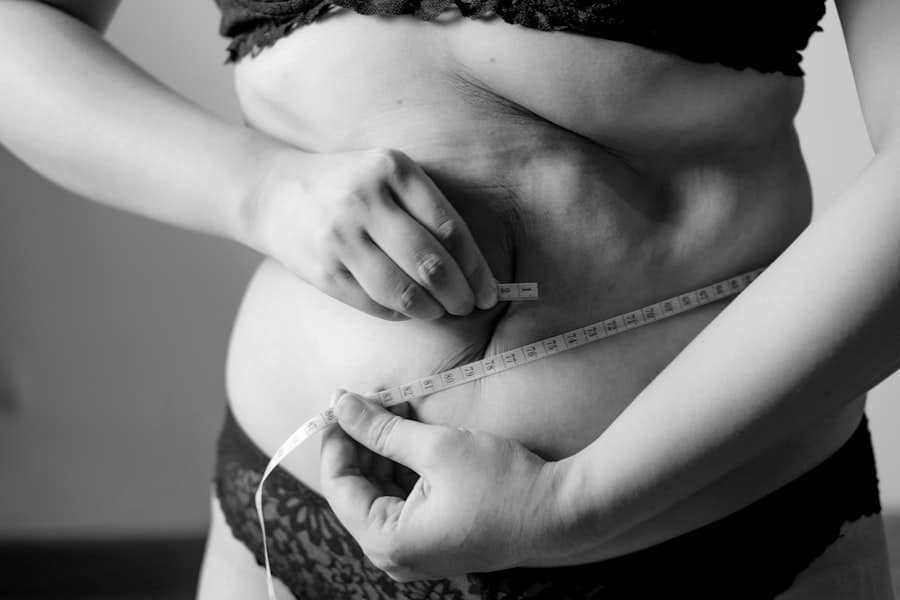
Tracking your progress is vital when following a keto diet for weight loss. Regularly monitoring changes in weight, measurements, and how you feel can provide valuable insights into what’s working and what may need adjustment. Consider taking weekly measurements or progress photos to visually document your journey.
If you find that weight loss has plateaued or slowed down after an initial period of success, it may be time to reassess your macronutrient ratios or caloric intake. Sometimes small tweaks—such as slightly reducing fat intake or increasing physical activity—can reignite progress and help you reach your goals.
Potential Side Effects of the Keto Diet for Weight Loss
While many people experience positive outcomes on the keto diet, it’s essential to be aware of potential side effects that may arise during this dietary transition. The “keto flu,” characterized by fatigue, headaches, irritability, and digestive issues, is common in the early stages as your body adjusts to burning fat instead of carbohydrates. Additionally, some individuals may experience gastrointestinal discomfort due to increased fat consumption or changes in fiber intake from reduced carbohydrate sources.
To mitigate these effects, focus on incorporating low-carb vegetables rich in fiber and consider gradually increasing fat intake rather than making drastic changes all at once.
Long-Term Success with the Keto Diet for Weight Loss
Achieving long-term success on the keto diet requires commitment and adaptability. As you progress in your weight loss journey, it’s essential to remain flexible and open-minded about your dietary choices. Some individuals may find that they can gradually reintroduce certain carbohydrates without compromising their results while others may prefer strict adherence.
Building a supportive community or finding accountability partners can also enhance your chances of long-term success. Sharing experiences with others who are on a similar journey can provide motivation and encouragement during challenging times.
Is the Keto Diet Right for Your Weight Loss Goals?
Ultimately, whether the keto diet is right for you depends on your individual preferences, lifestyle, and health goals. While many people have found success with this approach to eating, it’s essential to consider how sustainable it will be for you in the long run. If you enjoy high-fat foods and are willing to commit to a low-carb lifestyle, the keto diet may be an effective tool for achieving your weight loss goals.
However, if you find that strict dietary restrictions are challenging or if you prefer a more balanced approach to nutrition that includes a variety of food groups, other dietary strategies may be more suitable for you. Regardless of the path you choose, prioritizing whole foods and maintaining a healthy relationship with food will always be key components of successful weight management.
FAQs
What is the keto diet?
The keto diet is a high-fat, low-carbohydrate diet that has been shown to help with weight loss and improve overall health. It involves drastically reducing carbohydrate intake and replacing it with fat, which puts the body into a metabolic state called ketosis.
How does the keto diet promote weight loss?
The keto diet promotes weight loss by forcing the body to burn fat for fuel instead of carbohydrates. This leads to a reduction in body fat and can result in significant weight loss.
What foods are allowed on the keto diet?
Foods allowed on the keto diet include high-fat foods such as meat, fish, eggs, dairy, nuts, seeds, and healthy oils. Low-carbohydrate vegetables such as leafy greens, broccoli, and cauliflower are also allowed.
Are there any potential side effects of the keto diet?
Some potential side effects of the keto diet include initial fatigue, dizziness, and headaches as the body adjusts to using fat for fuel. It can also lead to nutrient deficiencies if not carefully planned.
Is the keto diet safe for everyone?
The keto diet may not be safe for everyone, especially those with certain medical conditions such as diabetes or kidney disease. It is important to consult with a healthcare professional before starting the keto diet.
How long does it take to see weight loss results on the keto diet?
Individual results may vary, but many people report seeing weight loss results within the first few weeks of starting the keto diet. However, it is important to note that sustainable weight loss takes time and consistency.





