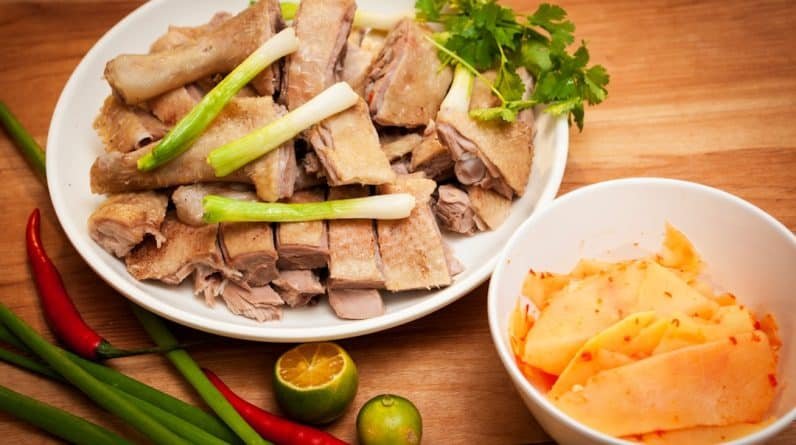
When you embark on a ketogenic diet, the primary goal is to shift your body into a state of ketosis, where it burns fat for fuel instead of carbohydrates. To achieve this, you must consume a high amount of healthy fats. However, many individuals mistakenly believe that they can simply cut carbs and still succeed without adequately increasing their fat intake.
This misstep can lead to a host of issues, including fatigue, cravings, and an inability to reach or maintain ketosis. You may find yourself feeling sluggish or irritable, which can be discouraging when you’re trying to adopt a healthier lifestyle. Inadequate fat consumption can also hinder your body’s ability to absorb essential vitamins and minerals.
Fat-soluble vitamins like A, D, E, and K require dietary fat for proper absorption. If you’re not eating enough fat, you might miss out on these vital nutrients, which can lead to deficiencies over time. To ensure you’re getting enough fat in your diet, consider incorporating sources like avocados, olive oil, nuts, and fatty fish.
By prioritizing healthy fats, you not only support your body’s nutritional needs but also enhance your overall energy levels and satiety.
Key Takeaways
- Not eating enough fat can hinder the body’s ability to reach and maintain ketosis, the state where the body burns fat for fuel.
- Consuming too many carbs can kick the body out of ketosis and prevent the benefits of a ketogenic diet.
- Overeating protein can also hinder ketosis, as excess protein can be converted into glucose, which can disrupt the body’s ability to stay in ketosis.
- Not drinking enough water can lead to dehydration, which can cause fatigue, headaches, and muscle cramps, and can also hinder the body’s ability to burn fat for fuel.
- Ignoring electrolytes can lead to imbalances in the body, causing symptoms like fatigue, muscle cramps, and dizziness, which can hinder the success of a ketogenic diet.
Consuming Too Many Carbs
One of the most common pitfalls when following a ketogenic diet is the unintentional consumption of too many carbohydrates. Even if you think you’re being careful, hidden carbs can sneak into your meals through sauces, dressings, and even certain vegetables. This can prevent your body from entering ketosis or cause it to exit this metabolic state prematurely.
You might find yourself feeling frustrated as you struggle to see the results you desire, all because of those sneaky carbs that you overlooked. To avoid this issue, it’s crucial to be diligent about reading labels and tracking your carbohydrate intake. Familiarize yourself with low-carb vegetables and snacks that fit within your dietary goals.
Additionally, consider meal prepping to ensure that you have keto-friendly options readily available. By being proactive about your carb consumption, you can maintain a state of ketosis and enjoy the benefits of the ketogenic lifestyle without the constant worry of exceeding your carb limits.
Overeating Protein
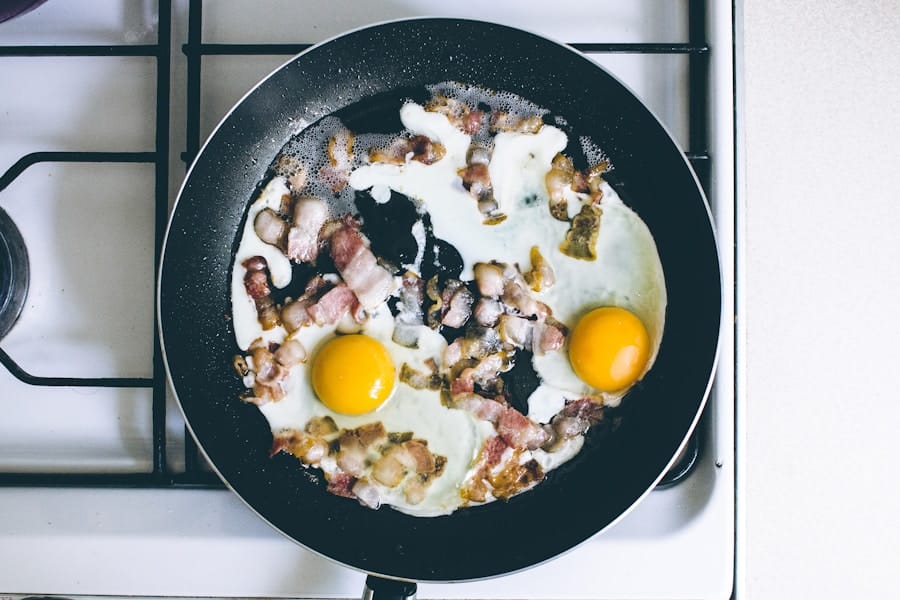
While protein is an essential macronutrient that plays a vital role in muscle repair and overall health, consuming too much of it can be counterproductive on a ketogenic diet. When you eat excessive protein, your body can convert some of that protein into glucose through a process called gluconeogenesis. This can lead to elevated blood sugar levels and may kick you out of ketosis.
You might find yourself puzzled as to why you’re not seeing the weight loss or energy levels you expected when you’re diligently tracking your food intake. To strike the right balance, aim for moderate protein consumption rather than high protein intake. Focus on incorporating quality sources of protein such as grass-fed meats, eggs, and dairy products while keeping portion sizes in check.
By doing so, you can ensure that your body receives the necessary nutrients without jeopardizing your state of ketosis. Remember that the ketogenic diet is primarily about high fat intake, so prioritize fats over protein to achieve optimal results.
Not Drinking Enough Water
Hydration is often overlooked in discussions about diet and nutrition, yet it plays a crucial role in your overall health and well-being. When following a ketogenic diet, your body tends to excrete more water and electrolytes due to reduced insulin levels. This means that you may need to increase your water intake significantly to stay properly hydrated.
If you’re not drinking enough water, you might experience symptoms such as headaches, fatigue, or even constipation—none of which are conducive to a successful keto journey. To ensure you’re adequately hydrated, make it a habit to carry a water bottle with you throughout the day. Set reminders on your phone or use apps designed to track your water intake.
Additionally, consider incorporating hydrating foods into your meals, such as cucumbers and leafy greens. By prioritizing hydration, you’ll not only support your body’s functions but also enhance your energy levels and overall mood.
Ignoring Electrolytes
Electrolytes are essential minerals that help regulate various bodily functions, including muscle contractions and nerve signaling. On a ketogenic diet, the loss of water can lead to a depletion of electrolytes such as sodium, potassium, and magnesium. Ignoring these vital nutrients can result in symptoms commonly referred to as “keto flu,” which may include dizziness, muscle cramps, and fatigue.
You might find yourself feeling unwell or lethargic during the initial stages of your keto journey if you’re not paying attention to your electrolyte balance. To combat this issue, consider incorporating electrolyte-rich foods into your diet or supplementing with electrolyte powders or tablets if necessary. Foods like avocados, leafy greens, nuts, and bone broth are excellent sources of potassium and magnesium.
Additionally, don’t shy away from adding salt to your meals; it can help replenish sodium levels lost through increased urination. By being mindful of your electrolyte intake, you’ll support your body’s functions and improve your overall experience on the ketogenic diet.
Not Planning Meals and Snacks

One of the keys to success on any diet is proper planning. When it comes to a ketogenic lifestyle, failing to plan meals and snacks can lead to poor food choices and increased temptation from high-carb options. Without a clear strategy in place, you may find yourself reaching for convenience foods that don’t align with your dietary goals when hunger strikes.
This can derail your progress and leave you feeling frustrated with your efforts. To avoid this pitfall, take some time each week to plan out your meals and snacks. Create a shopping list based on your planned recipes to ensure you have all the necessary ingredients on hand.
Consider batch cooking or prepping snacks in advance so that you always have keto-friendly options available when hunger hits. By being proactive about meal planning, you’ll set yourself up for success and make it easier to stick to your dietary goals.
Relying Too Much on Processed Keto Products
The market is flooded with processed keto products that promise convenience and taste while adhering to low-carb guidelines. While these products can be tempting and may offer a quick solution for busy days, relying too heavily on them can be detrimental to your health and progress on the ketogenic diet. Many processed items contain unhealthy additives or preservatives that can hinder your overall well-being and may not provide the same nutritional benefits as whole foods.
Instead of leaning on processed keto products as staples in your diet, focus on incorporating whole foods that are naturally low in carbohydrates and high in healthy fats. Fresh vegetables, quality meats, eggs, nuts, and seeds should form the foundation of your meals. By prioritizing whole foods over processed options, you’ll not only nourish your body more effectively but also enhance your chances of achieving long-term success on the ketogenic diet.
Not Monitoring Ketone Levels
Monitoring ketone levels is an essential aspect of successfully navigating a ketogenic diet. Many individuals overlook this step or assume they are in ketosis based solely on how they feel. However, relying solely on subjective feelings can be misleading; some people may experience symptoms of ketosis without actually being in it.
By regularly checking your ketone levels through urine strips or blood meters, you gain valuable insights into how well your body is responding to the diet. Understanding your ketone levels allows you to make informed adjustments to your diet as needed. If you’re consistently finding low levels of ketones despite following the guidelines of the ketogenic diet, it may indicate that you need to reassess your macronutrient ratios or address other factors such as stress or sleep quality.
By actively monitoring ketone levels, you empower yourself with knowledge that can help optimize your approach to the ketogenic lifestyle and ultimately lead to better results. In conclusion, navigating the complexities of a ketogenic diet requires awareness and diligence in various aspects of nutrition and lifestyle choices. By avoiding common pitfalls such as not eating enough fat or consuming too many carbs while prioritizing hydration and electrolyte balance, you set yourself up for success on this journey.
Meal planning and being mindful of processed products further enhance your chances of achieving lasting results while monitoring ketone levels provides valuable feedback for continuous improvement. Embrace these strategies as part of your commitment to a healthier lifestyle and enjoy the benefits that come with it.
FAQs
What is the keto diet?
The keto diet is a high-fat, low-carbohydrate diet that has been shown to help with weight loss and improve certain health conditions such as epilepsy and diabetes.
What are some common mistakes people make on the keto diet?
Some common mistakes people make on the keto diet include not tracking their macros, consuming too many hidden carbs, not eating enough fiber, and not staying properly hydrated.
Why is it important to track macros on the keto diet?
Tracking macros, specifically fat, protein, and carbohydrate intake, is important on the keto diet to ensure that the body stays in a state of ketosis, where it burns fat for fuel instead of carbohydrates.
What are some hidden sources of carbs that people may overlook on the keto diet?
Some hidden sources of carbs on the keto diet include certain vegetables, condiments, and processed foods that may contain added sugars or starches.
How can not eating enough fiber impact the keto diet?
Not eating enough fiber on the keto diet can lead to digestive issues such as constipation and may also impact overall gut health.
Why is staying properly hydrated important on the keto diet?
Staying properly hydrated on the keto diet is important to help the body flush out ketones and prevent dehydration, which can lead to symptoms such as headaches, fatigue, and dizziness.