
The ketogenic diet, often referred to as keto, is a low-carbohydrate, high-fat eating plan that has gained immense popularity in recent years. At its core, the diet aims to shift your body’s metabolism from burning carbohydrates for energy to utilizing fats instead. This metabolic state, known as ketosis, occurs when your carbohydrate intake is significantly reduced, prompting your body to break down fat into ketones, which serve as an alternative energy source.
By understanding the principles of the ketogenic diet, you can better appreciate the pivotal role that healthy fats play in this nutritional approach. Healthy fats are not just a source of energy; they are essential for various bodily functions. They help in the absorption of fat-soluble vitamins (A, D, E, and K), support cell membrane integrity, and provide a feeling of satiety that can help curb hunger.
When you adopt a ketogenic lifestyle, it’s crucial to focus on incorporating high-quality fats into your meals. This means choosing sources that are nutrient-dense and beneficial for your overall health. By doing so, you can enhance your well-being while enjoying the delicious flavors that healthy fats bring to your diet.
Key Takeaways
- Healthy fats play a crucial role in a ketogenic diet by providing energy and supporting overall health.
- Avocado is a nutrient-dense source of healthy fats that can be easily incorporated into a ketogenic diet.
- Nuts and seeds are a powerhouse of healthy fats and essential nutrients, making them an ideal snack for those following a ketogenic diet.
- Fatty fish, such as salmon and mackerel, are rich in omega-3 fatty acids, making them a great option for those on a ketogenic diet.
- Olive oil is a staple in Mediterranean diets and a healthy fat that can be used in cooking and as a dressing for ketogenic eating.
Avocado: A Nutrient-Dense Source of Healthy Fats for a Ketogenic Diet
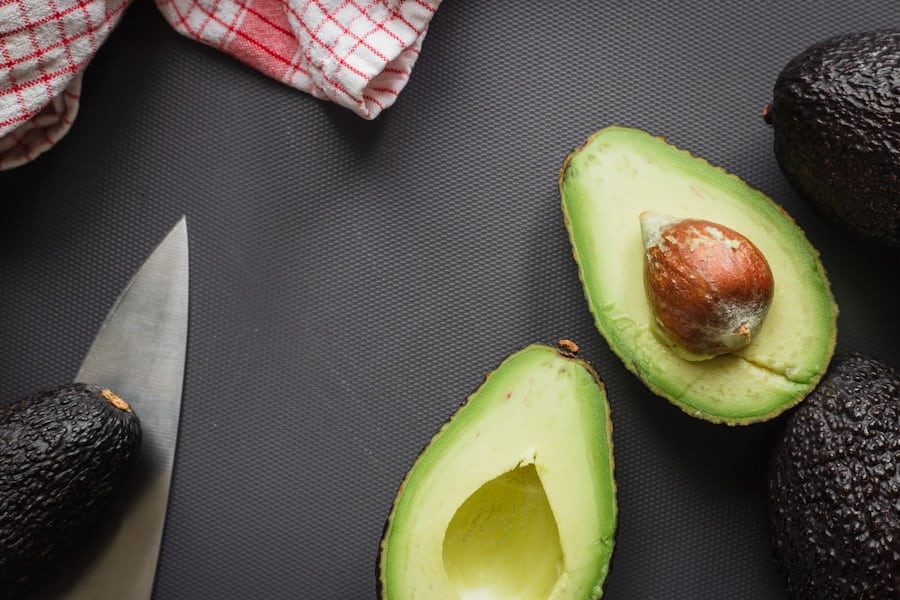
Avocado is often hailed as a superfood, and for good reason. This creamy fruit is packed with monounsaturated fats, which are known to be heart-healthy and beneficial for reducing inflammation. When you include avocado in your ketogenic diet, you not only enjoy its rich flavor but also gain access to a wealth of nutrients.
Avocados are high in fiber, which aids digestion and helps maintain stable blood sugar levels. This makes them an excellent choice for anyone looking to manage their weight or improve their overall health. In addition to healthy fats and fiber, avocados are rich in vitamins and minerals such as potassium, vitamin K, and folate.
These nutrients play vital roles in various bodily functions, including maintaining healthy blood pressure levels and supporting cellular function. You can easily incorporate avocados into your meals by adding them to salads, smoothies, or even enjoying them on their own with a sprinkle of salt. The versatility of avocados makes them a staple in any ketogenic kitchen.
Nuts and Seeds: Powerhouse of Healthy Fats and Essential Nutrients
Nuts and seeds are another fantastic source of healthy fats that can seamlessly fit into your ketogenic diet. These tiny powerhouses are not only rich in monounsaturated and polyunsaturated fats but also provide a variety of essential nutrients such as protein, fiber, vitamins, and minerals. Almonds, walnuts, chia seeds, and flaxseeds are just a few examples of nuts and seeds that can enhance your meals while keeping you in ketosis.
Incorporating nuts and seeds into your diet can be both enjoyable and beneficial. You might find yourself snacking on a handful of almonds or sprinkling chia seeds over your morning yogurt. The crunchiness of nuts adds texture to salads or baked goods, while seeds can be blended into smoothies for an extra nutrient boost.
However, it’s important to be mindful of portion sizes since nuts and seeds are calorie-dense. By enjoying them in moderation, you can reap their health benefits without overindulging.
Fatty Fish: Omega-3 Rich Option for a Ketogenic Diet
Fatty fish is an excellent addition to your ketogenic diet due to its high omega-3 fatty acid content. Fish such as salmon, mackerel, sardines, and trout are not only delicious but also provide essential nutrients that support heart health and brain function. Omega-3 fatty acids are known for their anti-inflammatory properties and can help reduce the risk of chronic diseases.
By including fatty fish in your meals, you can enjoy a flavorful source of healthy fats while promoting overall wellness. Cooking with fatty fish is simple and versatile. You can grill, bake, or pan-sear these fish to create satisfying meals that align with your ketogenic goals.
Pairing them with low-carb vegetables or serving them over a bed of leafy greens can create a balanced dish that is both nutritious and filling. Additionally, incorporating fish into your diet a few times a week can help ensure you’re getting enough omega-3s to support optimal health.
Olive Oil: A Staple in Mediterranean Diets and a Healthy Fat for Ketogenic Eating
Olive oil is often regarded as one of the healthiest fats available, making it an ideal choice for those following a ketogenic diet. Rich in monounsaturated fats and antioxidants, olive oil has been linked to numerous health benefits, including improved heart health and reduced inflammation. When you choose high-quality extra virgin olive oil, you’re not only enhancing the flavor of your dishes but also providing your body with essential nutrients.
Using olive oil in your cooking is incredibly versatile. You can drizzle it over salads as a dressing, use it for sautéing vegetables, or even incorporate it into marinades for meats. The rich flavor of olive oil can elevate simple dishes while keeping them aligned with your ketogenic lifestyle.
Additionally, its high smoke point makes it suitable for various cooking methods without compromising its nutritional value.
Coconut Oil: A Versatile and Ketogenic-Friendly Fat Source

Coconut oil has gained popularity in recent years as a go-to fat source for those on a ketogenic diet. Its unique composition includes medium-chain triglycerides (MCTs), which are rapidly absorbed by the body and converted into ketones for energy. This makes coconut oil an excellent option for those looking to boost their energy levels while staying in ketosis.
The distinct flavor of coconut oil can also add a tropical twist to your meals. Incorporating coconut oil into your diet is easy and enjoyable. You might use it for baking low-carb treats or adding it to smoothies for a creamy texture.
Additionally, coconut oil can be used for sautéing vegetables or as a base for homemade salad dressings. Its versatility allows you to experiment with different recipes while reaping the benefits of this healthy fat source.
Grass-Fed Butter and Ghee: Quality Fats for a Ketogenic Lifestyle
When it comes to fats suitable for a ketogenic lifestyle, grass-fed butter and ghee stand out as exceptional choices. Grass-fed butter is derived from cows that have been raised on pasture, resulting in a product that is richer in omega-3 fatty acids and vitamins compared to conventional butter. Ghee, which is clarified butter with the milk solids removed, offers a lactose-free option that retains the rich flavor of butter while providing additional health benefits.
Using grass-fed butter or ghee in your cooking can enhance the taste of your dishes while providing quality fats that support your ketogenic goals. You might find yourself using ghee for frying eggs or spreading grass-fed butter on low-carb bread alternatives. Both options are not only delicious but also contribute to your overall nutrient intake while keeping you satisfied throughout the day.
Incorporating Healthy Fats into a Ketogenic Diet for Optimal Health and Wellness
Incorporating healthy fats into your ketogenic diet is essential for achieving optimal health and wellness. By focusing on nutrient-dense sources such as avocados, nuts, fatty fish, olive oil, coconut oil, grass-fed butter, and ghee, you can create balanced meals that support your body’s needs while keeping you in ketosis. It’s important to remember that not all fats are created equal; prioritizing high-quality sources will ensure you’re reaping the maximum benefits.
As you embark on your ketogenic journey, consider meal planning to help you incorporate these healthy fats seamlessly into your daily routine. Experimenting with different recipes can keep your meals exciting while allowing you to discover new flavors and combinations that work for you. By embracing healthy fats as a cornerstone of your ketogenic lifestyle, you’ll not only enjoy delicious food but also support your overall health and well-being in the long run.
FAQs
What is a ketogenic diet?
A ketogenic diet is a high-fat, low-carbohydrate diet that has been shown to help with weight loss, improve blood sugar control, and provide other health benefits.
What are healthy sources of fats for a ketogenic diet?
Healthy sources of fats for a ketogenic diet include avocados, nuts and seeds, olive oil, coconut oil, fatty fish (such as salmon and mackerel), and grass-fed butter or ghee.
Why are these sources considered healthy for a ketogenic diet?
These sources are considered healthy for a ketogenic diet because they are high in monounsaturated and polyunsaturated fats, which have been shown to have numerous health benefits, including reducing the risk of heart disease and improving cholesterol levels.
Can I consume saturated fats on a ketogenic diet?
Yes, saturated fats can be consumed on a ketogenic diet, but it’s important to focus on sources of saturated fats that are minimally processed and come from natural sources, such as grass-fed meats and dairy products.
Are there any fats that should be avoided on a ketogenic diet?
It’s best to avoid trans fats and hydrogenated fats, as these have been linked to an increased risk of heart disease and other health problems. It’s also important to limit the consumption of processed and fried foods, as these often contain unhealthy fats.





