As you navigate through the complexities of environmental science, one term that frequently arises is carbon dioxide (CO2). This colorless gas, while naturally occurring in the atmosphere, has become a focal point in discussions about climate change and environmental degradation. Understanding carbon dioxide levels is crucial, as they play a significant role in regulating the Earth’s temperature and maintaining the balance of ecosystems.
The concentration of CO2 in the atmosphere has been steadily increasing, particularly since the Industrial Revolution, leading to heightened concerns about its implications for the planet. The current levels of carbon dioxide are unprecedented in human history. You may find it alarming that measurements taken at the Mauna Loa Observatory in Hawaii show CO2 concentrations surpassing 400 parts per million (ppm).
This figure is not just a number; it represents a significant shift in our planet’s atmospheric composition. As you delve deeper into this topic, you will discover how these rising levels are intricately linked to human activities and natural processes, shaping the world we live in today.
Key Takeaways
- Carbon dioxide levels have been steadily increasing due to human activities such as burning fossil fuels and deforestation.
- The impact of carbon dioxide on climate change includes rising global temperatures, extreme weather events, and melting ice caps.
- Ocean acidification is a result of increased carbon dioxide levels, leading to negative effects on marine life and ecosystems.
- Higher carbon dioxide levels can affect plant and animal life through changes in ecosystems, food availability, and habitat loss.
- Efforts to reduce carbon dioxide levels include transitioning to renewable energy sources, improving energy efficiency, and implementing carbon capture and storage technologies.
Human Activities and Carbon Dioxide Emissions
Your daily activities, from driving a car to using electricity, contribute to the emission of carbon dioxide. The primary sources of these emissions stem from burning fossil fuels such as coal, oil, and natural gas for energy. As you engage with modern conveniences, it’s essential to recognize that these actions release significant amounts of CO2 into the atmosphere.
The transportation sector alone accounts for a substantial portion of global emissions, as vehicles and airplanes burn fossil fuels to operate. In addition to transportation, industrial processes and deforestation also play critical roles in increasing carbon dioxide levels. When forests are cleared for agriculture or urban development, not only is the carbon stored in trees released into the atmosphere, but the capacity of these ecosystems to absorb CO2 is diminished.
As you consider the implications of these activities, it becomes clear that human behavior is a driving force behind the rising levels of carbon dioxide, necessitating a collective effort to mitigate these emissions.
Impact of Carbon Dioxide on Climate Change
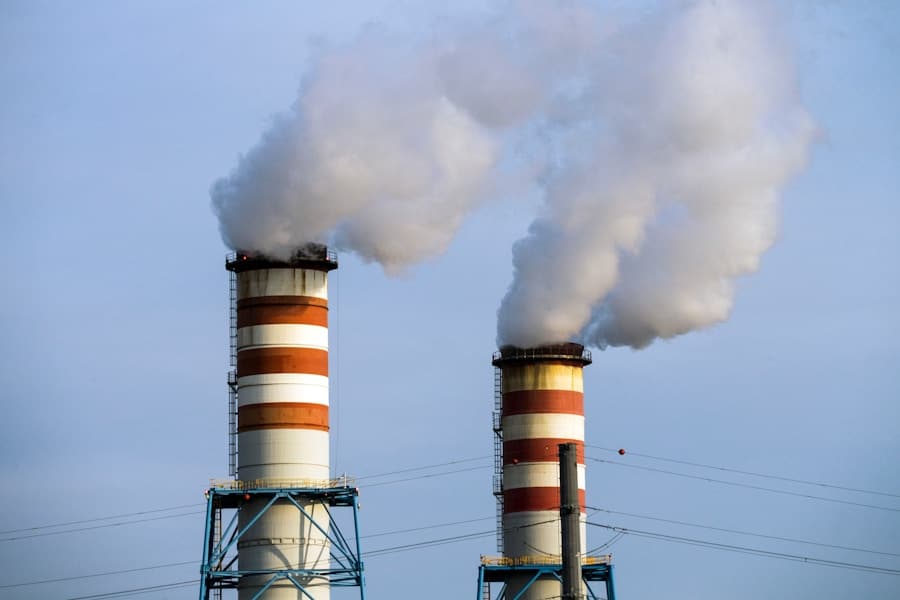
The relationship between carbon dioxide and climate change is profound and multifaceted. As you explore this connection, you will find that CO2 acts as a greenhouse gas, trapping heat in the Earth’s atmosphere and leading to an increase in global temperatures. This phenomenon is often referred to as the greenhouse effect, and it is primarily responsible for the warming trends observed over the past century.
The consequences of this warming are far-reaching, affecting weather patterns, sea levels, and biodiversity. You may also be interested to learn that the effects of climate change are not uniform across the globe. Some regions experience more severe impacts than others, leading to increased frequency and intensity of extreme weather events such as hurricanes, droughts, and floods.
As you reflect on these changes, it becomes evident that rising carbon dioxide levels are not just an environmental issue; they pose significant risks to human health, food security, and economic stability.
Effects of Carbon Dioxide on Ocean Acidification
As you delve into the environmental consequences of rising carbon dioxide levels, ocean acidification emerges as a critical concern. When CO2 is absorbed by seawater, it reacts with water to form carbonic acid, leading to a decrease in pH levels. This process has profound implications for marine ecosystems, particularly for organisms that rely on calcium carbonate for their shells and skeletons, such as corals and shellfish.
You might find it alarming that ocean acidification threatens not only marine biodiversity but also global fisheries and food security. As the acidity of oceans increases, it can hinder the growth and survival of key species within the marine food web. This disruption can have cascading effects on entire ecosystems and the communities that depend on them for their livelihoods.
Understanding these dynamics is essential as you consider the broader implications of carbon dioxide emissions on our oceans.
Impacts of Carbon Dioxide on Plant and Animal Life
The effects of elevated carbon dioxide levels extend beyond climate change and ocean acidification; they also influence terrestrial ecosystems. Plants utilize CO2 during photosynthesis, which might lead you to believe that higher concentrations could benefit plant growth. However, this relationship is more complex than it appears.
While some plants may exhibit increased growth rates under elevated CO2 conditions, others may struggle due to changing climate conditions such as temperature extremes and altered precipitation patterns. As you explore this topic further, consider how these changes impact animal life as well. Altered plant growth can affect herbivores that rely on specific vegetation for food, which in turn influences predators higher up the food chain.
The interconnectedness of ecosystems means that shifts in one area can have ripple effects throughout an entire habitat. As you reflect on these dynamics, it becomes clear that rising carbon dioxide levels pose challenges not only for individual species but also for biodiversity as a whole.
Carbon Dioxide and Air Quality
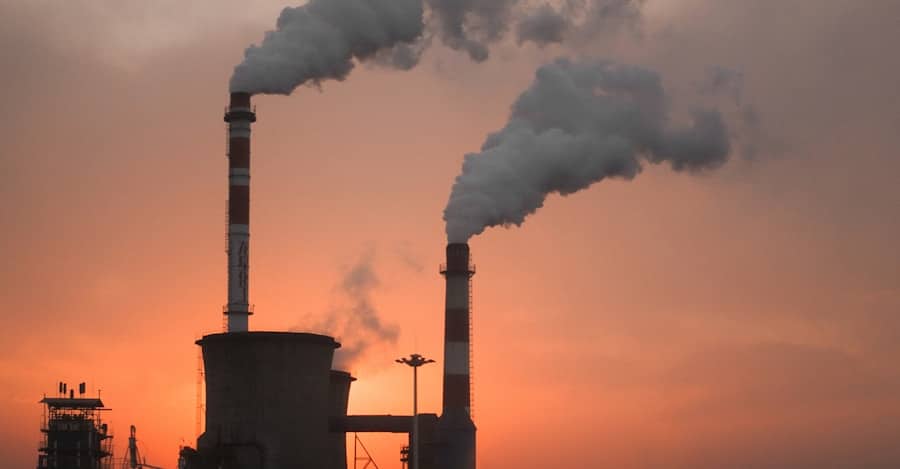
The Correlation Between CO2 and Harmful Substances
You may be aware that pollutants such as particulate matter, nitrogen oxides, and sulfur dioxide can significantly degrade air quality and pose serious health risks.
The Impact of CO2 Emissions on Urban Environments
As you consider urban environments where traffic congestion is prevalent, it becomes evident that high levels of CO2 emissions often coincide with poor air quality. This situation can lead to respiratory issues, cardiovascular diseases, and other health problems among populations exposed to polluted air.
The Importance of Sustainable Practices
Understanding the relationship between carbon dioxide emissions and air quality is essential for advocating for cleaner energy sources and sustainable practices that prioritize public health.
Efforts to Reduce Carbon Dioxide Levels
In light of the pressing challenges posed by rising carbon dioxide levels, numerous efforts are underway globally to mitigate emissions and promote sustainability. You may have heard about international agreements such as the Paris Agreement, which aims to limit global warming by reducing greenhouse gas emissions. These initiatives encourage countries to set ambitious targets for lowering their carbon footprints while fostering collaboration across borders.
On a more localized level, many communities are adopting renewable energy sources such as solar and wind power to reduce reliance on fossil fuels. As you explore these initiatives, consider how individual actions can contribute to broader efforts. Simple lifestyle changes—such as using public transportation, reducing energy consumption at home, or supporting sustainable products—can collectively make a significant impact on carbon dioxide levels.
The Future of Carbon Dioxide Levels
As you reflect on the future of carbon dioxide levels, it becomes clear that addressing this issue requires a multifaceted approach involving individuals, communities, governments, and organizations worldwide. The trajectory we choose will determine not only the health of our planet but also the well-being of future generations. While challenges abound, there is also hope in the form of innovation and collaboration aimed at creating a sustainable future.
You have the power to influence change through your choices and actions. By staying informed about carbon dioxide emissions and advocating for policies that prioritize environmental sustainability, you can contribute to a collective effort to reduce atmospheric CO2 levels. The future depends on your engagement with these critical issues—together, we can work towards a healthier planet for all living beings.
FAQs
What are carbon dioxide levels?
Carbon dioxide levels refer to the concentration of carbon dioxide gas in the Earth’s atmosphere. It is measured in parts per million (ppm) and is a key indicator of the impact of human activities on the environment.
What is the impact of carbon dioxide levels on the environment?
High levels of carbon dioxide in the atmosphere contribute to global warming and climate change. This can lead to rising sea levels, extreme weather events, and disruptions to ecosystems and wildlife.
How do human activities contribute to carbon dioxide levels?
Human activities such as burning fossil fuels, deforestation, and industrial processes release large amounts of carbon dioxide into the atmosphere. This contributes to the overall increase in carbon dioxide levels.
What are the consequences of high carbon dioxide levels?
High carbon dioxide levels can lead to ocean acidification, which can harm marine life and coral reefs. It can also contribute to air pollution and respiratory problems in humans.
What measures can be taken to reduce carbon dioxide levels?
Reducing carbon dioxide levels requires a combination of efforts, including transitioning to renewable energy sources, improving energy efficiency, reforestation, and implementing policies to limit carbon emissions.