
The ketogenic diet, commonly known as the keto diet, has gained immense popularity in recent years as a weight loss strategy. This low-carbohydrate, high-fat diet aims to shift your body into a state of ketosis, where it burns fat for fuel instead of carbohydrates. While many individuals have experienced significant weight loss on this diet, others find themselves facing unexpected weight gain.
This paradox can be perplexing, especially when you are following the guidelines of the diet closely. Understanding the reasons behind weight gain on the keto diet is crucial for anyone looking to achieve their health and fitness goals. As you embark on your keto journey, it’s essential to recognize that not everyone will experience the same results.
Factors such as individual metabolism, lifestyle choices, and adherence to the diet can all play a role in your outcomes. In this article, we will explore various reasons why you might be gaining weight while on a keto diet, providing insights that can help you navigate this complex dietary landscape. By understanding these factors, you can make informed decisions that align with your health objectives and ultimately lead to successful weight management.
Key Takeaways
- Introduction to Keto Diet and Weight Gain: The keto diet is a high-fat, low-carb diet that has gained popularity for weight loss, but some people may experience weight gain instead.
- Potential Reasons for Weight Gain on Keto: Overconsumption of calories, hidden carbohydrates in keto foods, too much protein intake, lack of physical activity, hormonal imbalance, stress, and lack of sleep can all contribute to weight gain on the keto diet.
- Overconsumption of Calories: Eating too many calories, even if they come from keto-friendly foods, can lead to weight gain on the keto diet.
- Hidden Carbohydrates in Keto Foods: Some keto-friendly foods may contain hidden carbohydrates, which can unknowingly increase carb intake and hinder weight loss efforts.
- Too Much Protein Intake: Consuming excessive amounts of protein on the keto diet can lead to weight gain, as the body may convert excess protein into glucose through a process called gluconeogenesis.
Potential Reasons for Weight Gain on Keto
When you first start the keto diet, your body undergoes significant changes as it adapts to burning fat for energy. However, this transition can sometimes lead to weight gain rather than loss. One potential reason for this phenomenon is the body’s initial response to a drastic reduction in carbohydrate intake.
As your body depletes its glycogen stores, it may retain water, leading to temporary weight gain. This water retention can be misleading, as it does not reflect an increase in body fat but rather a shift in fluid balance. Another factor contributing to weight gain on the keto diet is the psychological aspect of food choices.
The freedom to consume high-fat foods can sometimes lead to overindulgence. You might find yourself gravitating toward calorie-dense options that are technically keto-friendly but can still contribute to an excess caloric intake.
Overconsumption of Calories
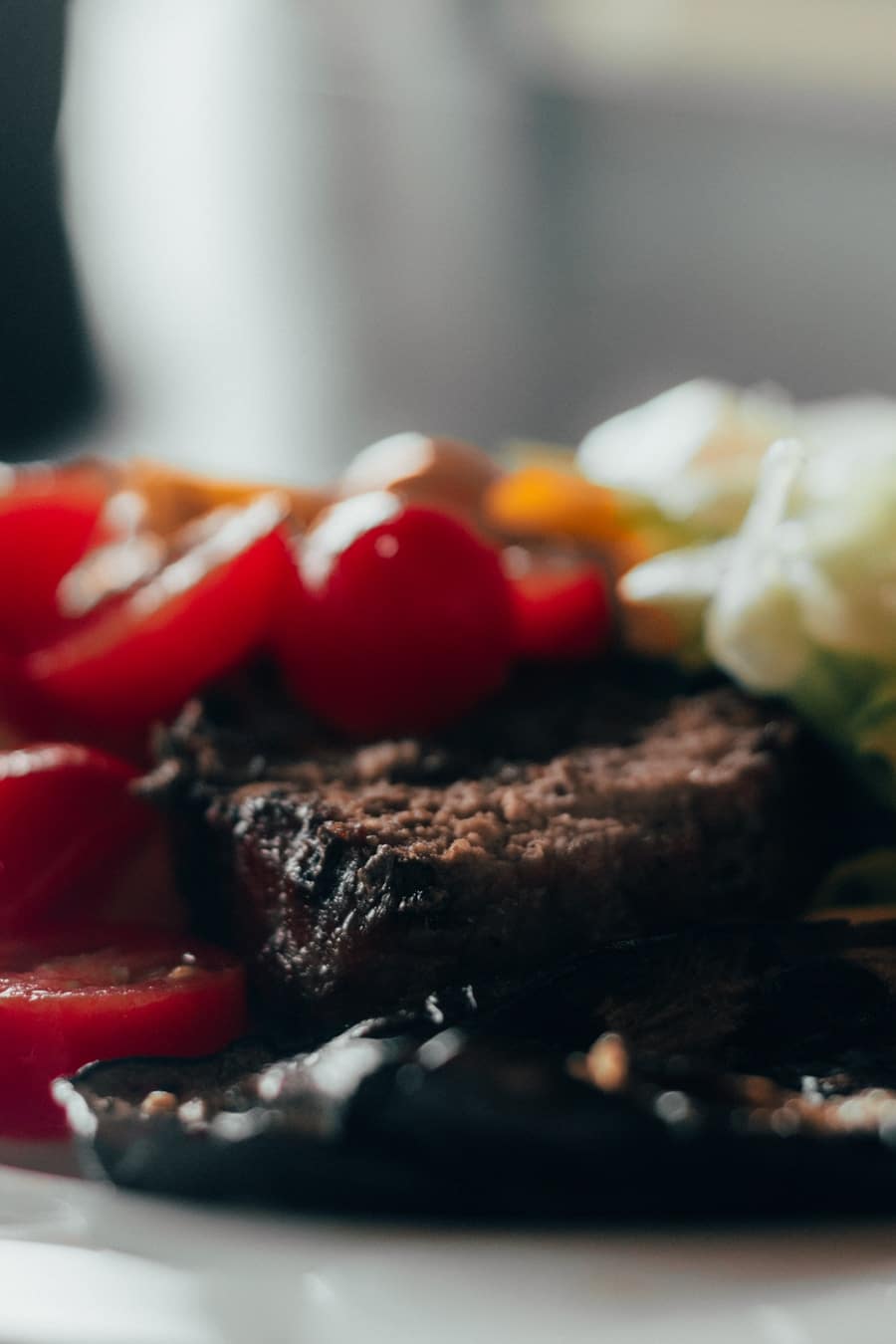
One of the most common pitfalls of the keto diet is the tendency to overconsume calories. While the diet encourages high-fat foods, it’s easy to forget that fats are calorie-dense. For instance, a small amount of butter or oil can add significant calories to your meals without providing a sense of fullness.
If you’re not careful, you may find yourself consuming more calories than your body needs, which can lead to weight gain despite being in ketosis. To combat this issue, it’s essential to track your caloric intake and be aware of portion sizes. You might consider using a food diary or an app to monitor what you eat throughout the day.
By doing so, you can identify patterns in your eating habits and make adjustments as needed. Remember that even on a keto diet, moderation is key; enjoying high-fat foods should not equate to unrestricted eating.
Hidden Carbohydrates in Keto Foods
Another reason you may experience weight gain on the keto diet is the presence of hidden carbohydrates in foods that are often considered keto-friendly. Many processed foods marketed as low-carb or keto may still contain sugars or starches that can hinder your progress. For example, certain sauces, dressings, and snacks may have added sugars or carbohydrates that can quickly add up and push you out of ketosis.
To avoid this pitfall, it’s crucial to read labels carefully and be aware of what you’re consuming. Opting for whole, unprocessed foods can help minimize your intake of hidden carbs. Fresh vegetables, meats, and healthy fats should form the foundation of your meals.
By focusing on whole foods, you can better control your carbohydrate intake and support your weight loss efforts.
Too Much Protein Intake
While protein is an essential macronutrient that plays a vital role in muscle maintenance and overall health, consuming too much protein on a keto diet can also lead to weight gain. The ketogenic diet typically emphasizes high fat intake with moderate protein consumption; however, some individuals mistakenly believe that more protein is better. Excess protein can be converted into glucose through a process called gluconeogenesis, which may kick you out of ketosis and hinder your weight loss efforts.
To ensure you’re consuming an appropriate amount of protein, consider calculating your macronutrient ratios based on your individual needs and goals. A general guideline for those on a keto diet is to aim for about 20-25% of your daily caloric intake from protein sources. By adhering to these guidelines, you can maintain a balanced approach that supports both ketosis and weight management.
Lack of Physical Activity
Benefits of Regular Physical Activity
Engaging in regular physical activity not only helps burn calories but also supports overall metabolic health. Incorporating both cardiovascular exercises and strength training into your routine can enhance your weight loss efforts while on the keto diet.
Exercise Recommendations
Aim for at least 150 minutes of moderate-intensity aerobic activity each week, along with two days of strength training targeting major muscle groups. This will help you create a more balanced approach to achieving your health goals.
Achieving a Balanced Approach
By prioritizing physical activity alongside your dietary choices, you can create a more balanced approach to achieving your health goals. Remember, regular exercise is just as important as your diet when it comes to managing your weight and achieving overall health.
Hormonal Imbalance
Hormonal imbalances can significantly impact your ability to lose weight on any diet, including keto. Hormones such as insulin, cortisol, and thyroid hormones play crucial roles in regulating metabolism and fat storage. If you are experiencing weight gain despite following a strict keto regimen, it may be worth investigating whether hormonal issues are at play.
For instance, elevated cortisol levels due to chronic stress can lead to increased fat storage, particularly around the abdominal area. Similarly, insulin resistance can make it challenging for your body to utilize fat for energy effectively. If you suspect hormonal imbalances may be affecting your weight loss journey, consider consulting with a healthcare professional who can provide guidance and potential solutions tailored to your needs.
Stress and Lack of Sleep
Finally, stress and lack of sleep are two interconnected factors that can significantly influence your weight while on the keto diet. When you’re stressed or sleep-deprived, your body produces higher levels of cortisol, which can lead to cravings for unhealthy foods and increased appetite. This cycle can make it difficult to stick to your dietary goals and may result in unwanted weight gain.
To mitigate these effects, prioritize self-care practices that promote relaxation and restful sleep. Techniques such as mindfulness meditation, yoga, or even simple breathing exercises can help reduce stress levels and improve overall well-being. Additionally, aim for 7-9 hours of quality sleep each night to support metabolic health and hormonal balance.
By addressing stress and sleep issues, you can create a more conducive environment for successful weight management on the keto diet. In conclusion, while the ketogenic diet has proven effective for many individuals seeking weight loss, it is not without its challenges. Understanding the potential reasons for weight gain while following this dietary approach is essential for achieving long-term success.
By being mindful of caloric intake, hidden carbohydrates, protein consumption, physical activity levels, hormonal health, and stress management, you can navigate the complexities of the keto diet more effectively. With patience and persistence, you can work towards achieving your health goals while enjoying the benefits of this popular dietary lifestyle.
FAQs
What is the keto diet?
The keto diet is a high-fat, low-carbohydrate diet that has been shown to help with weight loss and improve certain health conditions. It involves drastically reducing carbohydrate intake and replacing it with fat, which puts the body into a metabolic state called ketosis.
Why am I gaining weight on the keto diet?
There are several reasons why someone may experience weight gain on the keto diet. It could be due to consuming too many calories from high-fat foods, overeating low-carb snacks, or not being in a state of ketosis due to consuming too many carbs or protein.
Can certain medical conditions cause weight gain on the keto diet?
Yes, certain medical conditions such as hypothyroidism, polycystic ovary syndrome (PCOS), and insulin resistance can make it more challenging to lose weight on the keto diet. It’s important to consult with a healthcare professional if you suspect a medical condition may be contributing to weight gain.
How can I prevent weight gain on the keto diet?
To prevent weight gain on the keto diet, it’s important to focus on consuming the right balance of macronutrients, monitoring portion sizes, and being mindful of overall calorie intake. Incorporating regular physical activity and staying hydrated can also support weight management on the keto diet.





