When you embark on a ketogenic diet, you are essentially shifting your body’s primary source of energy from carbohydrates to fats. This dietary approach is characterized by a significant reduction in carbohydrate intake, typically to about 5-10% of your total daily calories, while increasing fat consumption to around 70-80%. The goal is to enter a metabolic state known as ketosis, where your body becomes highly efficient at burning fat for fuel.
In this state, your liver converts fatty acids into ketones, which serve as an alternative energy source for your brain and body. As you begin to understand the fundamentals of a ketogenic diet, it’s essential to recognize that this is not just a low-carb diet; it’s a high-fat diet that requires careful planning and consideration. You may find that the initial transition can be challenging, as your body adapts to this new way of fueling itself.
Commonly referred to as the “keto flu,” you might experience symptoms such as fatigue, headaches, and irritability during the first few days. However, these symptoms are usually temporary and can be mitigated by staying hydrated and ensuring you are consuming enough electrolytes.
Key Takeaways
- A ketogenic diet is high in fat, moderate in protein, and low in carbohydrates, which helps the body enter a state of ketosis.
- Fat plays a crucial role in a ketogenic diet as it serves as the primary source of energy for the body.
- Personal fat intake needs can vary based on factors such as activity level, metabolic rate, and weight loss goals.
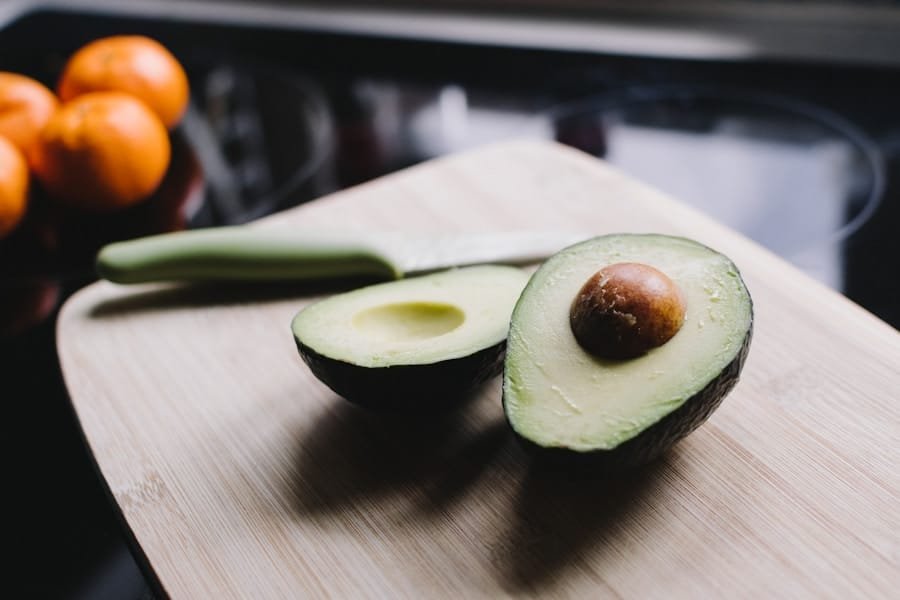
- Quality fats, such as avocados, nuts, and olive oil, are important for providing essential nutrients and supporting overall health on a ketogenic diet.
- Balancing fat intake with protein and carbohydrates is essential for maintaining ketosis and achieving optimal results on a ketogenic diet.
The Role of Fat in a Ketogenic Diet
The Benefits of Healthy Fats
By prioritizing fat in your diet, you are not only fueling your body but also providing it with the necessary components for optimal functioning. Healthy fats, such as those found in avocados, nuts, seeds, and olive oil, can help reduce inflammation and support heart health.
The Risks of Unhealthy Fats
On the other hand, trans fats and highly processed oils can have detrimental effects on your health. Understanding the role of fat in your diet will empower you to make informed choices that align with your health goals while enjoying the benefits of a ketogenic lifestyle.
Making Informed Choices
By recognizing the importance of fat in your diet, you can make informed decisions that support your overall health and well-being.
Determining Your Personal Fat Intake Needs

Determining your personal fat intake needs on a ketogenic diet is crucial for achieving and maintaining ketosis. Each individual’s requirements can vary based on factors such as age, gender, activity level, and overall health goals. To start, you may want to calculate your daily caloric needs and then determine what percentage of those calories should come from fat.
For instance, if you consume 2,000 calories per day and aim for 75% of those calories from fat, you would need approximately 1,500 calories from fat sources. Once you have established your caloric needs, it’s essential to translate those numbers into grams of fat. Since each gram of fat contains about 9 calories, you can divide your total fat calories by 9 to find out how many grams of fat you should aim for each day.
This personalized approach will help you tailor your ketogenic diet to suit your unique lifestyle and ensure that you are consuming enough fat to support ketosis while avoiding excessive intake.
The Importance of Quality Fats in a Ketogenic Diet
While fat is a cornerstone of the ketogenic diet, not all fats are created equal. The quality of the fats you consume can significantly influence your health outcomes. It’s essential to focus on incorporating high-quality fats into your meals rather than relying on unhealthy or processed options.
Healthy fats such as monounsaturated fats found in olive oil and avocados, polyunsaturated fats from fatty fish and nuts, and saturated fats from coconut oil and grass-fed butter can provide numerous health benefits. Incorporating these quality fats into your diet can help improve cholesterol levels, reduce inflammation, and support brain function. Additionally, they can enhance the flavor and satisfaction of your meals, making it easier to adhere to the ketogenic lifestyle.
By prioritizing quality over quantity when it comes to fat intake, you can create a balanced and nutritious ketogenic diet that supports both your health goals and overall well-being.
Balancing Fat Intake with Protein and Carbohydrates
While fat is the primary macronutrient in a ketogenic diet, it’s essential to maintain a balance with protein and carbohydrates. Protein plays a vital role in preserving muscle mass and supporting various bodily functions. On a ketogenic diet, protein intake typically ranges from 15-25% of total daily calories.
It’s important to choose high-quality protein sources such as grass-fed meats, wild-caught fish, eggs, and plant-based proteins like tofu or tempeh. Carbohydrates should be limited but not entirely eliminated. You may want to focus on consuming low-carb vegetables like leafy greens, broccoli, and cauliflower while avoiding high-carb foods like grains and sugars.
Striking the right balance between these macronutrients will help ensure that you remain in ketosis while still providing your body with the nutrients it needs for optimal performance.
Potential Risks of Consuming Too Much Fat on a Ketogenic Diet
The Risks of Overeating Fats
Overeating fats can result in excessive calorie consumption, which may impede weight loss efforts or even lead to weight gain if not managed properly. Moreover, an imbalanced intake of fats, particularly those that include unhealthy trans fats, can have a negative impact on heart health and cholesterol levels.
Digestive Issues Associated with High Fat Intake
Some individuals may experience digestive issues when consuming high amounts of fat without adequate fiber intake. This can lead to discomfort or gastrointestinal distress.
Importance of Balance and Digestive Health
It’s crucial to listen to your body and adjust your fat intake accordingly, ensuring that you incorporate enough fiber-rich foods into your diet to support digestive health.
Tips for Managing Fat Intake on a Ketogenic Diet
Managing your fat intake on a ketogenic diet doesn’t have to be overwhelming. One effective strategy is meal prepping; by planning your meals in advance, you can ensure that you have access to healthy fats while avoiding impulsive food choices that may not align with your dietary goals. Consider preparing snacks that are rich in healthy fats, such as nut butter with celery sticks or cheese with olives.
Another helpful tip is to keep track of your macronutrient intake using apps or food diaries. This practice allows you to monitor your fat consumption closely and make adjustments as needed. Additionally, experimenting with different cooking methods—such as roasting vegetables in olive oil or using coconut oil for frying—can help you incorporate healthy fats into your meals without feeling deprived.
Consulting with a Healthcare Professional for Personalized Guidance
As you navigate the complexities of a ketogenic diet, consulting with a healthcare professional can provide invaluable support tailored to your individual needs. A registered dietitian or nutritionist can help you create a personalized meal plan that aligns with your health goals while ensuring that you are meeting all of your nutritional requirements. They can also assist in monitoring any potential side effects or health concerns that may arise during your dietary transition.
Furthermore, if you have pre-existing health conditions or are taking medications that may be affected by dietary changes, seeking professional guidance is even more critical. A healthcare professional can help you make informed decisions about your dietary choices while ensuring that you maintain optimal health throughout your ketogenic journey. In conclusion, understanding the intricacies of a ketogenic diet is essential for achieving success in this lifestyle change.
By focusing on quality fats, balancing macronutrients, managing intake effectively, and seeking professional guidance when necessary, you can create a sustainable approach that supports both your health goals and overall well-being. Embrace this journey with an open mind and a willingness to learn; the rewards can be transformative for both your body and mind.
FAQs
What is a ketogenic diet?
A ketogenic diet is a high-fat, low-carbohydrate diet that has been shown to help with weight loss, improve blood sugar control, and provide other health benefits.
How much fat should I consume on a ketogenic diet?
The amount of fat you should consume on a ketogenic diet can vary depending on your individual needs and goals. However, a common guideline is to aim for about 70-80% of your daily calories to come from fat.
What are some healthy sources of fat for a ketogenic diet?
Healthy sources of fat for a ketogenic diet include avocados, nuts and seeds, olive oil, coconut oil, fatty fish, and grass-fed butter or ghee.
Can I consume too much fat on a ketogenic diet?
It is possible to consume too much fat on a ketogenic diet, which can lead to an excessive calorie intake and potential weight gain. It’s important to focus on consuming healthy, whole food sources of fat and to be mindful of portion sizes.
Are there any risks associated with consuming too much fat on a ketogenic diet?
Consuming too much unhealthy, processed fats on a ketogenic diet can increase the risk of heart disease and other health issues. It’s important to focus on consuming healthy sources of fat and to maintain a balanced diet overall.