In recent years, the conversation around diet and nutrition has evolved significantly, with two prominent lifestyles emerging at the forefront: the ketogenic (keto) diet and plant-based eating. You may have heard about the keto diet, which emphasizes high-fat, low-carbohydrate intake, while the plant-based lifestyle focuses on consuming foods derived primarily from plants. Both approaches have garnered attention for their potential health benefits, but they also come with their own sets of challenges and considerations.
As you navigate the world of nutrition, understanding these two diets can help you make informed choices that align with your health goals and personal values. The intersection of these two diets has led to the emergence of a plant-based keto lifestyle, which combines the principles of both. This hybrid approach can be particularly appealing if you are looking to reap the benefits of a low-carb diet while adhering to a plant-centric philosophy.
However, it requires careful planning and consideration to ensure that you meet your nutritional needs. In this article, we will delve into the intricacies of both the keto diet and plant-based eating, explore their similarities and differences, and provide insights into how you can successfully adopt a plant-based keto lifestyle.
Key Takeaways
- Keto and plant-based lifestyles focus on different food groups and macronutrient ratios
- The Keto diet emphasizes high fat, moderate protein, and low carb intake
- Plant-based lifestyle focuses on consuming whole, plant-based foods and excludes animal products
- Both lifestyles have their own health benefits and challenges
- Following a plant-based Keto diet requires careful planning and consideration of nutrient intake
Understanding the Keto Diet
The ketogenic diet is characterized by its unique macronutrient composition, typically consisting of approximately 70-75% fats, 20-25% protein, and only about 5-10% carbohydrates. This significant reduction in carbohydrate intake forces your body into a metabolic state known as ketosis, where it begins to burn fat for fuel instead of glucose derived from carbohydrates. As you embark on this journey, you may find that your energy levels stabilize, and you experience reduced hunger pangs due to the satiating nature of fats.
To successfully follow a keto diet, you will need to be mindful of your food choices. Foods such as avocados, nuts, seeds, oils, and fatty fish are staples in this diet. However, you will also need to avoid high-carb foods like bread, pasta, rice, and most fruits.
This shift in eating habits can be challenging at first, but many people report significant weight loss and improved mental clarity as they adapt to this new way of eating. Understanding the science behind ketosis can empower you to make informed decisions about your meals and snacks.
Exploring the Plant-based Lifestyle
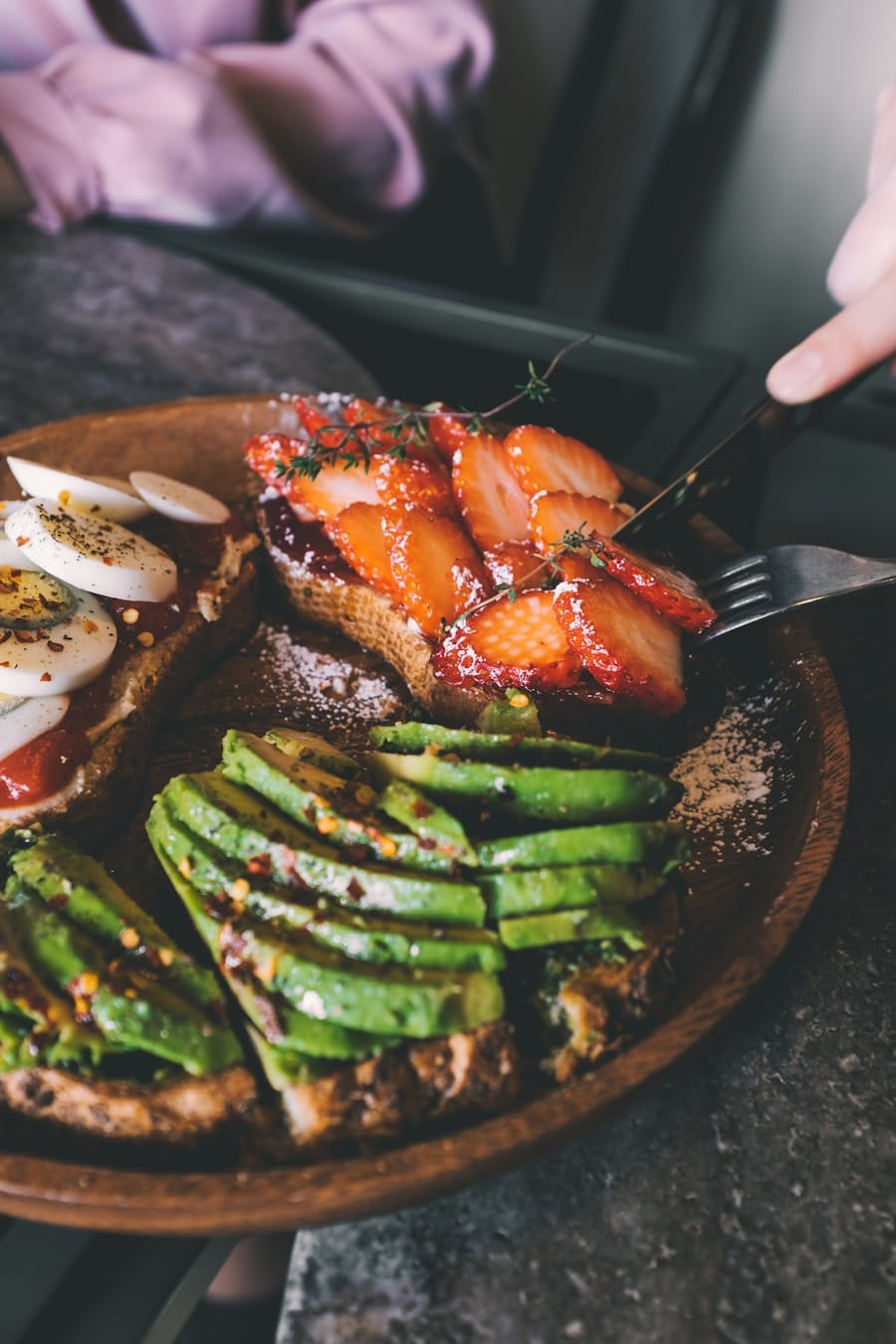
On the other hand, a plant-based lifestyle emphasizes whole foods derived from plants, including fruits, vegetables, legumes, nuts, seeds, and whole grains. This approach is not just about eliminating animal products; it’s about embracing a diverse array of nutrient-dense foods that can enhance your overall health. You may find that a plant-based diet is rich in fiber, vitamins, and minerals while being lower in saturated fats and cholesterol compared to traditional diets that include animal products.
Adopting a plant-based lifestyle can lead to numerous health benefits. Research has shown that individuals who follow a plant-based diet may experience lower risks of chronic diseases such as heart disease, diabetes, and certain cancers. Additionally, this lifestyle is often associated with improved digestion and increased energy levels due to the abundance of nutrients found in plant foods.
As you explore this way of eating, you may discover new flavors and cooking techniques that make mealtime exciting and enjoyable.
Comparing the Keto Diet and Plant-based Lifestyle
When comparing the keto diet and a plant-based lifestyle, it’s essential to recognize their fundamental differences in macronutrient composition and food sources. The keto diet prioritizes high-fat intake while severely restricting carbohydrates, whereas a plant-based diet focuses on whole foods derived from plants without necessarily adhering to strict macronutrient ratios. This distinction can lead to different health outcomes and experiences for individuals following each diet.
Despite their differences, there are some commonalities between the two approaches. Both diets encourage mindfulness about food choices and promote whole foods over processed options. Additionally, both can lead to weight loss and improved health markers when followed correctly.
However, the challenge lies in finding a balance that allows you to enjoy the benefits of both lifestyles without compromising your nutritional needs or personal values.
Challenges of Following a Plant-based Keto Diet
While the idea of a plant-based keto diet may sound appealing, it does come with its own set of challenges. One significant hurdle is achieving the right balance of macronutrients while ensuring that you are consuming enough variety in your meals. Since many traditional sources of fat in a keto diet come from animal products—such as butter, cheese, and fatty meats—you may find it difficult to find suitable plant-based alternatives that provide adequate fat content without exceeding your carbohydrate limits.
Another challenge is ensuring that you receive all essential nutrients while adhering to both dietary restrictions. For instance, certain vitamins and minerals commonly found in animal products—like vitamin B12, iron, and omega-3 fatty acids—may be more challenging to obtain from a strictly plant-based diet. You will need to be proactive in seeking out fortified foods or supplements to fill any nutritional gaps that may arise from this unique dietary combination.
Tips for Following a Plant-based Keto Diet

If you are determined to pursue a plant-based keto lifestyle, there are several strategies you can implement to make the transition smoother. First and foremost, meal planning is crucial. By preparing your meals in advance, you can ensure that you have access to compliant foods that meet both your macronutrient goals and your plant-based preferences.
Consider creating a weekly menu that includes a variety of meals featuring low-carb vegetables like leafy greens, zucchini, cauliflower, and broccoli. Incorporating healthy fats from plant sources is also essential for maintaining ketosis while following a plant-based diet. Avocados, coconut oil, olive oil, nuts, and seeds are excellent options that can help you achieve your fat intake goals without compromising your commitment to plant-based eating.
Additionally, experimenting with different cooking methods—such as roasting or sautéing—can enhance the flavors of your meals while keeping them aligned with your dietary requirements.
Benefits of a Plant-based Keto Diet
Embracing a plant-based keto diet can offer numerous benefits that cater to both your health goals and ethical considerations. One significant advantage is the potential for weight loss and improved body composition. By combining the fat-burning effects of ketosis with the nutrient density of plant foods, you may find it easier to shed excess weight while nourishing your body with essential vitamins and minerals.
Moreover, this hybrid approach can lead to enhanced energy levels and mental clarity. Many individuals report feeling more focused and alert when following a low-carb diet due to stabilized blood sugar levels. Additionally, by prioritizing whole foods from plants, you may experience improved digestion and overall well-being as your body receives an abundance of fiber and nutrients.
Finding Balance in a Plant-based Keto Lifestyle
In conclusion, navigating the world of nutrition can be complex, especially when considering the unique aspects of both the keto diet and a plant-based lifestyle. By understanding the principles behind each approach and recognizing their potential benefits and challenges, you can make informed decisions that align with your health goals and personal values. A plant-based keto lifestyle offers an exciting opportunity to combine the best of both worlds—achieving ketosis while embracing the richness of plant foods.
As you embark on this journey, remember that balance is key. It’s essential to listen to your body’s needs and adjust your dietary choices accordingly. With careful planning and creativity in the kitchen, you can enjoy delicious meals that support your health while honoring your commitment to a plant-based lifestyle.
Ultimately, finding harmony between these two dietary philosophies can lead to a fulfilling and sustainable way of eating that nourishes both your body and mind.
FAQs
What is a plant-based lifestyle?
A plant-based lifestyle involves consuming mostly or exclusively foods derived from plants, such as fruits, vegetables, grains, nuts, and seeds. It typically excludes or minimizes the consumption of animal products.
What is the keto diet?
The keto diet is a high-fat, low-carbohydrate eating plan designed to induce a state of ketosis in the body. This metabolic state is believed to promote weight loss and other health benefits by causing the body to burn fat for fuel instead of carbohydrates.
Is it possible to follow a plant-based keto diet?
Yes, it is possible to follow a plant-based keto diet by focusing on high-fat, low-carbohydrate plant foods such as avocados, coconut oil, nuts, seeds, and non-starchy vegetables.
What are some challenges of combining a plant-based lifestyle with the keto diet?
Challenges of combining a plant-based lifestyle with the keto diet include the limited availability of plant-based sources of protein and the potential difficulty in meeting the high fat and low carbohydrate requirements of the keto diet without relying on animal products.
What are some plant-based sources of fat for a keto diet?
Plant-based sources of fat for a keto diet include avocados, coconut oil, olive oil, nuts, seeds, and plant-based butter or margarine.
What are some plant-based sources of protein for a keto diet?
Plant-based sources of protein for a keto diet include tofu, tempeh, seitan, edamame, and certain legumes and pulses such as lentils and chickpeas.