
Keto Diet And Intermittent Fasting
Are you searching for a way to achieve your health and weight loss goals? Look no further! In this article, we will explore the fascinating world of the Keto Diet and Intermittent Fasting. By combining the powerful effects of both practices, you can unlock a whole new level of success in your journey towards a healthier, happier you.
Get ready to discover how these two approaches can work harmoniously to provide you with increased energy, improved mental clarity, and a transformed body. Say goodbye to fad diets and hello to sustainable, long-term results. Let’s jump right in and explore the incredible benefits of the Keto Diet and Intermittent Fasting.
What is the Keto Diet?
The Keto Diet, short for ketogenic diet, is a low-carb, high-fat diet that aims to put your body into a state of ketosis. In ketosis, your body switches from using glucose as its primary source of energy to utilizing stored fat instead. This metabolic state can offer various benefits for weight loss, improved energy levels, and overall health.
Definition
The Keto Diet is characterized by a significant reduction in carbohydrate intake and an increased consumption of healthy fats. Typically, the diet restricts carbohydrate intake to less than 50 grams per day, while increasing fat intake to make up the majority of daily calories. This shift in macronutrient ratios prompts the body to enter a state of ketosis, where ketones produced by the liver become the primary source of energy.
Benefits
- Weight Loss: The Keto Diet has gained popularity for its effectiveness in promoting weight loss. By limiting carbohydrate intake, your body begins to burn fat for fuel, leading to rapid weight loss.
- Improved Energy Levels: Many people report increased energy levels and mental clarity when following a ketogenic diet. This is because ketones provide a steady and efficient fuel source for the brain, preventing energy crashes often associated with carb-heavy diets.
- Reduced Inflammation: The Keto Diet has been linked to a reduction in inflammation markers in the body. This can have positive impacts on various health conditions, such as arthritis and metabolic syndrome.
- Better Blood Sugar Control: By limiting carbohydrates, the Keto Diet can help regulate blood sugar levels, making it potentially beneficial for individuals with diabetes or insulin resistance.
Drawbacks
- Limited Food Choices: The Keto Diet requires strict adherence to specific food restrictions, which can be challenging for individuals who enjoy a varied diet. Many fruits, grains, and starchy vegetables are off-limits, which may make it difficult to follow the diet long-term.
- Keto Flu: When transitioning into ketosis, some individuals may experience symptoms known as the “keto flu.” These can include fatigue, headache, and irritability, as the body adjusts to using ketones as its primary fuel source.
- Nutrient Deficiencies: Eliminating major food groups, such as grains and certain fruits, can lead to potential nutrient deficiencies if not properly planned. It is essential to ensure an adequate intake of vitamins and minerals through careful food selection and, if necessary, supplementation.
What is Intermittent Fasting?
Intermittent Fasting (IF) is an eating pattern that cycles between periods of fasting and eating. Unlike traditional diets that focus on what you eat, intermittent fasting primarily deals with when you eat, allowing your body to experience periods of fasting for extended periods.
Definition
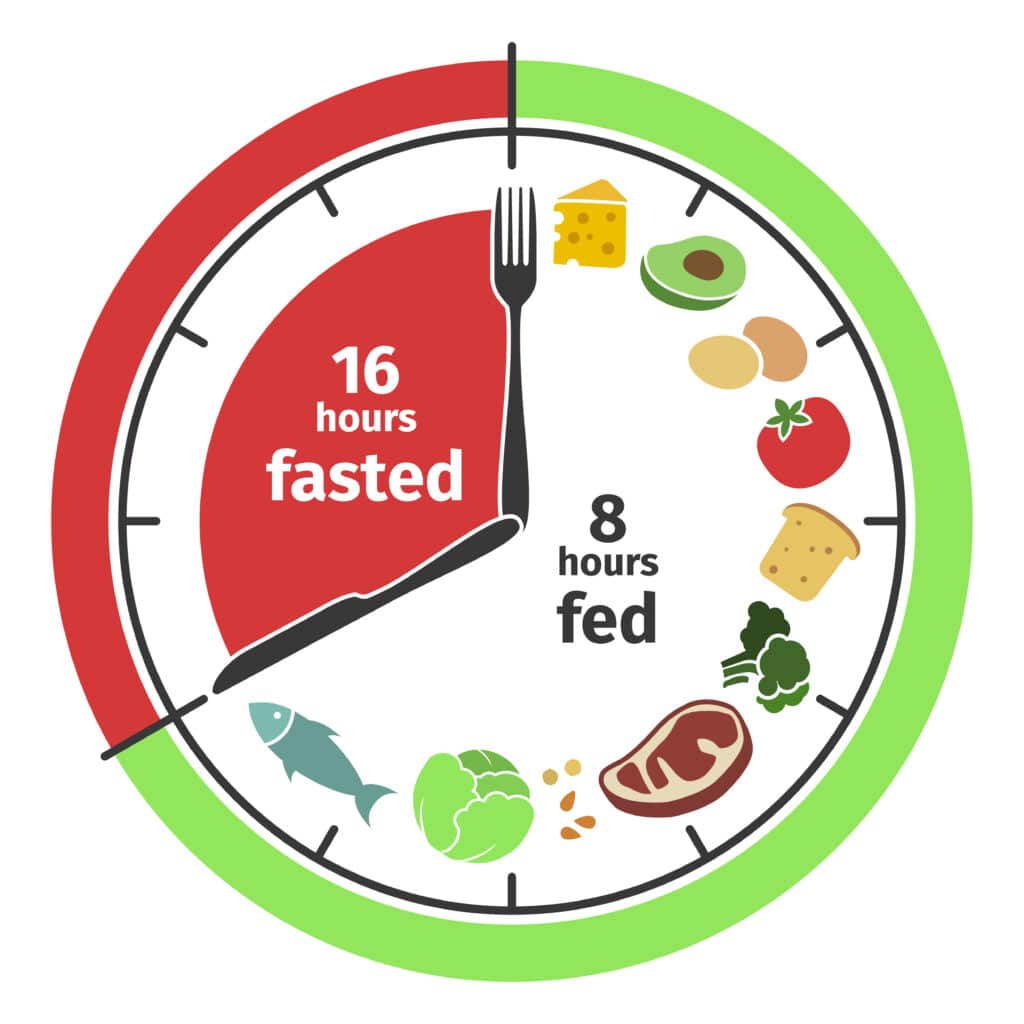
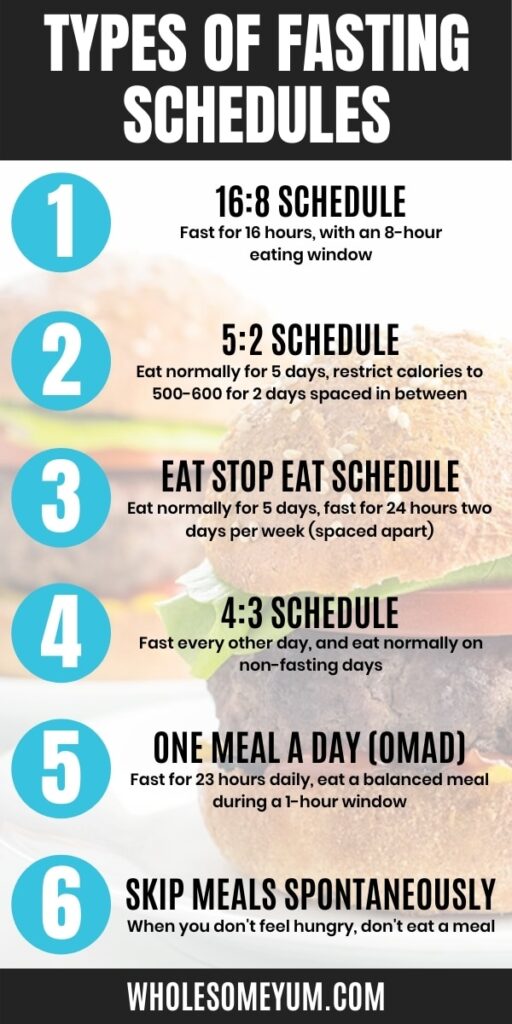
Intermittent Fasting involves dividing your day or week into fasting and eating windows. There are several popular methods, such as the 16/8 Method, where you fast for 16 hours and have an 8-hour eating window. Another approach is the 5:2 Diet, where you eat normally for five days and restrict calorie intake to 500-600 calories for the remaining two days. Alternate-Day Fasting involves alternating between fasting and eating days.
Benefits
- Weight Loss: Intermittent Fasting can be an effective tool for weight loss, as it helps to create a calorie deficit by reducing the overall amount of food consumed.
- Improved Insulin Sensitivity: By incorporating periods of fasting, intermittent fasting can help improve insulin sensitivity and regulate blood sugar levels, potentially reducing the risk of developing type 2 diabetes.
- Increased Autophagy: Autophagy, the process by which our cells remove damaged proteins and cellular debris, is enhanced during periods of fasting. This can have positive effects on cellular health and longevity.
- Cognitive Benefits: Some studies suggest that intermittent fasting may improve brain function, increase focus, and enhance mental performance by increasing the production of ketones during fasting periods.
Drawbacks
- Hunger and Discomfort: During fasting periods, it is common to experience hunger and discomfort, especially when first starting intermittent fasting. However, these feelings typically subside as your body adjusts to the new eating pattern.
- Social Challenges: Fasting for extended periods, especially during social activities or gatherings that revolve around food, can be challenging. It might require some adjustment and planning to ensure you can still enjoy social interactions while sticking to your fasting schedule.
- Potential Nutrient Deficiencies: If not correctly balanced, intermittent fasting can lead to nutrient deficiencies. It is crucial to ensure that your eating window provides adequate nutrition and includes a variety of nutrient-dense foods.

The Synergy between the Keto Diet and Intermittent Fasting
The combination of the Keto Diet and Intermittent Fasting can amplify the benefits of both practices and potentially provide synergistic effects on your health and well-being.
Increased Fat Burning
Both the Keto Diet and Intermittent Fasting promote fat burning in the body. When following a ketogenic diet, your body primarily relies on stored fat for energy. Intermittent Fasting further enhances this process by extending the period during which your body taps into fat stores for fuel. The combination of these two methods can accelerate fat loss and promote a leaner body composition.
Consistent Energy Levels
One common concern with traditional diets is the fluctuation in energy levels throughout the day. However, both the Keto Diet and Intermittent Fasting can help stabilize and provide consistent energy throughout the day. The keto diet offers a steady source of energy from fats, while intermittent fasting promotes the production and utilization of ketones, which can serve as a constant source of fuel for the brain and body.
Reduced Insulin Resistance
Both the Keto Diet and Intermittent Fasting have been shown to improve insulin sensitivity and reduce insulin resistance. Insulin resistance is a condition in which the body’s cells become less responsive to the effects of insulin, resulting in elevated blood sugar levels. By combining the two methods, you can potentially enhance the benefits of insulin sensitivity, reducing the risk of developing chronic conditions such as diabetes.
Getting Started with the Keto Diet
If you’re considering starting the Keto Diet, here are some essential steps to help you get started on your journey towards improved health and weight loss.
Understanding Macronutrient Ratios
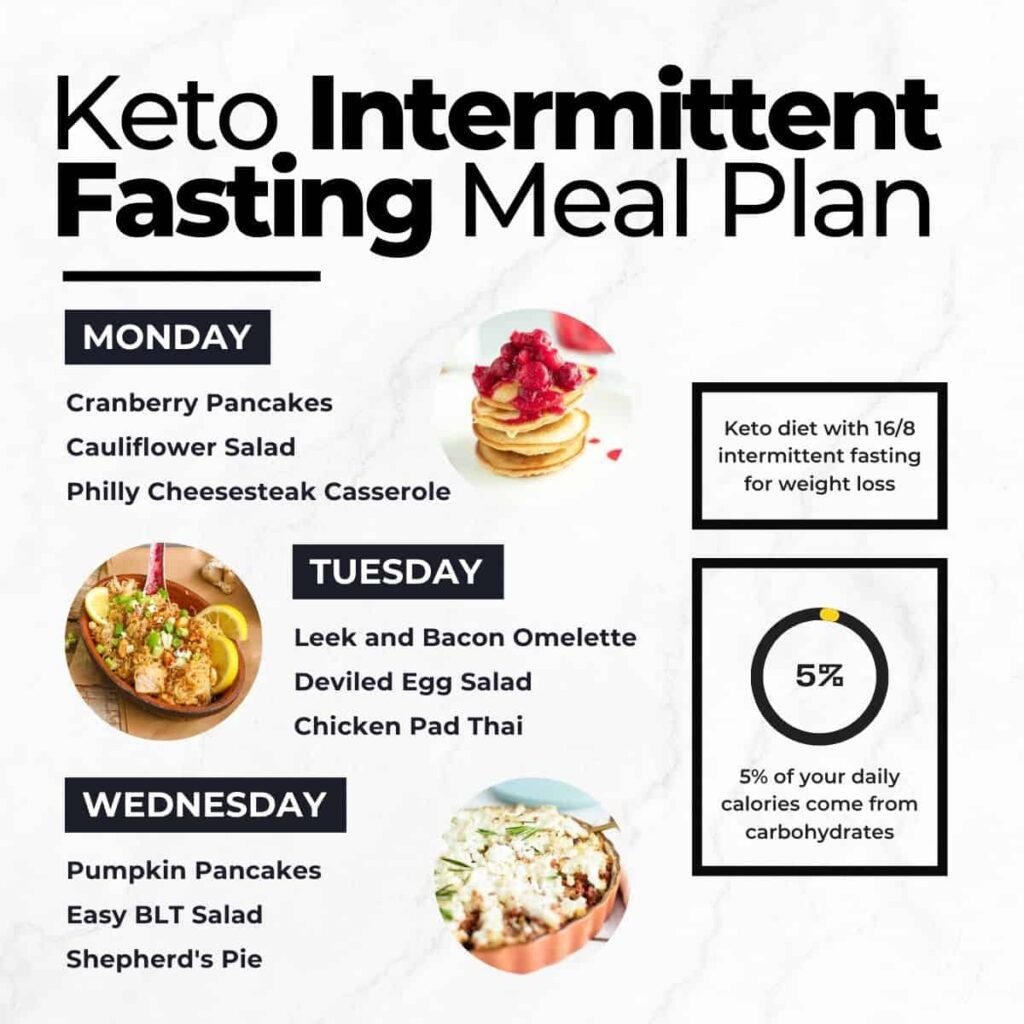
The Keto Diet requires understanding and adjusting your macronutrient ratios to promote ketosis effectively. Most individuals on a ketogenic diet aim for a daily intake of 70-75% fat, 20-25% protein, and 5-10% carbohydrates. Tracking your macronutrient intake using apps or online calculators can help ensure you achieve and maintain these ratios.
Choosing the Right Foods
To maintain ketosis, it’s crucial to choose foods that are low in carbohydrates and high in healthy fats. Incorporate foods such as avocados, nuts and seeds, olive oil, fatty fish, and grass-fed meats into your diet. Additionally, prioritize low-carb vegetables like leafy greens, broccoli, cauliflower, and zucchini. Avoid foods high in carbohydrates, such as grains, sugary snacks, and starchy vegetables.
Meal Planning and Preparation
Meal planning and preparation are essential for success on the Keto Diet. Plan your meals to ensure they include a balance of fats, proteins, and low-carb vegetables. Invest time in preparing meals in advance, utilizing cooking methods such as grilling, baking, or sautéing to achieve a variety of flavors. Having keto-friendly snacks readily available can also help you stay on track and prevent impulsive food choices.
Different Approaches to Intermittent Fasting
Intermittent Fasting offers various approaches, allowing flexibility to find the one that suits your lifestyle and goals. Here are three popular methods:
16/8 Method
The 16/8 Method involves fasting for 16 hours daily and restricting your eating window to 8 hours per day. For example, you might choose to skip breakfast and start eating your first meal at noon, finishing your last meal by 8 pm. This method is one of the most popular and can be seamlessly integrated into a daily routine.
5:2 Diet
The 5:2 Diet involves eating normally for five days of the week and restricting calorie intake to 500-600 calories for the remaining two days. These fasting days do not have to be consecutive, allowing flexibility in choosing which days work best for you. On fasting days, opt for nutrient-dense foods to ensure you meet your nutritional needs while adhering to the calorie restriction.
Alternate-Day Fasting
Alternate-day fasting requires alternating between fasting and eating days. On fasting days, calorie intake is significantly reduced or eliminated. This method can provide more extended periods of fasting, allowing for enhanced autophagy and potential weight loss benefits. It’s essential to listen to your body and adjust your eating and fasting days as needed.
Combining the Keto Diet and Intermittent Fasting
Combining the Keto Diet and Intermittent Fasting can provide a synergistic effect that enhances weight loss and overall health. Here are some benefits of the combination:
Switching to Fat-Burning Mode
The Keto Diet and Intermittent Fasting work together to switch your body into fat-burning mode. The low-carb, high-fat nature of the Keto Diet encourages your body to rely on stored fat for energy. At the same time, intermittent fasting prolongs the period during which your body produces and utilizes ketones. This combination maximizes fat-burning potential, helping you achieve your weight-loss goals more efficiently.
Enhanced Autophagy
Autophagy, the cellular self-cleaning process, is boosted by both the Keto Diet and Intermittent Fasting. During fasting periods, your body ramps up autophagy, a process that helps remove damaged cells and promotes cellular renewal. By inducing the metabolic state of ketosis through the Keto Diet, autophagy is further enhanced, potentially increasing its benefits to overall health and longevity.
Maintaining Muscle Mass
A common concern when losing weight is the potential loss of muscle mass. The combination of the Keto Diet and Intermittent Fasting can help preserve muscle mass while promoting fat loss. The high protein content in the Keto Diet, combined with intermittent fasting’s ability to increase growth hormone levels, can support muscle maintenance and even lean muscle gain.

Potential Side Effects and Risks
While the Keto Diet and Intermittent Fasting can offer numerous benefits, it’s essential to be aware of potential side effects and risks that may arise.
Keto Flu
When starting the Keto Diet, some individuals may experience symptoms known as the “keto flu.” These can include fatigue, headache, irritability, and digestive issues. This is typically a temporary and transitional phase as your body adjusts to using ketones as its primary fuel source. Staying hydrated, consuming adequate electrolytes, and gradually transitioning into the diet can help alleviate these symptoms.
Electrolyte Imbalance
The Keto Diet, in particular, can lead to electrolyte imbalances, as reducing carbohydrate intake affects how the body retains water and electrolytes. It is essential to replenish electrolytes, including sodium, potassium, and magnesium, to prevent symptoms such as muscle cramps, weakness, and fatigue. Consult your healthcare professional and consider electrolyte supplementation if needed.
Nutrient Deficiencies
Both the Keto Diet and Intermittent Fasting carry the risk of nutrient deficiencies if not adequately planned. Cutting out major food groups or restricting calorie intake can lead to a reduced intake of essential vitamins and minerals. To mitigate this risk, focus on consuming a variety of nutrient-dense foods and consider supplementation if necessary. Regular monitoring of nutrient levels and consultation with a healthcare professional is also recommended.
Tips for Success
To maximize your success with the Keto Diet and Intermittent Fasting, consider these helpful tips:
Stay Hydrated
Both the Keto Diet and Intermittent Fasting can increase the risk of dehydration. Make sure to drink plenty of water throughout the day to stay hydrated and support optimal bodily functions. Additionally, incorporating calorie-free beverages like herbal tea or black coffee during fasting windows can help curb hunger.
Listen to Your Body
Each person’s response to the Keto Diet and Intermittent Fasting may vary. It’s essential to listen to your body and make adjustments as needed. Pay attention to how you feel and consult with a healthcare professional if you have any concerns or questions.
Gradual Transition
When starting the Keto Diet or Intermittent Fasting, allow your body time to adjust. Gradually reduce carbohydrate intake or increase progressively fasting periods to minimize potential side effects. Sudden, drastic changes may lead to discomfort and can hinder long-term adherence to these lifestyle choices.
Frequently Asked Questions
Can I Drink Coffee during Intermittent Fasting?
Yes, black coffee is generally allowed during intermittent fasting. It contains minimal to no calories and can help suppress appetite. However, avoid adding sweeteners or high-calorie additives, as they may break your fasting period.
How Long Does It Take to Enter a State of Ketosis?
The time it takes to enter ketosis can vary from person to person. Generally, it can take anywhere from two to seven days of strict carbohydrate restriction to deplete glycogen stores and enter a state of ketosis. Testing ketone levels using urine strips or blood ketone meters can provide more accurate information.
Can I Do Intermittent Fasting Without Following a Keto Diet?
Yes, intermittent fasting can be practiced without following a keto diet. While the two can complement each other, it’s not essential to combine them. Intermittent fasting can still provide health benefits and weight loss benefits on its own, regardless of dietary preferences.
The combination of the Keto Diet and Intermittent Fasting offers a powerful tool for weight loss, improved energy levels, and overall health. By utilizing the benefits of increased fat burning, consistent energy, and reduced insulin resistance, this approach can potentially help you achieve your health and wellness goals.
Remember to consult with a healthcare professional before making any significant dietary changes, and personalize your approach to suit your individual needs and preferences. Experience the benefits of the Keto Diet and Intermittent Fasting while prioritizing your well-being.
RELATED TOPICS ABOUT Keto Diet And Intermittent Fasting:
Keto and Intermittent Fasting,
Intermittent Fasting on Keto,
Keto Diet with Intermittent Fasting,
If and Keto Combined,
Doing Keto and Intermittent Fasting Together,
Keto Fasting Plan,
Keto Intermittent Fasting for Weight Loss,
Fat Burning on Keto and if,
Keto Fasting Benefits,
Keto and if for Belly Fat,
Ketosis and Fasting,
Keto Intermittent Fasting Results,
16/8 Intermittent Fasting Keto,
Omad Keto (one Meal a Day),
18/6 Fasting Keto Plan,
20/4 Intermittent Fasting Keto,
Best Fasting Window for Keto,
Keto Fasting Schedule,
Keto Fasting Meal Plan,
Keto Meals for Intermittent Fasting,
What to Eat After Fasting on Keto,
Intermittent Fasting Keto Meal Ideas,
Keto Breakfast for Fasting,
Low Carb Meals to Break a Fast,
Keto Intermittent Fasting for Women,
Keto and if for Beginners,
Keto Fasting over 40,
Keto Fasting for Diabetics,
Intermittent Fasting and Keto for Seniors,
Keto and if for Busy Lifestyles,
Keto Intermittent Fasting Chart,
Keto if Printable Meal Plan,
Keto and if Daily Schedule Pdf,
Keto Fasting Tracker,
Success Stories: Keto and Intermittent Fasting,
Keto and if Weekly Planner
==========
Content 10/10/G


