The Keto diet, short for ketogenic diet, is a low-carbohydrate, high-fat eating plan that has gained immense popularity in recent years. At its core, the Keto diet aims to shift your body’s metabolism from relying on carbohydrates for energy to utilizing fats instead. This metabolic state is known as ketosis, where your body becomes highly efficient at burning fat for fuel.
By drastically reducing your carbohydrate intake and replacing it with healthy fats, you can encourage your body to enter this state of ketosis, leading to various health benefits, including weight loss and improved mental clarity. As you embark on this dietary journey, you may find that the Keto diet not only helps you shed unwanted pounds but also enhances your overall well-being. Many individuals report increased energy levels and reduced cravings for sugary foods.
However, transitioning to a Keto lifestyle can be challenging at first, as it requires a significant change in how you view food and meal preparation. Understanding the principles behind the Keto diet is essential for successfully navigating this new way of eating.
Key Takeaways
- The Keto Diet is a low-carb, high-fat diet that helps the body enter a state of ketosis, where it burns fat for fuel.
- Ketosis is a metabolic state in which the body produces ketones for energy by breaking down fats in the liver.
- Essential keto foods for beginners include avocados, eggs, olive oil, and non-starchy vegetables like spinach and broccoli.
- Meats and protein sources for keto include chicken, turkey, beef, and fatty fish like salmon and mackerel.
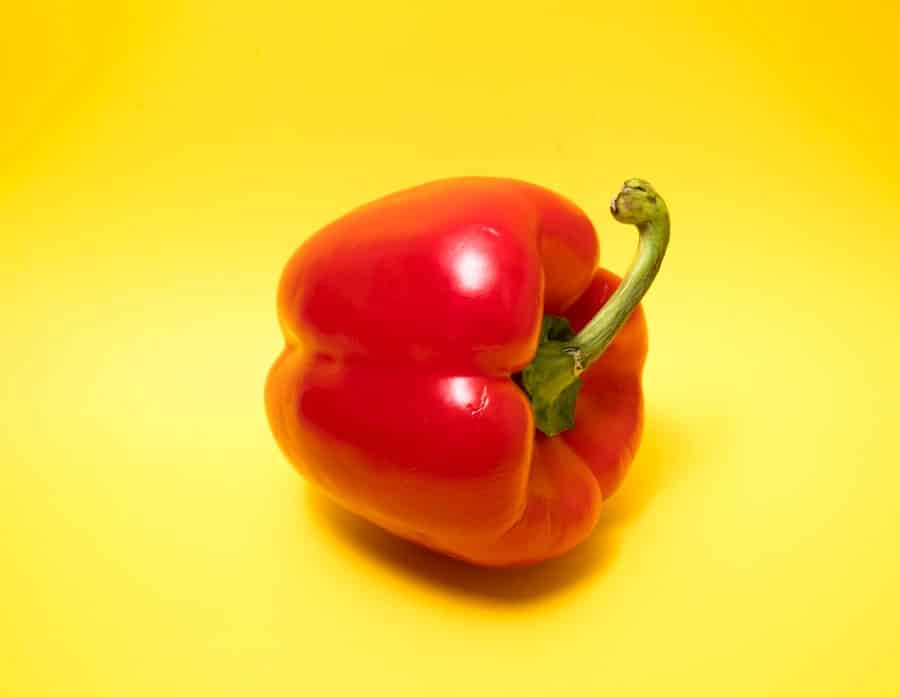
- Low-carb vegetables to include in your diet are leafy greens, bell peppers, cauliflower, and zucchini.
Understanding the Basics of Ketosis
To fully grasp the Keto diet, it’s crucial to understand the concept of ketosis. When you consume a typical diet rich in carbohydrates, your body breaks down these carbs into glucose, which serves as the primary source of energy. However, when you significantly reduce your carbohydrate intake, your body is forced to find an alternative energy source.
This is where ketosis comes into play. In this state, your liver converts fatty acids into ketones, which can be used as fuel for your brain and body. Entering ketosis can take anywhere from a few days to a couple of weeks, depending on various factors such as your previous diet and activity level.
During this transition period, you may experience symptoms commonly referred to as the “keto flu,” which can include fatigue, headaches, and irritability. However, these symptoms are typically temporary and can be alleviated by staying hydrated and ensuring you’re consuming enough electrolytes. Once you successfully enter ketosis, many people report feeling more focused and energized, making the initial challenges worth it.
Essential Keto Foods for Beginners
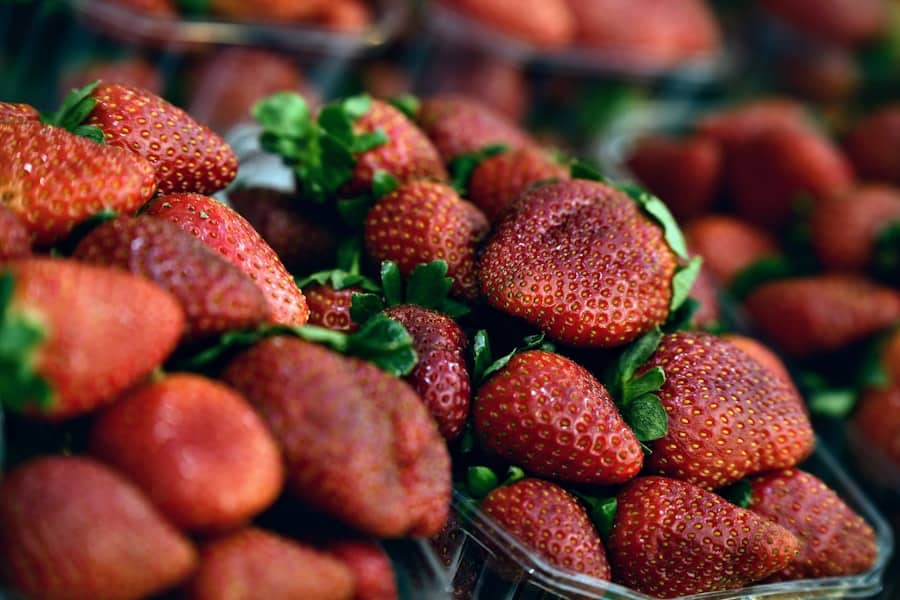
As you begin your Keto journey, it’s essential to stock your kitchen with the right foods that align with this low-carb lifestyle. Focus on whole, unprocessed foods that are high in healthy fats and low in carbohydrates. This includes avocados, olive oil, coconut oil, and fatty cuts of meat.
These foods not only provide the necessary nutrients but also help keep you satiated throughout the day. In addition to healthy fats, incorporating moderate amounts of protein is vital for maintaining muscle mass while on the Keto diet. Foods like eggs, fish, and poultry are excellent sources of protein that fit perfectly into your meal plans.
It’s also important to include low-carb vegetables such as leafy greens and cruciferous vegetables to ensure you’re getting enough fiber and essential vitamins. By familiarizing yourself with these essential foods, you’ll be better equipped to create delicious and satisfying meals that adhere to the principles of the Keto diet.
Meats and Protein Sources for Keto
When it comes to protein sources on the Keto diet, you have a wide variety of options to choose from. Meats such as beef, pork, chicken, and turkey are all excellent choices that are not only low in carbohydrates but also rich in essential nutrients like iron and B vitamins. Opting for fatty cuts of meat can help you meet your daily fat intake goals while providing a satisfying meal that keeps hunger at bay.
In addition to traditional meats, consider incorporating other protein sources like fish and seafood into your diet. Fatty fish such as salmon and mackerel are particularly beneficial due to their high omega-3 fatty acid content. These healthy fats can support heart health and reduce inflammation in the body.
Eggs are another fantastic protein source that is versatile and easy to prepare. They can be scrambled, boiled, or made into omelets filled with low-carb vegetables for a nutritious breakfast or snack option.
Low-Carb Vegetables to Include in Your Diet
While many vegetables are packed with nutrients, not all are suitable for a Keto diet due to their carbohydrate content. However, there are plenty of low-carb options that you can enjoy without compromising your dietary goals. Leafy greens such as spinach, kale, and arugula are excellent choices that provide essential vitamins and minerals while being extremely low in carbs.
Cruciferous vegetables like broccoli, cauliflower, and Brussels sprouts are also great additions to your Keto meal plan. These vegetables are not only low in carbohydrates but also high in fiber, which can aid digestion and help keep you feeling full. Incorporating a variety of these low-carb vegetables into your meals will not only enhance the flavor but also ensure that you’re getting a well-rounded intake of nutrients while adhering to your Keto lifestyle.
Healthy Fats to Incorporate into Your Meals
Selecting the Right Fats
When choosing fats for your meals, focus on sources that offer nutritional benefits along with flavor.
Olive Oil: A Heart-Healthy Option
Olive oil is an excellent option for salad dressings or drizzling over cooked vegetables due to its heart-healthy monounsaturated fats.
Other Healthy Fat Sources
Coconut oil is another popular choice among those following the Keto diet because it contains medium-chain triglycerides (MCTs), which can be quickly converted into ketones for energy. Additionally, incorporating avocados into your meals not only adds creaminess but also provides essential nutrients like potassium and fiber. By prioritizing these healthy fats in your cooking and meal preparation, you’ll create satisfying dishes that align with your dietary goals while promoting overall health.
Dairy Products for Keto Beginners
Dairy products can be a delicious and nutritious part of your Keto diet if chosen wisely. Full-fat dairy options such as cheese, heavy cream, and Greek yogurt can provide essential fats and protein while keeping carbohydrate intake low. Cheese is particularly versatile; it can be used in various dishes or enjoyed as a snack on its own.
When selecting dairy products, it’s important to opt for those that are minimally processed and free from added sugars. Heavy cream can be used in coffee or incorporated into sauces for added richness without adding unnecessary carbs. Greek yogurt is another excellent choice; just be sure to choose full-fat versions with no added sugars for a satisfying snack or breakfast option that fits within your dietary framework.
Nuts and Seeds as Keto-Friendly Snacks
Nuts and seeds make for excellent snacks on the Keto diet due to their healthy fat content and low carbohydrate levels. Almonds, walnuts, pecans, and macadamia nuts are all great choices that provide essential nutrients while keeping you satisfied between meals. They are also rich in fiber, which can aid digestion and help maintain stable blood sugar levels.
Seeds such as chia seeds and flaxseeds are also beneficial additions to your Keto snack repertoire. Chia seeds can absorb liquid and expand in your stomach, helping you feel fuller for longer periods. Flaxseeds are high in omega-3 fatty acids and can be easily incorporated into smoothies or baked goods for added nutrition.
By keeping a variety of nuts and seeds on hand, you’ll have convenient snack options that align perfectly with your Keto lifestyle.
Beverages to Enjoy on the Keto Diet
Staying hydrated is crucial on any diet, including the Keto diet. While water should always be your go-to beverage choice, there are several other options that fit well within the parameters of a low-carb lifestyle. Unsweetened tea—whether it’s black, green, or herbal—can be enjoyed hot or iced without adding any carbohydrates to your daily intake.
Coffee is another popular beverage among those following the Keto diet; many people enjoy it black or with a splash of heavy cream for added richness. If you’re looking for something more flavorful, consider adding sugar-free flavored syrups or spices like cinnamon for an extra kick without the carbs. Additionally, sparkling water can be a refreshing alternative to sugary sodas while still providing a satisfying fizz.
Sweeteners and Condiments for Keto Cooking
When it comes to sweetening your foods on the Keto diet, traditional sugars are off-limits due to their high carbohydrate content. However, there are several keto-friendly sweeteners available that allow you to enjoy sweetness without derailing your dietary goals. Stevia and erythritol are popular choices among those following a low-carb lifestyle; they provide sweetness without impacting blood sugar levels significantly.
Condiments can also play a significant role in enhancing the flavor of your meals while adhering to the principles of the Keto diet. Mustard, mayonnaise (preferably made with healthy oils), and sugar-free ketchup can add zest to your dishes without adding unnecessary carbs. By being mindful of the sweeteners and condiments you choose, you can elevate your meals while staying true to your dietary objectives.
Tips for Meal Planning and Preparing Keto-Friendly Foods
Meal planning is an essential aspect of successfully navigating the Keto diet. By taking the time to plan out your meals for the week ahead, you can ensure that you have all the necessary ingredients on hand while avoiding last-minute temptations that may lead you astray from your goals. Start by creating a list of keto-friendly recipes that excite you; this will make meal preparation more enjoyable.
When preparing meals, consider batch cooking or prepping ingredients in advance to save time during busy weekdays. For example, cooking large portions of protein sources like chicken or beef at once allows you to have ready-to-eat meals throughout the week. Additionally, pre-chopping vegetables or portioning out snacks can make it easier to stick to your dietary plan when hunger strikes unexpectedly.
By implementing these meal planning strategies into your routine, you’ll set yourself up for success on your Keto journey while enjoying delicious food along the way.
FAQs
What is the keto diet?
The keto diet is a high-fat, low-carbohydrate diet that has been shown to help with weight loss and improve overall health. It involves drastically reducing carbohydrate intake and replacing it with fat, forcing the body into a state of ketosis.
What are some keto-friendly foods for beginners?
Some keto-friendly foods for beginners include meats, fish, eggs, low-carb vegetables, high-fat dairy, nuts and seeds, and healthy oils such as olive oil and coconut oil.
What foods should be avoided on a keto diet?
Foods to avoid on a keto diet include sugary foods, grains or starches, fruit, beans or legumes, root vegetables, low-fat or diet products, and unhealthy fats.
How can I make sure I am getting enough nutrients on a keto diet?
To ensure you are getting enough nutrients on a keto diet, focus on consuming a variety of low-carb vegetables, incorporating healthy fats, and choosing high-quality sources of protein. It may also be beneficial to take a multivitamin or mineral supplement.
Are there any potential side effects of starting a keto diet?
Some potential side effects of starting a keto diet, often referred to as the “keto flu,” may include headache, fatigue, dizziness, irritability, and constipation. These symptoms are usually temporary and can be minimized by staying hydrated and consuming enough electrolytes.