Keto bread is a low-carbohydrate alternative to traditional bread, designed to fit within the ketogenic diet framework. This diet emphasizes high-fat, moderate-protein, and very low carbohydrate intake, which can lead to a state of ketosis where your body burns fat for fuel instead of carbohydrates. Traditional bread, made from wheat flour, is typically high in carbs, making it unsuitable for those following a keto lifestyle.
Keto bread, on the other hand, is crafted using alternative flours and ingredients that are low in carbohydrates, allowing you to enjoy the texture and taste of bread without the carb overload. You might be surprised to learn that keto bread can be made from a variety of ingredients, including almond flour, coconut flour, and even seeds. These alternatives not only reduce the carbohydrate content but also add unique flavors and textures that can enhance your meals.
Whether you’re looking for a sandwich base, a side for your soup, or simply something to slather with butter, keto bread can be a versatile addition to your diet. However, if you’re following an egg-free diet due to allergies or personal preferences, you may find it challenging to locate suitable recipes. This is where egg-free keto bread comes into play.
Key Takeaways
- Keto bread is a low-carb, high-fat bread alternative that is popular among those following a ketogenic diet.
- Egg-free keto bread offers the benefits of being suitable for those with egg allergies or following a vegan keto diet.
- The best ingredients for egg-free keto bread include almond flour, coconut flour, psyllium husk, and baking powder.
- Making egg-free keto bread involves mixing the dry ingredients, adding the wet ingredients, and baking in a loaf pan.
- Tips for baking egg-free keto bread include using room temperature ingredients, greasing the loaf pan, and allowing the bread to cool before slicing.
The Benefits of Egg-Free Keto Bread
One of the primary benefits of egg-free keto bread is its accessibility for those with dietary restrictions. Many people are allergic to eggs or choose to avoid them for ethical reasons. By opting for egg-free versions, you can still enjoy the pleasures of bread without compromising your health or values.
This inclusivity allows more individuals to partake in the keto lifestyle without feeling left out or deprived of their favorite foods. Additionally, egg-free keto bread can be lighter and fluffier than its egg-based counterparts. Without the heaviness that eggs can sometimes impart, you may find that these breads have a more delicate texture that pairs well with various toppings and spreads.
This can make your meals feel more satisfying and enjoyable, as you can experiment with different flavors and combinations without the weight of traditional bread weighing you down.
The Best Ingredients for Egg-Free Keto Bread
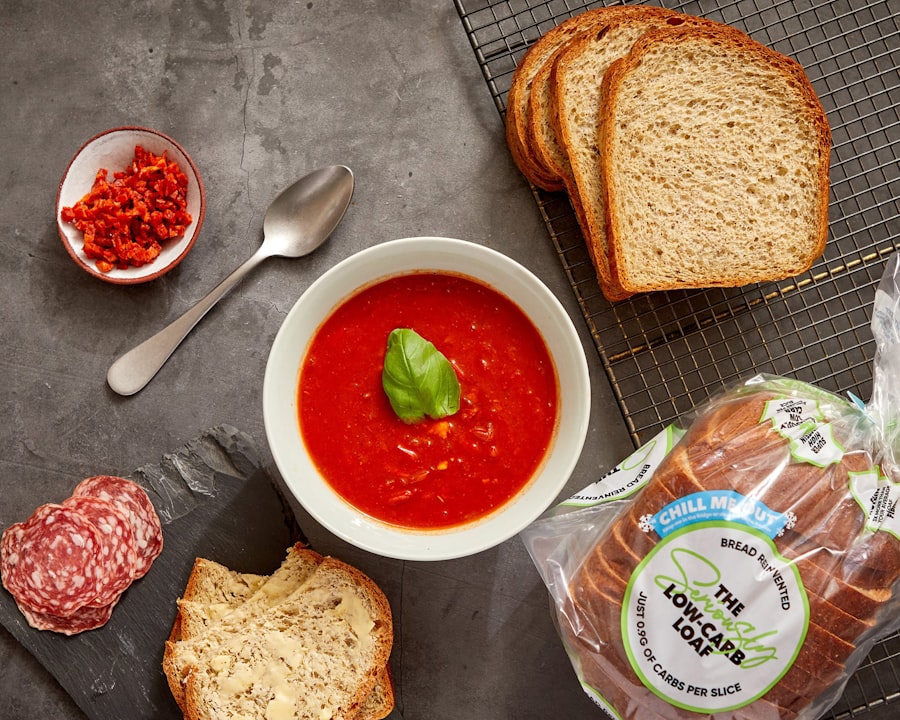
When it comes to crafting egg-free keto bread, selecting the right ingredients is crucial for achieving the desired taste and texture. Almond flour is often a go-to choice due to its low carbohydrate content and nutty flavor. It provides a moist crumb and works well in various recipes.
Coconut flour is another popular option; however, it absorbs more moisture than almond flour, so it’s essential to adjust your liquid ingredients accordingly when using it. In addition to these flours, you might consider incorporating flaxseed meal or chia seeds as binding agents. When mixed with water, these seeds create a gel-like consistency that mimics the binding properties of eggs.
This not only helps hold your bread together but also adds healthy omega-3 fatty acids and fiber to your recipe. Other ingredients like psyllium husk powder can also enhance the texture and provide additional fiber, making your egg-free keto bread both nutritious and satisfying.
How to Make Egg-Free Keto Bread
Making egg-free keto bread at home is a straightforward process that allows you to customize flavors and textures according to your preferences. Start by gathering your ingredients: almond flour or coconut flour, flaxseed meal or chia seeds, baking powder, salt, and any additional flavorings like herbs or spices. You’ll also need a liquid component such as water or unsweetened almond milk to help bind everything together.
Begin by mixing your dry ingredients in a bowl until well combined. In a separate bowl, prepare your flaxseed or chia seed mixture by combining it with water and letting it sit for a few minutes until it thickens. Once ready, add this mixture to your dry ingredients along with your chosen liquid.
Stir until everything is well incorporated, then pour the batter into a greased loaf pan. Bake in a preheated oven until golden brown and firm to the touch. Allow it to cool before slicing, and enjoy your homemade egg-free keto bread!
Tips for Baking Egg-Free Keto Bread
Baking egg-free keto bread can be a rewarding experience, but there are some tips you should keep in mind to ensure success. First and foremost, pay attention to the moisture content of your batter. Since egg-free recipes often rely on alternative binding agents like flaxseed or chia seeds, it’s essential to strike the right balance between wet and dry ingredients.
If your batter seems too dry, consider adding a bit more liquid; conversely, if it’s too wet, a little extra flour can help. Another important tip is to allow your bread to cool completely before slicing. This step is crucial because it helps the structure set properly, preventing crumbling when you cut into it.
If you’re experimenting with flavors or add-ins like nuts or seeds, be mindful of how they might affect the overall texture of your bread. Start with small amounts and adjust as needed based on your preferences.
Egg-Free Keto Bread Recipes to Try
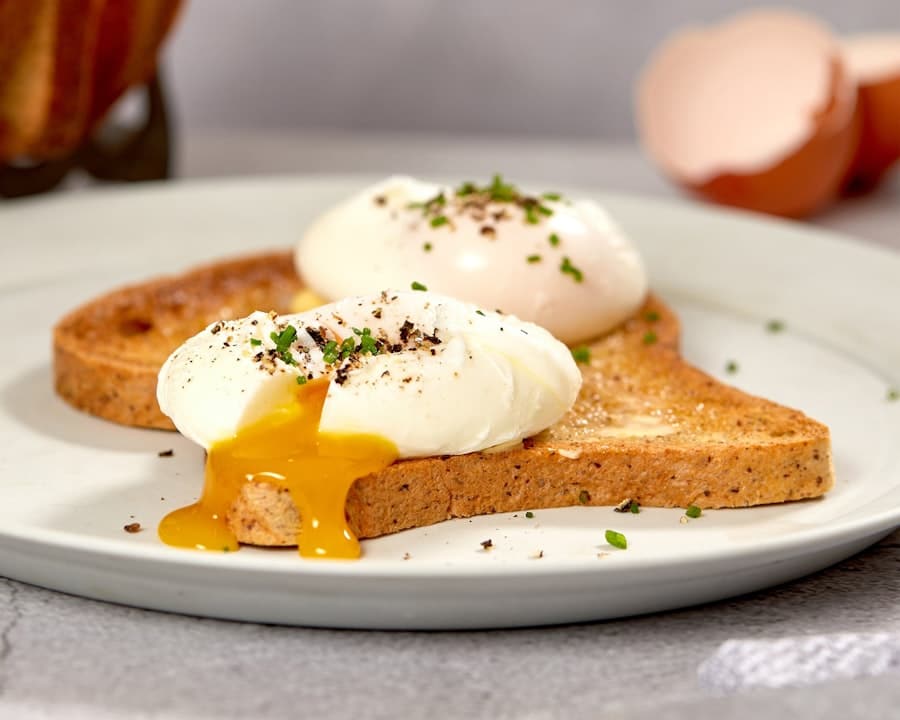
If you’re eager to dive into the world of egg-free keto bread baking, there are numerous recipes you can explore. One popular option is almond flour bread with flaxseed meal. This recipe combines almond flour with ground flaxseeds and baking powder for a simple yet delicious loaf that’s perfect for sandwiches or toast.
You can also add herbs like rosemary or thyme for an aromatic twist. Another delightful recipe involves coconut flour bread with chia seeds. This version uses coconut flour as its base and incorporates chia seeds for added texture and nutrition.
The result is a slightly sweet bread that pairs wonderfully with nut butter or avocado spread. Don’t hesitate to experiment with spices like cinnamon or garlic powder to create unique flavor profiles that suit your taste buds.
How to Store Egg-Free Keto Bread
Proper storage is essential for maintaining the freshness of your egg-free keto bread. If you plan to consume it within a few days, store it in an airtight container at room temperature. This will help retain moisture while preventing it from becoming stale.
If you live in a particularly humid environment, consider refrigerating it to prolong its shelf life. For longer storage options, freezing is an excellent choice. Slice your cooled egg-free keto bread and wrap each slice individually in plastic wrap or aluminum foil before placing them in a freezer-safe bag.
This way, you can easily grab a slice whenever you need it without having to defrost the entire loaf. When you’re ready to enjoy it again, simply toast or warm up the slices directly from the freezer.
Egg-Free Keto Bread as a Snack or Meal Option
Egg-free keto bread can serve as an excellent snack or meal option that fits seamlessly into your daily routine. You might find yourself reaching for a slice topped with avocado and sprinkled with salt for a quick yet satisfying snack. Alternatively, consider using it as a base for open-faced sandwiches loaded with your favorite toppings—think smoked salmon with cream cheese or turkey with spinach.
For breakfast, you could whip up some delicious French toast using your egg-free keto bread recipe. Simply soak slices in a mixture of unsweetened almond milk and cinnamon before cooking them on a skillet until golden brown. The possibilities are endless when it comes to incorporating this versatile bread into your meals throughout the day.
Egg-Free Keto Bread for Those with Egg Allergies
For individuals with egg allergies, finding suitable alternatives can be challenging—especially when it comes to baked goods like bread. Egg-free keto bread provides an excellent solution by allowing those with allergies to enjoy the taste and texture of bread without any adverse reactions. By using alternative binding agents such as flaxseed meal or chia seeds, you can create delicious loaves that cater specifically to your dietary needs.
Moreover, egg-free keto bread opens up new culinary possibilities for those who may have felt restricted by their allergies in the past. You can experiment with various flavors and textures while still adhering to your dietary requirements. This inclusivity not only enhances your meal options but also fosters creativity in the kitchen.
Egg-Free Keto Bread for a Vegan Keto Diet
If you’re following a vegan keto diet, egg-free keto bread becomes an essential staple in your culinary repertoire. Traditional vegan baking often relies on eggs as binding agents; however, with innovative alternatives like flaxseed meal and chia seeds, you can create delicious breads that align perfectly with both veganism and ketogenic principles. Incorporating egg-free keto bread into your vegan diet allows you to enjoy all the benefits of low-carb eating while adhering to ethical dietary choices.
You can use this versatile bread for sandwiches filled with plant-based proteins or as a side dish for hearty salads and soups. The combination of veganism and keto may seem challenging at first glance, but egg-free keto bread proves that delicious options are readily available.
The Future of Egg-Free Keto Bread
As dietary preferences continue to evolve and more people seek out alternatives that cater to their specific needs, the future of egg-free keto bread looks promising. With an increasing awareness of food allergies and dietary restrictions, more bakers and food manufacturers are likely to develop innovative recipes that prioritize inclusivity without sacrificing taste or texture. Moreover, advancements in food technology may lead to even more exciting developments in the realm of egg-free baking.
As new ingredients emerge that mimic traditional baking components more effectively, you’ll likely see an expansion of options available on grocery store shelves as well as online platforms dedicated to healthy eating. The future holds great potential for those seeking delicious and nutritious alternatives that fit their lifestyles—egg-free keto bread being at the forefront of this culinary evolution.
FAQs
What is egg-free keto bread?
Egg-free keto bread is a type of bread that is suitable for those following a ketogenic diet and is made without the use of eggs. It is low in carbohydrates and high in healthy fats, making it a popular choice for those looking to reduce their carb intake.
What are the main ingredients in egg-free keto bread?
The main ingredients in egg-free keto bread typically include almond flour, coconut flour, psyllium husk powder, baking powder, salt, and a liquid such as water or almond milk. Some recipes may also include ingredients like flaxseed meal or chia seeds.
What are the benefits of egg-free keto bread?
Egg-free keto bread offers a number of benefits for those following a ketogenic diet, including being low in carbohydrates, high in healthy fats, and suitable for individuals with egg allergies or dietary restrictions. It can also help satisfy cravings for bread while still adhering to a low-carb lifestyle.
Is egg-free keto bread suitable for vegans?
Yes, egg-free keto bread is suitable for vegans as it does not contain any animal products, including eggs. It is a great option for those following a vegan ketogenic diet or for individuals looking for a plant-based alternative to traditional bread.
How can I make egg-free keto bread at home?
There are many recipes available online for making egg-free keto bread at home. These recipes typically involve mixing the dry ingredients together, adding the wet ingredients, shaping the dough into a loaf, and baking it in the oven. It’s important to follow the recipe closely to achieve the best results.