Have you ever wondered how you could transform your diet and potentially improve your health all while enjoying delicious foods? The keto diet has gained popularity for its potential benefits, but understanding the ins and outs can be a little tricky. Let’s break it down together!

What Is the Keto Diet?
The ketogenic diet, often termed the keto diet, is a low-carb, high-fat dietary plan. This diet encourages the body to enter a state of ketosis, where it burns fat for fuel instead of carbohydrates. By significantly reducing your carbohydrate intake and replacing it with fat, you can shift your metabolism into this fat-burning mode.
How Does Ketosis Work?
When you drastically reduce carbohydrates and increase fats, your body begins to run on ketones, which are produced from fatty acids in the liver. This metabolic shift can lead to various health benefits, making it a compelling choice for many. Often, people report increased energy levels and less hunger.
Benefits of the Keto Diet
Understanding the many advantages of the keto diet can help you make an informed decision regarding your health. Here are some benefits you might experience:
Weight Loss
One of the most cited benefits of the keto diet is weight loss. When you’re in ketosis, your body becomes adept at burning fat, which can lead to weight loss without the necessity for strict calorie counting.
Improved Energy Levels
Many people report feeling more energetic when on a well-formulated keto diet. This can be attributed to the stable energy source produced through ketosis, resulting in fewer spikes and dips in energy.
Mental Clarity
Some individuals also note improved mental clarity and focus. The brain uses ketones efficiently, and many find that their cognitive functions improve once they adapt to this dietary change.
Blood Sugar Control
A keto diet may help in regulating blood sugar levels. By reducing carbohydrate intake, you limit glucose spikes, which is beneficial particularly for those dealing with insulin resistance or diabetes.
Heart Health
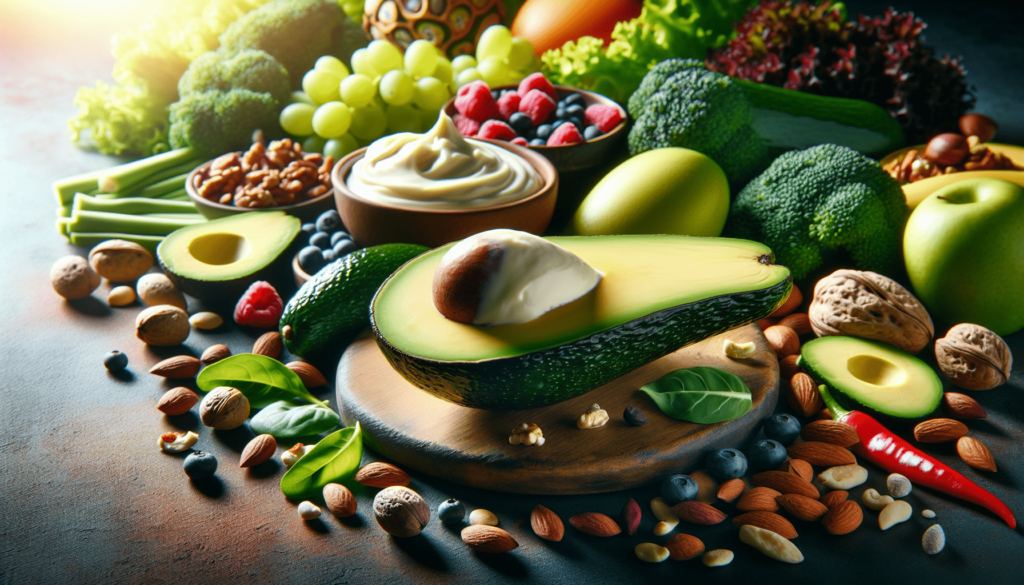
With the inclusion of healthy fats like avocados, nuts, and olive oil, a ketogenic diet can also lead to improved cholesterol levels, potentially improving heart health in the long run.
Potential Downsides of the Keto Diet
While the keto diet has its benefits, it’s not without its challenges. Here are some potential downsides to be aware of:
Nutrient Deficiencies
Since the keto diet is restrictive, you might miss out on essential vitamins and minerals. It’s vital to ensure you include plenty of low-carb vegetables and monitor your nutrient intake.
Keto Flu
Some individuals experience what’s known as the “keto flu” when starting the diet. This can include symptoms such as fatigue, headaches, and irritability as your body adapts. These symptoms are typically temporary.
Sustainability
For some, the strict nature of the keto diet can be daunting in the long term. Adhering to a low-carb lifestyle might not be feasible for everyone. It’s important to evaluate if this dietary choice aligns with your lifestyle.
Getting Started with the Keto Diet
If you’re considering transitioning to a keto lifestyle, here’s a simple guide to help you start on the right path.
Understanding Macronutrients
The core principle of the keto diet involves adjusting your macronutrient intake, which typically looks like this:
| Macronutrient | Percentage of Daily Calories |
|---|---|
| Fats | 70-75% |
| Protein | 20-25% |
| Carbohydrates | 5-10% |
You’ll want to focus on healthy fats while moderating protein intake and strictly limiting carbs.
Foods to Include
Here are some great food options to include in your keto diet:
- Healthy Fats: Olive oil, coconut oil, avocado oil, nuts, and seeds.
- Meats: Fatty cuts of meat, poultry, fish, and eggs.
- Dairy: Cheese, heavy cream, and full-fat yogurt.
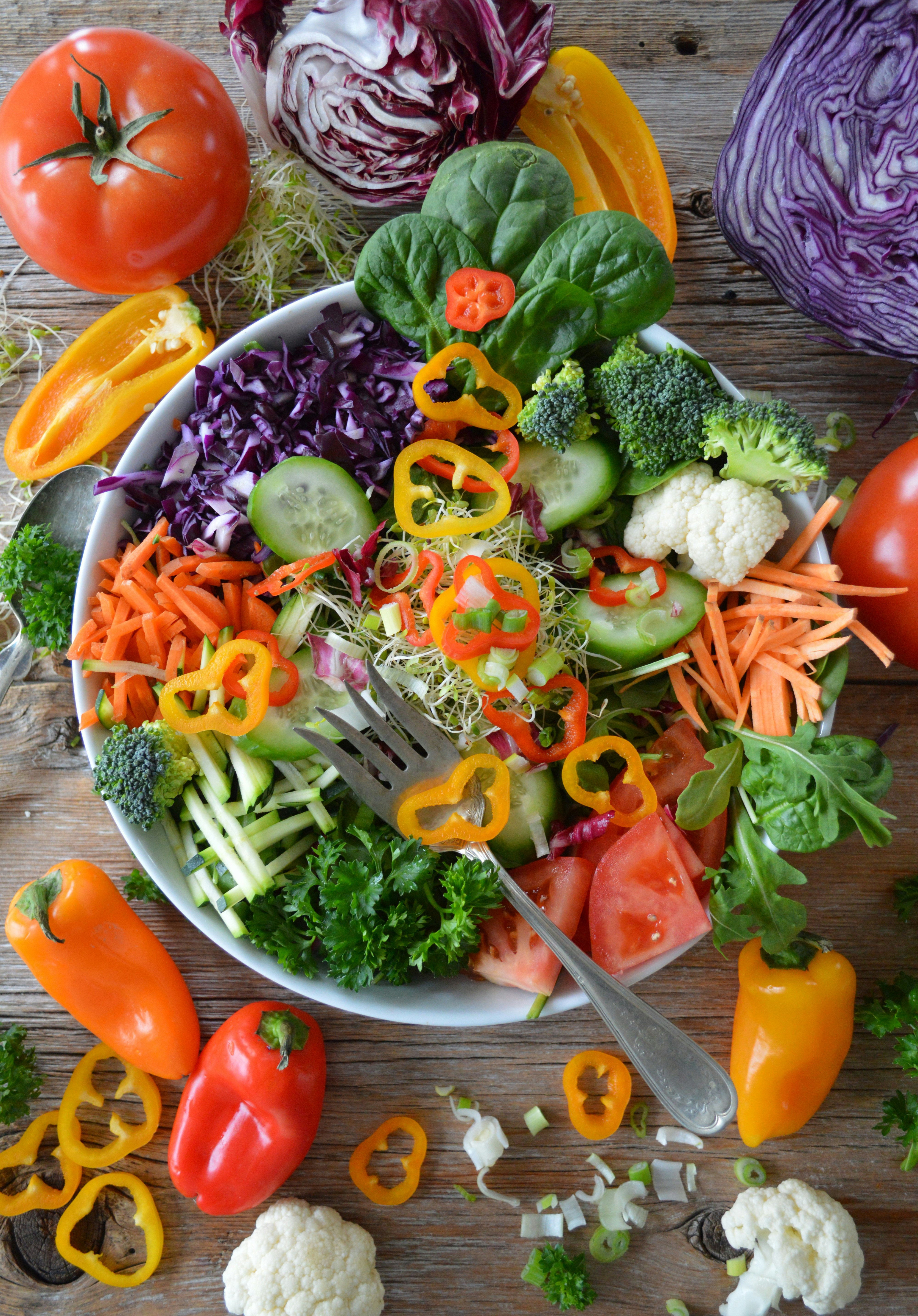
- Low-Carb Vegetables: Leafy greens, broccoli, cauliflower, and zucchini.
Foods to Avoid
You’ll also want to steer clear of certain foods that can hinder your journey:
- High-Carb Foods: Bread, pasta, rice, and sugary treats.
- Starchy Vegetables: Potatoes, peas, and corn.
- Fruits: Most fruits are high in sugars, but berries can be enjoyed in moderation.
Meal Planning and Preparation
Planning is essential when starting the keto diet. Consider creating a meal plan that aligns with your dietary goals to simplify the process. Meal prepping can also make it easier to stick to your keto plan during busy days.
Consider this simple 3-day meal plan for inspiration:
| Meal | Day 1 | Day 2 | Day 3 |
|---|---|---|---|
| Breakfast | Scrambled eggs with avocado | Smoothie with spinach and coconut milk | Omelette with cheese and herbs |
| Lunch | Spinach salad with chicken | Zucchini noodles with pesto | Cauliflower rice stir-fry |
| Dinner | Grilled salmon with asparagus | Beef stir-fry with low-carb veggies | Pork chops with brussels sprouts |
Make sure to adjust serving sizes based on your specific dietary requirements.

Common Myths About the Keto Diet
As with any diet, misconceptions abound regarding the keto diet. Let’s tackle some of these myths:
Myth: Keto is Dangerous for Your Health
While any major dietary change carries potential risks, many studies suggest that a well-formulated keto diet can be safe for most individuals. It’s essential to consult with a healthcare professional before making significant dietary changes, especially if you have existing health conditions.
Myth: You Can’t Eat Carbs at All
Some people think the keto diet means they can’t eat any carbs. The truth is that you can enjoy some low-carb options while still remaining within your carb limit. The key is moderation and selection.
Myth: You’ll Miss Out on Treats
Many dieters fear that they will miss out on treats while on keto, but you can still indulge in delicious alternatives. There’s a variety of keto-friendly desserts and snacks that can satisfy your sweet tooth without the carbs.
Tips for Success on the Keto Diet
Making changes to your dietary habits can be tough, but here are some handy tips to keep you on track:
Stay Hydrated
Drinking enough water is crucial, especially since you might lose more water weight on a low-carb diet. Hydration supports overall health and helps to alleviate symptoms of the keto flu.
Monitor Your Progress
Consider tracking your progress by recording your meals, weight, and how you feel. This can provide valuable insights and keep you motivated on your journey.
Seek Support
If you find yourself struggling, don’t hesitate to reach out to a friend or family member who can support you. Online forums and communities may also offer encouragement and advice.
Experiment with Recipes
Cooking can become fun when you explore keto-friendly recipes. Look for creative ways to make your favorite dishes without the carbs, and don’t shy away from experimenting with new ingredients.
Maintaining a Long-Term Keto Lifestyle
Once you’ve adapted to the keto diet, you might start thinking about how to sustain this way of eating in the long run. Here are strategies for maintaining your keto lifestyle:
Adjust Your Carb Intake Gradually
You may want to consider a gradual increase in carbs once you’ve reached your goal. This can help you find a level that works for your metabolism while still enjoying a low-carb lifestyle.
Focus on Whole Foods
Try to emphasize whole, unprocessed foods. While there are many keto snacks and treats available, focusing on whole foods ensures you’re getting nutrients while maintaining ketosis.
Listen to Your Body
Everyone’s body is different. Pay close attention to how your body responds to different foods and adjust your diet accordingly. This attentiveness will help you optimize your dietary choices.
A Final Word on the Keto Diet
Now that you have a clearer understanding of the keto diet and how it might benefit you, the next step is deciding if it aligns with your health goals. Whether it’s losing weight, boosting energy, or improving mental clarity, the keto lifestyle could be an exciting option for you.
Before diving into this journey, consult with your healthcare provider to ensure it’s a safe choice for your individual health needs. With the right planning and commitment, the keto diet can be both satisfying and beneficial, leading you toward a healthier lifestyle.