
Are you interested in starting the keto diet but not sure where to begin? Look no further! In this article, you will find a comprehensive guide on how to get started on the keto diet. From understanding the basics of this low-carb, high-fat diet to incorporating it into your lifestyle, we will provide you with all the essential information you need to embark on your keto journey successfully. Get ready to learn the ins and outs of the keto diet and discover the steps you can take today to kickstart your health and wellness goals.
Choosing a Keto Diet Plan
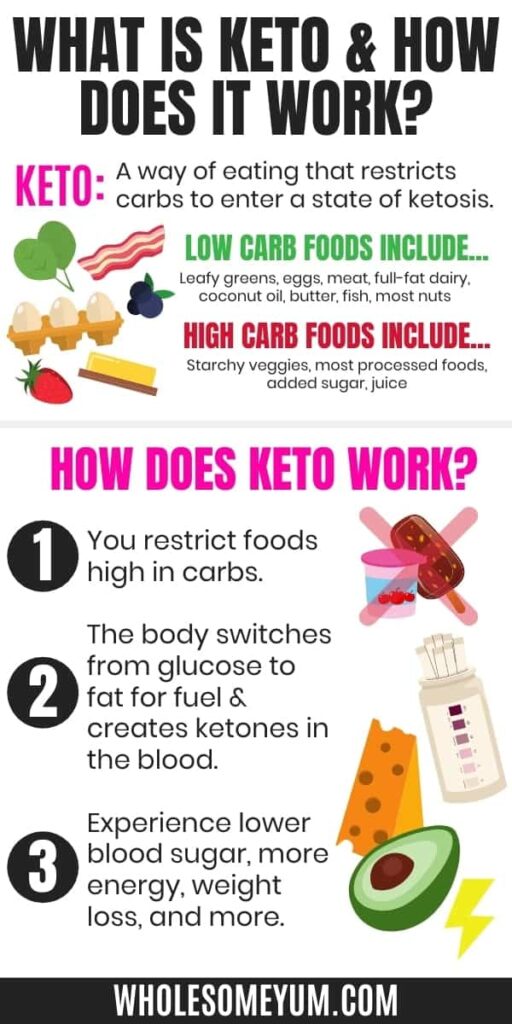
If you’re looking to embark on a keto diet, it’s essential to choose a plan that works best for you and your lifestyle. The ketogenic diet, or simply keto, is a low-carb, high-fat diet that has gained popularity due to its potential health benefits, such as weight loss and improved mental clarity. Before starting your keto journey, it’s crucial to understand the basics of keto and familiarize yourself with the different types of keto diets available.
Understanding the Basics of Keto
At its core, the ketogenic diet focuses on shifting your body into a state of ketosis. Ketosis occurs when your body starts relying on fat as its primary source of fuel, instead of carbohydrates. By drastically reducing your carb intake and increasing your fat consumption, you force your body to burn fat for energy, leading to weight loss.
To achieve ketosis, you must limit your daily carb intake to around 20-50 grams, depending on your individual needs. This restriction on carbohydrates forces your body to produce ketones, which are molecules created by the liver when fat is broken down. These ketones then serve as an alternative fuel source for your brain and body.
Different Types of Keto Diets
While the basic principles of the ketogenic diet remain the same across the board, there are various types of keto diets you can choose from based on your preferences and goals. Some popular variations include:
-
Standard Ketogenic Diet (SKD): This is the most common type of keto diet. It involves consuming a moderate amount of protein, high amounts of fat, and limiting your carb intake to approximately 20-50 grams per day.
-
Cyclical Ketogenic Diet (CKD): The CKD involves cycling between periods of strict keto eating and carb-loading. Typically, individuals following this approach adhere to a strict keto diet for five to six days and then have a carbohydrate-rich “refeed” day.
-
Targeted Ketogenic Diet (TKD): For those who engage in intense physical activity or exercise regularly, the TKD allows for a small amount of carbohydrates to be consumed before or after workouts to provide energy.
-
High-Protein Ketogenic Diet: As the name suggests, this variation includes a higher protein intake than the standard keto diet. It typically involves consuming 35% of calories from protein, 60% from fat, and 5% from carbohydrates.
Determining which keto diet plan is right for you depends on factors such as your fitness goals, activity level, and any specific dietary requirements you may have.
Preparing Your Mind and Body
Before diving headfirst into a keto diet, it’s important to prepare your mind and body for the changes it will undergo. This involves consulting with a healthcare provider, educating yourself on the keto diet, and clearing out your pantry of any non-keto-friendly foods.
Consulting with a Healthcare Provider
Before starting any new diet or making significant changes to your eating habits, it’s essential to consult with a healthcare provider. They can assess your overall health, help you determine if a keto diet is suitable for you, and provide guidance on proper nutrition and supplementation. This step is particularly important if you have any underlying medical conditions or take medication.
Educating Yourself on the Keto Diet
Knowledge is power, and this holds true when it comes to starting a keto diet. Take the time to educate yourself on the ins and outs of the ketogenic diet. Familiarize yourself with the list of foods you can eat and those you should avoid. Understand how your macronutrient ratios will change, and learn about the potential side effects and challenges that may arise during your keto journey.
Numerous reputable sources provide valuable information on the keto diet, including books, websites, and scientific studies. Make use of these resources to ensure that you have a solid understanding of what lies ahead.
Clearing Out Your Pantry
One of the first physical steps in preparing for a keto diet is clearing out your pantry of any non-keto-friendly foods. This includes processed carbohydrates, sugary snacks, and anything else that will tempt you to stray from your new nutritional plan. Donate or give away these items to minimize the temptation and create a clean slate for your keto journey.
Additionally, consider stocking up on keto-friendly staples such as avocados, coconut oil, nuts and seeds, and low-carb vegetables. Having these items readily available will make it easier for you to stay on track and ensure that you always have something keto-friendly to reach for when hunger strikes.
Calculating Your Macronutrient Ratios
To achieve and maintain ketosis, it’s crucial to calculate and track your macronutrient ratios. The primary macronutrients to focus on during a keto diet are carbohydrates, protein, and fat. By determining the appropriate balance and quantities of these macronutrients for your body, you can optimize your chances of success on a keto diet.
Determining Your Daily Calorie Intake
Before calculating your macronutrient ratios, it’s important to determine your daily calorie intake. This can be done using various online calculators or by consulting with a nutritionist. Your calorie needs will depend on various factors, including your age, gender, weight, height, and activity level.
Once you have an estimate of your daily calorie needs, you can move on to calculating your macronutrient ratios.
Setting Your Carbohydrate Limit
The cornerstone of a keto diet is limiting your carbohydrate intake to induce ketosis. Most individuals following a standard keto diet consume somewhere between 20-50 grams of net carbs per day. “Net carbs” refer to the total amount of carbohydrates in a food item minus the fiber content.
It’s essential to choose nutrient-dense carbohydrate sources, such as non-starchy vegetables. These vegetables are relatively low in carbs while providing essential vitamins, minerals, and fiber.
Determining Your Protein and Fat Intake
After setting your carbohydrate limit, the next step is determining your protein and fat intake. The specific ratios vary depending on the type of keto diet you choose and your individual goals.
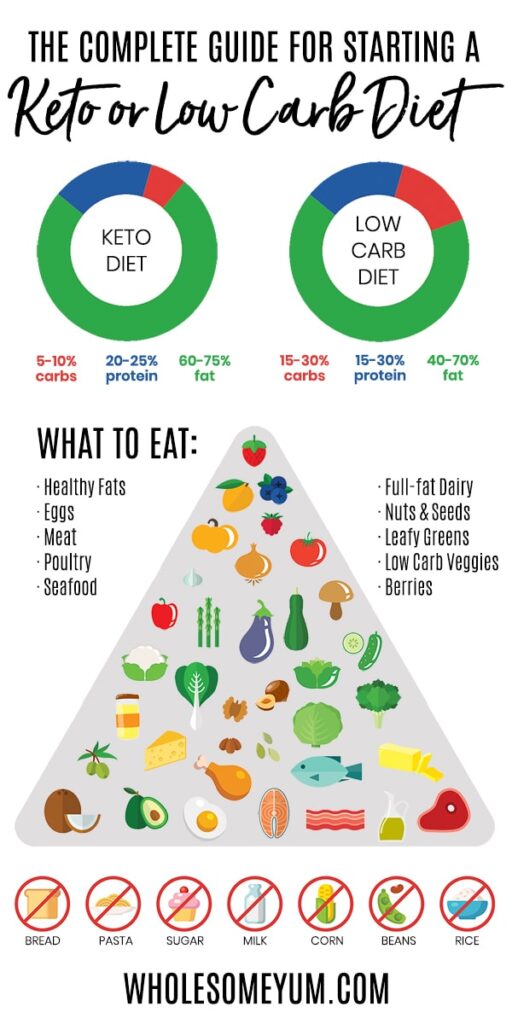
In a standard ketogenic diet, the recommended macronutrient ratio is typically 75% fat, 20% protein, and 5% carbs. However, the protein and fat percentages can be adjusted according to your preferences and needs. If you’re following a high-protein ketogenic diet, for example, you might aim for 60% fat, 35% protein, and 5% carbs.
Remember that tracking your macronutrient ratios is crucial for maintaining ketosis and optimizing your results. Utilize smartphone apps or online tools to make this process easier and ensure you stay on target.
Stocking Up on Keto-Friendly Foods
A successful keto diet requires a well-stocked pantry and refrigerator filled with keto-friendly foods. Here are some essential categories to focus on when stocking up:
Low-Carb Vegetables
Non-starchy vegetables are an excellent source of vitamins, minerals, and fiber while being low in carbohydrates. Stock up on vegetables such as leafy greens, broccoli, cauliflower, zucchini, bell peppers, and asparagus. These vegetables can be used as the foundation for salads, stir-fries, and side dishes on a keto diet.
Healthy Fats
Since the keto diet emphasizes high fat consumption, it’s crucial to have a variety of healthy fats on hand. Avocado oil, coconut oil, olive oil, butter, and ghee are great options. Nuts, seeds, and nut butters are also fantastic sources of healthy fats. Consider incorporating almond butter, chia seeds, flaxseed, and walnuts into your pantry.
Quality Animal Proteins
Protein is an essential macronutrient, and incorporating quality animal proteins into your keto diet is crucial. Opt for grass-fed beef, pasture-raised poultry and pork, wild-caught fish, and organic eggs. These sources of protein provide important nutrients while ensuring minimal exposure to antibiotics and hormones.
To support your body on a keto diet, aim for a well-rounded selection of nutrient-dense, keto-friendly foods. This will not only provide variety in your meals but also ensure you’re meeting your nutritional needs.
Meal Planning and Prepping
Meal planning and prepping are key strategies to help you stay on track with your keto diet. By dedicating time to creating a weekly meal plan, batch cooking, and having keto snacks on hand, you can set yourself up for success.
Creating a Weekly Meal Plan
Planning your meals in advance saves time, reduces stress, and ensures that you have keto-friendly options readily available. Begin by selecting a few breakfast, lunch, and dinner options for the week. Aim for a balance of protein, healthy fats, and non-starchy vegetables in each meal.
Consider incorporating different cooking methods and flavors to keep things exciting. Roasting, grilling, sautéing, and slow cooking are great techniques to experiment with. Look for recipe inspiration online or in keto cookbooks to discover new ideas that align with your dietary preferences.
Batch Cooking and Freezing Meals
Batch cooking is a game-changer for anyone following a keto diet. Set aside a few hours on the weekend to prepare larger quantities of meals that can be portioned out for the week. Investing in meal prep containers can make portioning and storing a breeze.
Many keto-friendly dishes freeze well, allowing you to have a stash of pre-cooked meals that can be quickly thawed and enjoyed. This is especially helpful on busy days or when you simply don’t feel like cooking from scratch. Additionally, having frozen meals on hand can prevent impulsive and potentially non-keto-friendly food choices when hunger strikes.
Having Keto Snacks on Hand
Snacking can be a challenge on a keto diet, as many common snack foods are high in carbohydrates. However, with a little preparation, you can have keto-friendly snacks readily available. Stock up on options such as hard-boiled eggs, cheese, olives, nuts, and seeds. These snacks are not only satisfying but also provide important nutrients to keep you energized throughout the day.
By implementing meal planning, batch cooking, and having convenient snacks, you’ll be well on your way to maintaining a successful keto diet.
Navigating Grocery Shopping for Keto
Navigating the grocery store while following a keto diet can feel overwhelming at first. However, armed with some knowledge and strategies, you can confidently make keto-friendly choices.
Reading Nutritional Labels
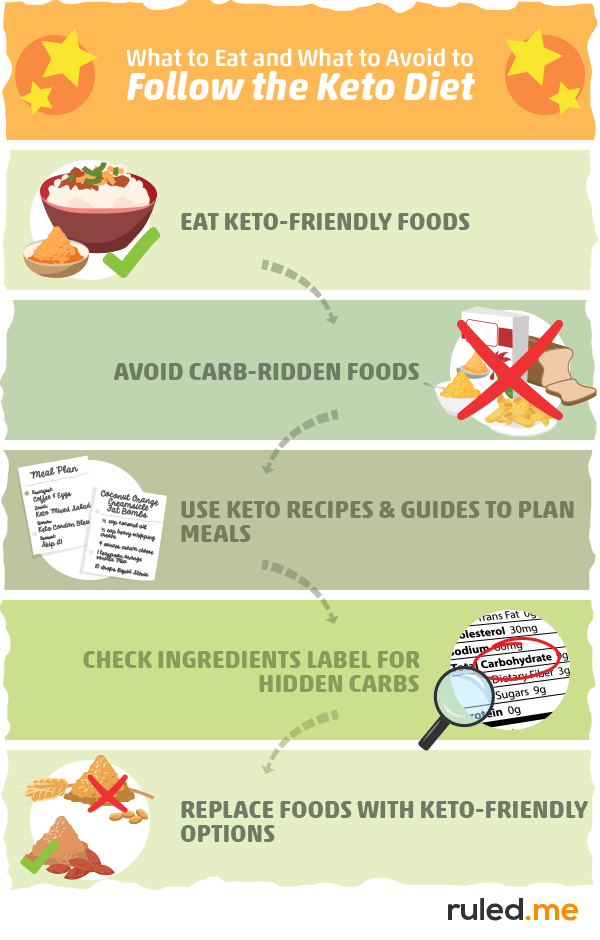
When grocery shopping on a keto diet, reading and understanding nutritional labels is essential. Pay attention to the total carbohydrate content, including the fiber content, to calculate the net carbs. The net carb count is the number of carbs that will impact your blood sugar and disrupt ketosis.
Additionally, scan the ingredients list for hidden sugars and grains, as these can quickly add up and derail your progress. Ingredients like corn syrup, dextrose, maltodextrin, and wheat flour should be avoided or consumed in limited quantities.
Avoiding Hidden Sugars and Grains
Many packaged foods can be loaded with hidden sugars, grains, and other non-keto-friendly ingredients. Be cautious of items such as sauces, condiments, salad dressings, and processed meats that may contain added sugars, fillers, or grains. Opt for homemade versions or read labels carefully to choose products without these unwanted additions.
Shopping for Fresh Produce and Quality Ingredients
When filling your cart, prioritize fresh produce and quality ingredients. Focus on non-starchy vegetables, such as leafy greens, bell peppers, cucumber, and cauliflower. Select organic options when possible to reduce exposure to pesticides and potentially harmful chemicals.
Choose high-quality animal proteins, such as grass-fed beef and pasture-raised poultry or pork. Look for wild-caught fish and organic eggs for optimal nutrition and environmental sustainability. While these may be slightly higher in price, the added benefits are worth the investment in your health.
Navigating the grocery store becomes easier as you become familiar with the list of keto-friendly foods and ingredients. Remember to plan your shopping trips in advance, stick to your shopping list, and avoid impulse purchases to stay on track.
Meal Ideas and Recipes
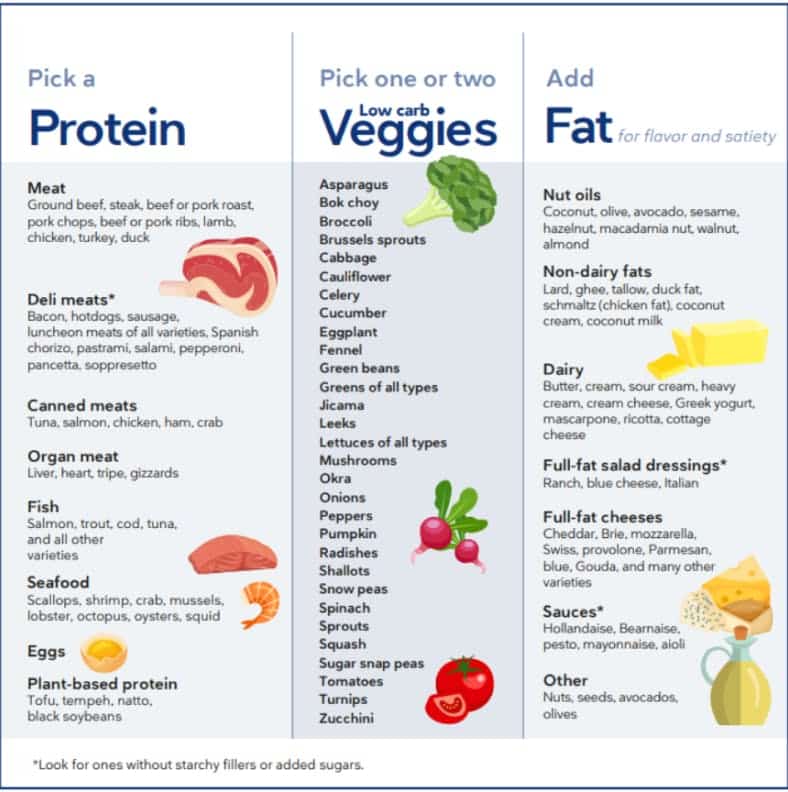
Having a variety of meal ideas and recipes at your disposal is crucial for long-term success on a keto diet. Here are some suggestions for delicious and keto-friendly meals across different categories:
Breakfast Ideas
- Keto Avocado Smoothie: Blend avocado, unsweetened almond milk, spinach, MCT oil, and stevia for a creamy and nutritious start to your day.
- Bacon and Egg Muffins: Whisk together eggs, chopped cooked bacon, cheese, and diced vegetables. Baked in a muffin tin for a convenient and portable breakfast option.
- Low-carb Pancakes: Mix almond flour, eggs, unsweetened almond milk, and a tablespoon of coconut flour for a keto-friendly twist on a traditional breakfast favorite.
Lunch and Dinner Recipes
- Keto Caesar Salad: Toss together romaine lettuce, grilled chicken, crispy bacon, shaved parmesan, and a homemade Caesar dressing made with mayo, garlic, anchovies, and lemon juice.
- Sundried Tomato and Spinach Stuffed Chicken Breast: Stuff chicken breasts with a mixture of sundried tomatoes, spinach, cream cheese, and seasonings, then bake until tender and juicy.
- Zucchini Noodles with Pesto and Grilled Shrimp: Spiralize zucchini into noodles, sauté until tender, and toss with homemade pesto and grilled shrimp for a light and flavorful meal option.
Snack and Dessert Options
- Keto Cheese Sticks: Cut mozzarella string cheese into smaller sticks, dip into beaten egg, coat with a mixture of almond flour, grated parmesan, and seasonings, then bake until golden and crispy.
- Chocolate Avocado Mousse: Blend ripe avocados, unsweetened cocoa powder, sweetener of choice, and a dash of vanilla extract for a rich and chocolaty dessert.
- Keto Fat Bombs: Prepare a mixture of coconut oil, almond butter, unsweetened coconut flakes, and a low-carb sweetener of choice. Mold into bite-sized balls and refrigerate until firm.
These are just a few examples of the endless possibilities for keto-friendly meals and snacks. Get creative in the kitchen and experiment with flavors and ingredients to keep your taste buds satisfied while sticking to your ketogenic lifestyle.
Enjoying Eating Out on Keto
Fear not; enjoying meals outside of the comfort of your own kitchen is absolutely possible while following a keto diet. By choosing keto-friendly restaurants, making smart choices at fast food chains, and modifying menu items when necessary, you can stay on track while still indulging in social dining experiences.
Choosing Keto-Friendly Restaurants
When dining out on a keto diet, it’s helpful to research and choose restaurants that offer keto-friendly options. Many establishments now cater to various dietary needs, including low-carb and keto diets. Look for restaurants that emphasize quality ingredients, such as grass-fed meats, organic vegetables, and healthy cooking oils.
Steakhouses, seafood restaurants, and farm-to-table establishments often have a variety of keto-friendly dishes on their menus. Peruse the menu beforehand or call the restaurant to inquire about keto options if the information is not readily available online.
Making Smart Choices at Fast Food Chains
While fast food is generally associated with unhealthy choices, there are still ways to enjoy a meal on the go while following a keto diet. Most fast food chains now offer customizable options, making it easier to adhere to a low-carb lifestyle.
Choose options such as burger patties, grilled chicken, or salads as the base for your meal. Opt for lettuce wraps or bunless burgers to reduce carbohydrate content. Skip the fries and opt for a side salad or additional vegetables instead. Be mindful of dressings, as many sauces and dressings can be high in added sugars and unhealthy fats.
Modifying Menu Items
When dining at any type of restaurant, don’t be afraid to modify menu items to fit your keto requirements. Ask for substitutions or omissions to adapt the dish to your dietary needs. For example, request a sauce or dressing on the side, substitute starchy sides with extra vegetables or a side salad, or ask for a protein option to be prepared without breading or marinades that contain sugar.
Most establishments are accommodating and willing to work with you to ensure you have an enjoyable dining experience while staying true to your keto lifestyle.
Monitoring Your Progress and Adjusting
Regularly monitoring your progress on a keto diet is crucial to understand how your body is responding and make necessary adjustments. Tracking your macros and calories, monitoring ketone levels, and adjusting your approach based on results are essential tools for long-term success.
Tracking Your Macros and Calories
To stay in a state of ketosis and achieve your desired results, it’s important to track your macronutrient intake and overall calorie consumption. Utilize online tracking apps or journaling to keep a record of the foods you eat and their corresponding macronutrients.
Consistently tracking your macros and calories will provide insight into whether you need to adjust your intake to ensure you’re remaining in ketosis and supporting your goals.
Monitoring Ketone Levels
Tracking your ketone levels can be beneficial for assessing your body’s level of ketosis. There are various methods available for measuring ketones, including urine strips, blood testing, and breath analyzers.
Urine strips are cost-effective and readily available but may not provide the most accurate measurement. Blood testing is considered the gold standard for ketone testing, offering precise results; however, it can be more invasive and costly. Breath analyzers are non-invasive and provide a reliable indication of ketosis but can be pricier upfront.
Find a method that works best for you and incorporate regular ketone testing into your routine to gauge your progress and make any necessary adjustments to your diet.
Making Adjustments Based on Results
As you continue your keto journey, you may find that certain aspects of your diet or macronutrient ratios need to be adjusted to optimize your results. For example, if you’re not experiencing weight loss or other desired outcomes, you might need to reassess your calorie intake or macronutrient ratios.
Keep in mind that everyone’s body is unique and may respond differently to certain dietary approaches. It may take some trial and error to find the optimal balance for your individual needs. It’s also essential to listen to your body and pay attention to how you feel and perform to make informed decisions about adjusting your keto diet plan.
Making adjustments based on results will ensure that you continue progressing toward your goals and maintain a sustainable and enjoyable keto lifestyle.
Dealing with Keto Flu and Challenges
Starting a keto diet may come with some challenges, such as the infamous “keto flu” and other hurdles along the way. However, with a few strategies in place, you can minimize the negative symptoms and overcome common challenges.
Understanding Keto Flu Symptoms
The keto flu is a set of symptoms that can occur during the initial stages of transitioning into a ketogenic diet. It is typically characterized by fatigue, headache, brain fog, irritability, and muscle cramps. These symptoms arise as your body adjusts to utilizing fat as its primary fuel source instead of carbohydrates.
The keto flu is often temporary and should subside within a few days to a couple of weeks. It is important to stay hydrated, replenish electrolytes, and ensure you are getting adequate amounts of vitamins and minerals during this period.
Tips to Minimize Keto Flu
To minimize the symptoms of the keto flu, there are several steps you can take:
-
Stay Hydrated: Proper hydration is crucial on a keto diet. Drink plenty of water and consider adding electrolytes to your drinks to replace any lost during the initial stages of ketosis.
-
Increase Salt Intake: Low-carb diets can lead to increased excretion of sodium. Adding a sprinkle of salt to your meals or consuming broth can help maintain electrolyte balance.
-
Gradually Reduce Carbohydrates: Gradually reducing your carbohydrate intake over a few days or weeks can make the transition into ketosis more manageable and minimize the symptoms of the keto flu.
-
Eat Nutrient-Dense Foods: Focus on consuming nutrient-dense foods to ensure you are still getting essential vitamins and minerals while cutting back on carbs. Incorporate leafy greens, nuts, avocado, and quality protein sources into your meals.
Overcoming Common Challenges on Keto
Like any dietary change, a keto lifestyle may present its own unique challenges. Some common hurdles include social situations, cravings, and a plateau in weight loss.
Navigating social situations can be difficult, especially if they revolve around non-keto foods or alcohol. Plan ahead by eating a keto-friendly meal before attending an event, bringing your own dish, or politely explaining your dietary choices to those around you. Remember, it’s your choice to prioritize your health.
Cravings for carb-rich foods may arise, particularly in the initial stages of keto. Opt for keto-friendly substitutes, such as cauliflower rice instead of regular rice, or lettuce wraps instead of bread. Additionally, implementing strategies to curb cravings, such as increasing fat intake or practicing mindful eating, can help you overcome these challenges.
A plateau in weight loss is a common occurrence for many individuals pursuing any type of diet. If you’ve hit a weight loss stall, consider adjusting your macronutrient ratios, incorporating intermittent fasting, or reassessing your calorie intake. Additionally, focus on non-scale victories, such as improved energy levels, mental clarity, and overall well-being.
By acknowledging and proactively addressing these challenges, you can overcome setbacks and maintain a positive mindset throughout your keto journey.
In conclusion, embarking on a keto diet requires careful consideration and planning. Understanding the basics of keto, determining the most suitable keto diet plan for your needs, preparing your mind and body, and calculating your macronutrient ratios are crucial steps to ensure success. Stocking up on keto-friendly foods, meal planning and prepping, and learning to navigate grocery shopping and eating out are essential skills for maintaining a keto lifestyle. Monitoring your progress, dealing with challenges such as keto flu, and making adjustments as necessary will enable you to navigate your keto journey smoothly. Remember to consult with a healthcare provider before starting any dietary changes and enjoy the process of discovering new keto-friendly meals and recipes.


